



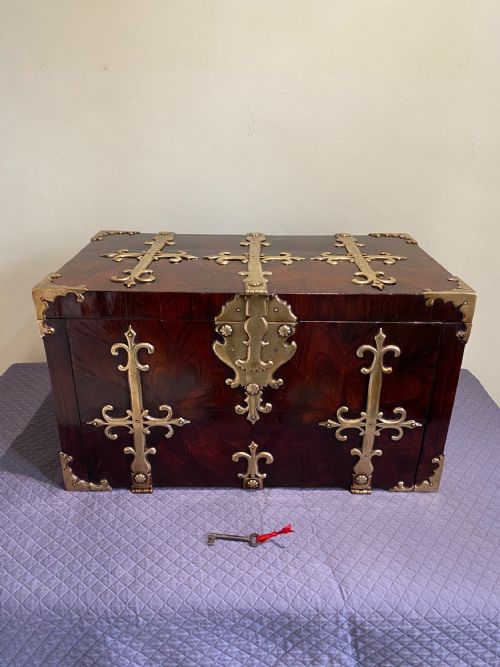


Antique Wooden Strongbox
An antique wooden strongbox brings tangible history and sturdy construction into any room, holding secrets of centuries past within robust timber and iron.

What these pieces are
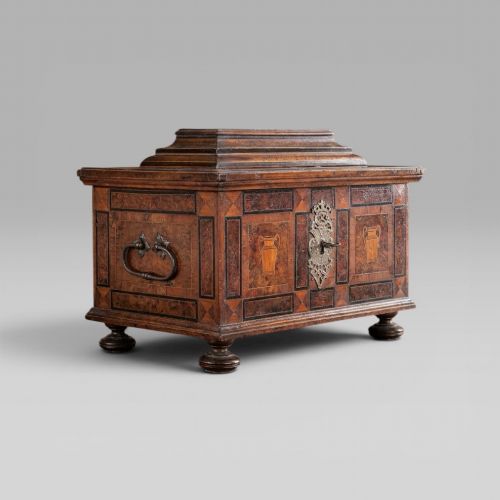
An antique wooden strongbox is a secure repository designed to safeguard valuables, documents and precious items against theft and damage. Buyers searching this phrase encounter robust containers fashioned primarily from domestic and exotic timbers, reinforced with heavy metalwork.
The selections available range widely in origin and aesthetic, spanning from sixteenth-century travelling chests to eighteenth-century coffers. These objects served domestic, travel and institutional purposes, adapting their scale and security measures to the needs of their owners.
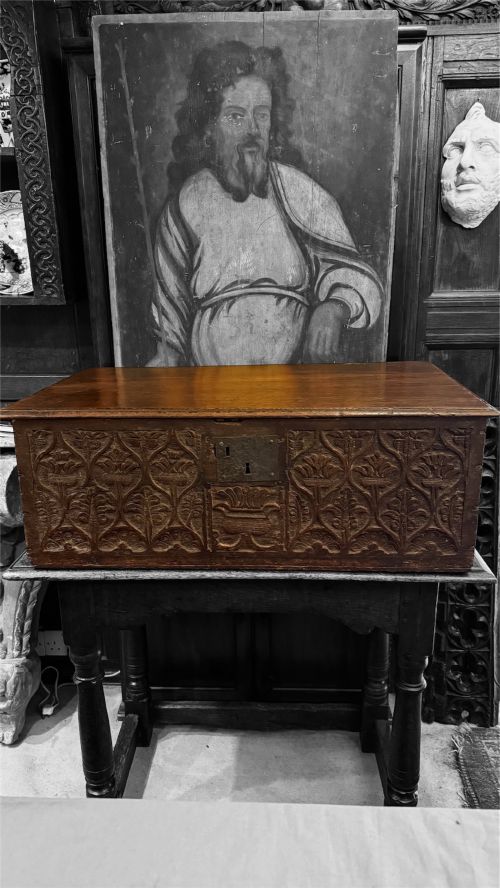
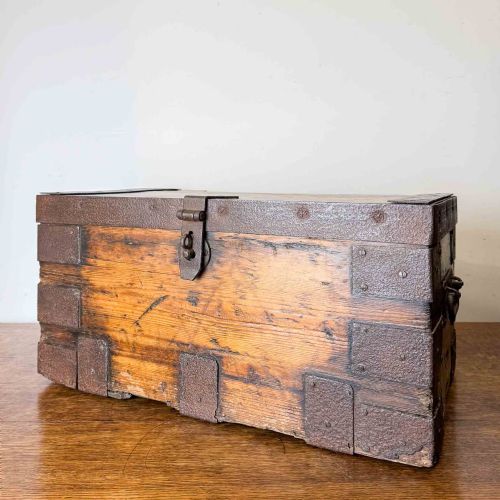
English document boxes, French coffre forts and Scandinavian metal-bound trunks represent the primary forms encountered here. Each regional tradition brings distinct timber choices and decorative motifs, creating a varied landscape for collectors.
How they were made
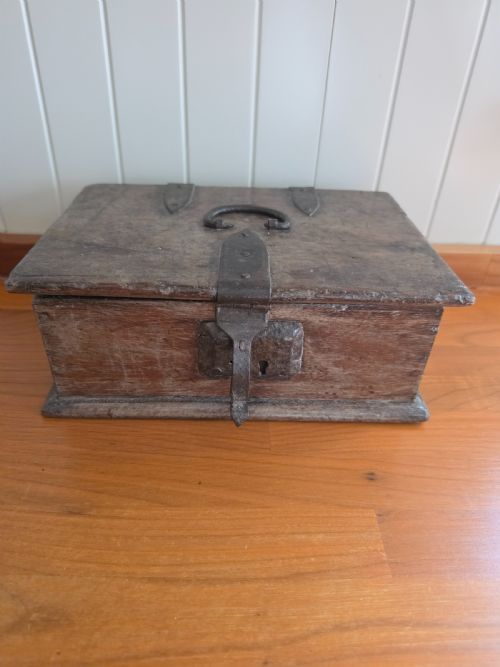
Joinery on these pieces relies on traditional techniques suited to heavy timber, utilising solid boards of oak, elm, pine, chestnut or kingwood. Makers joined carcases with dovetails, pegged mortise and tenon joints, or simple nailed construction depending on the intended strength and period.
Protection and structural integrity depend heavily on ironwork, with blacksmiths hammering out strapwork, hinges and corner plates to bind the wooden panels. Wrought iron straps often span the entire lid and body, secured by clenched nails or bolts that double as decoration.
Retail Price Guide 2026
Typical UK retail prices for wooden strongbox, calculated from the Sellingantiques database of over a million retail prices indexed since 2003. This retail price guide relies exclusively on Sellingantiques data; no external sources or auction records are used, so the figures do not describe the wider market.
Some seventeenth-century document boxes were built with secret compartments cunningly concealed behind false panel bases.
What varies in quality
The distinction between ordinary utility containers and superior examples lies in the selection of materials and the ambition of the metalwork. Exotic timbers like kingwood indicate high-status commissions, whereas simpler pine and elm serve utilitarian functions.
Carving and decorative iron embellishment elevate standard joinery into artistic craftsmanship. Pieces displaying intricate Gothic carving or sophisticated French Baroque styling command attention through the hand of a skilled artisan.
The Antique Wooden Strongbox Glossary
- Coffre fort
- A strongbox or chest designed for securing valuables. These French containers often combine refined timber veneers with heavy internal locking mechanisms.
- Strapwork
- Flat strips of iron or steel applied to the exterior of a box for reinforcement. This technique provides both physical security and graphic visual rhythm across the timber.
- Dovetail
- A joinery technique formed by interlocking wedge-shaped fingers of wood. It creates a tensile connection at the corners of a box without relying entirely on nails.
- Document box
- A compact receptacle built to store folded paper records and deeds. They frequently feature sloping lids and small internal compartments.
Frequently Asked Questions
What did people store inside a strongbox?
Owners kept currency, legal documents, jewellery and precious household silver inside these secure containers.
The robust construction protected contents from theft, fire and moisture during a time when domestic security was rudimentary.
How do I date an old wooden box?
Dating relies on examining the timber species, joinery methods, tool marks and the style of any ironwork.
Earlier examples from the sixteenth and seventeenth centuries display heavy hand-sawn boards and simpler forged hinges compared to later eighteenth-century variations.
Where were strongboxes used?
These boxes found placement in merchant offices, noble households, churches and aboard travelling carriages.
Portable sizes allowed wealthy merchants and officials to transport important papers securely across regions.
How should I clean my strongbox?
Maintenance requires gentle dusting and occasional application of appropriate wax to nourish the aged timber.
Harsh chemical cleaners and modern polishes damage the historic patina accumulated across centuries of handling.