


Antique Wooden Stool Stand
These antique wooden stool stand pieces serve double duty as compact tables and seats, offering practical surfaces with a distinct period presence.
Antique Wooden Stool Stand
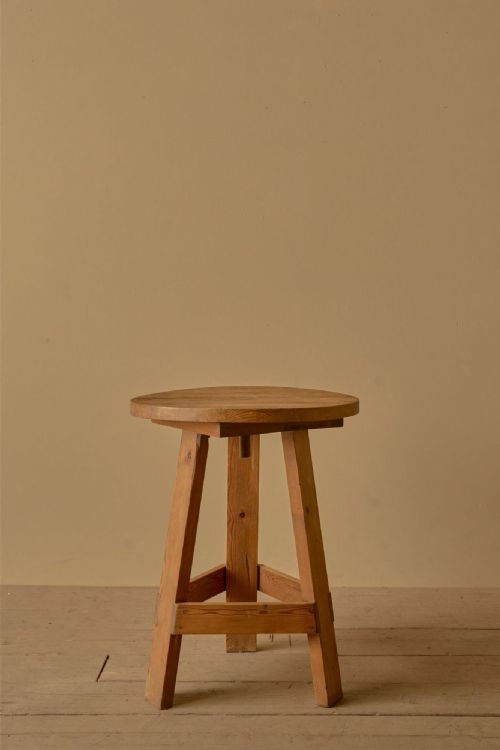
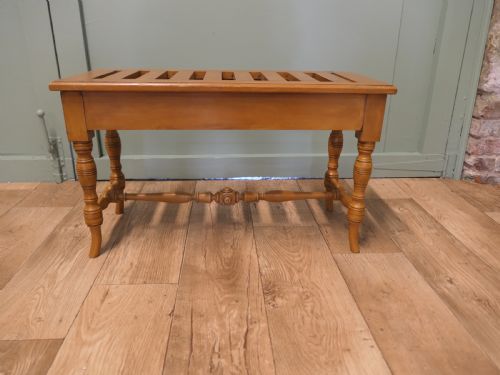
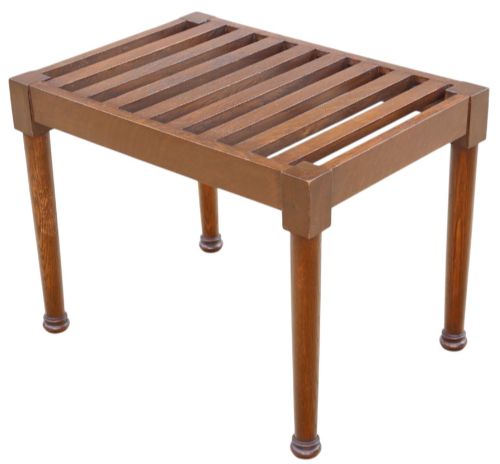
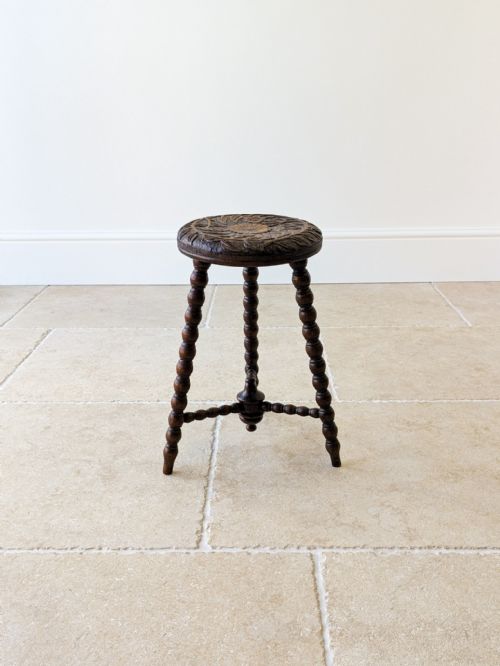
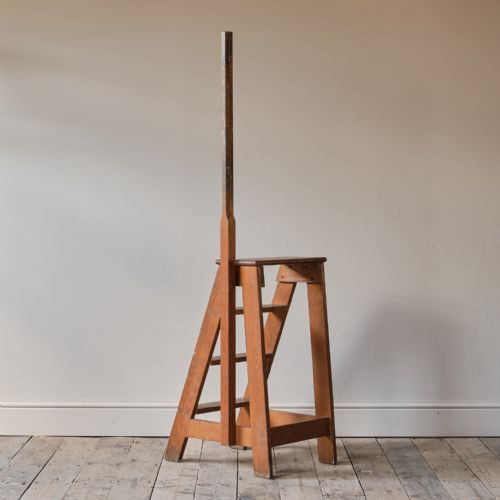
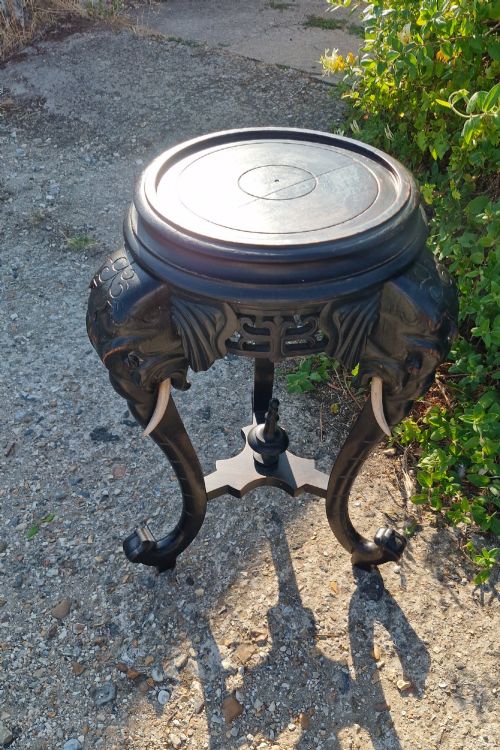
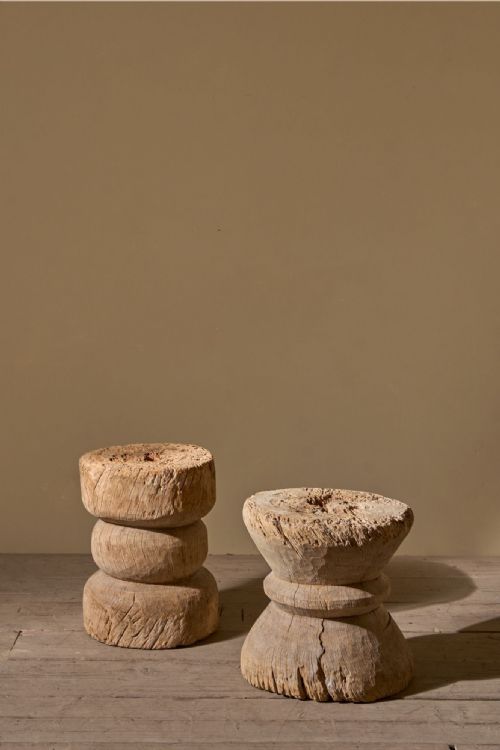
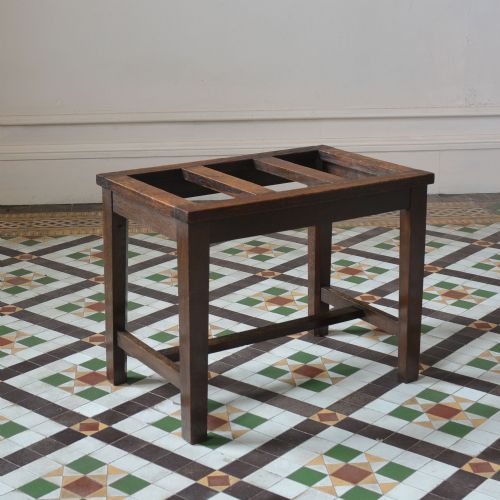
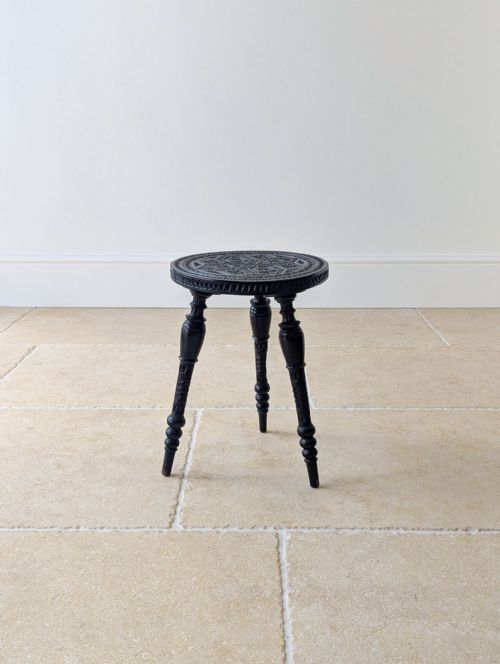
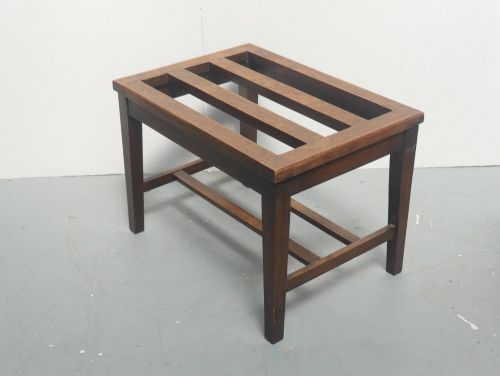
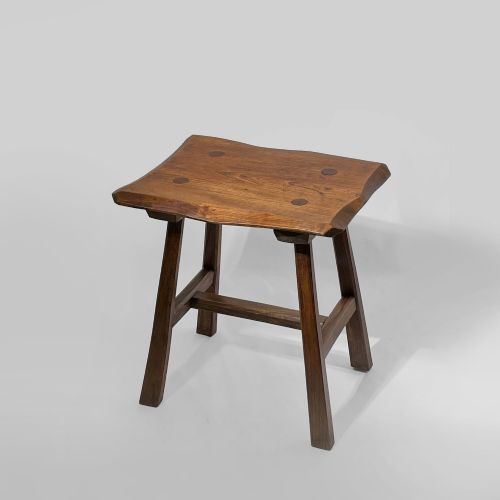
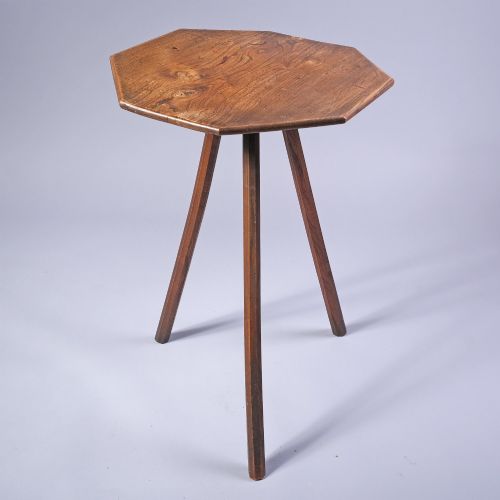
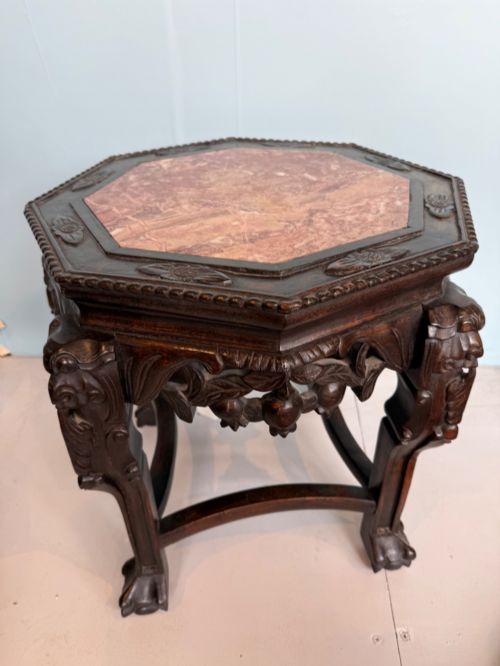
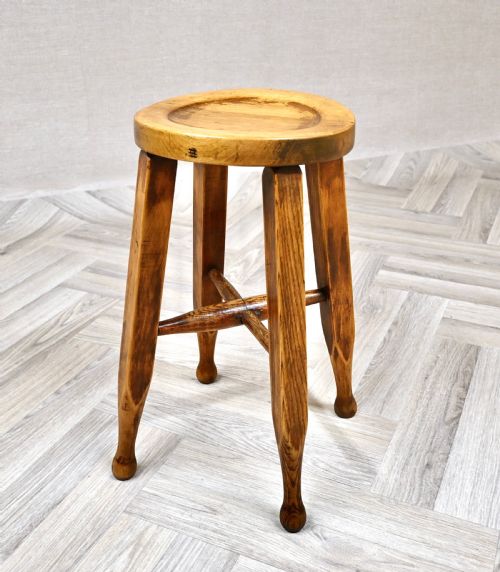
When you search for an antique wooden stool stand, you encounter versatile low furniture that blurs the line between seating, side tables, and display plinths. The pieces listed on this page span diverse forms such as luggage racks, plant stands, library steps, and elephant tables.
You are most likely to meet Victorian and early twentieth-century examples shaped by styles ranging from Arts and Crafts and rustic country to Anglo-Indian and Qing dynasty traditions. Their multi-functional nature means they suit small spaces where a flexible surface or seat is required.
Makers and workshops across Britain, Europe, and Asia produced these items for various domestic settings, utilising sturdy timbers suited to daily use. The selection reflects both utilitarian workshop items and decorative household furnishings.
What varies in quality
The distinction between standard utility items and finer pieces lies in the crispness of the carving, the selection of figured timber such as burr wood or hongmu, and the integrity of the joinery. Superior examples display thoughtful proportions and robust construction rather than purely hasty assembly.
Finish and material combination also dictate standing, with integrated marble tops, complex ebonised surfaces, or documented maker attribution elevating the piece above straightforward rustic work.
Antique Wooden Stool Stand Retail Price Guide 2026
Typical asking prices for wooden stool stand among the pieces listed under this phrase on Sellingantiques today, from the lower quarter to the upper quarter. They describe what is for sale here now, not the wider market.
One late Victorian elephant table comes complete with hand-painted wooden tusks.
Liberty and Co·Brown and Lamont
The Antique Wooden Stool Stand Glossary
- Luggage rack
- A low folding or rigid stand designed for holding suitcases or travel trunks at a convenient height. These often feature slatted wooden tops.
- Elephant table
- A low occasional table or stool supported by carved wooden elephant figures, often associated with nineteenth-century Anglo-Indian production.
- Joint stool
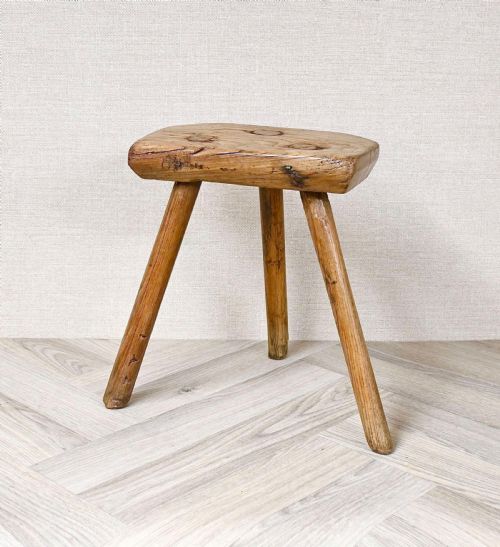
- A sturdy wooden stool constructed using mortise and tenon joints pegged together, common in vernacular domestic interiors.
- Ebonised
- Wood treated with a dark stain or finish to imitate expensive ebony. This treatment became popular during the Victorian period.
- Hongmu
- A dense, heavy Chinese hardwood prized for traditional furniture production. It translates literally to red wood.
Antique Wooden Stool Stand: Frequently Asked Questions
What is an antique wooden stool stand used for?
These versatile items function as occasional tables, display plinths for plants or lamps, and small seats. Their compact footprint makes them adaptable for corners or tight spaces.
Historically, specific variants served specialised domestic tasks, such as holding luggage in guest bedrooms or supporting books in libraries.
How do I date an antique wooden stool stand?
Dating relies on identifying timber choices, tool marks, joinery methods, and stylistic cues associated with periods like the Victorian era or the Arts and Crafts movement.
Turned elements, carved motifs, and hardware also provide clear indicators of whether a piece dates to the nineteenth century or the early twentieth century.
Are these stands sturdy enough for daily use?
Most pieces were built from solid hardwoods like oak and mahogany to withstand regular weight-bearing use as seats or luggage supports.
Checking the stability of the joints ensures the piece remains reliable for everyday placement of lamps, plants, or casual seating.
How do I fit one into a modern room?
Their small scale allows them to sit beside armchairs as compact side tables or function as plant stands in empty corners.
Mixing vernacular oak forms with contemporary interiors adds warmth and texture through natural wood grain and age.