

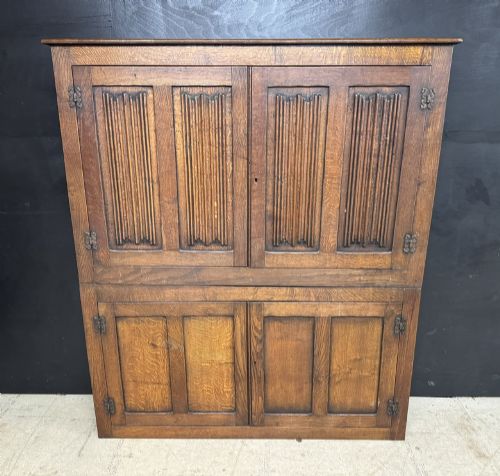
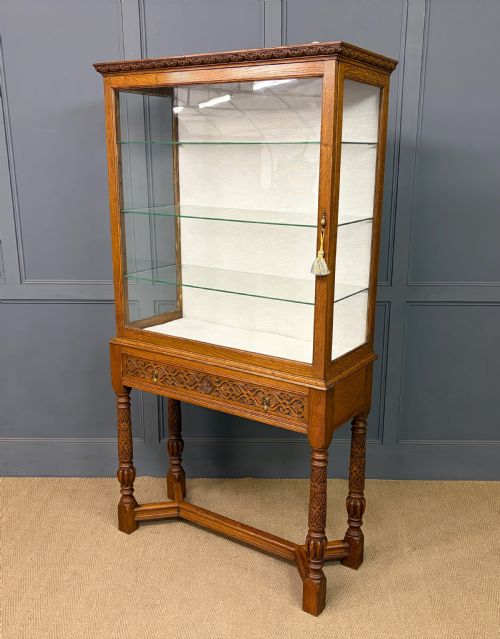
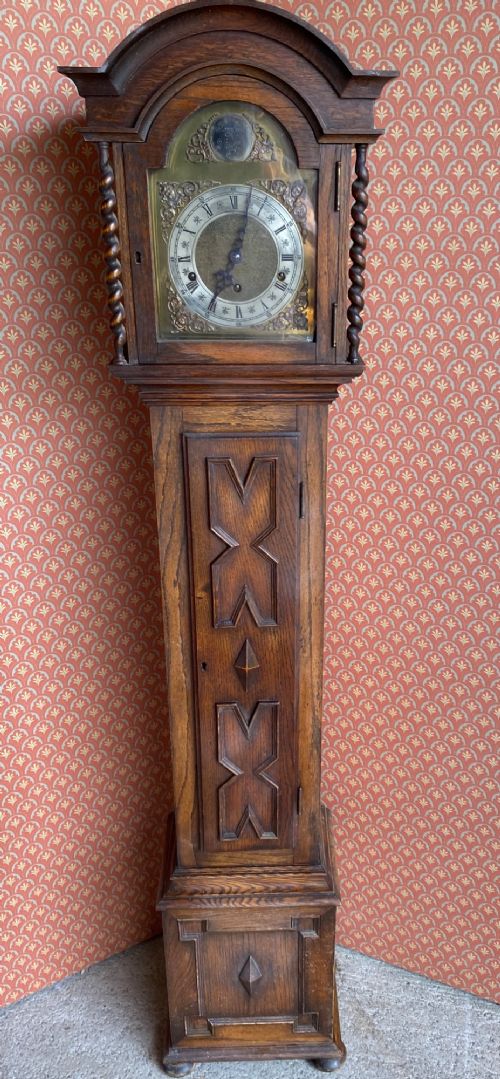
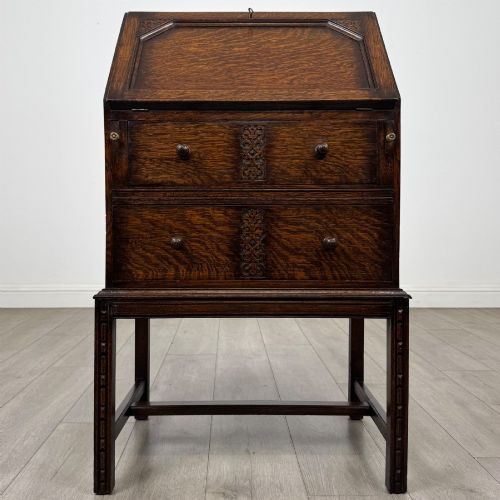

Jacobean Revival Stand
These jacobean revival stand pieces bring solid oak construction and turned uprights into an interior, offering practical utility alongside historic character.
Jacobean Revival Stand
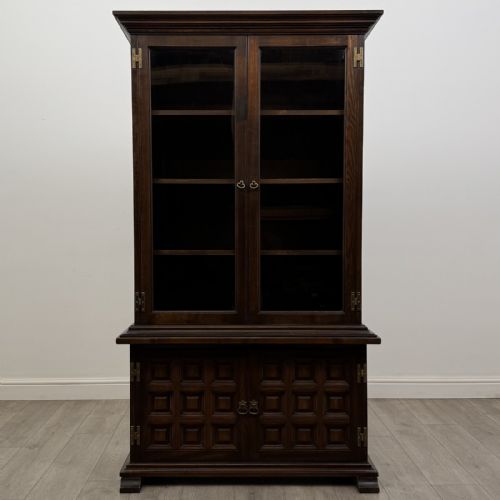
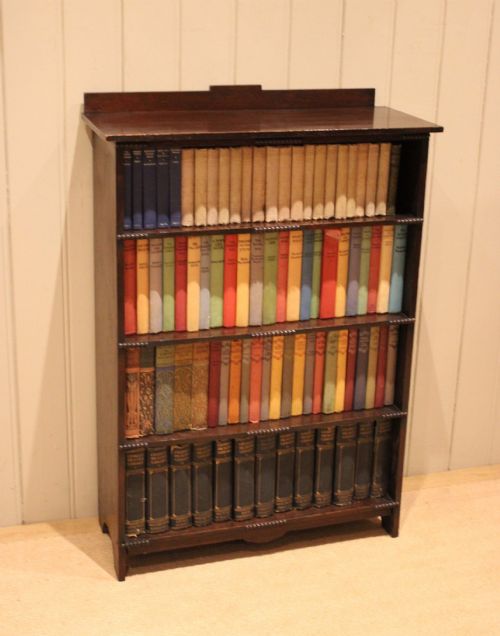
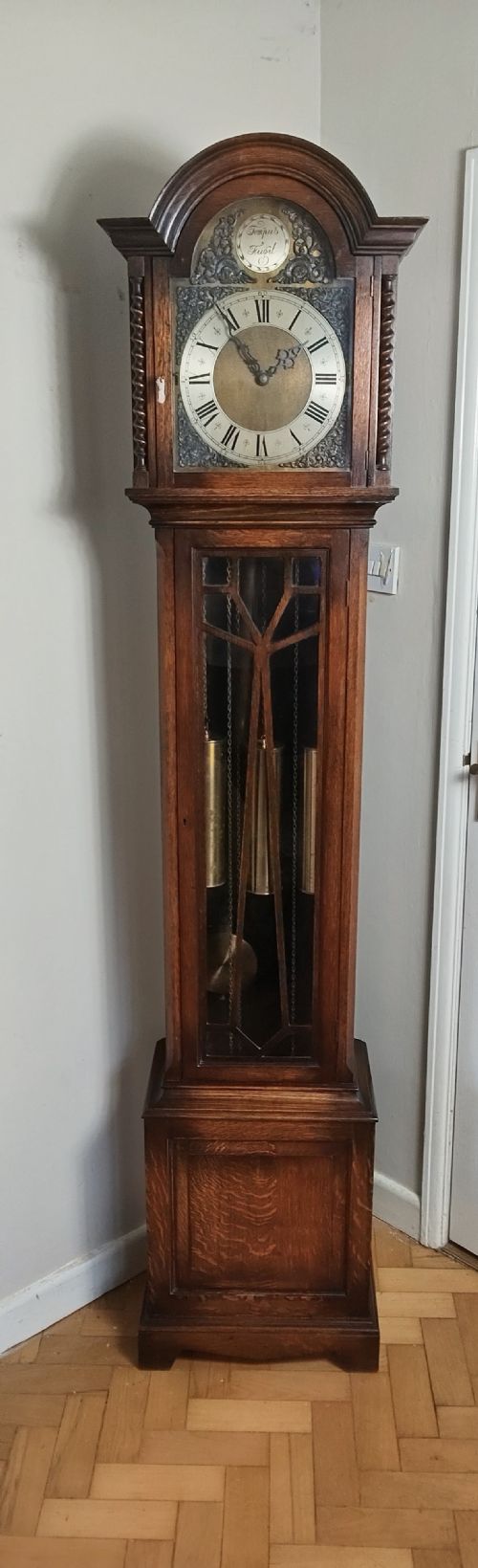
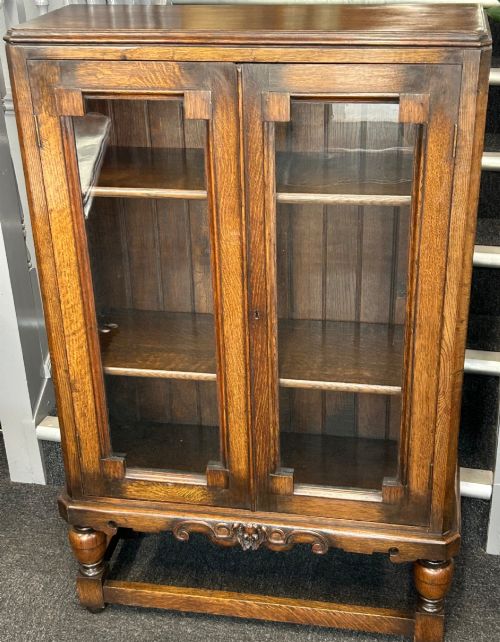
A jacobean revival stand encompasses hall furniture and occasional tables produced during the late nineteenth and early twentieth centuries, drawing upon seventeenth-century forms. Buyers encountering this category most frequently meet hall stands, plant stands, and occasional tables dating from the Edwardian period and the 1920s.
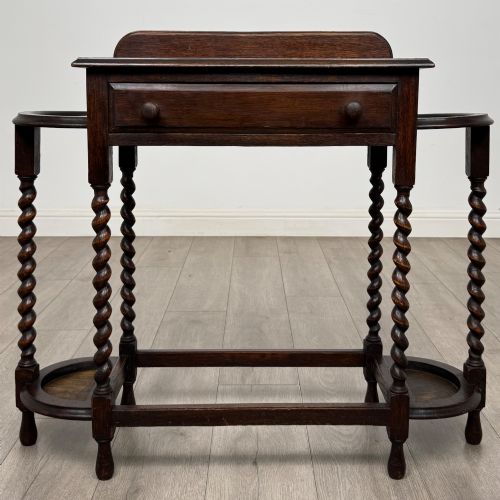
The material palette centres firmly on oak, sometimes described as dark oak, worked into hall stands with umbrella storage, stick stands, and small side tables. Forms range from tall umbrella holders incorporating caning and brass fittings down to compact plant pedestals and tripod tables.
How they were made
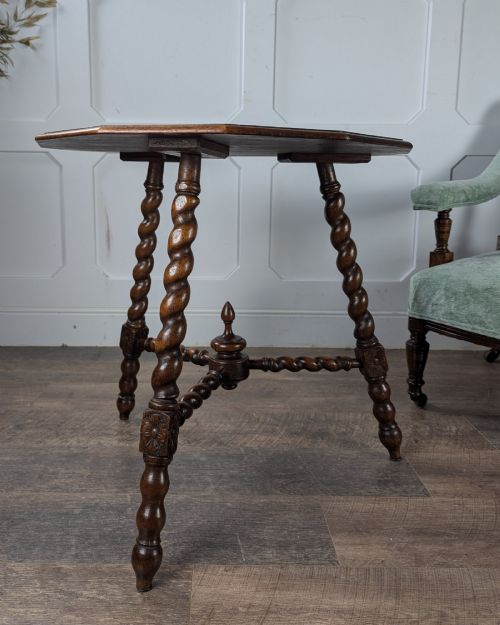
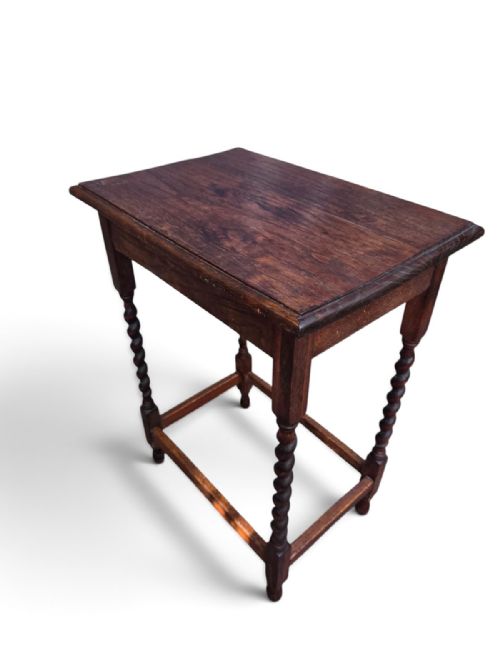
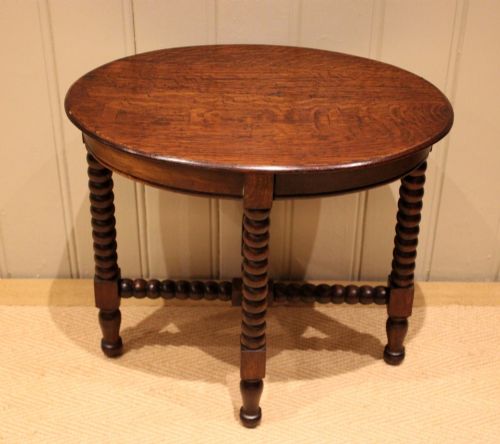
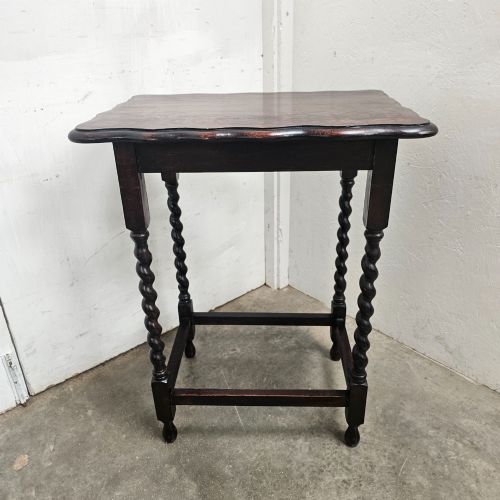
Cabinet makers utilised solid oak, constructing frameworks that relied on traditional joinery alongside turned woodwork. Structural elements frequently incorporated barley twist or bobbin turned legs, produced on a lathe to create spiralling or segmented profiles.
Secondary materials included brass for hooks and mounts, iron for structural reinforcement, and cane or bergere for inset panels on hall furniture. Surfaces were often darkened to emulate older timber finishes, maintaining a robust, heavy construction.
Jacobean Revival Stand Retail Price Guide 2026
Typical asking prices for jacobean revival stand among the pieces listed under this phrase on Sellingantiques today, from the lower quarter to the upper quarter. They describe what is for sale here now, not the wider market.
Listings span from the 1880s through the Edwardian era up to the 1930s, constructed predominantly in oak with occasional brass and iron components.
What varies in quality
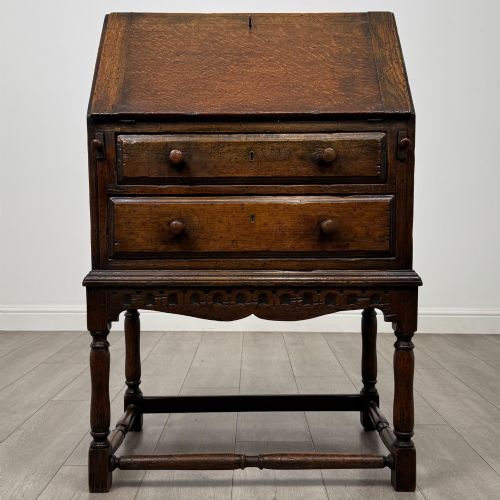
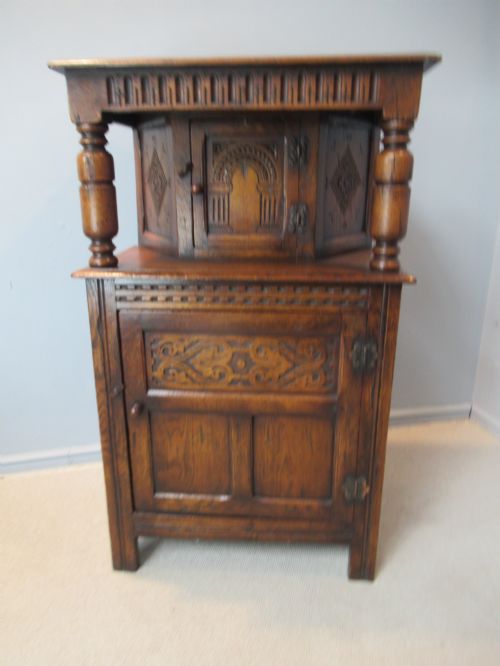
The standard of a jacobean revival stand is determined by the depth and crispness of the carved ornamentation, such as guilloche patterns or strapwork applied to the friezes and panels. Heavier gauge timber and well-proportioned turning indicate superior workshop output compared to simpler, mechanical production.
Integration of secondary materials like quality brass hardware, intact cane panels, and substantial structural framing elevate individual examples above standard utilitarian items from the same era.
The Jacobean Revival Stand Glossary
- Barley twist
- A cylindrical column carved or turned in a spiral helix resembling a barley sugar stick. This decorative turning appears frequently on table legs and upright supports.
- Bergere
- A woven wicker or cane panel utilised in backrests or sides of hall stands. It provides a lighter textural contrast to heavy oak framing.
- Jacobean revival
- A nineteenth and twentieth-century style emulating the architectural and decorative motifs of the early seventeenth-century reign of James I. It relies heavily on geometric mouldings and dark oak.
- Hall stand
- A piece of furniture designed for an entrance hall, combining umbrella and stick storage with hooks for coats and occasionally a mirror or small compartment.
Jacobean Revival Stand: Frequently Asked Questions
What is a jacobean revival stand?
It is an item of hall furniture or occasional support produced in the nineteenth or twentieth century, styled after seventeenth-century woodwork. These pieces often feature dark oak and turned legs.
They served functional roles in domestic entryways and living spaces, holding walking sticks, umbrellas, or plants while projecting a historic aesthetic.
How do I date a jacobean revival piece?
Dating relies on examining the construction methods, timber treatment, and secondary materials used within the framework. Edwardian and 1920s examples predominate in this category.
Earlier Victorian pieces often display heavier hand-carved details, whereas twentieth-century versions frequently employ standardised machine turning on the uprights and legs.
Where were these stands used?
They were placed primarily in entrance halls, corridors, and reception rooms of period homes. Hall stands managed wet umbrellas and coats near the front door.
Smaller plant stands and occasional tables occupied corners or window spaces to display ornaments, utilising compact footprints suited to domestic rooms.
Are these pieces made of solid oak?
The majority of items listed in this category utilise solid oak or dark oak construction for the primary frame, panels, and legs. This ensured durability for heavy daily use.
Some examples incorporate auxiliary materials such as brass hooks, iron drip pans, or cane inserts alongside the main timber structure.