


Antique Wooden Stand Drawer
These antique wooden stand drawer pieces combine practical storage with period joinery, offering a functional addition to any traditional interior.
Antique Wooden Stand Drawer
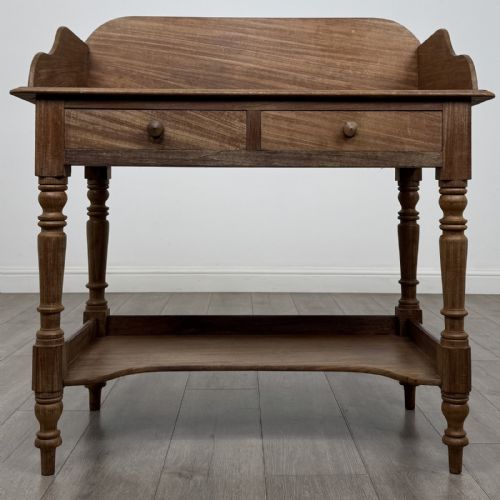
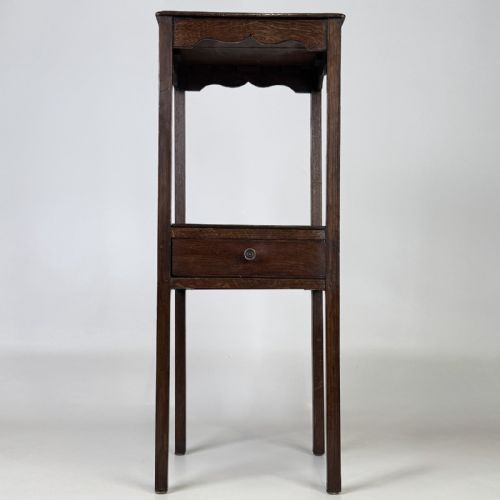
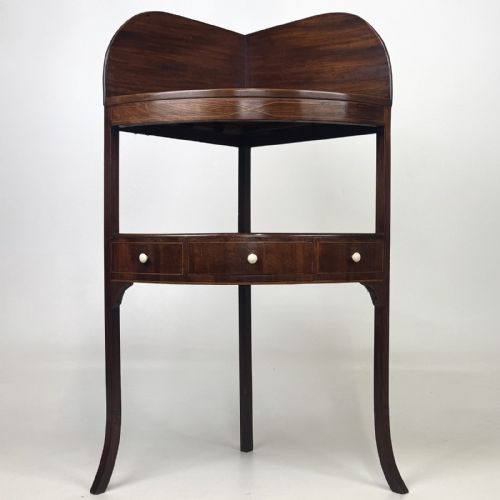
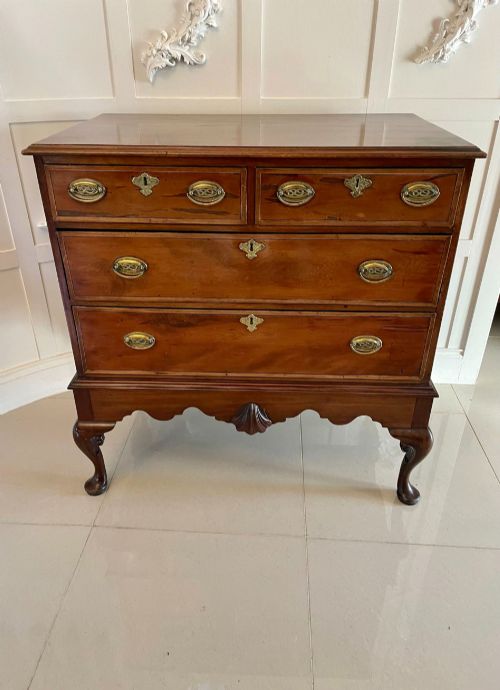
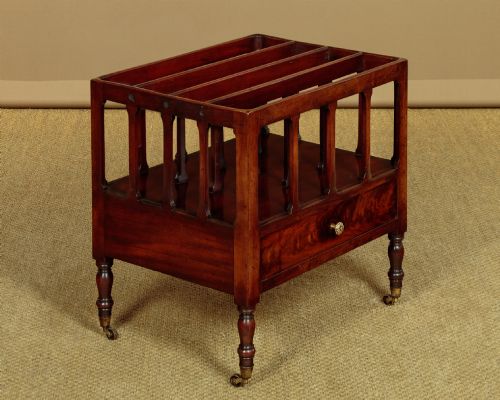
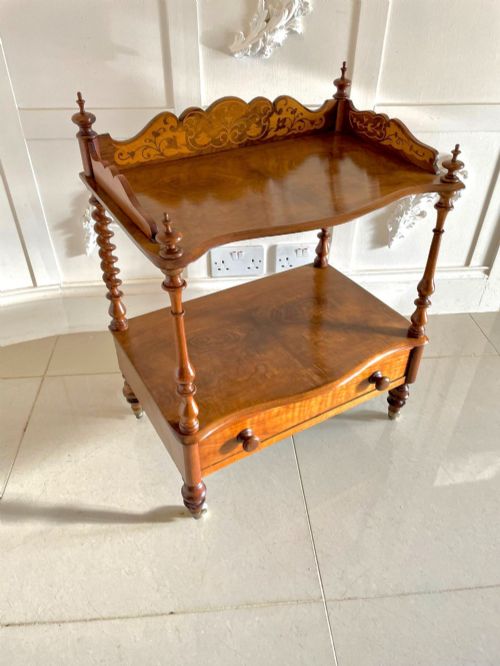
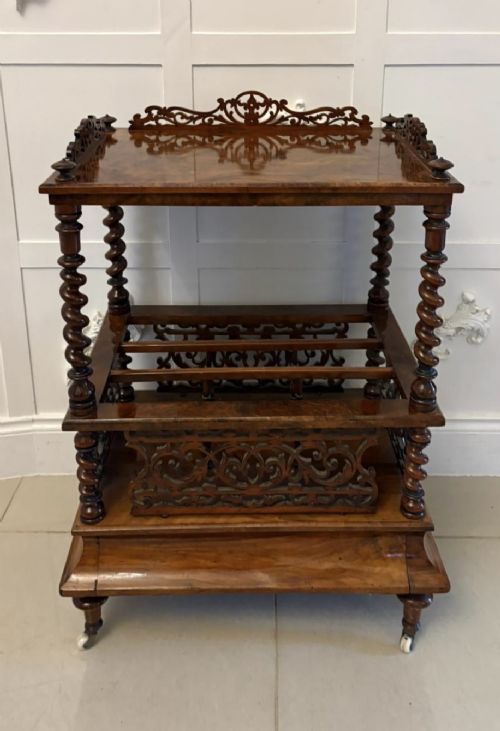
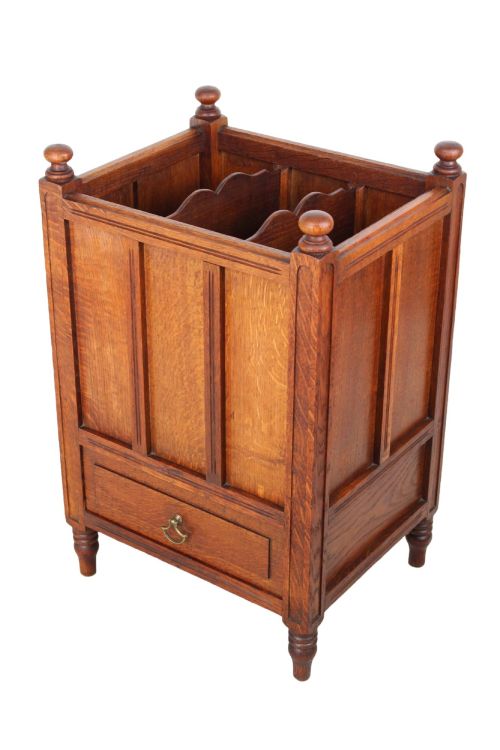
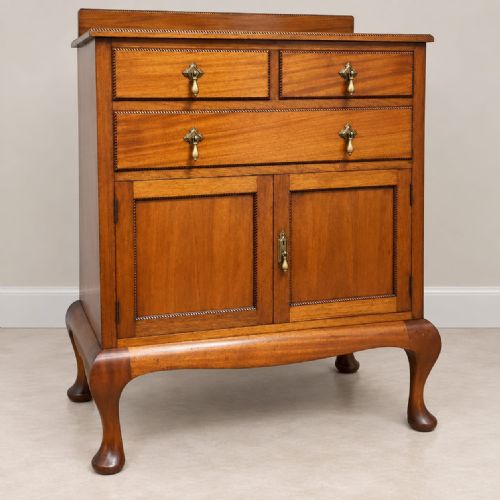
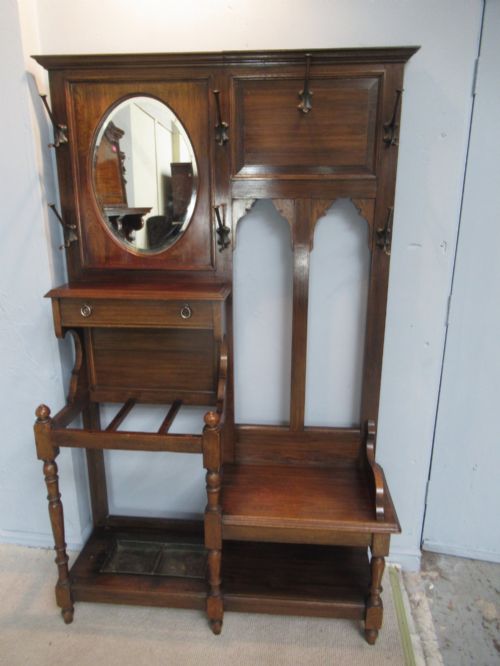
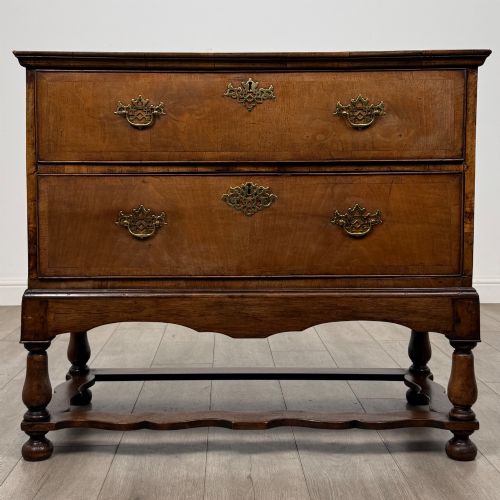
An antique wooden stand drawer search reveals a diverse assortment of elevated storage forms, including chests on stands, side tables, and canterburys.
Most items appearing under this description date from the eighteenth and nineteenth centuries, spanning Georgian, Victorian, and Edwardian periods.
Buyers commonly encounter mahogany and walnut constructions featuring single drawers or compartmented bases designed for domestic organisation.
How they were made
Cabinetmakers utilised dense timbers such as mahogany, walnut, and oak, often enhancing surfaces with burr walnut veneers or boxwood stringing.
Structural integrity relied on traditional joinery methods, supplemented by turned wooden supports, brass handles, and occasionally glass elements.
Musicians once relied on these stands to keep unruly sheet music from blowing away during parlour recitals.
What varies in quality
Excellence in these objects rests upon the choice of figured timber veneers, the crispness of carved details, and the retention of original supporting stands.
Mastery is evident in the harmonious proportions of the upper cabinet to its base, alongside the careful execution of dovetail joints within the drawers.
Heal & Sons
The Antique Wooden Stand Drawer Glossary
- Chest on stand
- A cabinet fitted with drawers that rests upon an elevated wooden frame with legs. This form raises the storage surface for easier access.
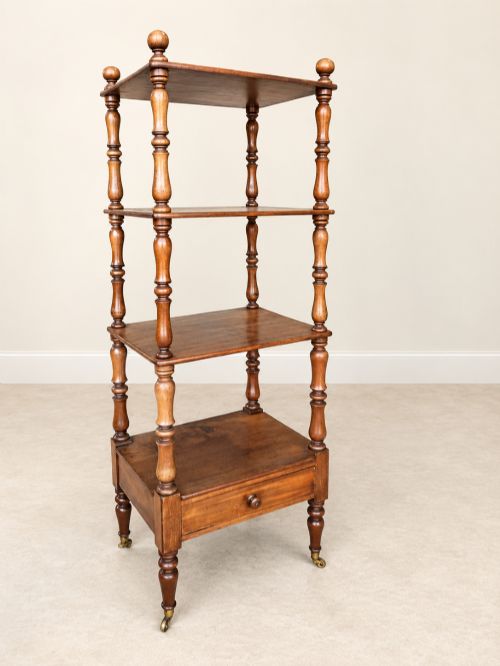
- Canterbury
- A partitioned stand originally built to hold sheet music, newspapers, or periodicals. These pieces frequently incorporate a low drawer beneath the rack.
- Crossbanded
- A technique where veneer strips are applied across the grain of the primary wood panel. This creates a contrasting border around drawer fronts or tabletops.
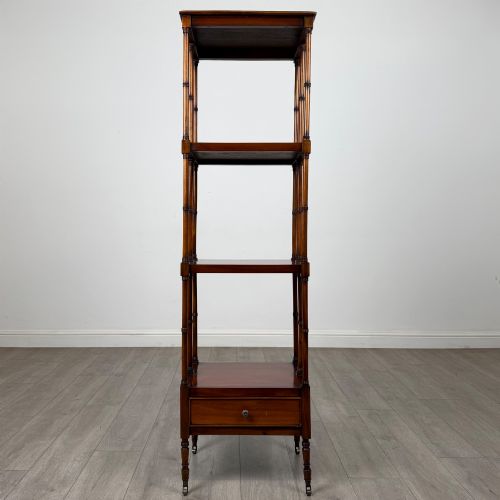
- Wotnot
- A set of open shelves supported by slender pillars, utilised for displaying or storing small objects. The term emerged during the nineteenth century.
Antique Wooden Stand Drawer: Frequently Asked Questions
What is a chest on stand?
A chest on stand comprises a drawer section mounted onto a separate, elevated framework with legs. This design elevates the primary storage compartment above floor level.
Such forms developed to provide deep storage without the heavy visual weight of a standard floor-standing wardrobe or chest.
How do I use a canterbury?
Canterburys serve as compartmentalised tidies for holding magazines, newspapers, or sheet music upright. The integrated lower drawer provides additional space for smaller accessories.
Their compact footprint allows them to sit beside seating areas or desks within a living room or study.
How do I date a mahogany stand?
Dating relies on observing timber grain, construction techniques, and stylistic markers such as bracket feet or turned legs. Georgian pieces tend to exhibit heavier mahogany solids, whilst Edwardian examples use lighter figured veneers.
Hardware style and drawer lining materials also offer clues to the exact period of manufacture.
Are these pieces stable on carpets?
Most antique stands feature slender legs or elevated frames that sit securely on flat surfaces. Care should be taken with heavy chests on stands to ensure even weight distribution.
Using supportive caster cups or placing them on firm flooring prevents undue strain on the structural joints.