


Edwardian Side Table Drawer
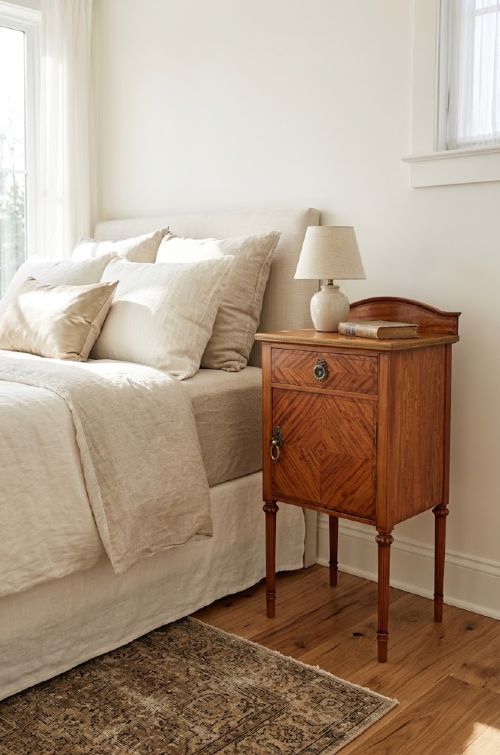
An edwardian side table drawer brings compact utility and refined domestic craft into a room, combining useful storage with period presence.
Edwardian Side Table Drawer
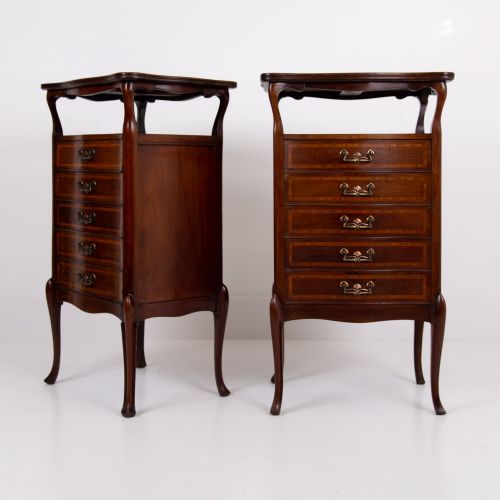
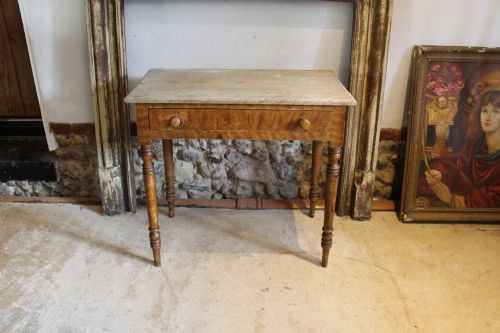
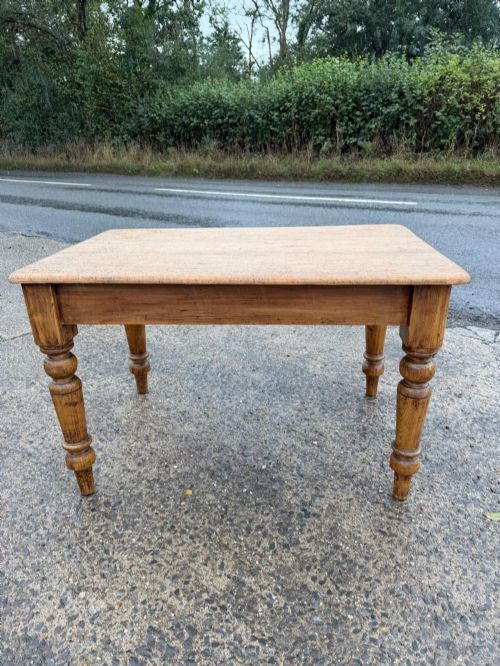
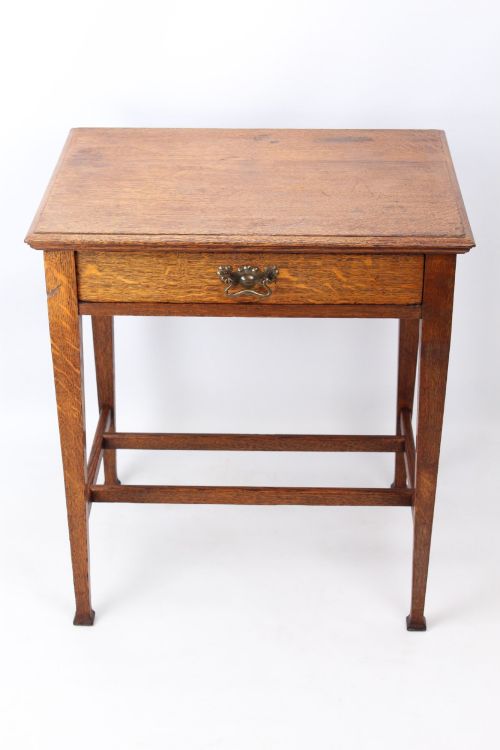
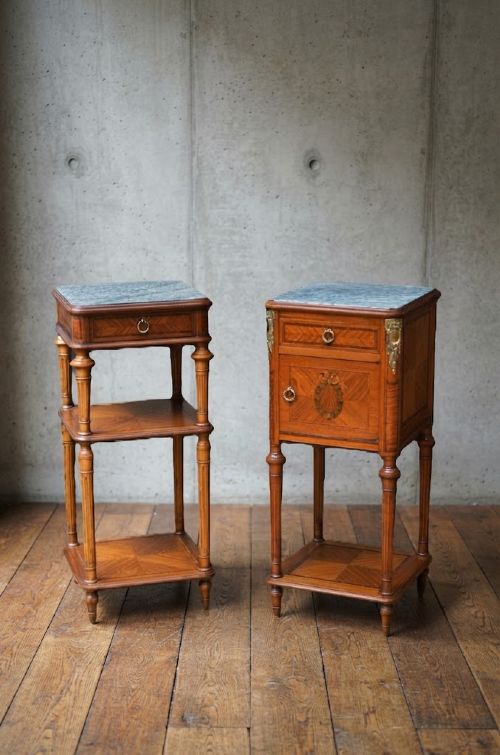
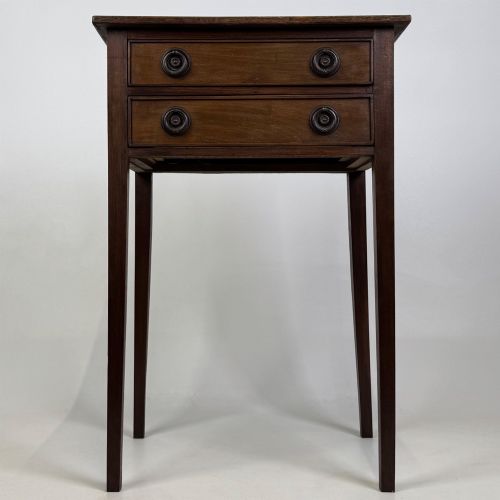
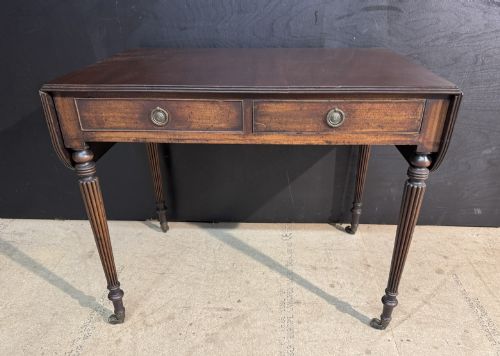
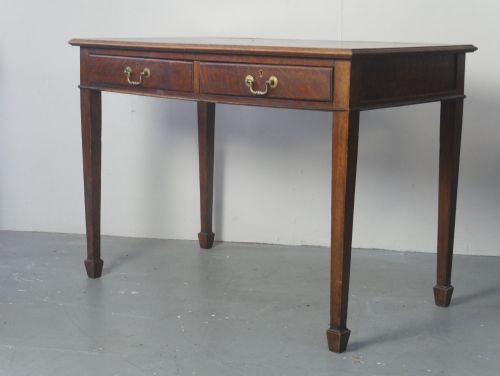
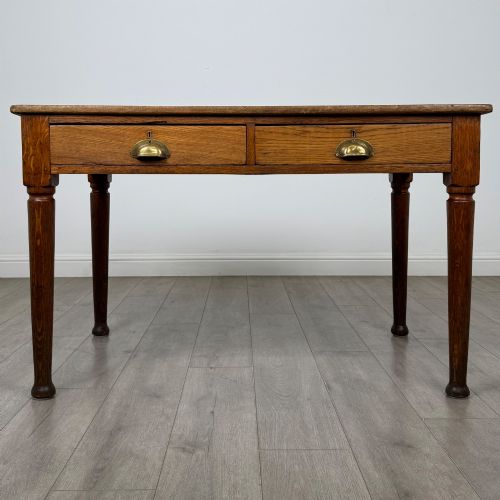
When searching for an edwardian side table drawer, buyers encounter pieces primarily from the Edwardian and Victorian eras, alongside related nineteenth and twentieth-century examples. These items range from bedside cabinets and console tables to compact writing desks and sofa tables, each featuring integrated frieze drawers for practical storage.
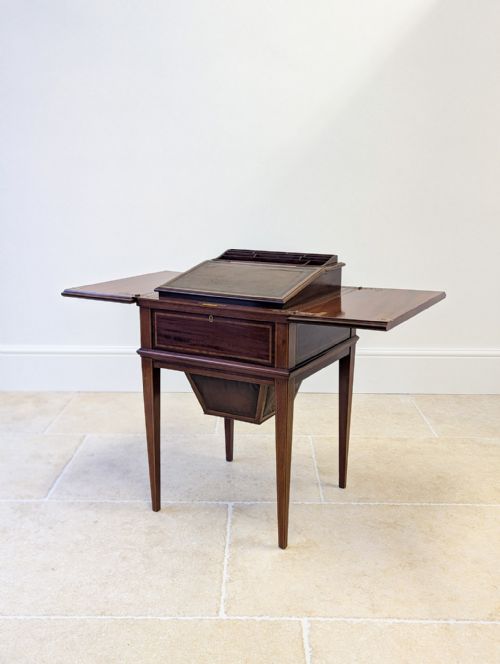
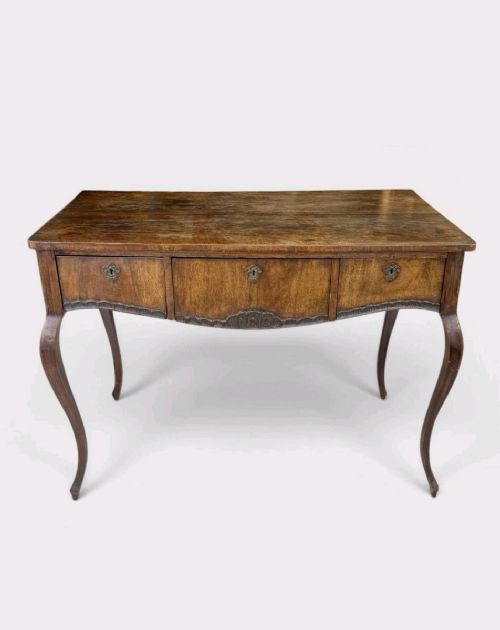
The Edwardian iterations frequently display inlaid mahogany, satinwood, or figured walnut, while earlier Victorian pieces tend towards heavier oak, pine, or plain mahogany. Forms vary from simple single-drawer drop-leaf tables to serpentine multi-drawer serving consoles and metamorphic writing desks.
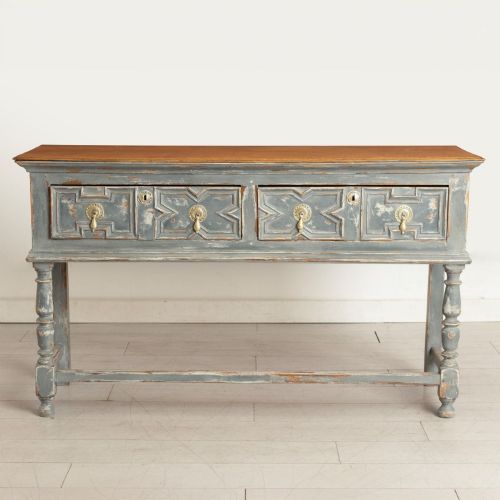
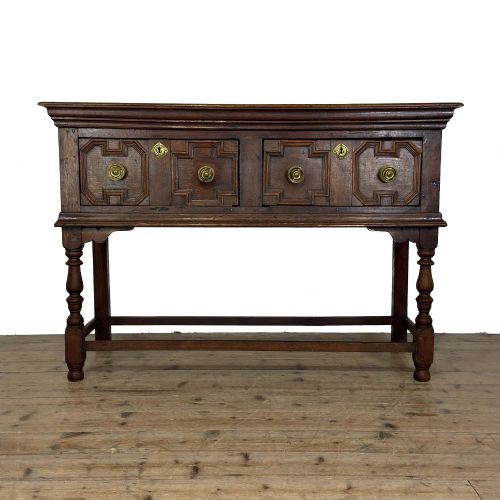
Alongside standard domestic tables, the selection includes pieces executed in regional styles such as Jacobean Revival and Arts and Crafts. This variety ensures that whether a room requires a slender hallway console or a bedside cupboard, a suitable form appears within the period scope.
Materials and construction
Cabinetmakers relied heavily on mahogany, oak, and walnut as primary timbers, often enhanced by satinwood veneers, brass hardware, and occasional leather writing inserts. Construction methods combined solid timber carcases with fine drawer dovetailing and delicate stringing or marquetry inlay.
Surface treatments ranged from polished French polishes highlighting figured wood grain to painted scumble finishes on pine. Structural details such as bamboo-turned legs, tapering supports, and brass castors appear frequently across the surviving items.
Qualities of distinction
Distinction in these tables rests upon the selection of timber veneers, the precision of cabinet joinery, and the integrity of decorative inlays. Figured mahogany, burr walnut, and matched satinwood indicate a higher grade of manufacture than plain utility pine or standard oak.
Subtleties such as hand-cut drawer dovetails, original brass hardware, and balanced proportions elevate certain examples above standard production pieces. The presence of sophisticated mechanisms, such as metamorphic writing surfaces or clever internal compartments, further separates superior pieces from basic side tables.
Gillows·Beresford and Hicks·Edwards and Roberts·Hubert Simpson of Kendal
The Edwardian Side Table Drawer Glossary
- Frieze drawer
- A drawer fitted immediately below the top surface within the structural frame of a table. This feature provides concealed storage while maintaining clean exterior lines.
- Satinwood
- A lustrous, yellowish timber native to Ceylon and India, highly prized for fine cabinetmaking and decorative veneer work. It reflects light brightly and contrasts well with darker woods.
- Marquetry
- The art of applying pieces of veneer to a structure to form decorative patterns and pictures. Craftsmen utilised various tinted woods to achieve detailed floral or geometric motifs.
- Metamorphic
- Describing furniture designed to transform from one form into another, such as a side table concealing a writing desk. These pieces utilised clever folding or sliding mechanisms.
- Serpentine
- A curved shape characterised by a convex centre flanked by concave ends, creating an undulating front profile. This contour requires skilled woodworking to execute cleanly.
Edwardian Side Table Drawer: Frequently Asked Questions
How do I distinguish Edwardian tables from Victorian ones?
Edwardian tables generally feature lighter timbers, delicate inlaid stringing, and slender tapered legs influenced by Sheraton Revival designs. In contrast, Victorian equivalents often utilise heavier solid mahogany or oak with simpler turned supports.
Furthermore, Edwardian examples lean towards decorative refinement and compact proportions, whereas Victorian pieces frequently emphasise robust construction and utilitarian function.
Were these tables used only as bedside storage?
While many examples serve as bedside cabinets or cupboards, the category encompasses diverse forms designed for various rooms. Numerous pieces function as hallway console tables, writing desks, sofa tables, or games tables.
The inclusion of a drawer made them versatile additions to drawing rooms, studies, and bedrooms alike.
What maintenance do polished wood surfaces require?
Maintaining these surfaces involves keeping them away from direct sunlight and excessive moisture to protect the timber and polish. Regular dusting with a soft, dry cloth preserves the finish without harming the grain.
Occasional application of appropriate wax polish helps nourish older wood and maintains its natural lustre.
How do I identify a metamorphic writing table?
Metamorphic tables incorporate hidden hinges, pull-out surfaces, or folding leaves that reveal writing slopes, baize-lined compartments, or inkwell spaces. Operating these pieces requires checking for concealed latches or sliding supports.
They offer dual functionality without expanding the physical footprint of a standard side table.