

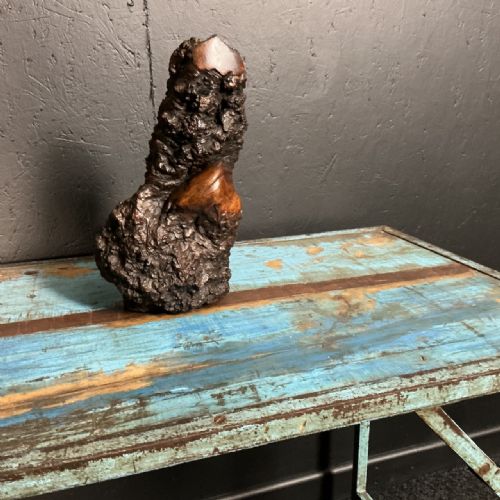


Antique Wooden Shop Counter
An antique wooden shop counter brings enduring commercial character into a modern interior, offering solid timber construction and practical display space.
Antique Wooden Shop Counter
An antique wooden shop counter encompasses substantial retail fittings and smaller display units designed for trade use during the nineteenth and early twentieth centuries. Buyers seeking an antique wooden shop counter encounter heavy timber fixtures, glass-topped display cases, and banks of drawers originally utilised in drapers, chemists, and general stores.
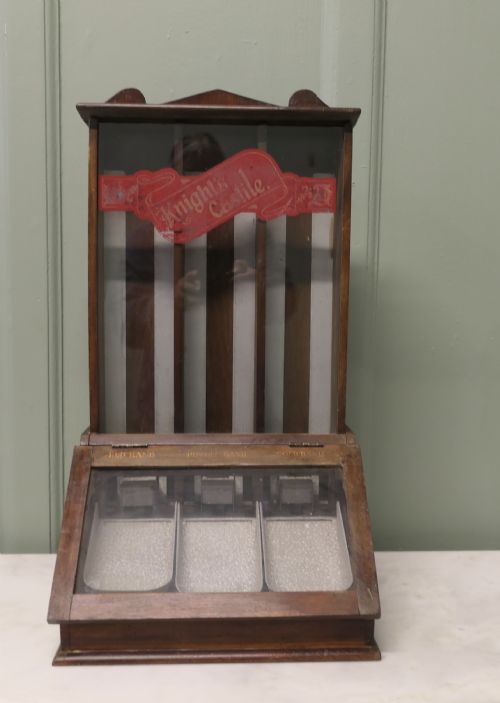
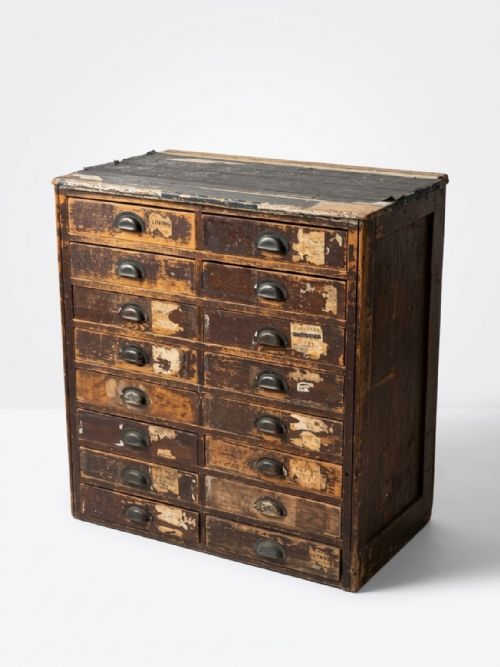
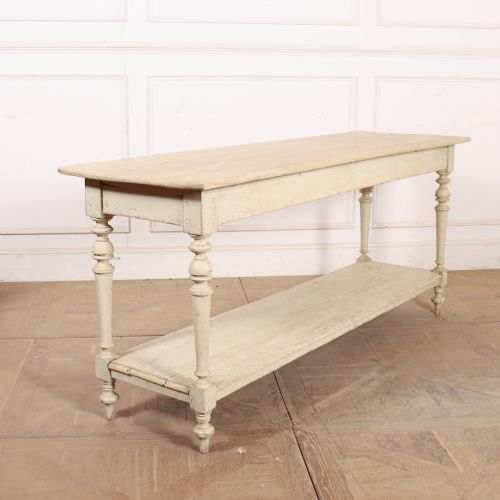
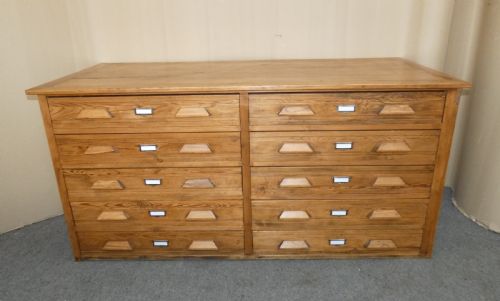
The selections available range from robust French panelled oak and pine drapers tables to Victorian mahogany countertop cases and oak commercial units. These pieces reflect the functional demands of historic retail environments, featuring glazed panels, brass framing, and multi-drawer configurations suited for organising merchandise.
Originating predominantly from the Victorian era through the early twentieth century, these counters and ancillary shop fittings utilise hardwoods and softwoods finished with paint, polish, or natural grain. Their survival from commercial premises provides homes and businesses with functional furniture possessing authentic working provenance.
Materials and construction methods
Makers utilised durable timbers such as oak, mahogany, walnut, and pine to withstand the heavy daily demands of Victorian and early twentieth-century retail trade. These woods were frequently polished, painted, or left in their natural state depending on the intended aesthetic of the shop interior.
Glazing and metalwork played a crucial structural and decorative role, incorporating glass panes for tabletop display cabinets alongside brass and bronze framing. Joinery techniques ensured sturdy housing for numerous drawers, sliding doors, and hinged compartments designed for secure merchandise storage.
The inventory includes specialised haberdashery drawers, drapers tables, and brass-framed display counters.
Assessing quality in commercial antiques
Quality in these commercial pieces rests on the integrity of the timber framing, the original state of the glazing, and the retention of period hardware such as brass handles and pulls. Finer examples display meticulous joinery in multi-drawer banks and intact glass panels that have survived decades of retail use.
The presence of original manufacturer details, specialised counter-top hardware, or authentic paint finishes elevates the standing of a piece. Conversely, heavy alterations or replacement elements diminish the historical coherence of the fitting.
G H Gledhill Halifax·Saml Elliott And Sons
The Antique Wooden Shop Counter Glossary
- Drapers table
- A long wooden table historically used in fabric shops for measuring and displaying textiles. They often feature lower shelves or multiple drawers beneath the primary work surface.
- Bank of drawers
- A multi-drawer storage unit designed for systematic organisation of small merchandise such as threads, buttons, or apothecary items. These pieces showcase numerous small compartments rather than large open spaces.
- Countertop display cabinet
- A glazed wooden case positioned on top of a larger shop counter to showcase high-value or delicate goods securely to customers. They typically incorporate hinged rear doors for staff access.
- Haberdashery cabinet
- A specialised retail fixture featuring shallow drawers, frequently with glass fronts, utilised for selling sewing materials and small haberdashery items. Collectors prize their compartmentalised interiors.
- Treen
- Small handmade wooden household objects and utility items turned on a lathe. Examples include string holders and dispensers found alongside larger shop fittings.
Antique Wooden Shop Counter: Frequently Asked Questions
What were antique shop counters used for?
These counters served as the central workspace and transaction point in nineteenth and early twentieth-century retail establishments. Merchants utilised them to weigh goods, wrap parcels, and converse with customers.
Beneath the surface, integrated drawers and shelving held stock, tools, and packaging materials. Countertop display cases additionally protected delicate items while keeping them visible to buyers.
How do I style a shop counter at home?
An antique shop counter provides a substantial focal point in a domestic kitchen, hallway, or living space. The generous top surface functions well for food preparation, serving, or displaying collections.
Utilising the lower shelves, cupboards, or banks of drawers allows for practical storage of everyday items. Their robust construction ensures they handle modern domestic use just as well as historic trade.
How do I date a wooden shop counter?
Dating relies on examining the timber species, construction techniques, hardware, and overall architectural style of the piece. Victorian examples often feature solid mahogany or pine with hand-cut joinery and heavy brass pulls.
Early twentieth-century pieces incorporate different styling, such as Art Deco influences or metal framing. Associated advertising lettering, patent plaques, or maker marks further clarify the period of manufacture.
What is the difference between a drapers table and a counter?
A drapers table is typically an open wooden table featuring a wide top and lower bracing or shelving, designed for folding and measuring cloth. They allow customers to view fabrics from multiple angles.
A shop counter is generally a heavier, enclosed structure incorporating internal storage, drawers, and sometimes a raised back or glazed display top. Counters functioned as physical barriers between the shopkeeper and the public.