





Antique Wooden Server Unit
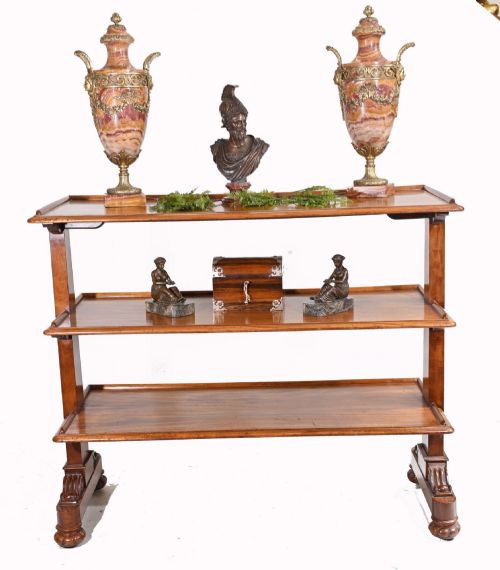
These antique wooden server unit examples are practical dining room and entertaining pieces built to serve food, hold glassware, and organise tableware.
Antique Wooden Server Unit
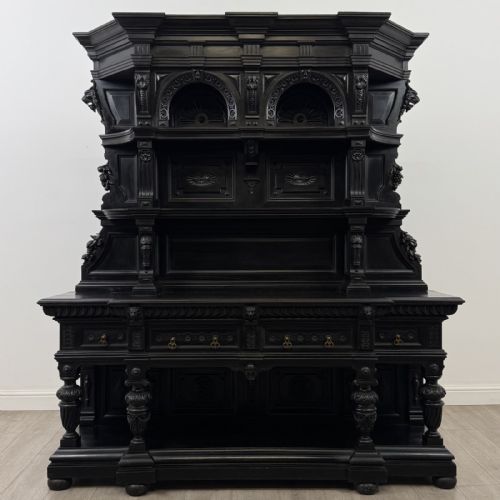
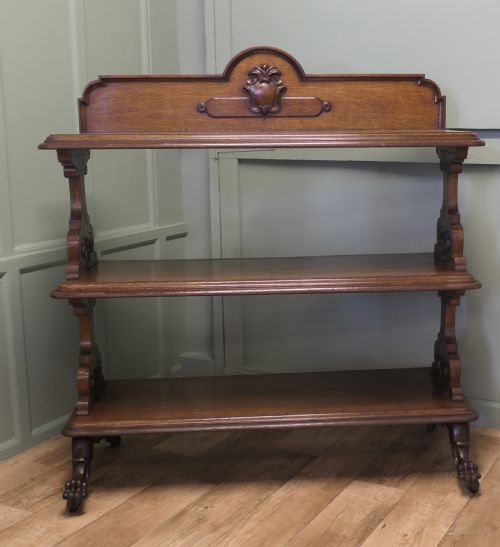
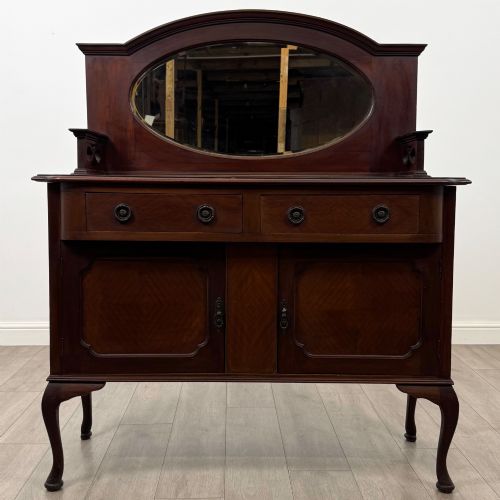
When searching for an antique wooden server unit, buyers encounter a variety of forms designed for food preparation and storage in dining spaces. The inventory includes sideboards, buffets, server units, side cabinets, and washstands spanning the nineteenth and twentieth centuries.
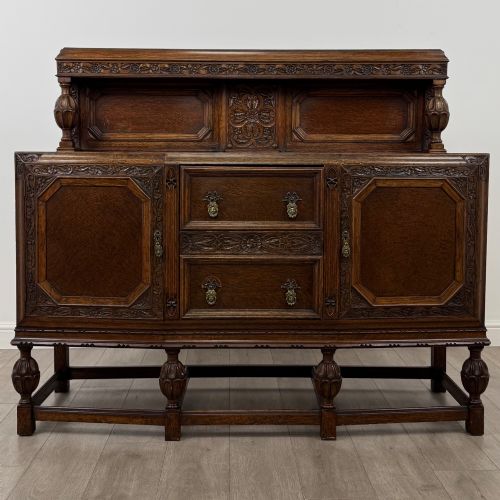
The pieces on this page originate from periods such as the Victorian and Edwardian eras, alongside specific dates like 1860 and 1900. Styles range from plain utilitarian designs to Jacobean Revival, Arts and Crafts, and Victorian Country aesthetics.
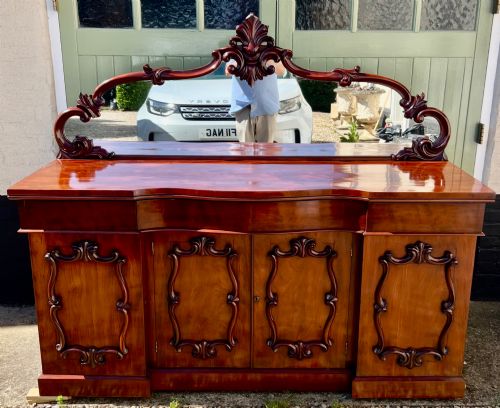
Mahogany and oak dominate the construction materials, accompanied by walnut and pine. Additional functional elements include brass hardware, glass panels, mirror backs, and marble surfaces.
Materials and construction methods
Cabinetmakers utilised dense hardwoods like mahogany and oak to build durable frames capable of supporting heavy loads of china and silver. Walnut and pine also appear across various regional workshops and utility pieces.
Decoration relies on carved woodwork, particularly within the Victorian and Jacobean Revival traditions. Functional fittings incorporate brass handles, castors for mobility, glass doors, and inset marble tops.
Antique Wooden Server Unit Retail Price Guide 2026
Typical asking prices for wooden server unit among the pieces listed under this phrase on Sellingantiques today, from the lower quarter to the upper quarter. They describe what is for sale here now, not the wider market.
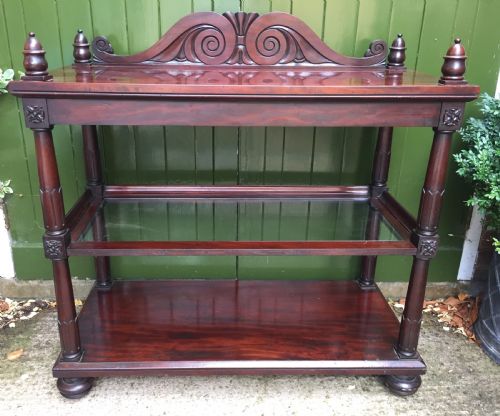
One listed Victorian buffet arrives fitted with original castors, ready to roll the gin across the floorboards.
Assessing quality and craftsmanship
The standard of carving and timber selection determines the hierarchy of these items. Pieces featuring dense, well-figured mahogany or richly grained oak sit above plain utility variants.
The Antique Wooden Server Unit Glossary
- Buffet
- A piece of dining room furniture designed for holding food and tableware. These often feature tiers, cupboards, or drawers.
- Sideboard
- A long piece of furniture placed against a wall in a dining room to store crockery and serve meals.
- Etagere
- A piece of furniture consisting of a set of open shelves for displaying small objects or serving items. This form appears in nineteenth-century designs.
- Castor
- A small wheel fitted to the legs of furniture to allow easy movement across the floor. Original brass castors indicate period authenticity.
Antique Wooden Server Unit: Frequently Asked Questions
What is an antique wooden server unit used for?
These pieces function primarily in dining rooms and living spaces for storing tableware, linens, and serving food.
They also provide display surfaces for glassware and decorative items during meals and gatherings.
How do I date an antique wooden server unit?
Dating relies on identifying the primary wood species, construction techniques, and stylistic markers associated with specific periods.
Victorian and Edwardian pieces often display distinct carving patterns, hardware styles, and structural proportions that signal their era of manufacture.
What woods were used for these units?
Cabinetmakers predominantly worked with mahogany and oak throughout the nineteenth and early twentieth centuries.
Walnut and pine appear in specific regional pieces, while auxiliary materials like brass, glass, and marble enhance the primary wooden structure.
Are these units suitable for modern homes?
The diverse forms, ranging from compact side cabinets to multi-tiered buffets, fit easily into contemporary dining rooms and kitchens.
Their sturdy wooden construction and ample storage capacity offer practical utility alongside period character.