









Antique Wooden Sailing Boat
An antique wooden sailing boat brings the heritage of maritime craft directly into a room, offering tangible scale models and pond yachts.
Antique Wooden Sailing Boat
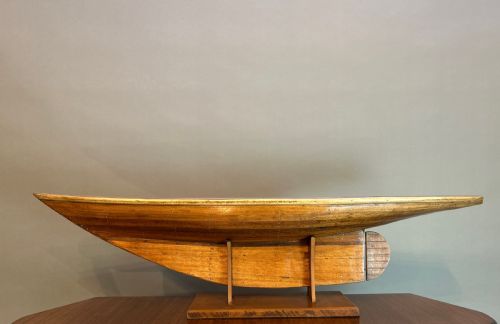
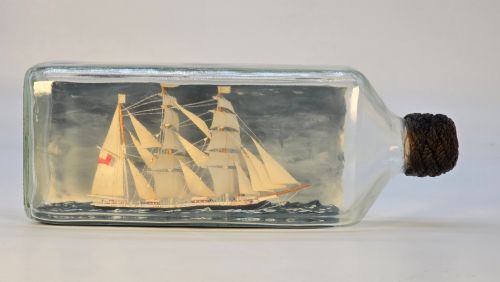
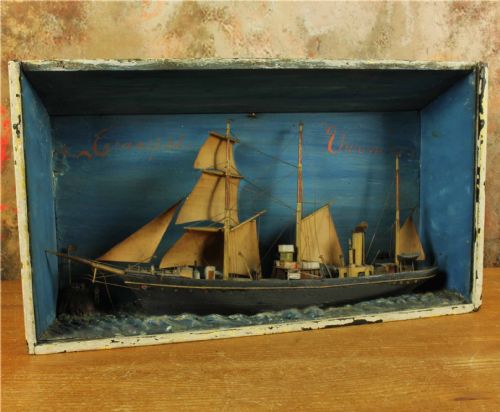
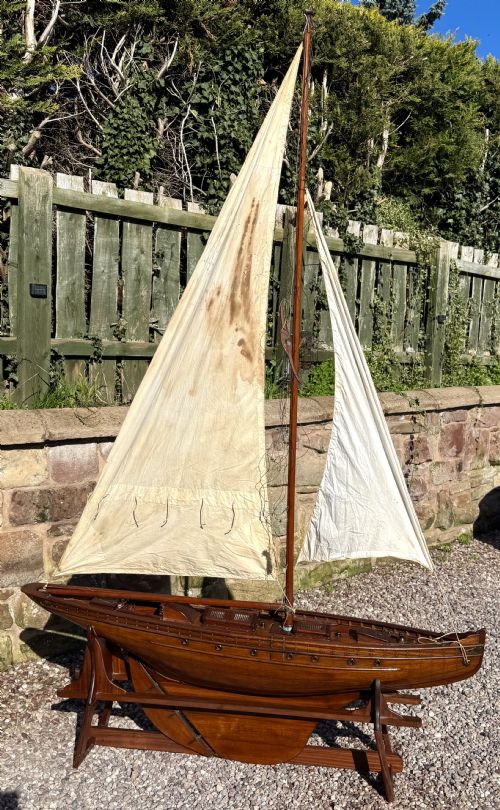
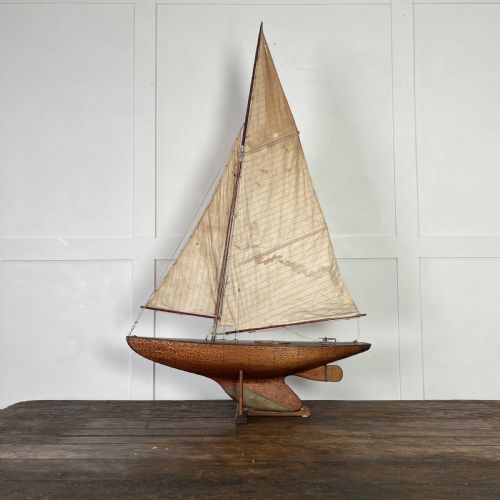
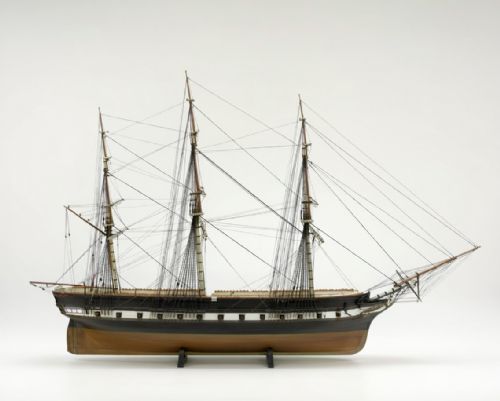
An antique wooden sailing boat encompasses scratch-built pond yachts, scale models, and cased dioramas spanning from the nineteenth century into the 1930s. Buyers frequently encounter large pond yachts with fitted stands alongside detailed ship models housed in bottles or wooden boxes.
The selection ranges from utilitarian nineteenth-century training models and ketch-rigged pond yachts to maritime folk art and decorative wall art. Victorian and Edwardian examples dominate the selection, often retaining their original painted finishes and cordage.
Originating from British and European workshops, these pieces include specific named vessels such as the Glynllifon and HMS Daedalus. Each object reflects historical maritime interests, whether designed for competitive pond racing or intricate display.
Materials and construction methods
Carvel hull construction forms the structural basis of larger pond yachts, utilising shaped wooden planks fixed over ribs. Smaller models and dioramas employ carved solid wood for hull bodies, paired with metal and brass components for structural fittings.
Rigging incorporates threaded cordage and fabric canvas to replicate actual sailing vessels of the period. Paint finishes and glass enclosures protect delicate internal elements, particularly within shadow box dioramas and bottled ship assemblies.
Antique Wooden Sailing Boat Retail Price Guide 2026
Typical asking prices for wooden sailing boat among the pieces listed under this phrase on Sellingantiques today, from the lower quarter to the upper quarter. They describe what is for sale here now, not the wider market.
Object forms on this page include pond yachts, scale models, ship dioramas in bottles, and maritime folk art.
Assessing craftsmanship and condition
Quality rests in the precision of the scale work and the complexity of the rigging, distinguishing basic decorative objects from high-grade scratch-built models. Scratch-built examples display individual craftsmanship in deck fittings and hull shaping rather than mass-produced uniformity.
The survival of original painted surfaces, intact canvas sails, and contemporary glass display cases dictates the desirability of a piece. Structural integrity in the wooden hull and complete original cordage preserve the historical authenticity of the model.
The Antique Wooden Sailing Boat Glossary
- Carvel hull
- A method of boat construction where hull planks are laid edge-to-edge flush against each other, creating a smooth exterior surface. This technique appears on nineteenth-century pond yachts.
- Ketch-rigged
- A two-masted sailing vessel configuration where the smaller mizzenmast is stepped forward of the rudder post. This rigging style is seen on scratch-built pond yachts from the late nineteenth century.
- Diorama
- A three-dimensional scene depicting a ship within a framed box or bottle, often incorporating painted coastal backgrounds. These objects combine carved wood with canvas and thread.
- Pond yacht
- A model sailing boat designed for recreational or competitive sailing on park ponds. These wooden vessels date primarily from the Victorian and Edwardian eras.
- Scratch-built
- A model constructed entirely from raw materials and plans rather than from a commercial kit. Such pieces demonstrate the individual builder's skill.
Antique Wooden Sailing Boat: Frequently Asked Questions
How do I display a large pond yacht?
Large pond yachts require sturdy floor stands or dedicated console tables to support their substantial weight and height. Positioning them away from direct sunlight protects the historical wooden hulls and painted surfaces from fading.
Ensuring adequate clearance around the masts and rigging prevents accidental damage in domestic settings. Many Victorian and Edwardian examples come with custom stands designed specifically for this purpose.
Were these boats used for actual sailing?
Pond yachts were specifically built for sailing on open water, functioning as working toys or racing models for enthusiasts. Owners adjusted the rudders and sails by hand before launching them across park lakes.
Training models served a different educational purpose for maritime instruction rather than recreation. Over time, functional sailing models transitioned into purely decorative objects for interior display.
How do I identify a Victorian model?
Victorian models typically display characteristic construction techniques, such as heavy solid wood hulls, hand-stitched canvas sails, and natural fibre cordage. The joinery and paint finishes reflect nineteenth-century workshop practices.
Stylistic cues in the hull shape and deck hardware help narrow down the period alongside accompanying documentation. Pieces from this era often exhibit a heavier build quality compared to later twentieth-century iterations.
What is a ship in a bottle diorama?
A ship in a bottle diorama contains a fully rigged miniature vessel assembled inside a glass container through the narrow neck. Makers used hinged masts and collapsible rigging threads to pass the model through the opening before raising it upright.
These pieces often include painted sea elements made from putty or fabric to simulate waves. English and European examples from the early nineteenth century onwards demonstrate high levels of patience and dexterity.