





Vintage Nautical Collectable
A vintage nautical collectable brings maritime history into your home through authentic items like brass instruments, model ships, and divers helmets.
Vintage Nautical Collectable
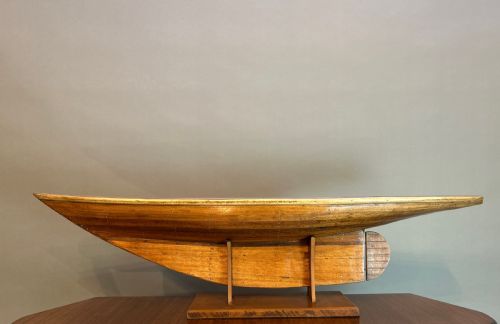
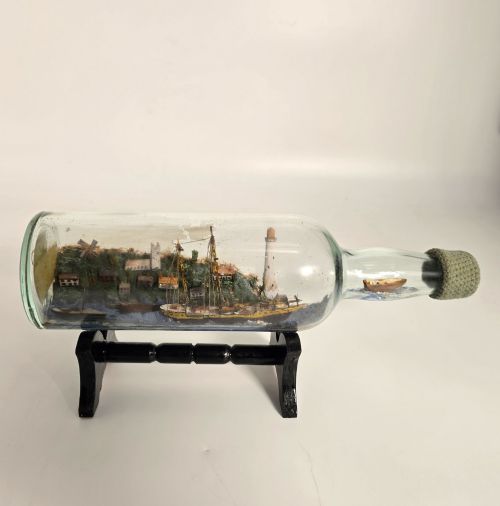
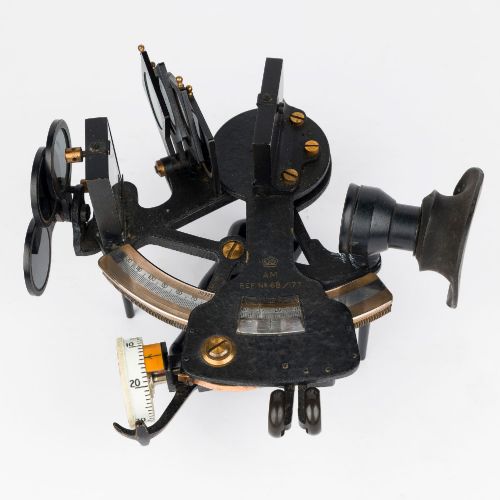
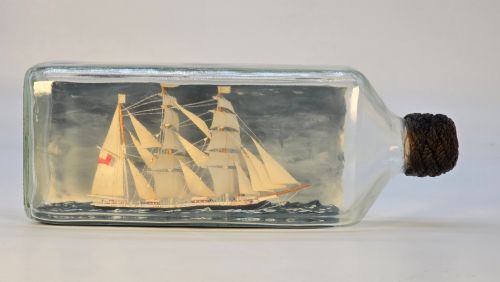
A vintage nautical collectable encompasses maritime objects that span from the early Victorian era through to the middle of the twentieth century. When exploring this selection, buyers encounter functional scientific instruments, scratch-built model boats, and intricate ship dioramas enclosed in glass bottles.
The objects derive from various traditions, ranging from professional naval equipment to civilian maritime folk art. You will find pieces reflecting styles such as Victorian Maritime, Industrial Maritime, and Maritime Folk Art across these listings.
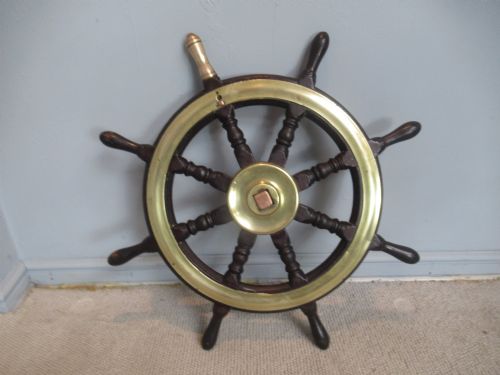
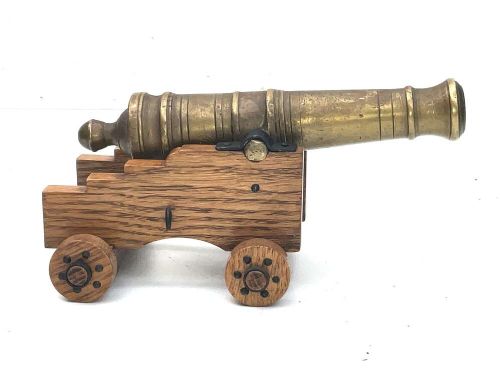
Forms include large timber ship wheels, brass signal cannons, and pocket watches painted with maritime scenes. Each item originates from a distinct period of maritime heritage, covering the nineteenth and twentieth centuries.
How they were made
Makers constructed these items utilising durable materials suited to maritime environments, principally brass, copper, hardwood, and glass. Artisans combined cast metal components with turned wooden elements to achieve both decorative finish and mechanical function.
Model makers and folk artists employed traditional hand-working techniques, utilising wood, paint, putty, and bone to construct detailed miniatures and scratch-built sailing vessels. Scientific instruments and diving equipment required precision engineering in metal, often featuring signed brass plates and glass lenses.
Vintage Nautical Collectable Retail Price Guide 2026
Typical asking prices for vintage nautical collectable among the pieces listed under this phrase on Sellingantiques today, from the lower quarter to the upper quarter. They describe what is for sale here now, not the wider market.
Sailors carved bone walking sticks during long voyages at sea, turning mundane materials into objects of intricate maritime folk art.
What varies in quality
The degree of craftsmanship distinguishes simpler decorative items from master-built scale models and professional scientific apparatus. Fine hand-carved details, intricate rigging on model ships, and precise engineering in instruments elevate certain pieces.
Condition and originality play a significant part in the character of each object, particularly when items retain their original untouched surfaces, patination, and maker markings. The complexity of the construction, such as multi-masted models within bottles or heavy brass fittings, reflects the skill invested by the original maker.
Hughes & Son·Siebe Gorman·René Lalique
The Vintage Nautical Collectable Glossary
- Diorama
- A three-dimensional scene enclosed within a case or bottle, often depicting a sailing ship at sea. These displays utilise painted backgrounds and miniature rigging to create depth.
- Fid
- A conical wooden or bone tool used by sailors to splice ropes and open grommets. In maritime collections, these functional items often exhibit smooth patination from use.
- Station pointer
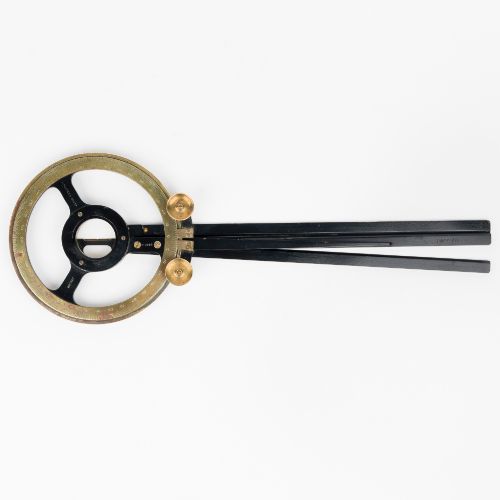
- A navigational instrument utilised to determine a ship's position by measuring angles between visible landmarks. These brass tools feature adjustable arms and vernier scales.
- Signal cannon
- A small artillery piece used on vessels to fire blank charges for signaling or saluting. Collectors prize these brass models for their decorative metalwork and proportions.
- Bobbin turned
- A method of woodturning that creates a series of rounded, spool-like shapes along the length of a spindle. This technique frequently appears on decorative candlesticks and furniture from the maritime period.
Vintage Nautical Collectable: Frequently Asked Questions
What is a ship in a bottle?
A ship in a bottle is a folk art diorama where a miniature sailing vessel is constructed inside a glass bottle. The masts typically fold down to pass through the neck and are raised upright using attached threads once inside.
These pieces were often created by sailors during long voyages using scrap materials. They display intricate rigging and painted backdrops representing the sea.
How do you date a ship model?
Dating a ship model involves examining the materials, construction techniques, and style of the vessel depicted. Hardwood hulls, specific rigging styles, and accompanying documentation help narrow down the period.
Many pieces reflect the shipbuilding technology of the nineteenth or early twentieth centuries. Comparing the model to actual naval architecture of those eras provides a reliable guide.
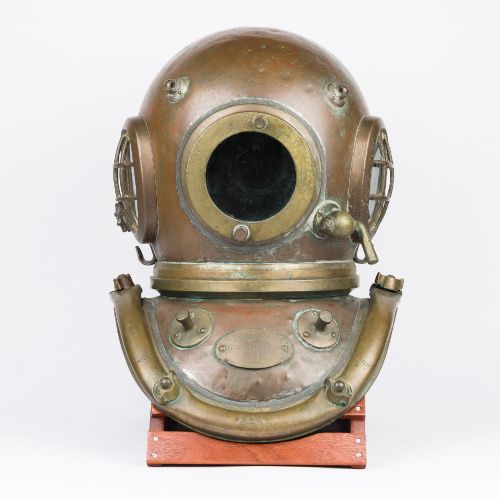
Were brass diving helmets used underwater?
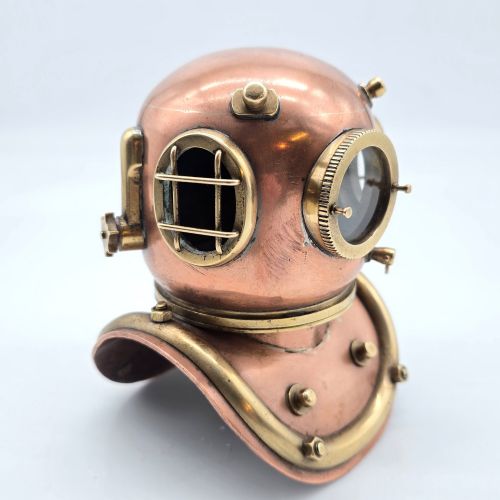
Many brass diving helmets were functional pieces of equipment utilised by professional divers for salvage and inspection work. Manufacturers built them with heavy copper and brass components to withstand deep-water pressure.
Miniature versions were also produced as scale models or display pieces by engineers. Examining the scale, weight, and internal fittings reveals whether a helmet was intended for actual diving.
How should I display a ship wheel?
A ship wheel makes a striking wall-mounted or freestanding decorative object in a room with appropriate clearance. Large timber wheels require secure fixings due to their substantial weight and size.
Placing the wheel away from direct heat sources protects the aged wood and metal fittings from drying out. Untouched surfaces benefit from gentle dusting to preserve their historical patination.