










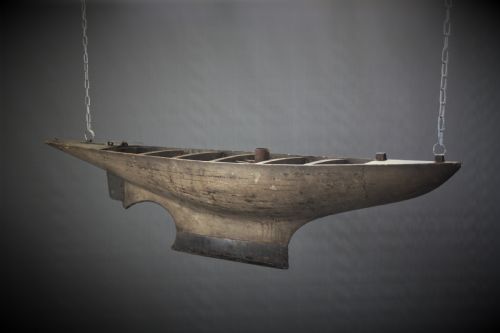
Wooden Model Boat Hull
These wooden model boat hull pieces bring nineteenth-century maritime craft straight into your room, offering genuine naval history scaled for display.
Wooden Model Boat Hull
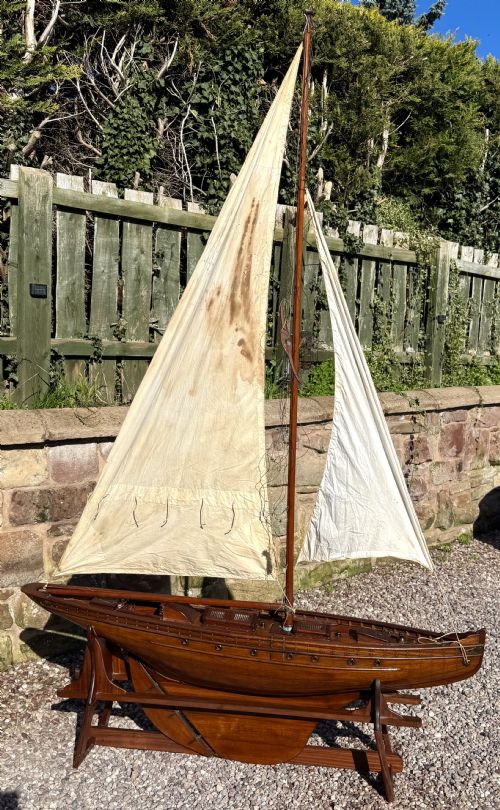
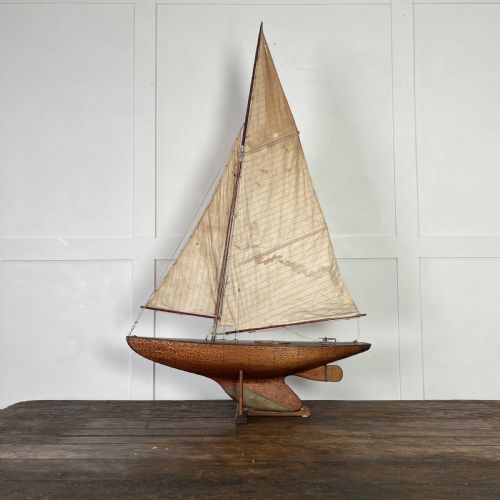
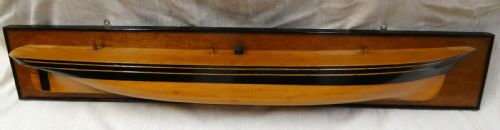
When you search for a wooden model boat hull, you encounter carved nautical objects originating mainly from the Victorian and Edwardian eras. These pieces range from full pond yacht bodies to detailed half models mounted for display.
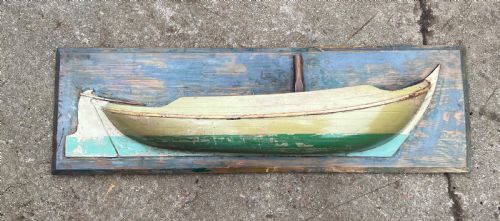
The selection includes folk art interpretations alongside working builder models. These objects capture the maritime industry and leisure sailing of the nineteenth and early twentieth centuries.
Materials and construction
Maker construction relies on traditional timber such as pine, mahogany, sycamore, and general wood. Craftsmen shaped these woods using solid blocks or carvel planking techniques suited to naval architecture.
Surfaces frequently display oil paint or decorative finishes, sometimes complemented by brass fittings and canvas details. Shipbuilders created half hulls to test hydrodynamic forms before full-scale construction began.
Wooden Model Boat Hull Retail Price Guide 2026
Typical asking prices for wooden model boat hull among the pieces listed under this phrase on Sellingantiques today, from the lower quarter to the upper quarter. They describe what is for sale here now, not the wider market.
The listings feature nineteenth-century and Edwardian pieces constructed from pine, mahogany, sycamore, and brass.
Assessing quality
Quality rests upon the precision of the carving and the integrity of the original timber. Pieces that retain their unpolished surface texture and authentic painted decoration hold greater visual presence.
The sophistication of the form, whether a scratch-built ketch-rigged yacht or a documented shipbuilder half model, dictates the historical value. Original stands and early mounting bases also elevate the character of the piece.
The Wooden Model Boat Hull Glossary
- Half model
- A three-dimensional representation of one side of a ship, mounted on a backboard. Shipbuilders used these to visualise hull shapes and calculate displacement before building full vessels.
- Carvel hull
- A method of planking where hull planks are laid edge-to-edge flush with each other. This technique creates a smooth exterior surface across the wooden frame.
- Coble
- A traditional open fishing boat type originating from the North East of England. These craft feature a distinctive flat floor and high bow.
- Ketch-rigged
- A sailing vessel configuration featuring two masts where the smaller mizzenmast steps forward of the rudder post. This rigging style balances the sail plan effectively.
Wooden Model Boat Hull: Frequently Asked Questions
What is a shipbuilder half model?
A shipbuilder half model is a precision-carved wooden representation of one side of a vessel. Shipwrights utilised these objects to test hull designs and refine waterlines prior to full-scale construction.
Over time, these functional workshop tools transitioned into decorative display items valued for their sculptural lines and maritime heritage.
How do I date a pond yacht hull?
Dating relies on construction methods, timber types, and associated hardware like brass fittings. Victorian and Edwardian examples often display hand-carved solid wooden bodies with early oil paint.
Changes in rigging styles and deck hardware also provide clues to the manufacturing decade, typically spanning from the late nineteenth century into the nineteen-thirties.
Where should I display a large hull?
Large hulls require stable placement on sturdy shelving, mantelpieces, or dedicated floor stands given their substantial timber weight. Many pieces come with original stands or marble bases designed for secure exhibition.
Positioning them away from direct heat sources and strong sunlight protects the aged wood and preserves original painted surfaces.
Are these hulls waterproof?
These historical wooden objects function primarily as decorative art rather than working pond toys. The aged timber, vintage paint layers, and delicate fittings require careful handling rather than exposure to water.
Maintaining them in dry indoor environments ensures the preservation of the original materials and historical patination.