





Timber Boat Model
A timber boat model captures the ingenuity of maritime craft, offering tangible maritime history through carved hulls, pond yachts and detailed dioramas.
Timber Boat Model
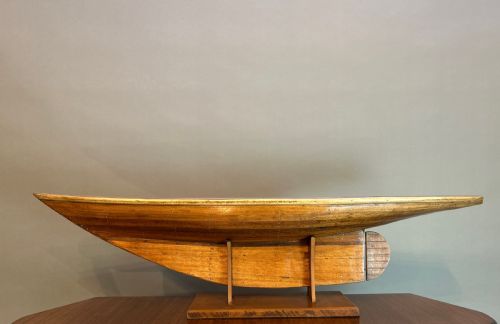
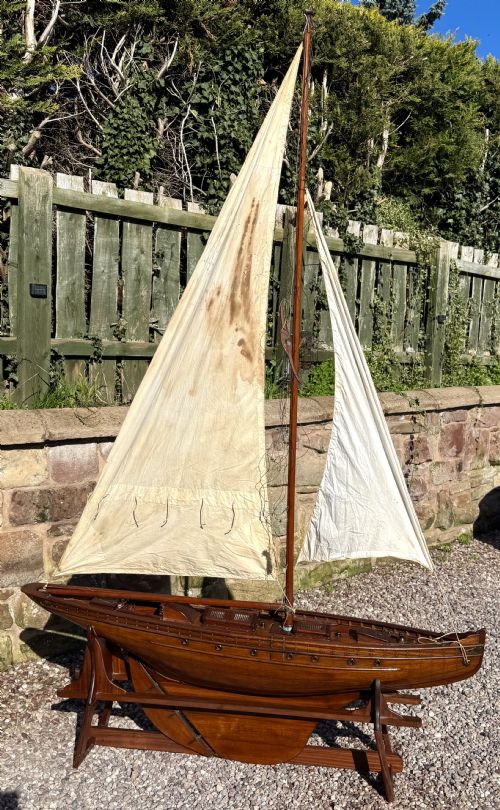
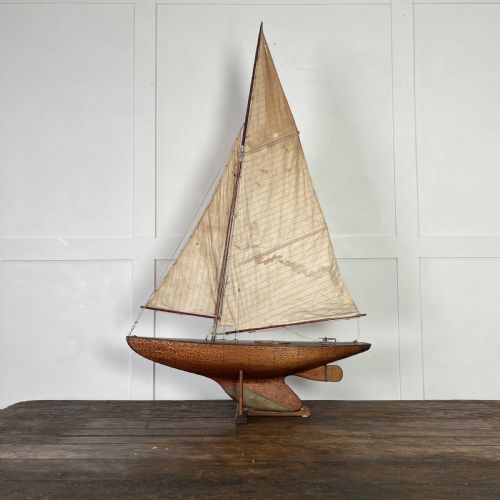
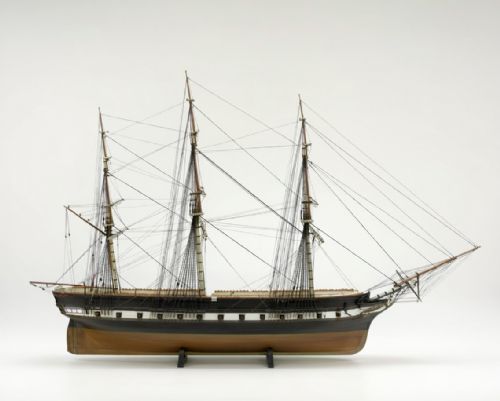
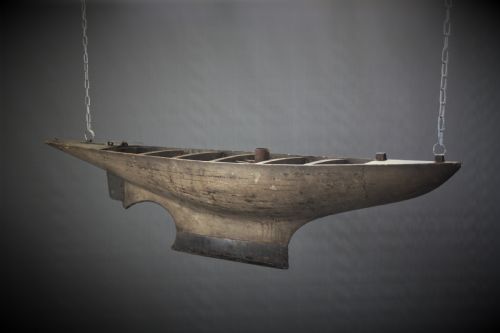
When you search for a timber boat model, you encounter a variety of maritime objects ranging from pond yachts to ship builders half hull models. These pieces span the nineteenth century through the early twentieth century, reflecting the working vessels and leisure craft of their respective eras.
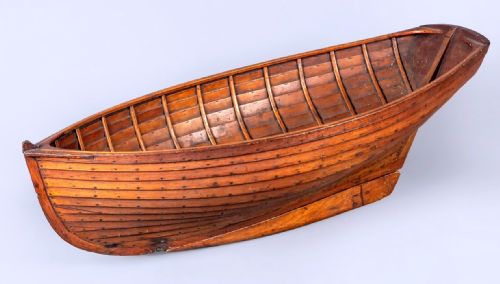
The selections available here showcase significant stylistic range, including folk art interpretations, scratch built vessels, and precise training models. Many utilise traditional timber construction alongside painted details and brass fittings.
You are most likely to meet pond yachts and half hull models on this page, representing both recreational sailing history and shipyard design practices. These items capture the practical utility and decorative appeal of maritime antiques.
How they were made
Makers utilised solid timbers such as mahogany and pine, shaping hulls by hand to capture the hydrodynamic lines of real vessels. Many pieces employ scratch built construction techniques, assembling intricate decks, masts, and hulls from raw materials.
Surfaces frequently receive layers of oil paint or traditional finishes to depict water, hulls, and architectural backdrops. Metal components, including brass fixtures and fittings, add functional detail to both dioramas and sailing models.
Timber Boat Model Retail Price Guide 2026
Typical asking prices for timber boat model among the pieces listed under this phrase on Sellingantiques today, from the lower quarter to the upper quarter. They describe what is for sale here now, not the wider market.
Listings feature items spanning the Victorian, Edwardian, and early twentieth century periods, constructed from pine, mahogany, and oil paint.
What varies in quality
The fidelity of the carved hull and the precision of the rigging distinguish standard decorative items from sophisticated builder models and training pieces. Finer examples exhibit careful attention to scale and proportion, reflecting the actual naval architecture of ships like HMS Daedalus.
Surface preservation and the integration of original painted elements, such as coastal landscapes or castle backgrounds, influence the visual impact of folk art pieces. The presence of original stands and associated hardware further separates ordinary items from more complete survivals.
The Timber Boat Model Glossary
- Half hull model
- A three-dimensional representation of one side of a ship, traditionally used by shipbuilders to visualise hull forms before full-scale construction. These are often mounted on boards for display.
- Pond yacht
- A toy or hobby sailing boat designed to be sailed on a pond, relying on natural wind and self-steering rigs rather than remote control. They range from small vessels to massive examples standing nearly eight feet high with stands.
- Scratch built
- A model constructed entirely from raw materials and components made by the maker, rather than assembled from a commercial kit or pre-fabricated parts.
- Maritime diorama
- A three-dimensional scene enclosed within a frame or case, depicting a ship at sea or near a coastal landmark using painted backgrounds and carved elements.
- Training model
- A detailed representation utilised for instruction in naval architecture, navigation, or seamanship, often recording specific historical vessels.
Timber Boat Model: Frequently Asked Questions
How were half hull models used?
Shipbuilders utilised half hull models to test and refine the hydrodynamic design of vessels before committing timber to full-scale construction. By mirroring one side of the ship, designers could easily visualize proportions and hull curves.
Over time, these functional workshop tools transitioned into decorative objects and commemorative pieces displayed in maritime offices and homes.
How do I display a large pond yacht?
Displaying a large pond yacht requires a stable, custom-built stand to support the weight of the wooden hull and keel safely. Positioning the vessel away from direct sunlight and dramatic temperature fluctuations protects the timber and painted surfaces.
Many collectors place these substantial models on sturdy console tables or dedicated floor plinths where the full scale of the rigging remains visible.
What distinguishes folk art models?
Folk art boat models reflect the personal interpretation and resourcefulness of makers working outside formal naval drafting rooms. These pieces frequently incorporate charming painted backgrounds, such as coastal castles or maritime ports.
Their construction highlights individual craftsmanship, utilising available timber and paint to capture the essence of local working vessels like cobles and trawlers.