




Antique Wooden Safe Box
An antique wooden safe box secures valuables behind sturdy timber and iron bands, offering a tangible piece of functional history for the home.
Antique Wooden Safe Box
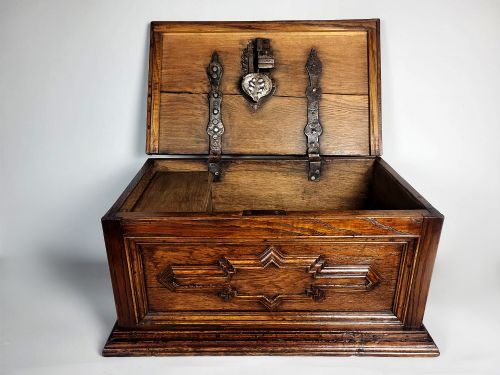
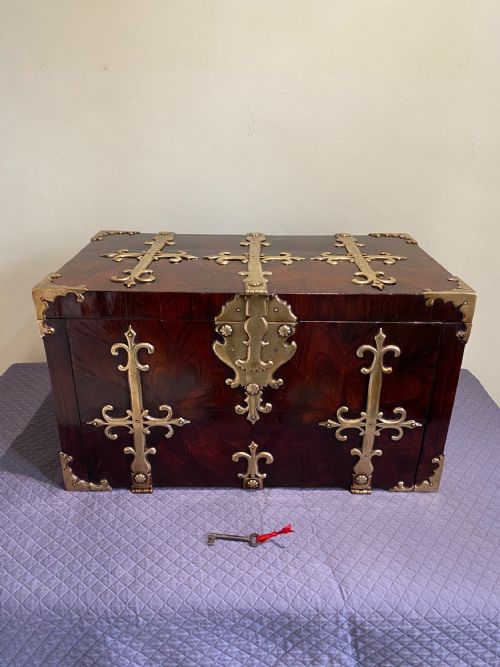
The antique wooden safe box category encompasses heavily reinforced chests, iron bound strongboxes, and disguised book safes originating from the seventeenth century through to the Edwardian period. Buyers encounter robust oak storage trunks, walnut coffre forts, and key cabinets that served domestic and commercial security needs in earlier centuries.
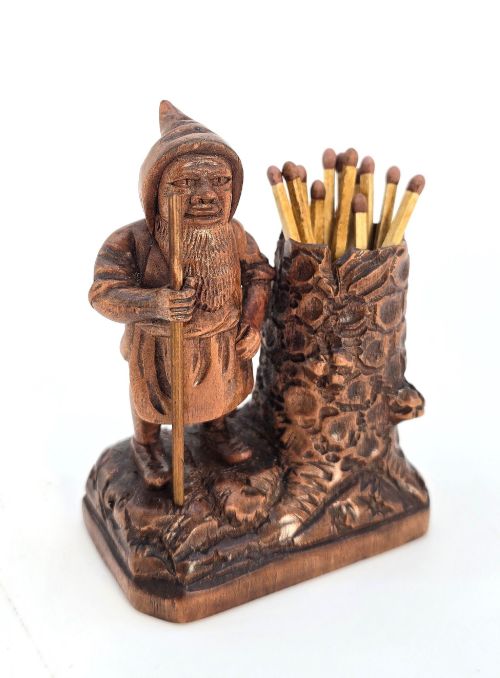
The selection ranges from early Charles II oak boxes fitted with complex steel locks to later mahogany and kingwood examples. Domestic items such as jewellery boxes and match holders also appear alongside larger silver chests and wall mounted cabinets.
Materials and construction
Craftsmen built these pieces primarily using dense timbers such as oak, walnut, mahogany, and kingwood, often applying oyster veneers for decorative surface patterns. Structural integrity relied on heavy iron and brass banding that reinforced the wooden carcase against forced entry.
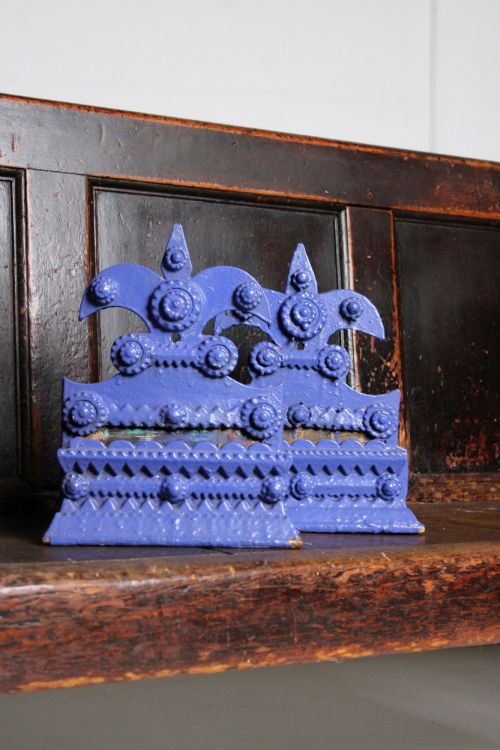
Internal mechanisms utilised complex steel locks and specialised hardware, whilst exterior decoration occasionally incorporated hand painted finishes or intricate tramp art carving. Metal mounts and straps were fastened securely to the wood using hand forged nails and screws.
Periods represented span from the 17th Century and Charles II era through the Victorian period up to 1920 Art Deco designs.
Assessing quality and authenticity
Quality rests in the integrity of the original locking mechanisms and the preservation of period metalwork alongside the timber carcase. Pieces retaining their complex original steel locks and uncompromised internal fittings command greater attention than those with later replacements.
The precision of the cabinetwork, from the execution of kingwood oyster veneers to the strength of the iron binding, distinguishes finer workshop production from standard utility storage trunks.
The Antique Wooden Safe Box Glossary
- Coffre fort
- A heavy portable strongbox, frequently veneered in timbers like kingwood and reinforced with iron strapwork for securing valuables. These Continental boxes often feature intricate internal locking systems.
- Strongbox
- A heavily constructed box built from wood and bound with iron or wrought iron for maximum security. They were utilised for transporting and storing bullion, documents, or plate.
- Oyster veneer
- A decorative method of cutting small branch wood across the grain to produce circular or oval patterns resembling oyster shells. This technique is frequently seen on seventeenth and eighteenth century walnut and kingwood furniture.
- Tramp art
- A form of woodwork created by itinerant artisans using pocket knives to notch and chip carve discarded timber and cigar boxes. Pieces in this style range from small frames to wall mounted decorative boxes.
- Silver chest
- A large fitted trunk constructed from sturdy timber such as oak and bound in metal to protect heavy household silver during transport or storage. They often include partitioned internal trays lined to cushion tableware.
Antique Wooden Safe Box: Frequently Asked Questions
What were antique wooden safe boxes used for?
These secure containers protected family valuables, important documents, currency, and household silver from theft or fire. Wealthy households and merchants relied on them for both stationary storage and secure transport.
Smaller variants served specialised domestic roles, keeping jewellery, keys, or matches close at hand while maintaining a locked barrier against unauthorized access.
How do I secure keys and locks on old boxes?
Original complex steel locks require gentle handling and proper lubrication by a specialist familiar with antique mechanisms. Many period boxes operate with barrel or lever locks that need precise matching keys if originals are absent.
For daily use, owners should avoid forcing stiff bolts and instead consult a conservator to adjust the internal levers without altering the historic metalwork.
How do I date an antique wooden safe box?
Dating relies on examining the construction methods, timber species, and the style of the iron hardware or locking mechanisms. Seventeenth century pieces typically display heavy oak and hand forged steel straps, whereas Victorian examples introduce factory made brass fittings and mass produced locks.
Secondary woods and dovetailing techniques also provide clues, as hand cut joints gradually gave way to machine precision by the Edwardian era.
Where should I place a heavy wooden strongbox?
Because these chests and strongboxes feature dense woods like oak and heavy iron bindings, they require stable placement on load bearing furniture or directly on the floor. Their substantial weight makes them prominent focal points in a study, hallway, or living room.
Keep them away from direct sunlight and radiators to prevent the timber from drying out and the veneers from lifting.