
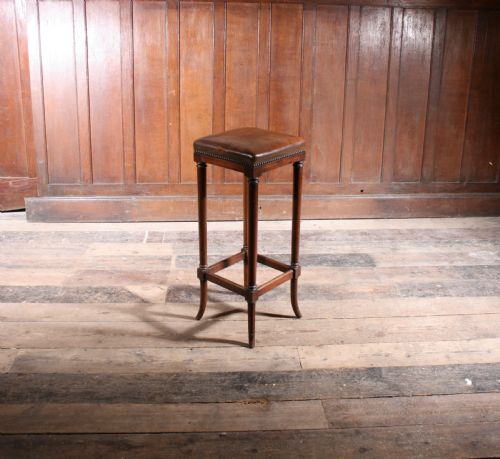


Antique Wooden Pub Stool
An antique wooden pub stool brings immediate history to a room, offering sturdy utility and enduring character forged in nineteenth-century taverns.
Antique Wooden Pub Stool
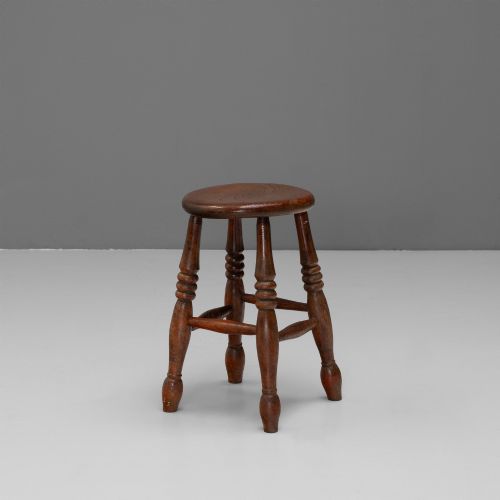
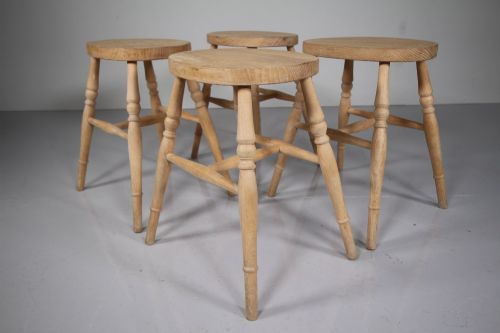
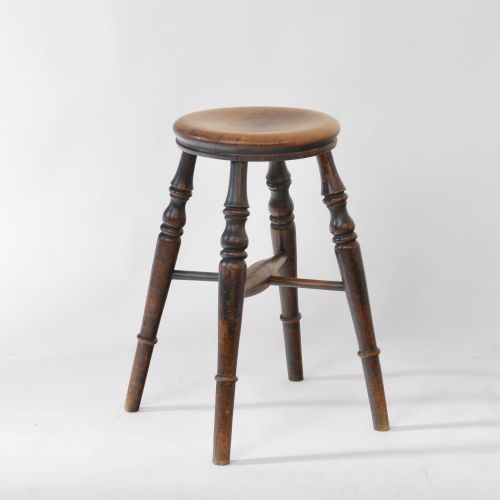
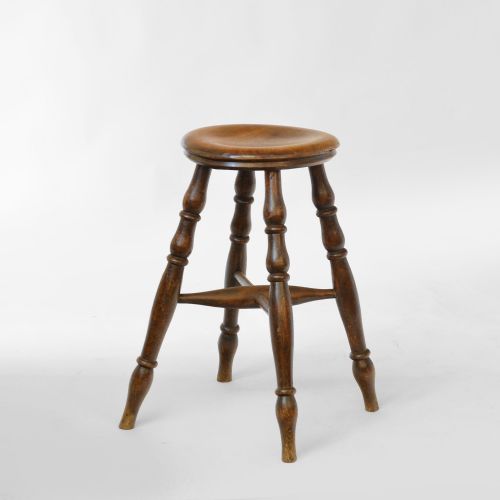
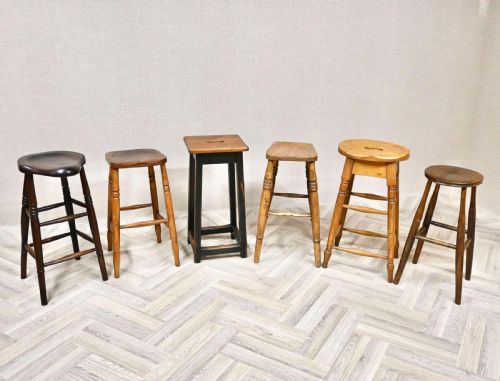
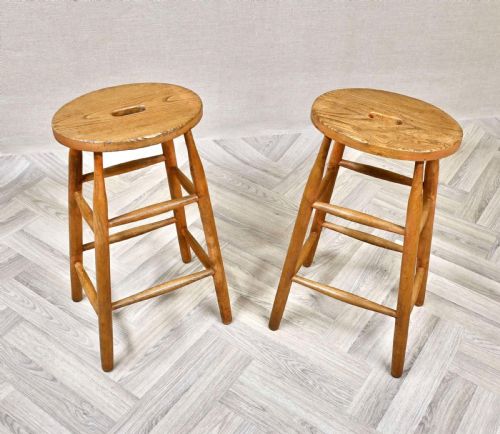
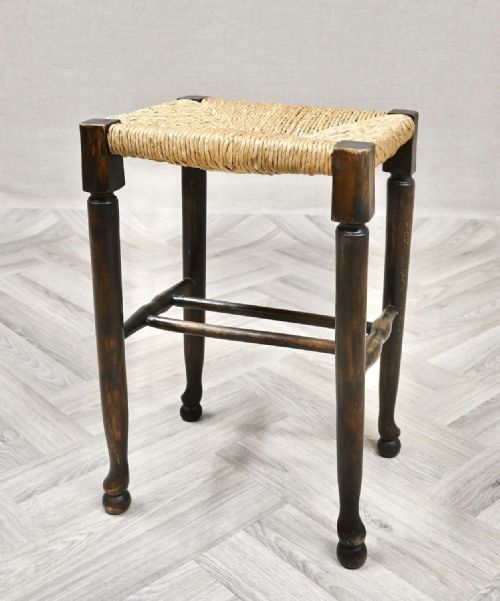
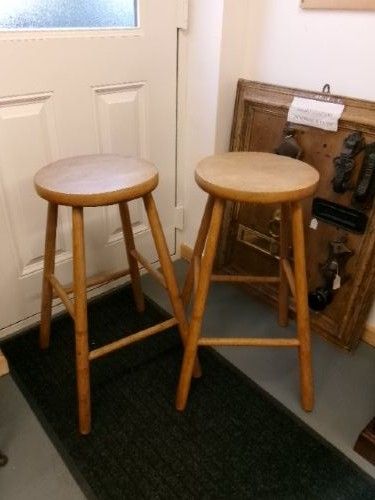
An antique wooden pub stool comprises seating solutions designed for commercial taverns, alehouses, and rustic interiors, spanning the nineteenth century through to the early decades of the twentieth century. When searching for an antique wooden pub stool, buyers typically encounter sturdy seating forms such as tall bar stools, tavern stools, and clerk's stools originating from periods including Victorian, Edwardian, and the early nineteen-twenties.
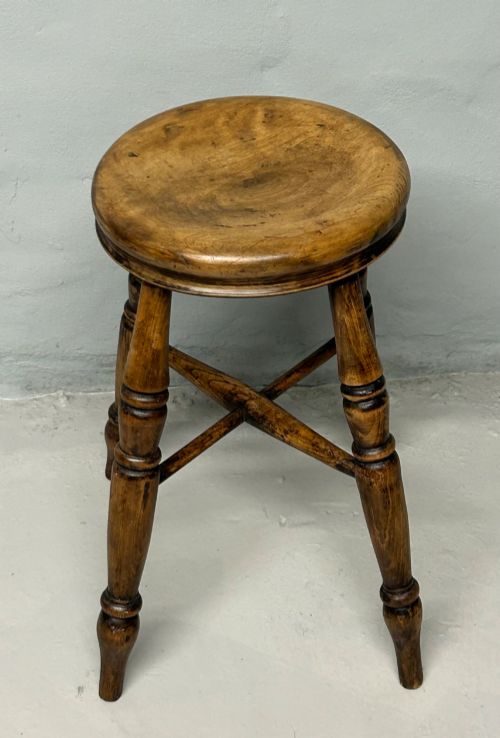
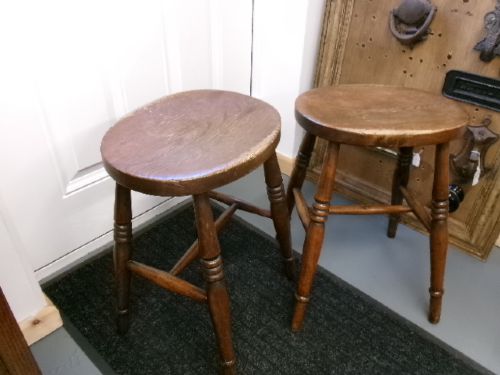
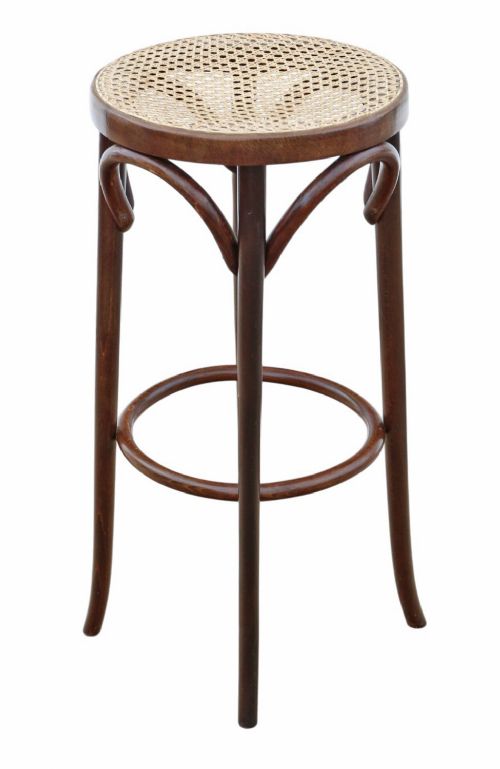
The regional styles represented in these listings lean heavily toward English country, rustic farmhouse, and Victorian country aesthetics. Forms vary from simple round and oval dished tops to tall Windsor stool designs and bentwood seating intended for commercial hospitality environments.
Materials and construction methods
These pieces rely on robust domestic timbers harvested for strength and everyday resilience, principally elm, oak, beech, ash, sycamore, and pine. Woods are frequently combined within a single frame, pairing dense hardwoods for seats with turned or shaped timbers for legs and stretchers.
Joinery techniques reflect traditional workshop practices, utilising pegged joints, turned spindles, and steam-bent wood processes seen in bentwood high stools. Surfaces display the natural grain and wear acquired through decades of commercial tavern or workshop service.
The listings span the nineteenth century through the nineteen-forties, recording oak, elm, beech, and sycamore across country and tavern styles.
Assessing quality and craftsmanship
The distinction between ordinary utility seating and finer examples lies in the selection of timber and the sophistication of the turning work. Solid elm tops with deep natural dishing and well-figured grain command greater interest than plain utility boards.
Structural integrity and the retention of original surfaces dictate overall desirability. Pieces maintaining their original height, stable leg stretchers, and honest patination represent the pinnacle of tavern seating history.
The Antique Wooden Pub Stool Glossary
- Dished top
- A seat carved with a concave depression designed to fit the body comfortably. This shaping is typical of nineteenth-century tavern and farmhouse seating.
- Windsor stool
- A stool constructed with legs and spindles wedged directly into a solid wooden seat. It employs traditional stick-back joinery methods adapted for seating.
- Bentwood
- Wood softened by steam and bent into curved structural forms. This technique created lightweight yet resilient frames popular in early twentieth-century bistros.
- Stretcher
- A horizontal support connecting the legs of a stool to add rigidity and strength. These are essential components in tall commercial seating.
- Clerk's stool
- A tall utility stool originally used by office workers or writers at high desks. They often feature simple turned legs and compact wooden seats.
Antique Wooden Pub Stool: Frequently Asked Questions
How were antique pub stools used originally?
These tall stools provided seating for patrons at tavern counters, alehouses, and high public tables where patrons consumed drinks.
They were also utilised in working environments such as counting houses and clerk's offices, matching the height of standing desks.
Can I use an antique pub stool daily?
Most surviving examples were built for heavy commercial use and remain robust enough for everyday seating in modern kitchens and dining areas.
Their solid wooden construction handles regular weight well, provided joints remain stable and secure.
How do I date an antique wooden pub stool?
Dating relies on identifying timber types, tool marks, joinery methods, and design styles associated with periods like the nineteenth century or Edwardian era.
Turned leg profiles and the presence of steam-bent components also help narrow down the manufacturing decade.
What is the difference between a tavern and bar stool?
Tavern stools generally date to the nineteenth century and feature traditional turned wooden legs with solid elm or sycamore seats.
Bar stools often encompass slightly later twentieth-century forms, including bentwood designs and taller utilitarian frames.