



Antique Wooden Press Stand
An antique wooden press stand is a functional piece of furniture designed to hold a heavy book press, offering both utility and historic charm.
Antique Wooden Press Stand
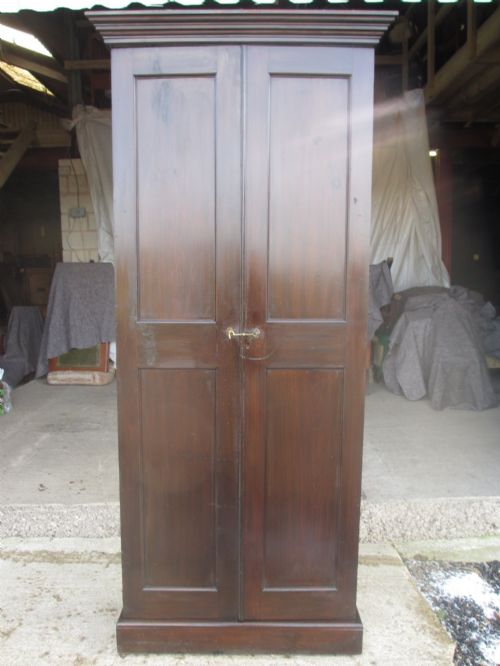
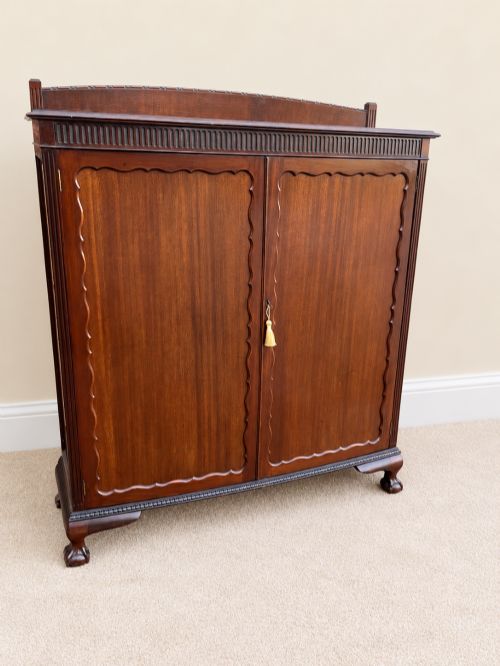
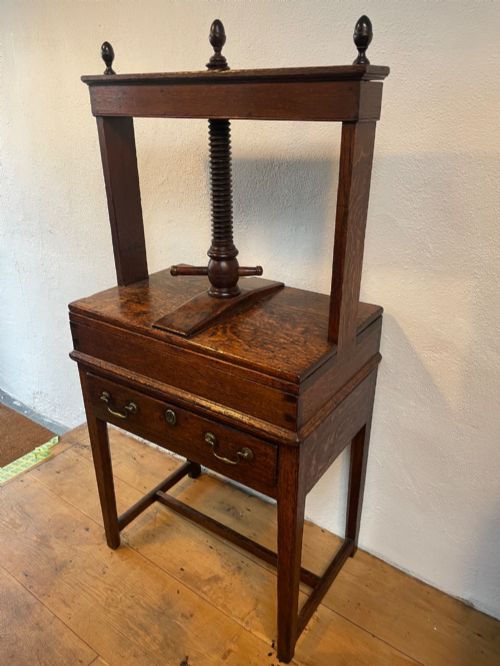
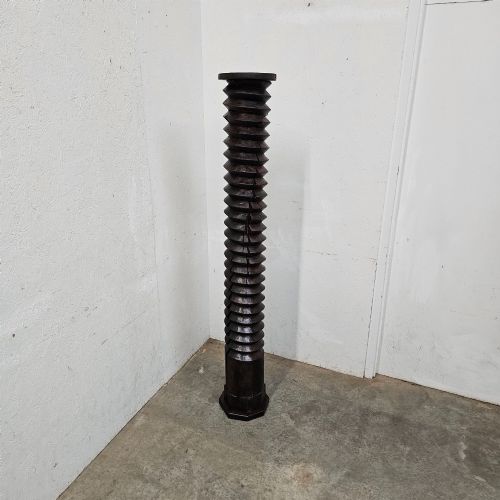
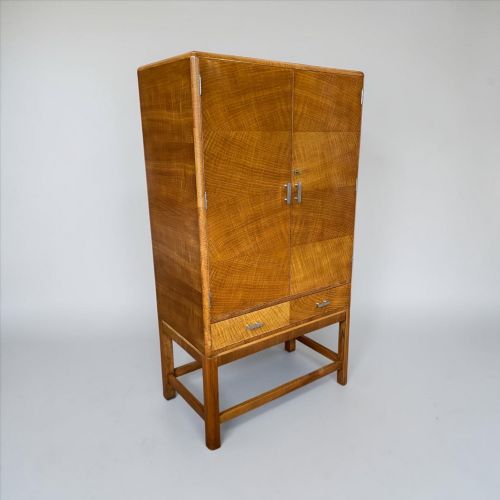
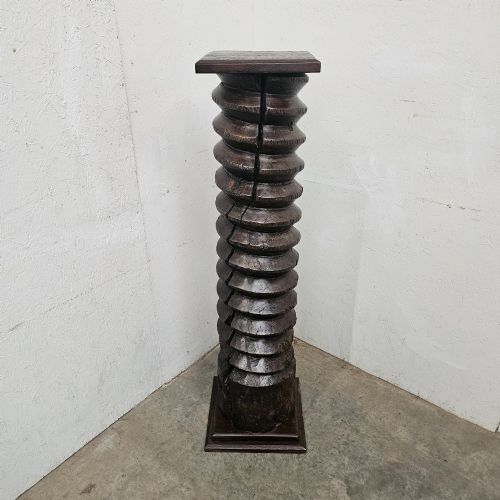
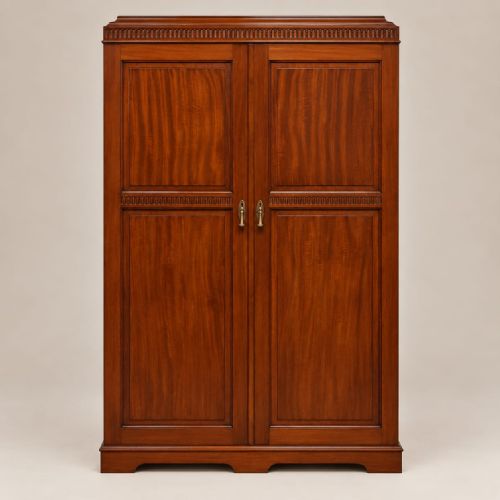
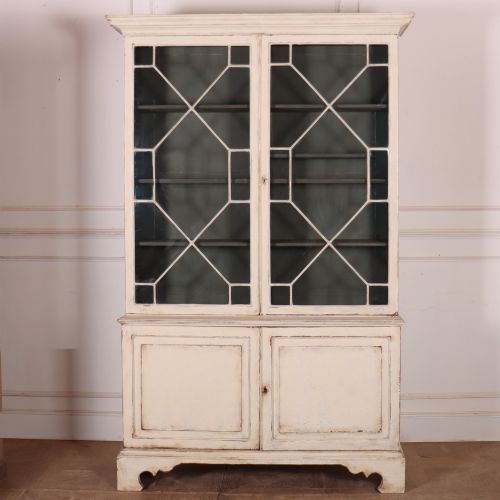
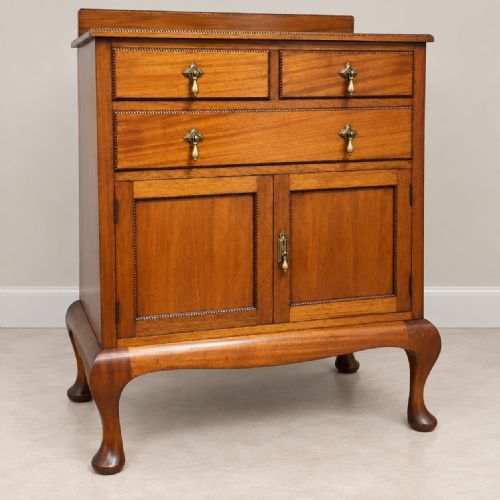
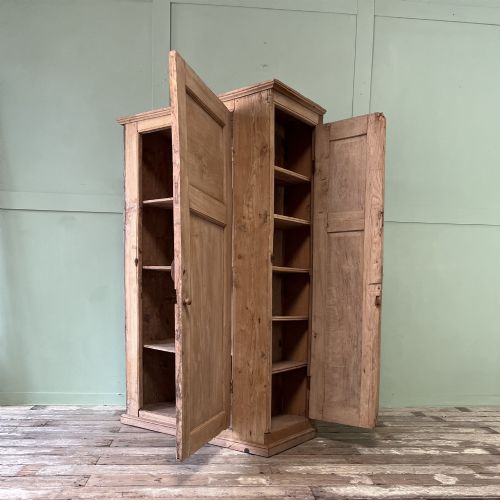
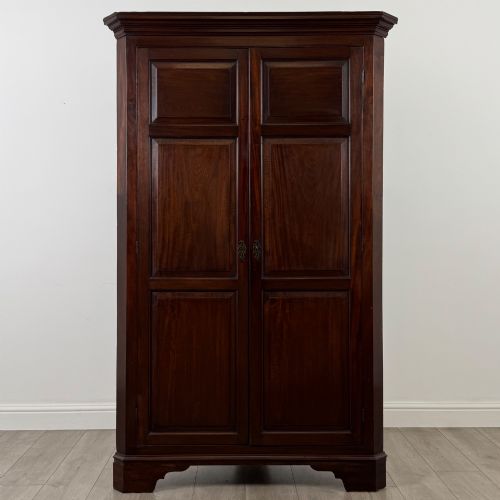
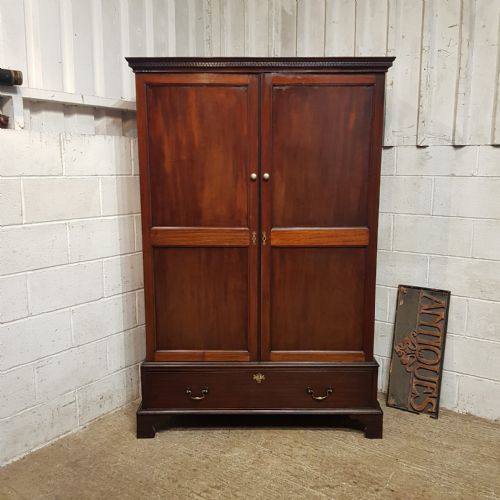
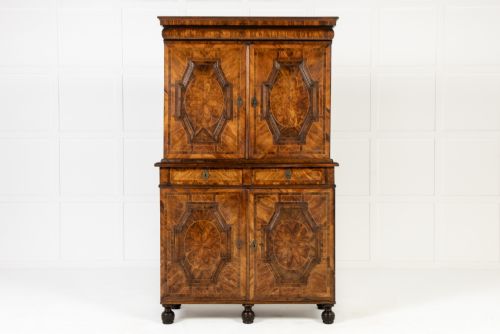
An antique wooden press stand combines heavy storage furniture with specialised utility, often surfacing as oak or elm book press tables and provincial linen presses with screw mechanisms. When searching for an antique wooden press stand, buyers encounter a variety of substantial storage forms originating from the Georgian, 18th century, and Edwardian periods.
The selection ranges from early Victorian oak book presses and French oak flower presses to domestic cupboards and tallboys that share similar heavy timber construction. These functional objects reflect the domestic and working needs of past centuries, utilising robust hardwoods designed to bear considerable weight.
Makers and craftsmen of the 17th, 18th, and 19th centuries built these stands using regional timbers like mahogany, walnut, oak, and elm. The inventory spans English country vernacular pieces and formal Georgian designs, ensuring a mix of rustic utility and refined cabinetmaking.
How they were made
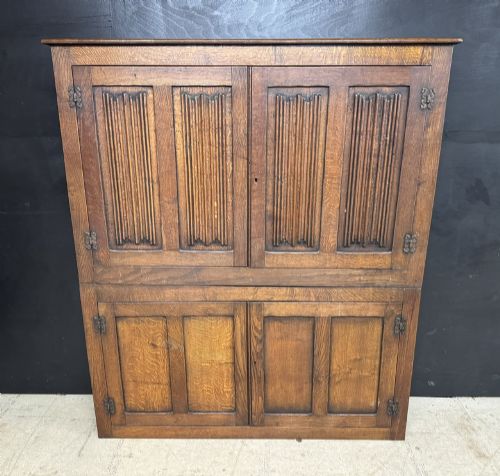
Construction relies heavily on durable domestic and imported hardwoods, with oak, mahogany, elm, and walnut forming the primary structures of these stands and presses. Blacksmith-made iron and brass hardware, including original locks and hinges, provide both structural reinforcement and functional operation for the heavy timber doors and screw mechanisms.
Joinery techniques range from provincial pegged joints in early pieces to refined cabinetmaking seen in later Georgian and Edwardian examples. Painted timber surfaces and polished mahogany finishes demonstrate the variety of treatments applied to these working pieces over the centuries.
Antique Wooden Press Stand Retail Price Guide 2026
Typical asking prices for wooden press stand among the pieces listed under this phrase on Sellingantiques today, from the lower quarter to the upper quarter. They describe what is for sale here now, not the wider market.
What varies in quality
Quality in an antique wooden press stand rests on the integrity of the timber, the retention of original blacksmith-made ironwork, and the working condition of any internal screw mechanisms or hardware. Pieces retaining their original finish and uncompromised structural joints command greater interest than those altered or stripped over time.
The refinement of the timber selection distinguishes standard domestic utility pieces from high-style Georgian and French baroque examples. Superior construction shows in the harmony between the heavy press mechanism and the supporting stand, ensuring both mechanical stability and aesthetic balance.
The Antique Wooden Press Stand Glossary
- Linen Press
- A large storage cupboard designed originally for storing folded sheets and textiles, often featuring sliding trays or internal shelves. Many incorporate a heavy wooden screw mechanism in the upper section for flattening fabrics.
- Book Press
- A heavy mechanical device utilised for pressing paper, binding books, or flattening botanical specimens. These presses typically sit upon dedicated wooden tables or stands.
- Vernacular
- Furniture built by local craftsmen using regional traditions and readily available materials rather than following high-style metropolitan designs. Welsh elm and provincial oak pieces often fall into this category.
- Serpentine
- A curved furniture front characterised by a convex centre flanked by concave ends. This contour appears on later mahogany cupboards and case furniture.
- Tallboy
- A tall chest of drawers, often constructed in two sections with a smaller set stacked upon a larger base. These pieces maximise vertical storage space in domestic interiors.
Antique Wooden Press Stand: Frequently Asked Questions
What is an antique wooden press stand?
An antique wooden press stand is a sturdy piece of furniture built to support heavy book, linen, or flower presses. These stands often double as functional cupboards or tables.
They reflect the practical domestic and workshop requirements of periods ranging from the 17th to the 19th centuries.
How were press stands used historically?
Historically, these stands provided a stable, waist-height platform for operating heavy wooden screw presses used in binding books or pressing textiles and paper. The lower sections frequently served as storage for related equipment, linens, or household supplies.
Their robust construction was essential to withstand the downward pressure exerted by the mechanical screws.
What woods are typical for these stands?
Common timbers include oak, elm, mahogany, and walnut, depending on the period and the region of manufacture. Provincial pieces often utilise native woods like oak and elm.
More formal Georgian and Edwardian examples frequently feature imported mahogany and walnut with brass hardware.
How do I care for an antique press stand?
Care involves keeping the wooden surfaces clean with a soft cloth and avoiding excessive moisture or direct sunlight. Preserving the original finish and blacksmith-made iron hinges requires minimal intervention.
Regularly dusting the internal compartments and mechanical parts helps maintain the structural integrity of the timber.
Can I date a press stand by its hardware?
Yes, original blacksmith-made iron locks, strap hinges, and brass fittings offer strong clues to a piece's age and origin. Hand-hammered ironwork often points to earlier 17th or 18th-century provincial pieces.
Later Edwardian and Victorian stands typically feature refined brass handles and machine-made components.