
Antique Wooden Marquetry
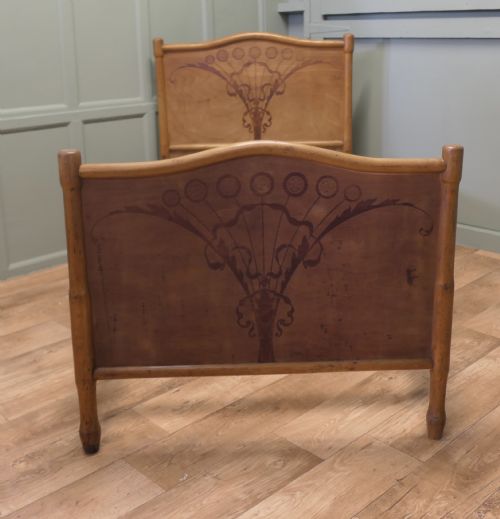
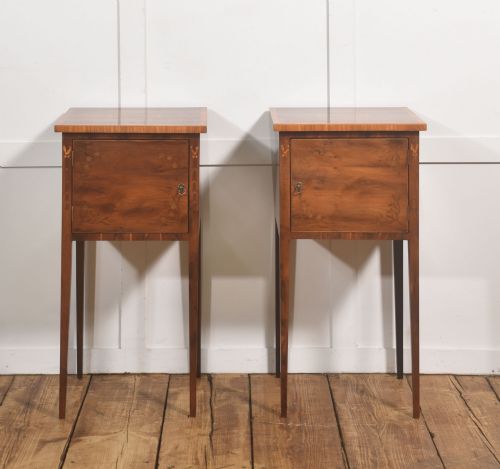
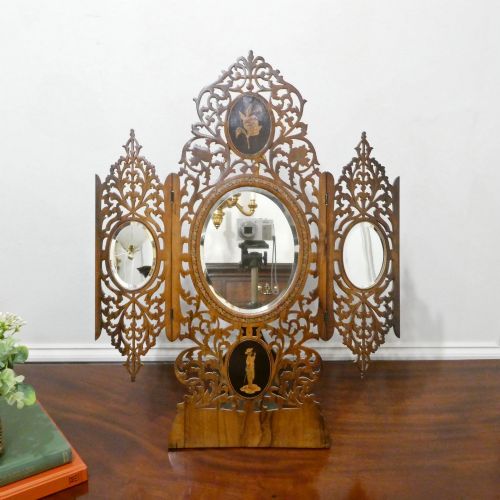
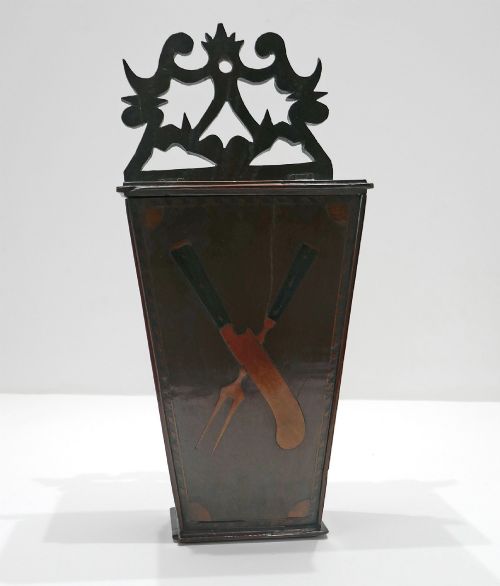
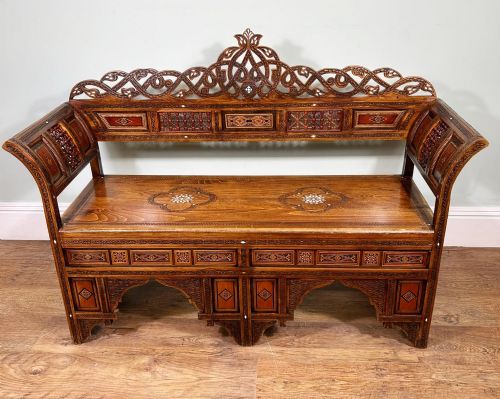
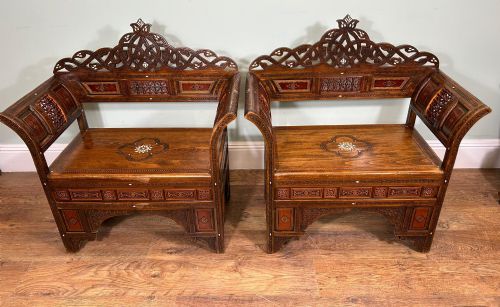
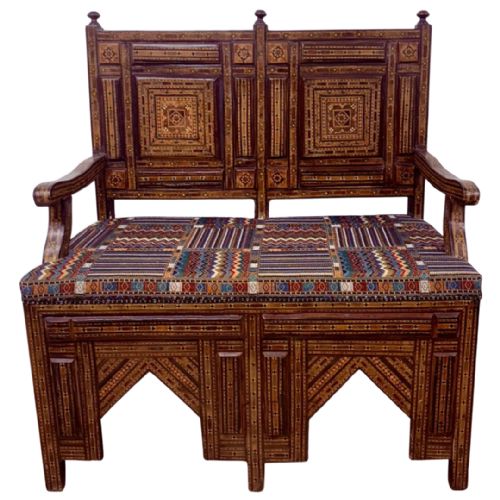
Antique wooden marquetry brings together centuries of timber and precision veneer work, offering patterned surfaces that transform functional furniture into pictorial art.
Antique Wooden Marquetry
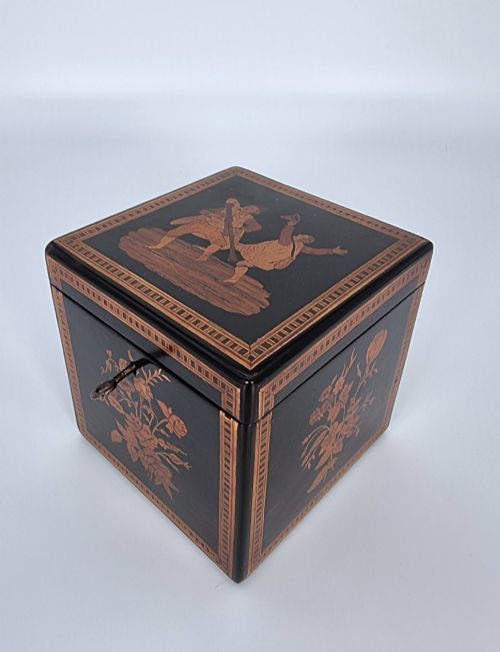
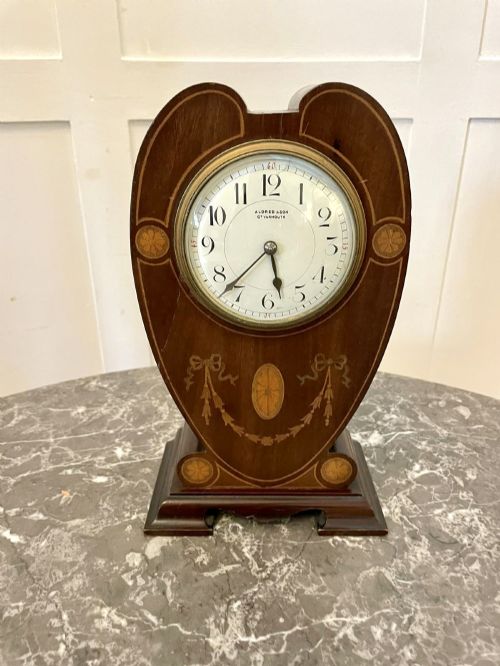
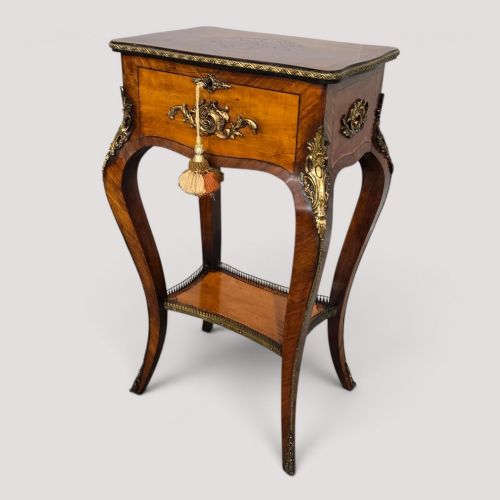
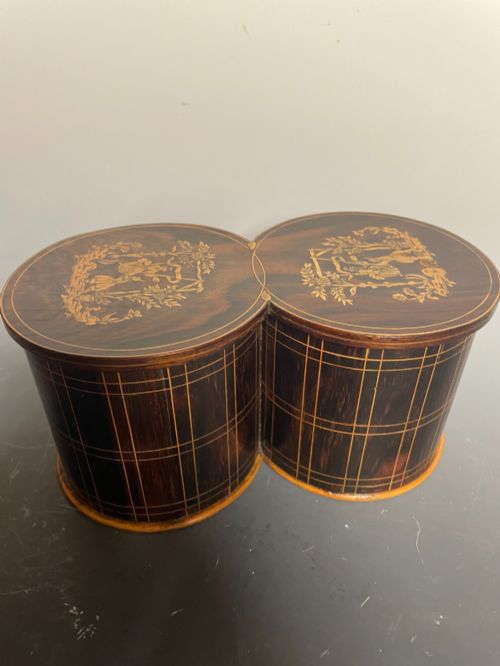
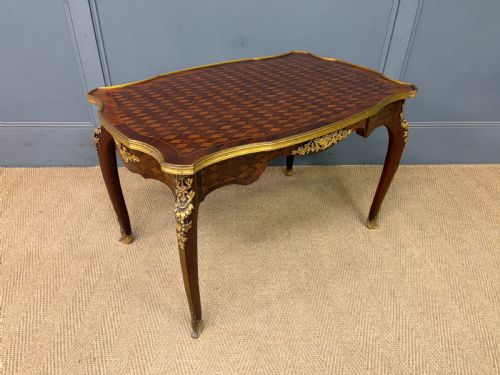
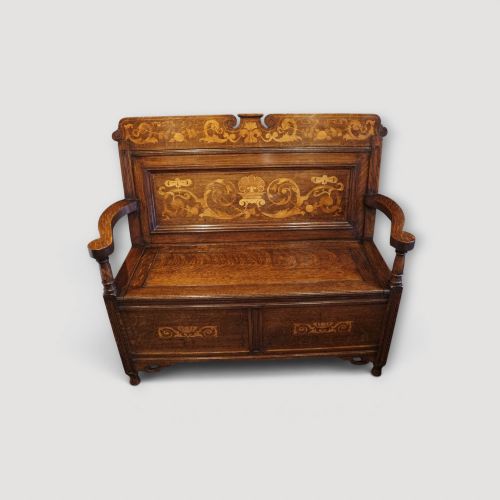
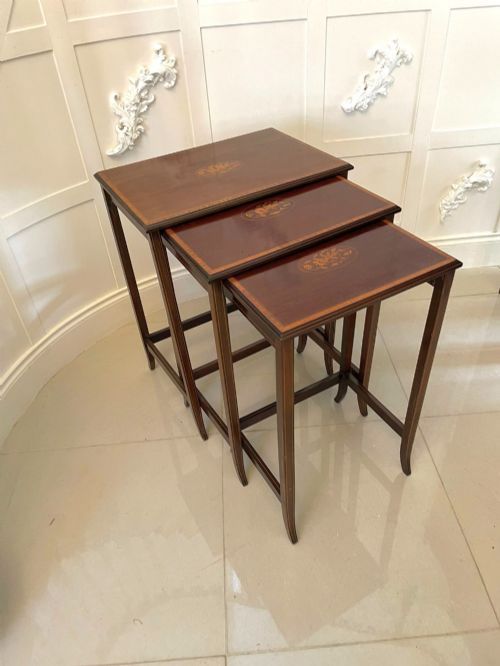
Antique wooden marquetry encompasses a diverse group of functional and decorative items, ranging from tea caddies and serving trays to writing desks, side cabinets, and occasional tables. Buyers exploring this category encounter pieces originating from English, French, Dutch, and Italian workshops spanning several centuries.
Victorian and Edwardian items appear frequently alongside eighteenth-century Georgian and Regency pieces. Domestic interiors benefit from these patterned surfaces because they provide visual focal points through floral motifs, geometric banding, and figurative veneer arrangements.
Materials and Technique
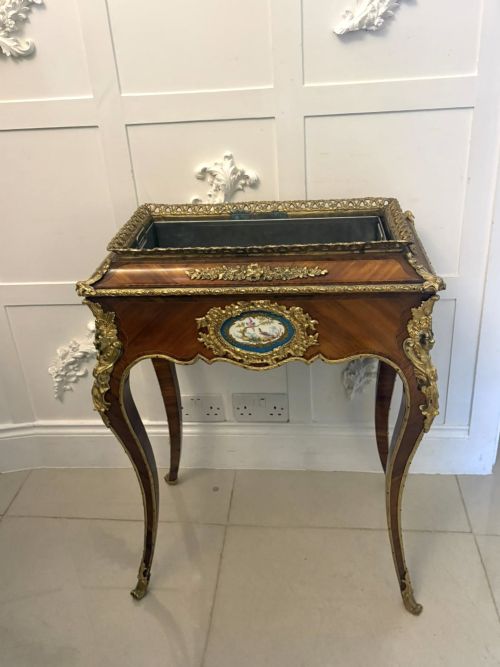
Craftsmen built these pieces using primary structural timbers such as mahogany, oak, walnut, and ebonised wood, upon which they applied delicate veneers of satinwood, rosewood, boxwood, and harewood. Ormolu mounts, brass stringing, and silver plate elements occasionally accented the timber surfaces.
Marquetry involves cutting contrasting thin wood veneers from templates and fitting them meticulously into a paper or wood backing before gluing the completed picture to the carcase. Cabinetmakers then scraped and polished the surface to highlight the natural grain directions and contrasting colours of each individual wood species.
Listings feature items spanning from the seventeenth century through to the nineteen thirties, encompassing oak, walnut, mahogany, and satinwood.
Judging the Workmanship
Quality in antique wooden marquetry rests upon the precision of the veneer joints and the complexity of the pictorial design. Superior pieces display seamless junctions between contrasting woods without visible filler, whilst lesser examples reveal shrinkage gaps and coarser cutting.
The choice of secondary timbers and the depth of the figure in walnut, mahogany, or satinwood also dictate the tier of the piece. Master workshops utilised tightly grained exotic veneers and subtle shading achieved by scorching veneer edges in hot sand, creating a three-dimensional illusion absent in simpler production.
Gillows
The Antique Wooden Marquetry Glossary
- Marquetry
- Decorative veneer work applied to a furniture carcase to form pictures or ornamental patterns. Unlike inlay, which sinks pieces into a solid wooden recess, marquetry assembles an entire veneer sheet before mounting.
- Veneer
- Thin slices of fine timber applied to a secondary structural wood surface. This technique allows cabinetmakers to display striking grain figures without risking the stability of solid exotic boards.
- Stringing
- Thin inlaid lines of contrasting wood or brass used to outline panels, drawers, or table tops. It provides geometric definition around floral or pictorial marquetry fields.
- Carcase
- The main structural body or framework of a piece of furniture before drawers, doors, and surface veneers are attached. It typically consists of a stable secondary timber like oak or pine.
- Ormolu
- Gilded bronze mounts cast and chased to ornament the corners, feet, or aprons of finer furniture. French cabinetmakers used these metal additions to frame marquetry panels.
Antique Wooden Marquetry: Frequently Asked Questions
How do I clean antique wooden marquetry?
Dust surfaces regularly with a soft, dry cloth to prevent particulate buildup in the veneer joints. Avoid modern liquid polishes containing silicone, which can penetrate hairline gaps in the old veneer.
Apply a microcrystalline wax sparingly once or twice a year to nourish the timber and protect the polish. Buff gently with a clean cloth to maintain a natural, soft lustre without building up heavy layers.
Where should I place these pieces at home?
Position marquetry items away from direct sunlight, radiators, and fireplaces to prevent the thin veneers from drying out, shrinking, or lifting. Consistent indoor humidity levels preserve the stability of both the carcase timber and the delicate glue beneath the surface.
Utilise occasional tables and tea caddies where they receive gentle, ambient light that highlights the contrasting tones of the wood species. Side cabinets and desks function well against interior walls where temperature fluctuations remain minimal.
How can I tell the period of a piece?
Examine the underlying construction methods, timber choices, and secondary woods visible inside drawers or on back panels. Seventeenth-century pieces often utilise heavy oak frames with robust geometric or floral marquetry, whereas eighteenth-century items frequently employ satinwood and mahogany with refined neoclassical motifs.
Look at the style of the legs, handles, and dovetails, as these evolved distinctly across Georgian, Regency, Victorian, and Edwardian eras. Comparing the decorative vocabulary against documented historical styles confirms the likely manufacturing decade.
What is the difference between marquetry and inlay?
Inlay involves carving a recess directly into a solid piece of wood and fitting a contrasting material into that depression. The surrounding solid timber forms the main body of the object.
Marquetry constructs the entire decorative design as a separate sheet of assembled veneers before gluing that complete picture onto the furniture carcase. This technique allows for complex pictorial scenes covering entire table tops or cabinet doors.