



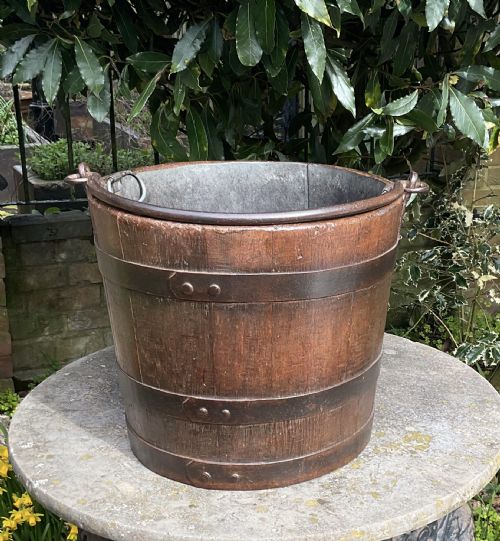


Antique Wooden Log Bucket
An antique wooden log bucket brings practical hearthside storage into a room, combining sturdy timber construction with durable metal banding.
Antique Wooden Log Bucket
The selections available here lean heavily toward Victorian and Georgian examples, often featuring distinct wooden staves held by brass or iron bands. Many double as coal bins, wine coolers, or planters, reflecting how domestic objects were adapted over generations.
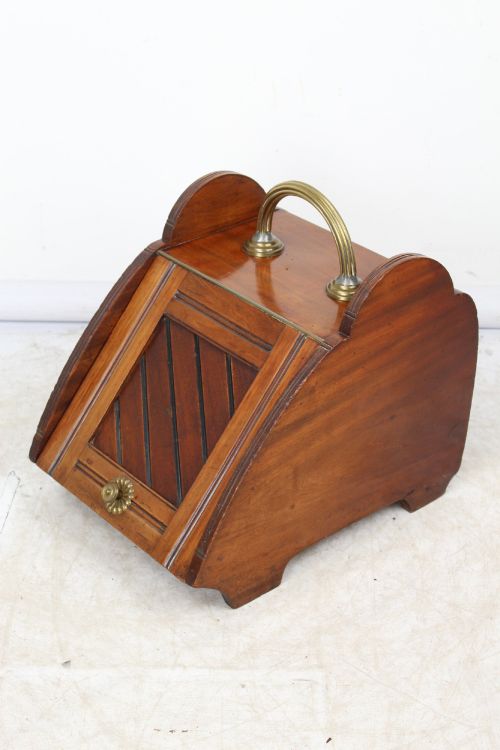
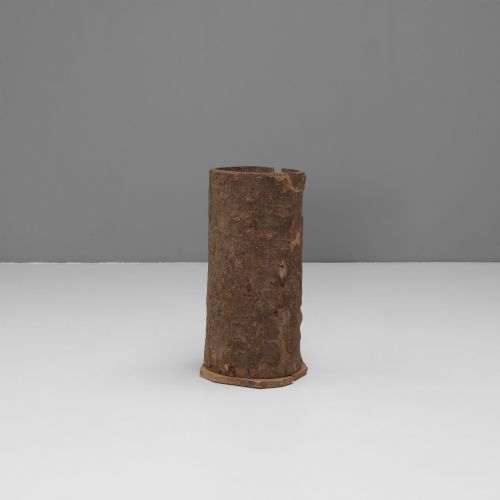
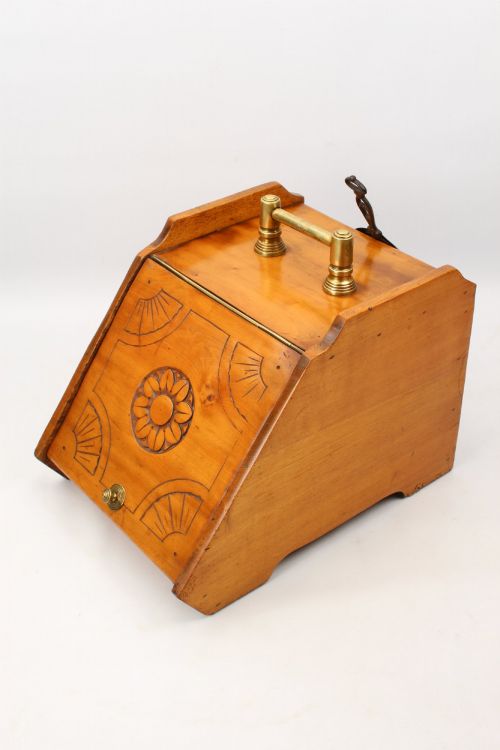
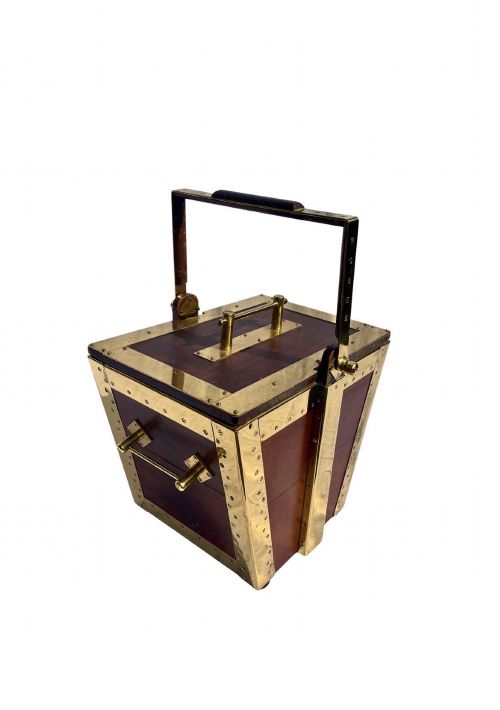
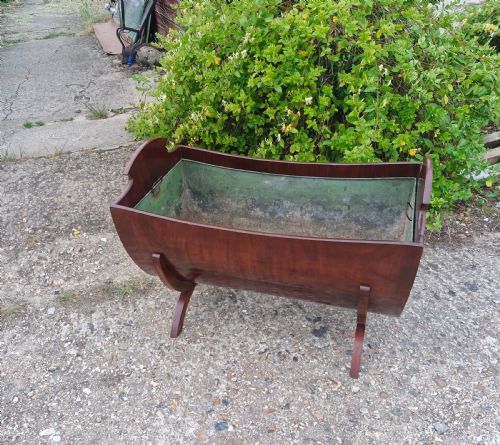
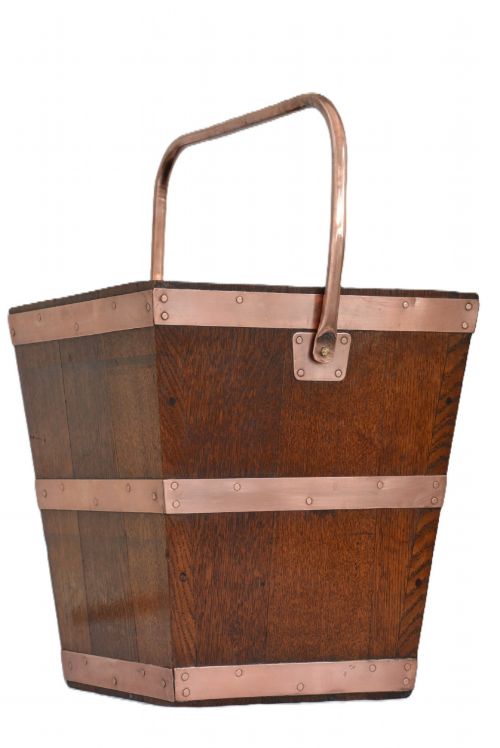
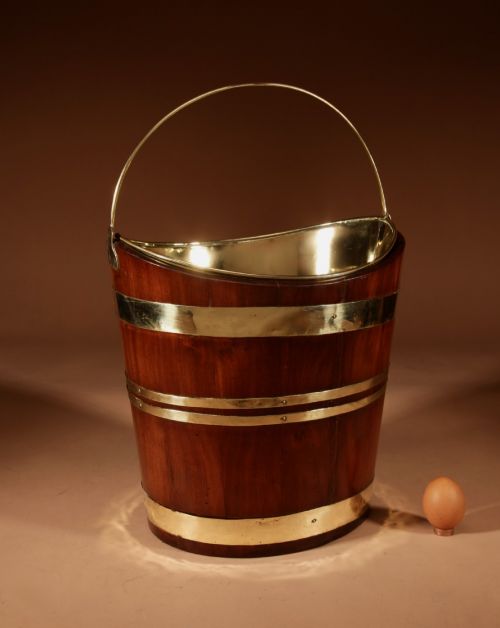
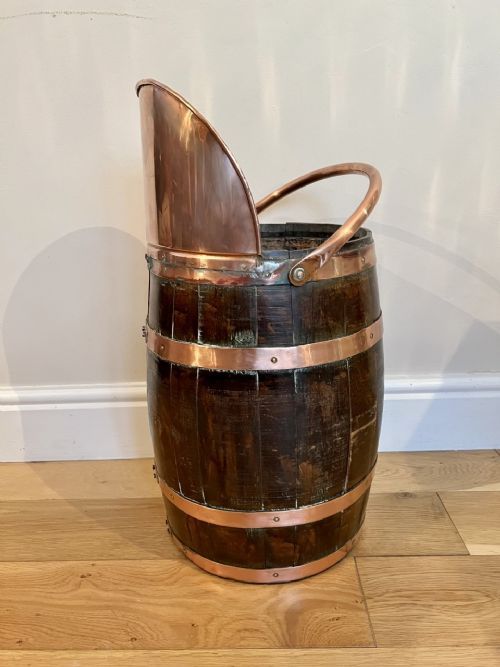
Originating in both grand country houses and simpler farmhouses, these vessels display a practical scale suitable for holding firewood, peat, or coal. Their forms vary from traditional round barrels to boat-shaped tea stoves and triangular fireside bins.
Materials and construction
The construction of these vessels relies heavily on traditional cooperage, where individual wooden staves of oak, mahogany, walnut, or pine are shaped and fitted together to form a watertight or sturdy cylinder. Metal elements such as brass, copper, and iron provide structural reinforcement through external bands, swing handles, and protective liners.
Surface finishes range from simple hand-carved surfaces and polished mahogany to rustic country pine and ebony details. Many surviving examples retain original metal interiors or inserts designed to contain damp fuel and ash.
Antique Wooden Log Bucket Retail Price Guide 2026
Typical asking prices for wooden log bucket among the pieces listed under this phrase on Sellingantiques today, from the lower quarter to the upper quarter. They describe what is for sale here now, not the wider market.
Distinctions in quality
Quality in these vessels rests upon the integrity of the timber selection and the precision of the cooper's work in fitting the staves. Dense grains in woods like mahogany or quarter-sawn oak combined with well-cast brass bands separate standard utility items from finer decorative pieces made for formal reception rooms.
The presence of original metal liners, sturdy swing handles, and untouched surface patination elevates a piece. More elaborate forms incorporate fine carvings, inlay, or specialised boat shapes that reflect higher levels of period craftsmanship.
The Antique Wooden Log Bucket Glossary
- Coopered
- Constructed from wooden staves bound together with hoops of metal or wood, much like a traditional barrel. This technique ensures the vessel remains stable and strong under heavy loads of fuel.
- Peat bucket
- A deep container originally designed to hold dried turf or peat for turf-burning hearths. These often feature metal liners and decorative brass handles.
- Purdonium
- A specific type of Victorian coal box featuring a sloping front door or drop-down compartment. They frequently include an interior metal shovel and scuttle.
- Jardinière
- An ornamental pot or stand for holding plants or flowers. Many antique fuel buckets were later repurposed for this role due to their waterproof metal liners.
- Stave
- One of the narrow vertical strips of wood that form the sides of a coopered vessel. The tight fit between each stave determines the structural strength of the piece.
Antique Wooden Log Bucket: Frequently Asked Questions
What is the difference between a log bucket and a coal scuttle?
Log buckets are generally larger, open-topped coopered vessels designed to hold sizable pieces of firewood.
Coal scuttles and purdoniums often include enclosed compartments, lids, and dedicated metal scoops for handling smaller fuel.
Are these buckets waterproof?
Many examples were constructed using traditional cooperage techniques designed to hold contents securely, and frequently feature original metal liners.
Over time, timber can dry out, so checking the condition of the interior liner is sensible for those intending to hold damp materials.
How do I date a wooden log bucket?
Dating relies upon observing the timber species, construction methods, and metal fixings used on the piece. Georgian and Victorian examples often display hand-forged iron or cast brass work characteristic of their respective periods.
Stylistic cues, such as brass banding or inlaid decoration, also help place an object within the eighteenth or nineteenth century.
How should I clean and maintain antique wood?
Maintenance involves dusting with a dry cloth and applying occasional quality wax to nourish the dry hardwood staves. Avoiding direct placement near active fireplace heat prevents the timber from warping or splitting over time.