

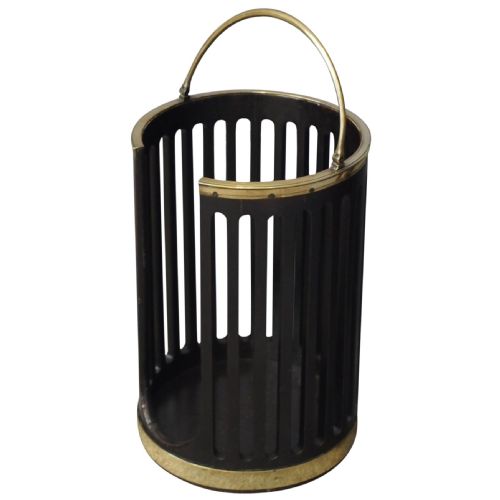


Georgian Brass Bound Pail
These georgian brass bound pail examples are robust timber vessels fitted with bright metal hoops that bring functional dining room history straight into a modern interior.
Georgian Brass Bound Pail
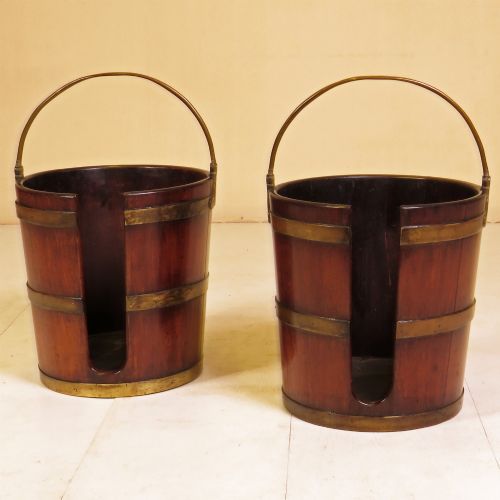
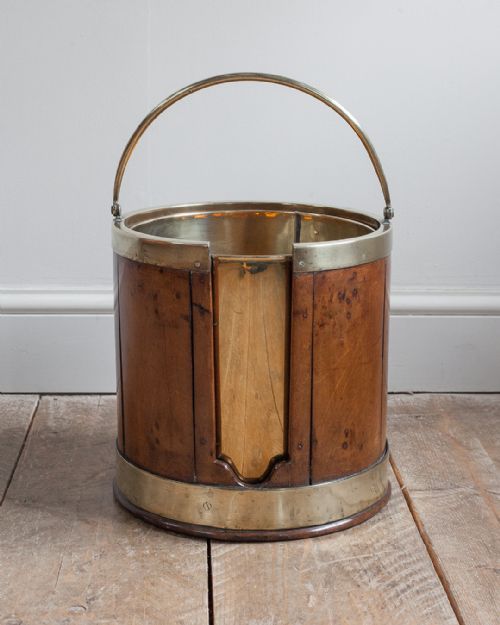
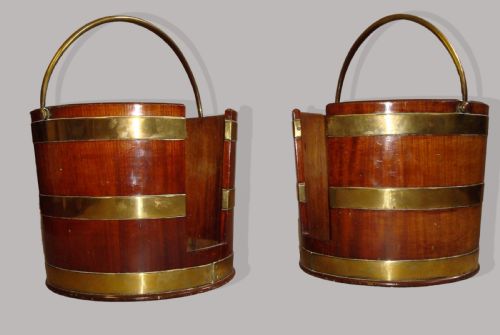
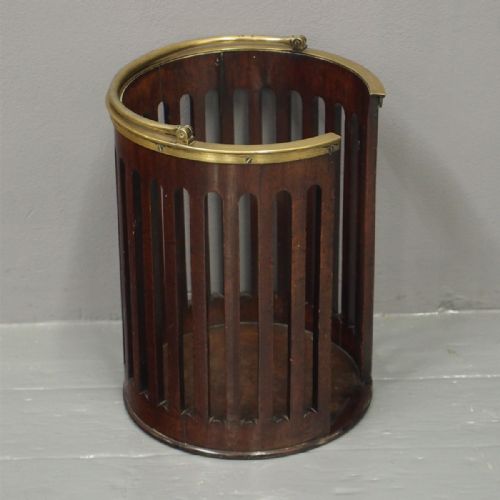
When you search for a georgian brass bound pail, you encounter sturdy wooden containers primarily built as plate buckets or wine coolers. Most items on this page date from the eighteenth century or the Georgian and George III periods, constructed with distinctive oval shapes.
The selection ranges from individual storage containers to matched pairs designed for grand dining rooms. Alongside traditional wine coolers and plate buckets, you will also spot Victorian interpretations and later nineteenth-century pieces mirroring earlier forms.
How they were made
Makers built these pieces using solid mahogany staves joined tightly together, shaped into deep cylindrical or oval bodies. Heavy brass bands encircle the timber, secured with carefully placed rivets to maintain structural strength.
Internal linings often incorporate zinc or iron elements to protect the wood from moisture during their original service at the dining table. Brass swing handles are securely fastened to the sides, providing both a functional grip and a decorative contrast to the dark polished grain of the mahogany.
Georgian Brass Bound Pail Retail Price Guide 2026
Typical asking prices for georgian brass bound pail among the pieces listed under this phrase on Sellingantiques today, from the lower quarter to the upper quarter. They describe what is for sale here now, not the wider market.
Every item recorded in this category utilises sturdy wooden staves combined with metal hardware to create oval or cylindrical containers.
What varies in quality
The distinction between standard containers and superior examples rests upon the grain pattern of the mahogany and the crispness of the brass work. Heavier timber selection and well-proportioned brass bands elevate the overall presence of a piece.
Original metal components and untouched surface patination command greater appreciation among collectors than heavily restored items. The integration of interior zinc linings and the precise formation of the oval staves further separate everyday utility from finer decorative specimens.
The Georgian Brass Bound Pail Glossary
- Plate Bucket
- A deep wooden container traditionally used for holding ceramic plates safely during dining service. These vessels usually feature a single upright handle.
- Wine Cooler
- A tapered wooden vessel lined to hold bottles and ice beside the dining table. Examples from the Georgian period often incorporate secure brass banding.
- Stave
- One of the narrow vertical strips of mahogany fitted together to form the curved body of a pail. Tight joining ensures the structural integrity of the vessel.
- Brass Band
- A flat metal strip secured around the exterior of a wooden bucket to bind the staves. It provides both structural reinforcement and visual contrast.
Georgian Brass Bound Pail: Frequently Asked Questions
What were these buckets used for originally?
These vessels served practical functions in large dining rooms, holding heavy ceramic plates or chilling wine bottles for guests. Servants moved them around the table using the sturdy brass swing handles.
Over time, their robust construction and rich mahogany surfaces transitioned them from purely utilitarian dining equipment to decorative containers displayed within period interiors.
How do I clean mahogany and brass?
Maintain the timber surfaces with a traditional wax polish applied sparingly and buffed gently with a soft cloth. Avoid harsh chemical cleaners that strip the historic finish.
Keep brass bands bright by using a mild metal cleaner while taking care not to let abrasive substances touch the surrounding wood grain.
Where should I place a pail at home?
These versatile wooden vessels suit placement beside a fireplace, in a hallway, or acting as a freestanding planter in a living space. Their deep interiors make them practical for holding rolled blankets or magazines.
Position them away from direct heat sources and strong sunlight to protect the aged mahogany and prevent the timber staves from drying out.
How do I tell an 18th-century piece from a later one?
Eighteenth-century examples typically display hand-cut mahogany staves joined with older fastening methods and heavy, patinated brass work. The timber often shows a deeper, richer grain pattern developed through centuries of handling.
Later Victorian interpretations tend to feature standardised brass components and different interior lining techniques that reflect nineteenth-century manufacturing shifts.