
Antique Wooden Jewellery
These antique wooden jewellery boxes, caskets and miniature chests combine utility with intricate craftsmanship across Victorian, Georgian and Regency periods.
Antique Wooden Jewellery
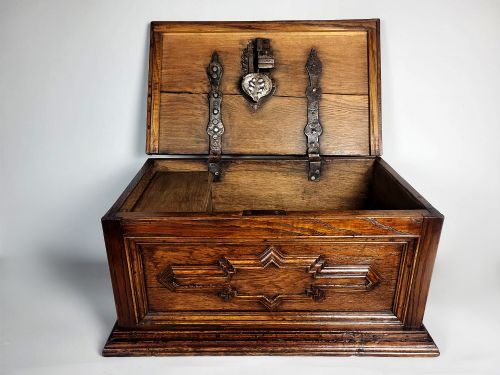
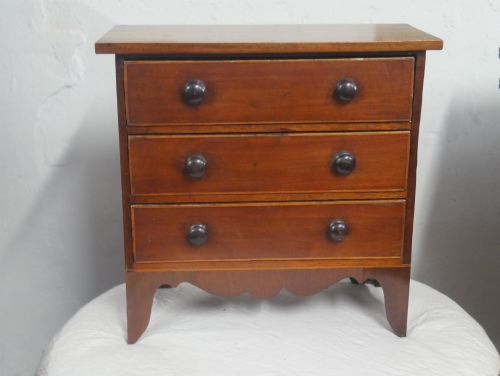
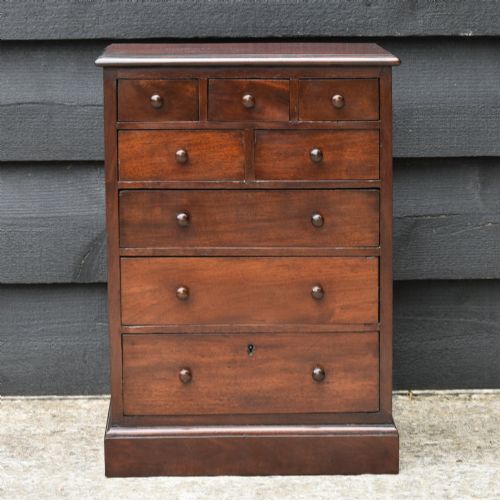
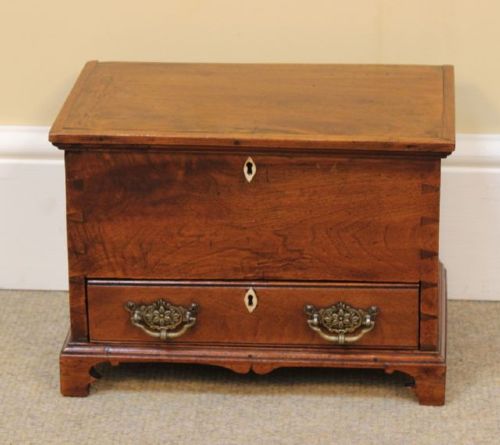
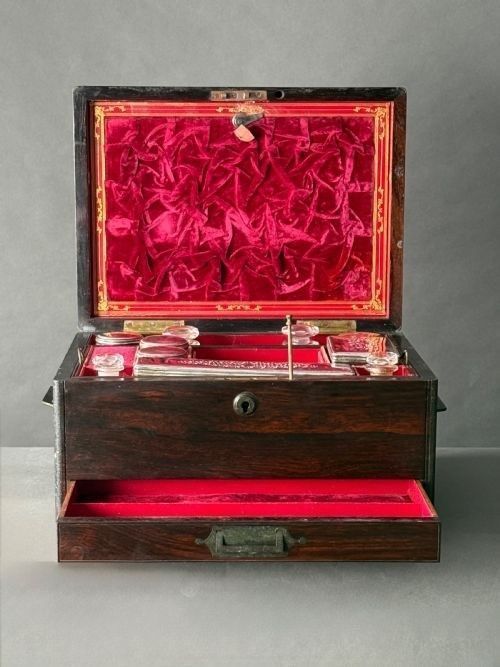
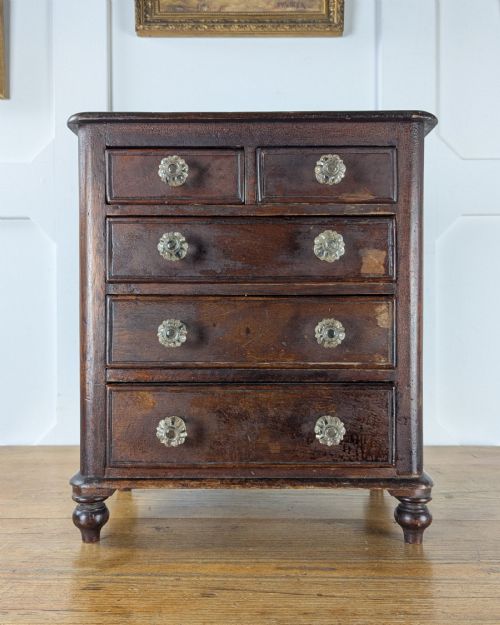
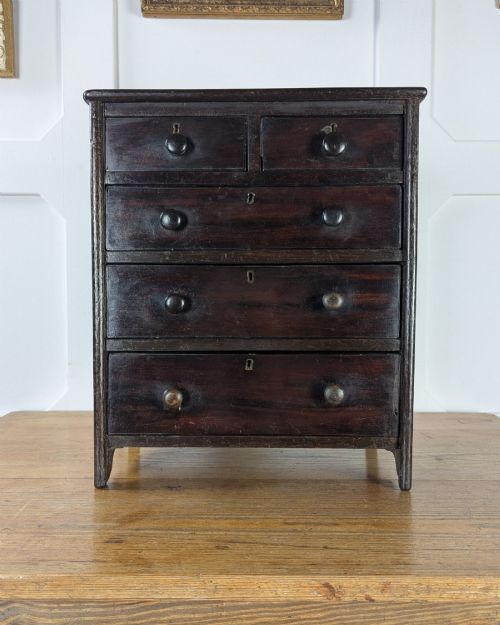
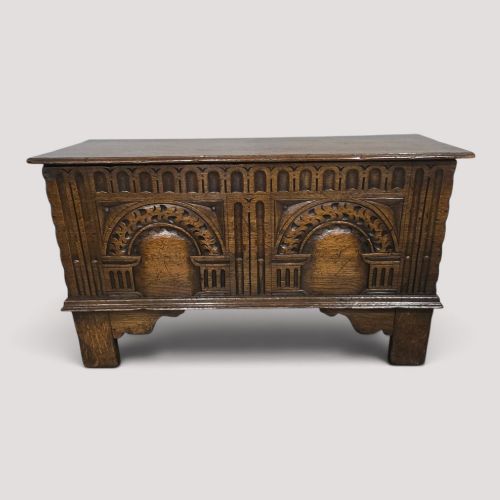
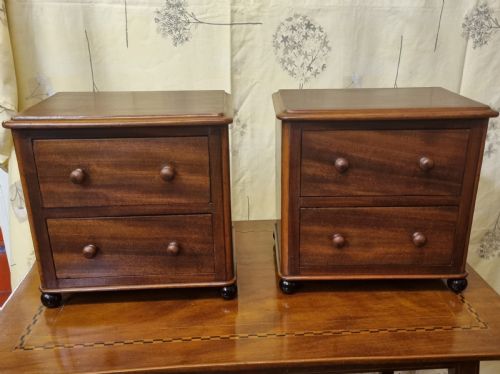
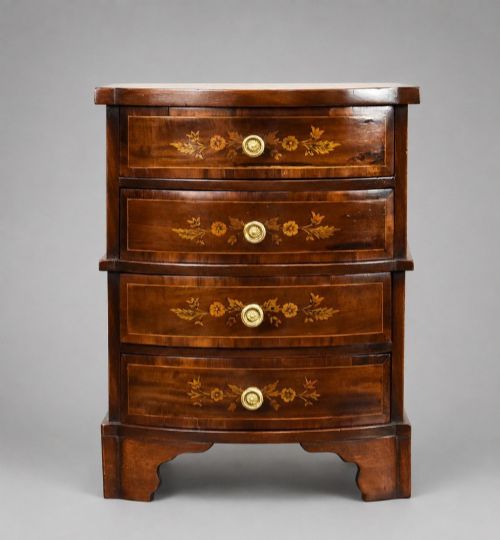
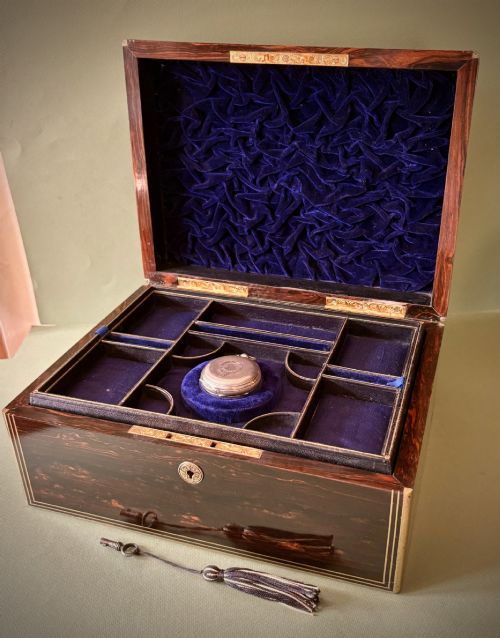
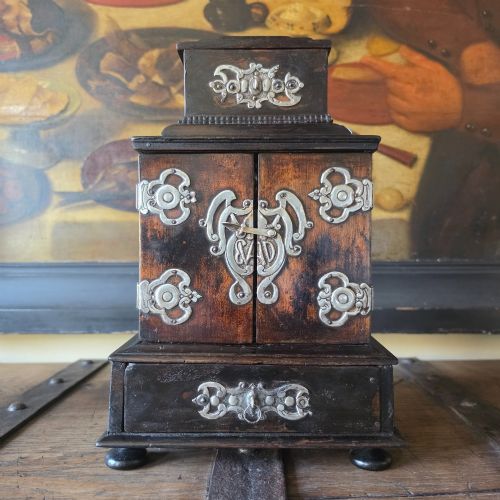
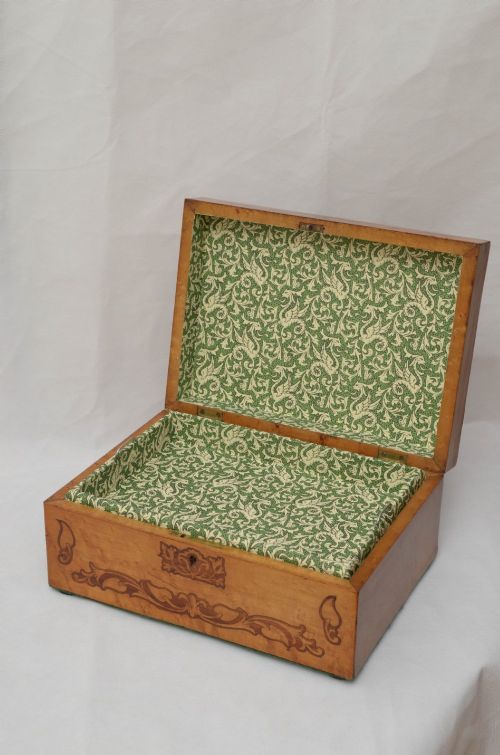
Antique wooden jewellery pieces span several practical forms including jewellery boxes, caskets, vanity boxes and miniature chests of drawers, often referred to as apprentice pieces. These objects served to store valuables, trinkets and personal items securely on dressing tables or desks.
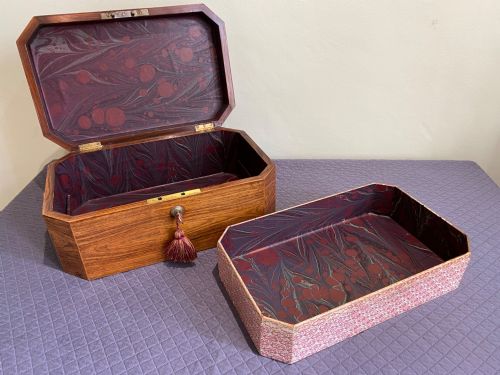
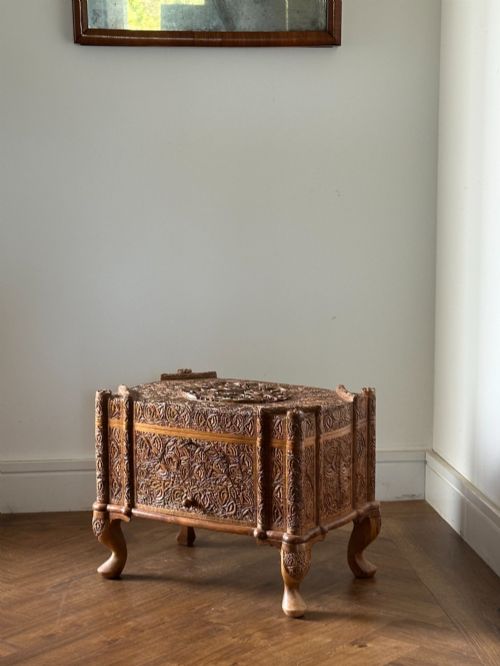
The pieces appearing most frequently originate from the Victorian and 19th-century periods, showcasing regional styles such as Anglo-Indian, Black Forest and Scottish cabinet-making. Common iterations range from plain tabletop chests to fully fitted caskets with internal trays and mirrors.
How they were made
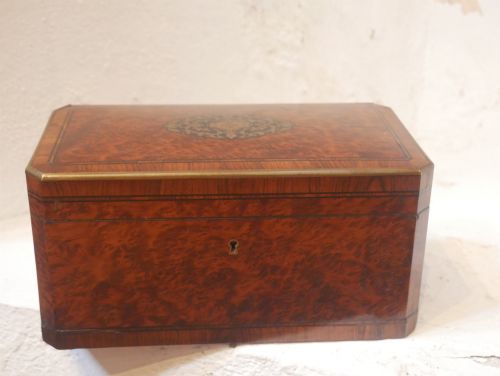
Cabinet-makers constructed these objects using dense timbers such as rosewood, walnut, mahogany and oak, often applying decorative veneers like amboyna, burr maple and coromandel. Surfaces frequently incorporate intricate contrasting inlays such as Tunbridge ware marquetry, mother-of-pearl and tulipwood.
Structural elements rely on traditional joinery paired with brass fittings, leather accents and glass components. Carved details appear on specific regional items like sandalwood sarcophagus caskets and Black Forest boxes.
Materials documented across the listings include brass, rosewood, walnut, mahogany, mother-of-pearl, glass, oak and various exotic wood veneers.
What varies in quality
The standard of execution depends heavily on the precision of the woodwork and the complexity of the internal fittings, such as partitioned trays and integrated mirrors. Superior examples maintain intact, original inlays and stable carcases without warping.
Distinction also lies in the choice of cabinet timbers and secondary woods, alongside the sophistication of brass hardware and locking mechanisms. Maker attribution, as seen in signed works, separates standard production boxes from exceptional studio pieces.
Tahan Paris·Edmund Nye
The Antique Wooden Jewellery Glossary
- Apprentice Piece
- A small-scale item demonstrating a woodworker's skill to attain master status. These often take the form of miniature chests of drawers.
- Tunbridge Ware
- A type of decorative woodwork characterised by tiny mosaic tiles formed from different coloured woods to create geometric or pictorial scenes.
- Sarcophagus
- A box shape featuring a sloping, domed lid reminiscent of ancient stone coffins. This form appears frequently in larger nineteenth-century caskets.
- Marquetry
- The art of applying pieces of veneer to a structure to form decorative patterns. It differs from inlay by assembling the pattern before affixing it.
- Burr Wood
- Wood taken from a tree growth where the grain has curled into small knots. It provides highly figured, mottled grain patterns highly prized for box veneers.
Antique Wooden Jewellery: Frequently Asked Questions
What are apprentice pieces used for?
Apprentice pieces functioned as miniature demonstrations of skill created by woodworkers learning their trade. They often served practical domestic roles as small chests for jewellery or keepsakes.
Over time, collectors valued these small-scale items for their meticulous detail and accurate representation of larger furniture forms.
How do I identify a Victorian jewellery box?
Victorian jewellery boxes typically feature dense woods like rosewood or walnut, often enhanced with brass banding or mother-of-pearl inlay. Interiors frequently include fitted velvet or satin trays designed for rings and watches.
Examining the construction methods, such as dovetail joints and brass lock plates, helps confirm the nineteenth-century production period.
What is Tunbridge inlay?
Tunbridge inlay involves arranging thousands of tiny, precisely cut blocks of naturally coloured wood to form a geometric or floral picture. This meticulous technique flourished in nineteenth-century England.
Boxes bearing this work display smooth, flush surfaces where the mosaic design integrates directly into the timber lid.
How should I clean antique wood?
Cleaning antique wood requires gentle dusting with a soft, dry cloth to prevent scratching the surface or delicate veneers. Avoid using modern silicone sprays or excessive moisture which can damage aged finishes.
Application of traditional beeswax polish occasionally helps nourish dry timbers while preserving the natural patina accumulated over the centuries.