


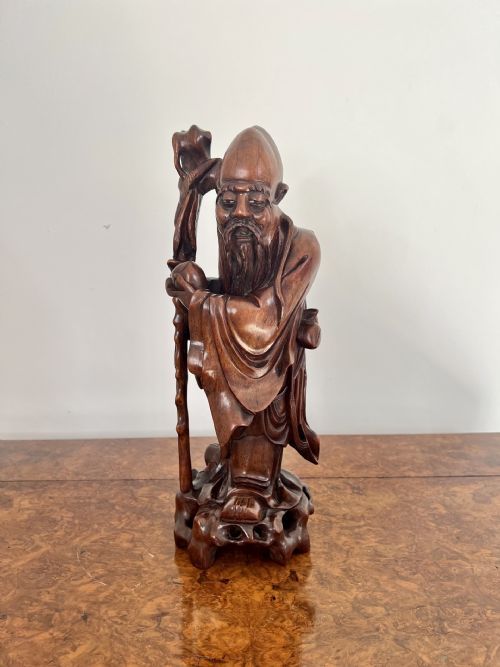


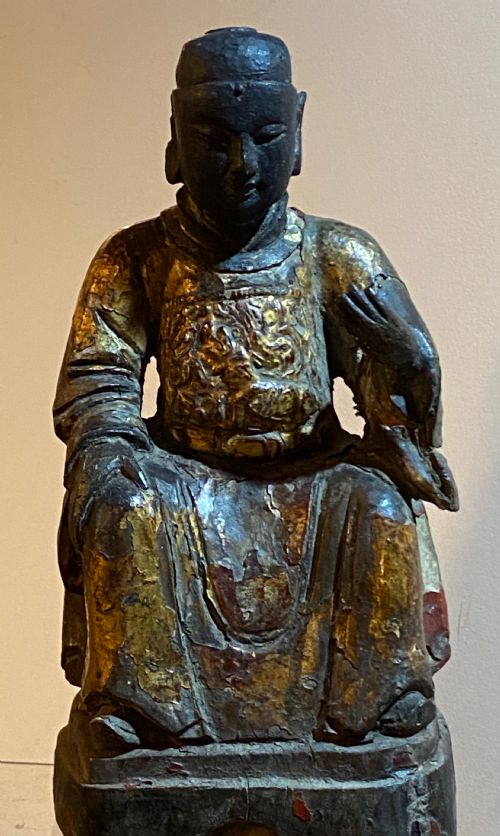


Antique Wooden Immortal Statue
An antique wooden immortal statue brings traditional Chinese craftsmanship and Daoist figures into a room.
Antique Wooden Immortal Statue
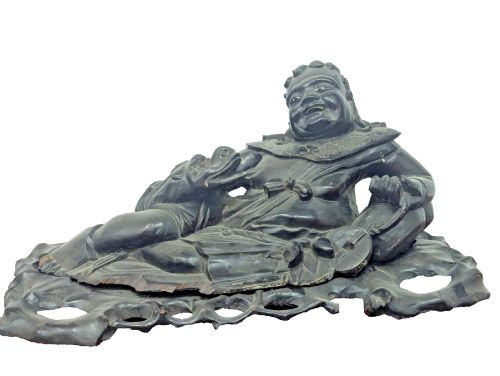
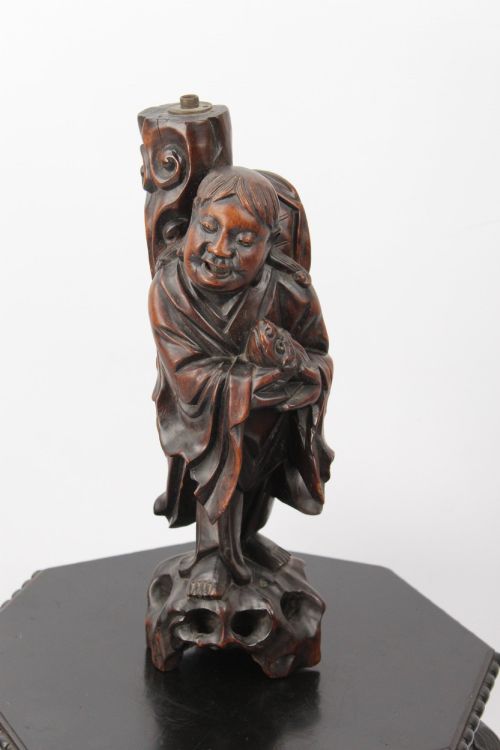
An antique wooden immortal statue represents Daoist immortals, deities, scholars, and figures such as Budai and Liu Hai. These sculptures emerge from Chinese traditions across the Qing dynasty, the late Qing and Republic period, and nineteenth-century workshops.
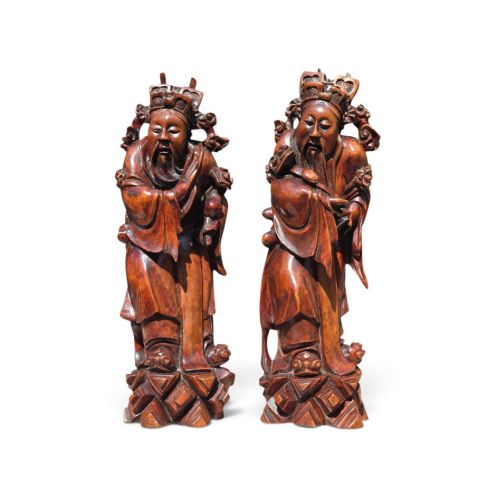
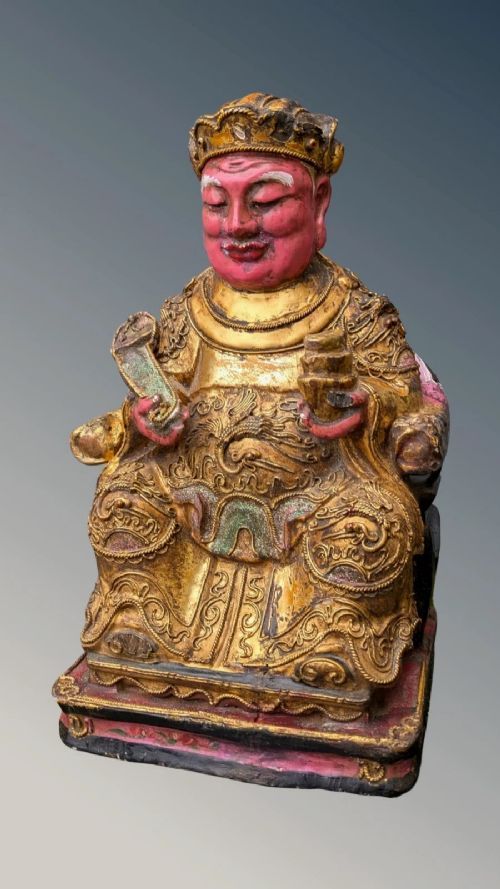
The pieces on this page include large carved hardwood figures, matched pairs, monumental sculptures, groups, and root wood carvings. Makers shaped these works from hardwood, burr wood, and root wood, occasionally applying gesso, gold leaf, or polychrome pigments.
Buyers encounter sculptures depicting specific mythical creatures alongside figures holding lotus or accompanied by elephants. The selection ranges from eighteenth-century examples to pieces created around nineteen hundred.
Materials and methods
Carvers worked directly with dense hardwoods and organic root wood, following the natural contours and burrs of the material to shape garments, facial expressions, and posture. Burr root wood carvings utilise the gnarled growth rings and natural knots of the timber to create dynamic texture.
Certain figures receive surface decoration through gesso and gold leaf applications, or polychrome paint highlighting robes and attributes. Artisans used traditional chisels and gouges to achieve deep undercut drapery and intricate facial details on the hardwood figures.
Antique Wooden Immortal Statue Retail Price Guide 2026
Typical asking prices for wooden immortal statue among the pieces listed under this phrase on Sellingantiques today, from the lower quarter to the upper quarter. They describe what is for sale here now, not the wider market.
Listings feature hard woods, burr woods, and root woods, alongside surface finishes including gesso, gold leaf, and polychrome pigments.
Quality and execution
The distinction between standard carvings and exceptional pieces rests upon the depth of the carving and the vitality of the posture. Master carvers exploited the grain of the hardwood to give movement to robes and expressions to the faces of immortals.
Scale and proportion also define the better examples, particularly in monumental pairs or complex groups featuring mythical beasts. The handling of root wood requires an eye that perceives the finished figure within the raw timber without overworking the natural material.
The Antique Wooden Immortal Statue Glossary
- Root wood
- Timber taken from the root systems of trees, prized for gnarled, twisted shapes that resemble mythical figures or landscapes. Carvers work with these natural formations rather than against them.
- Qing Dynasty
- The imperial dynasty ruling China from sixteen forty-four to nineteen twelve, encompassing periods of prolific sculptural output. Pieces from this era often reflect strict traditional iconography.
- Polychrome
- Painted in several colours, typically referring to surface decoration applied over gesso or directly onto wood. This technique brings realism and visual weight to the garments of deities.
Antique Wooden Immortal Statue: Frequently Asked Questions
How do I identify an immortal statue?
Immortal statues typically depict specific Daoist figures, scholars, or deities accompanied by distinct attributes such as lotus flowers, gourds, or mythical beasts. Their serene expressions and traditional robes separate them from ordinary secular figures.
Examination of the wood grain, tool marks, and wear patterns helps indicate whether a piece dates to the eighteenth or nineteenth century rather than later reproduction periods.
Where should I place a wooden statue?
These sculptures require stable indoor environments away from direct sunlight and sudden humidity changes to protect the hardwood or root wood. Placing them on a sturdy surface allows the carved details and natural grain to be viewed clearly from multiple angles.
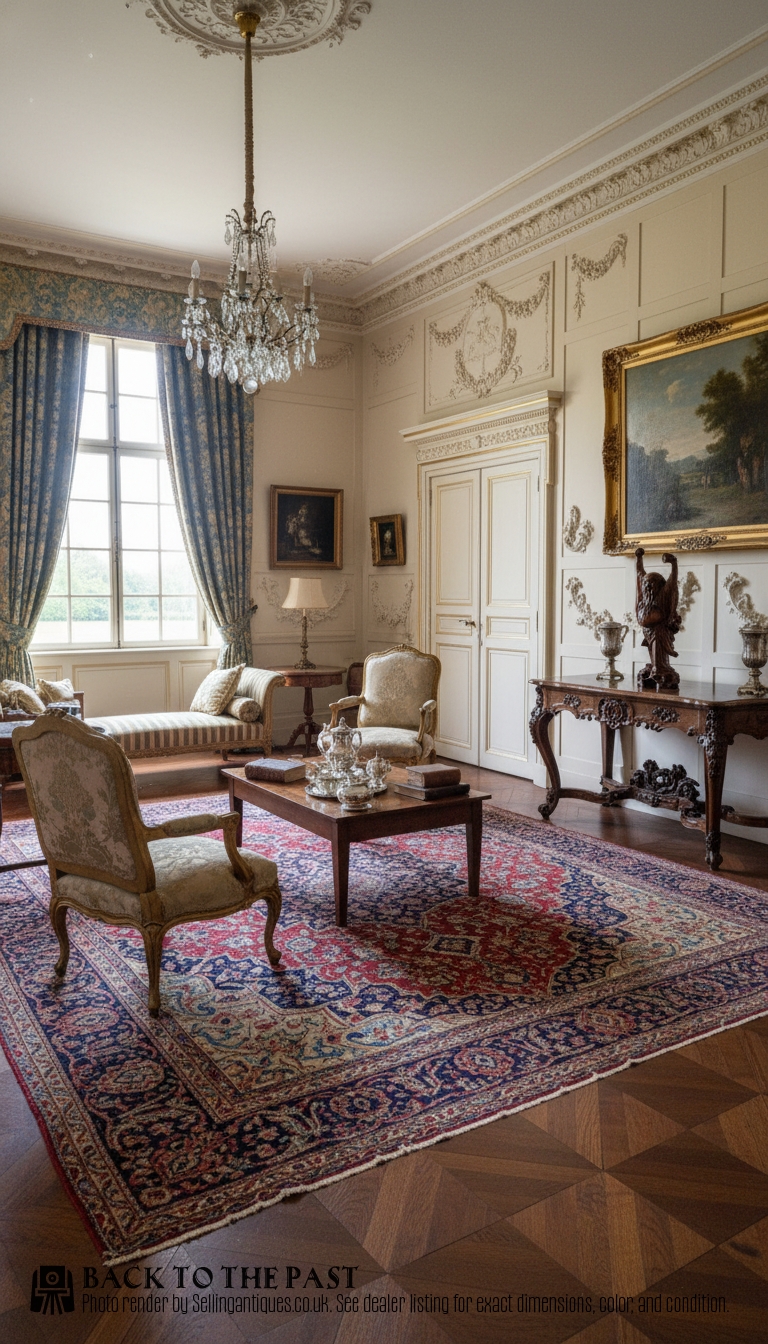
Pairing a statue with simple furniture or placing it within a quiet corner lets the scale and presence of the carving dominate the space.
What is the difference between root wood and hardwood?
Hardwood is harvested from the trunk of a tree and provides a uniform, dense medium for precise, intricate chisel work. Root wood uses the eccentric, twisted growth of underground timber where the natural form suggests the subject.
Root wood carvings celebrate the organic, untamed shapes of the material, whereas hardwood sculptures showcase deliberate anatomical precision and formal composition.
How do I care for antique carved wood?
Maintenance involves dusting gently with a soft, dry cloth and avoiding liquid polishes or chemical cleaners that might damage gesso or polychrome surfaces. Keeping the piece away from radiators prevents the timber from drying out and cracking.
Maintaining consistent room temperature preserves the structural integrity of both the wood and any applied gold leaf or paint.