




Antique Wooden Humidor
An antique wooden humidor keeps cigars right, ranging from Black Forest bears to Edwardian oak cabinets.
Antique Wooden Humidor
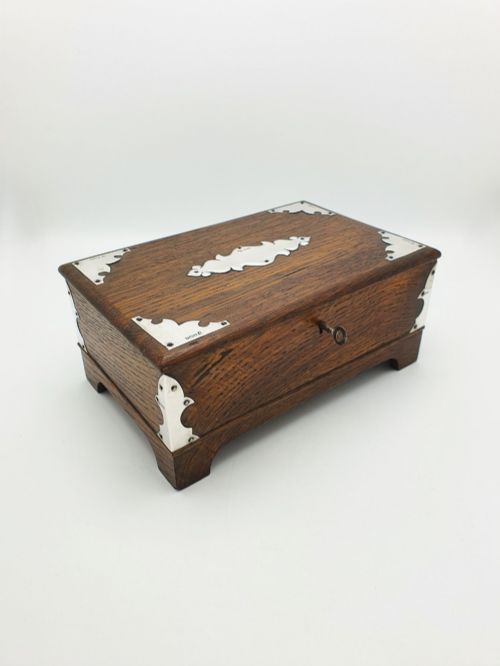
An antique wooden humidor serves as a storage box for keeping cigars and tobacco fresh. When you search for an antique wooden humidor, you encounter pieces designed for the gentleman's club or domestic smoking room.
The selection on this page centres on items from the nineteenth century, the Edwardian period, and the twentieth century. Forms span cigar boxes, tobacco jars, smoking cabinets, and novelty containers.
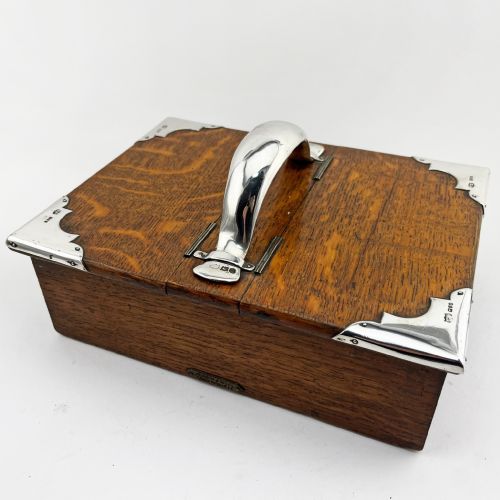
Oak and walnut dominate the offerings, alongside burr elm, fruitwood, pollard oak, and linden wood. Many examples incorporate brass mounts, silver plate, or sterling silver elements.
Materials and construction
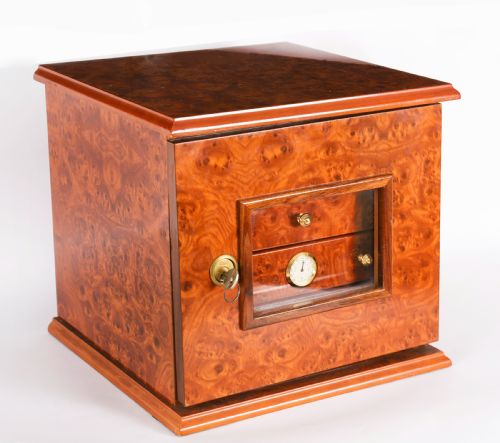
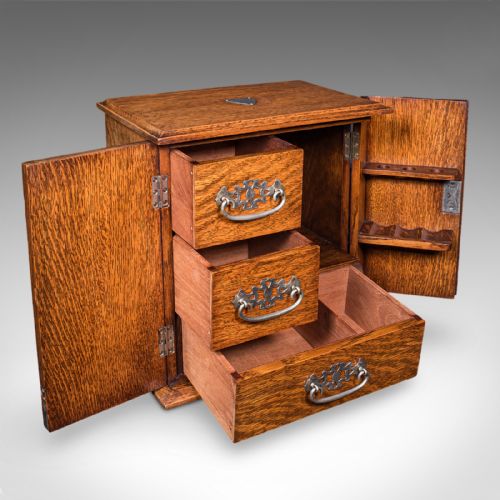
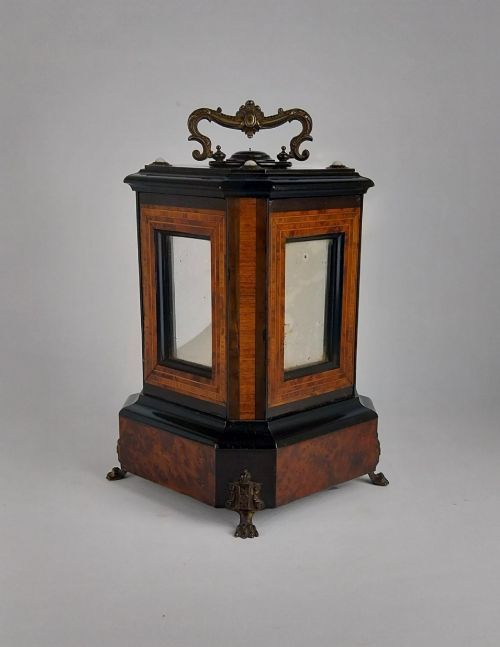
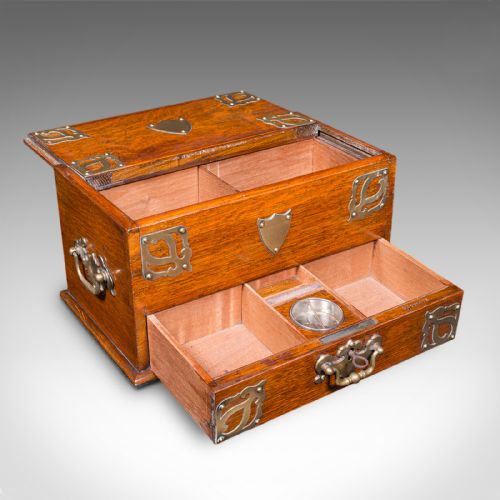
Cabinet makers utilised dense hardwoods such as oak, walnut, and cedar to build the main structures. Burr veneers added decorative grain patterns to the exterior surfaces of cabinet styles and desktop boxes.
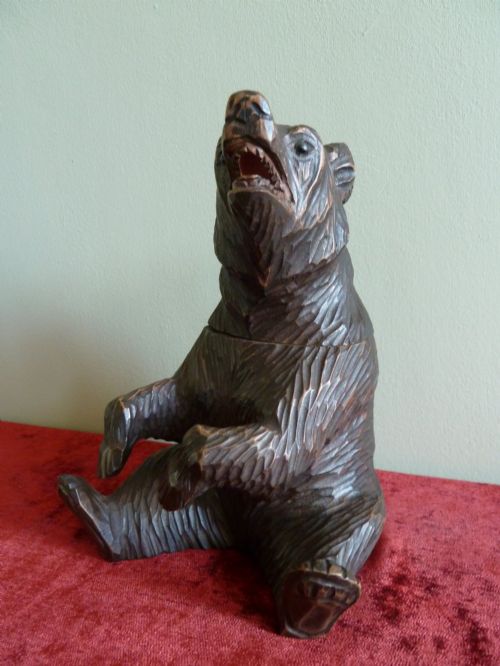
Carvers shaped linden wood and fruitwood into elaborate figural forms, particularly within the Black Forest tradition. Metal components, including brass hinges, locks, and silver mounts, secured the lids and drawers.
Listings feature oak, walnut, burr elm, fruitwood, and linden wood across the Victorian, Edwardian, and twentieth-century periods.
Quality variations
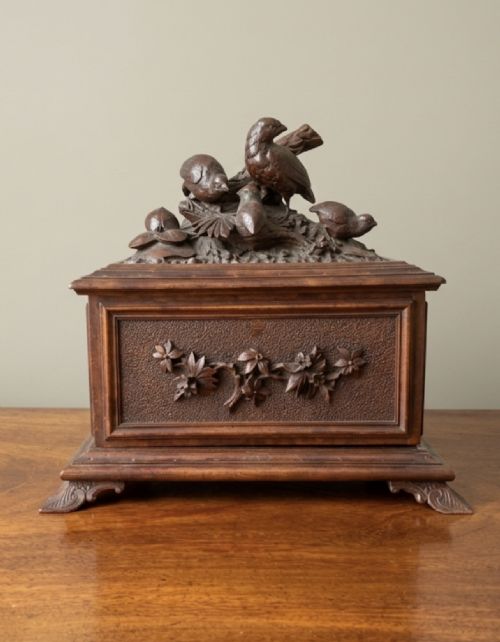
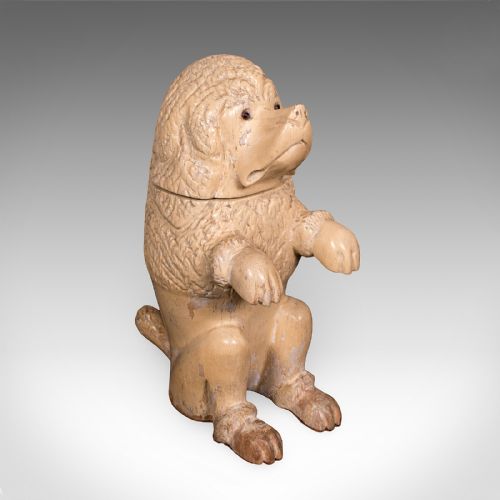
The standard of carving distinguishes plain boxes from sculptural Black Forest examples featuring bears, dogs, and poodles. Crisp detailing in the wood and the integration of hand-painted decoration elevate certain pieces.
Fittings and hardware set the tier of manufacture. Boxes equipped with sterling silver mounts, functioning locks, crystal decanters, or multiple internal drawers represent higher production grades than simple lidded jars.
Mappin & Webb·H. Upmann·Alfred Dunhill
The Antique Wooden Humidor Glossary
- Humidor
- A specialised box designed to store cigars while maintaining proper internal humidity. These containers often feature wooden linings and secure closures.
- Treen
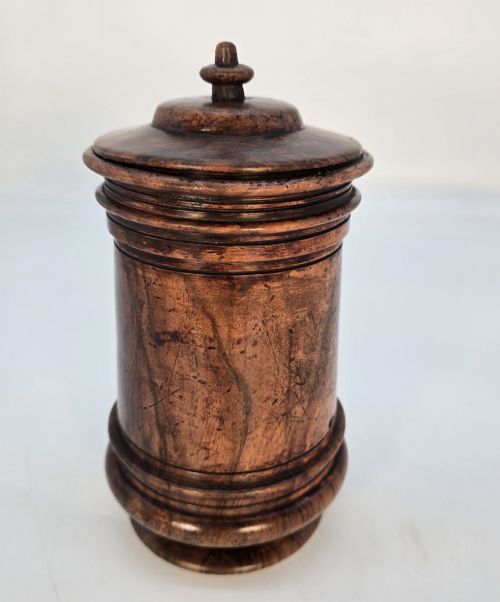
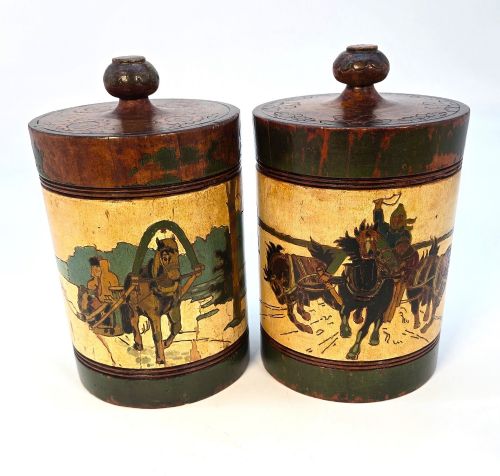
- Small handmade wooden objects for domestic use. This category includes nineteenth-century tobacco jars and containers.
- Black Forest
- A nineteenth-century carving style originating in Switzerland and Germany. Artisans produced highly detailed animal figures, such as bears and dogs, out of linden wood.
- Tambour
- A type of sliding door or shutter made of narrow wooden strips glued to a canvas backing. This mechanism appears on select twentieth-century cabinets.
- Tantalus
- A locking wooden frame holding decanters visible but secure. Examples in this category combine storage for drinks with smoking accessories.
Antique Wooden Humidor: Frequently Asked Questions
What is an antique wooden humidor used for?
These boxes stored cigars and tobacco to preserve moisture and flavour in the smoking room. Gentlemen kept them on desks or sideboards for daily access.
Today they function as decorative containers, desktop organisers, or display pieces for collectors of smoking accessories.
How do I date an antique humidor?
Dating relies on timber choices, construction techniques, and hardware styles. Oak and walnut bodies from the Victorian and Edwardian eras show distinct joinery methods.
Maker marks, silver hallmarks, and specific novelty forms like coal wagons or animal carvings help narrow the decade of manufacture.
What is Black Forest woodcarving?
Black Forest carving refers to nineteenth-century decorative woodwork from central Europe. Artisans specialised in realistic animal figures, including bears and dogs.
These pieces often double as tobacco jars or humidor boxes with hinged lids and carved fur textures.
Are these humidors lined with cedar?
Many period tobacco boxes and cigar cabinets utilised timber interiors to manage moisture. Cedar and oak appear frequently among the listings.
Original linings vary by maker, and some examples served more general storage roles for trinkets or cards.
How do I care for antique wood?
Preserve wooden surfaces by keeping them away from direct sunlight and sudden temperature shifts. Dust gently with a dry cloth.
Avoid harsh chemical polishes that can damage vintage wax finishes and exposed silver or brass mounts.