
Antique Wooden Figurine
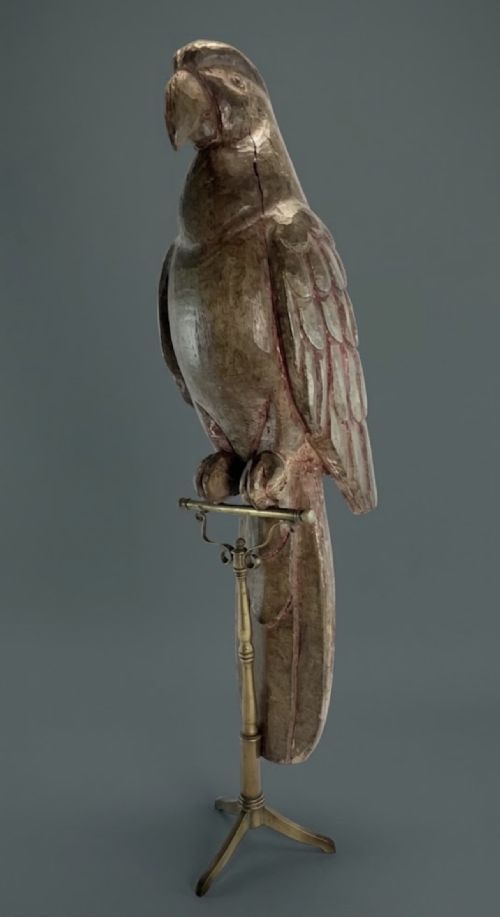
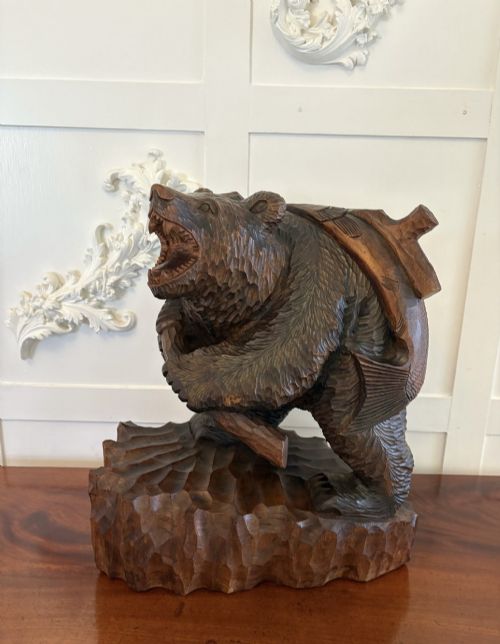
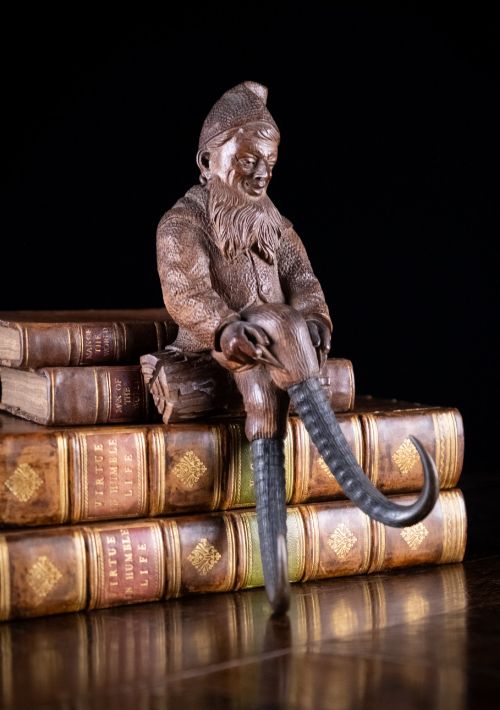
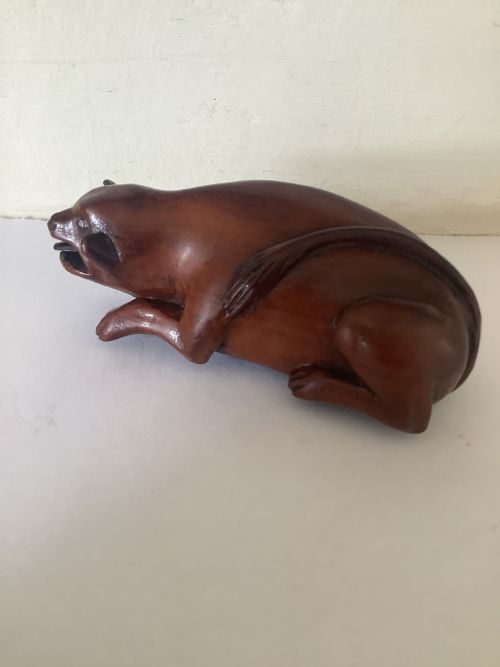
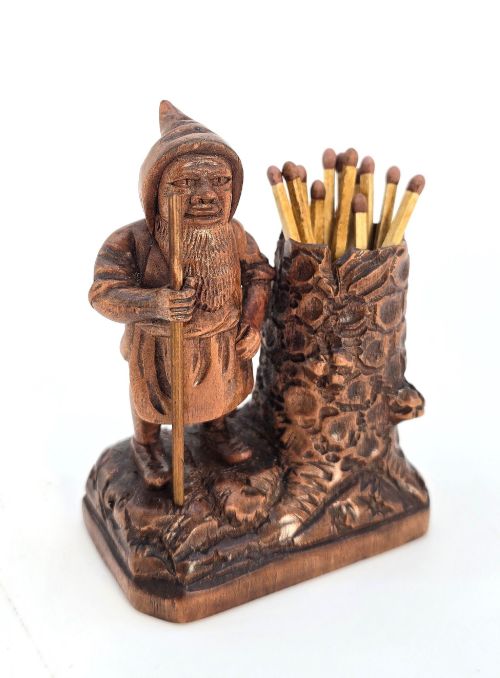
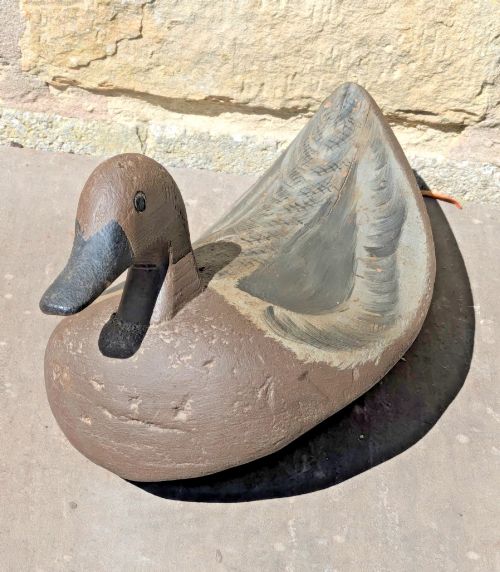
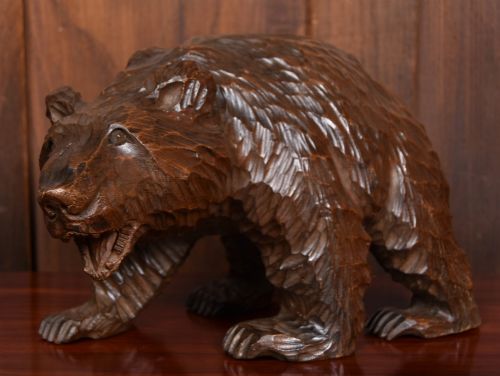
These antique wooden figurine pieces range from Black Forest bears to folk art animals, carved by hand to bring character into a room.
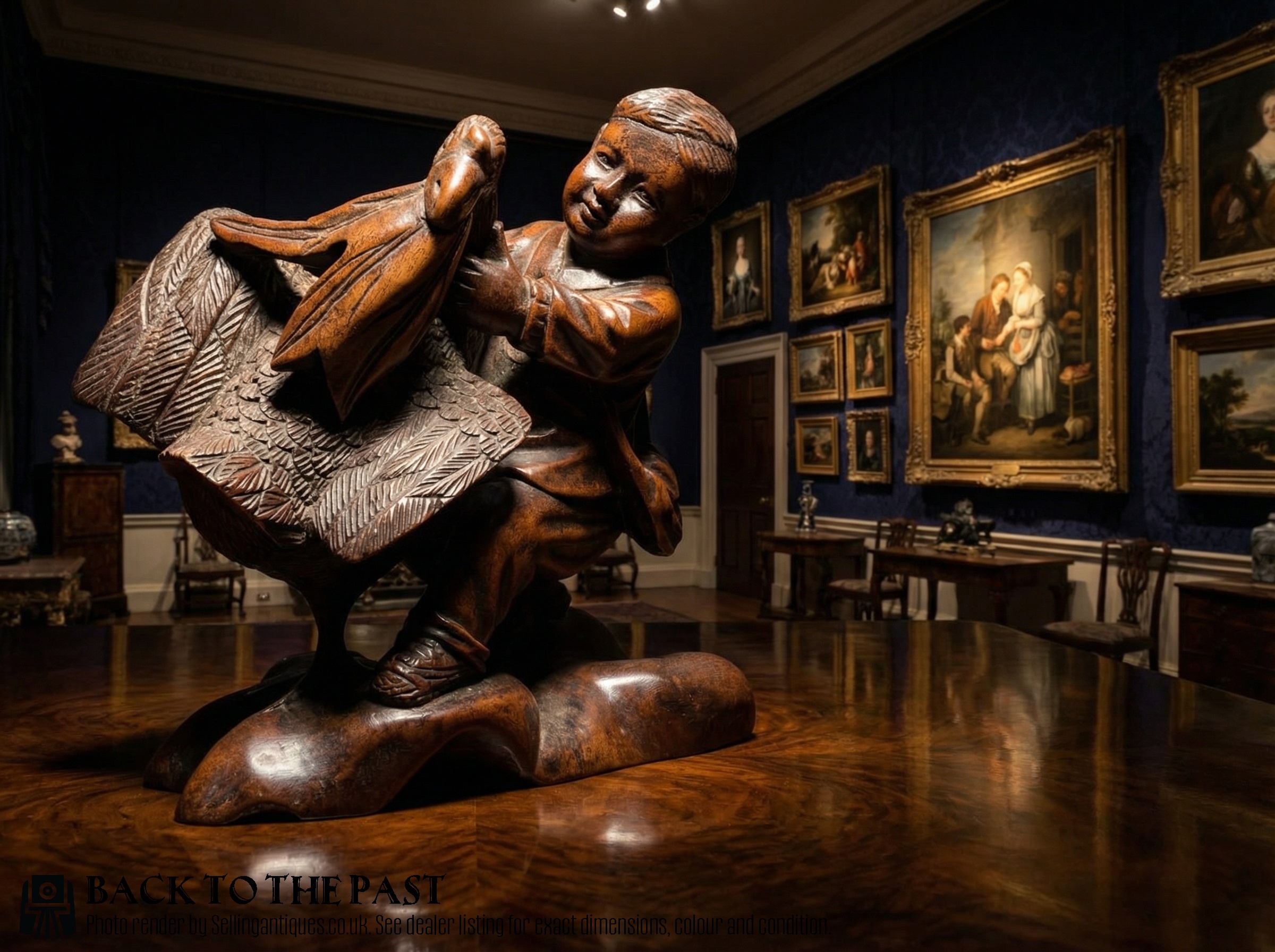
Antique Wooden Figurine
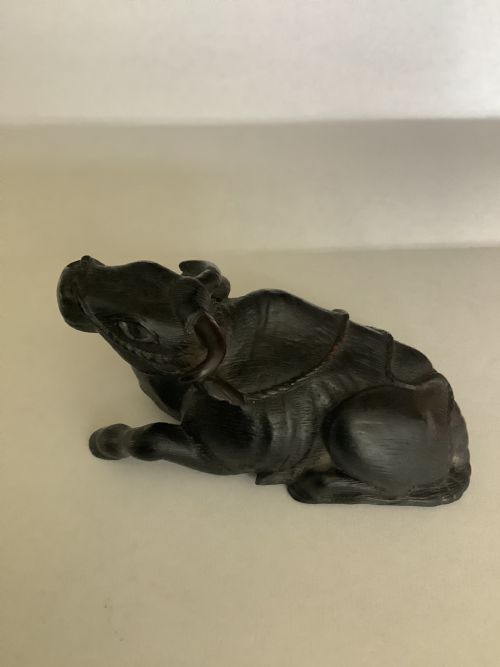
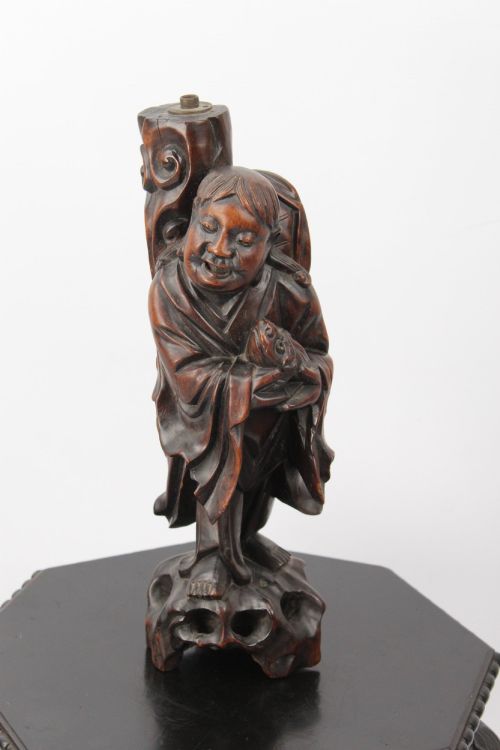
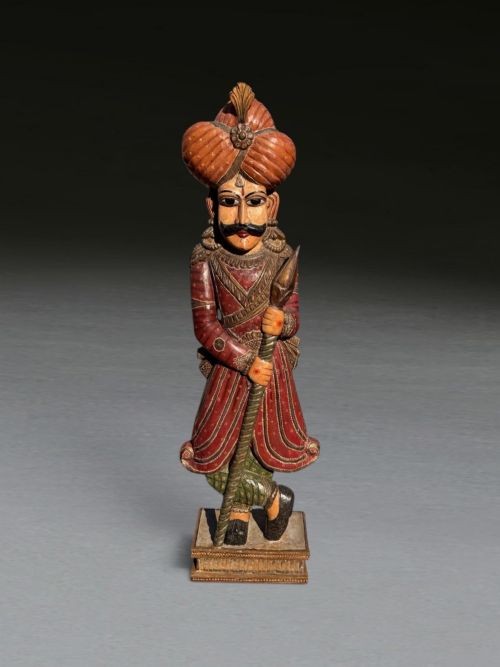
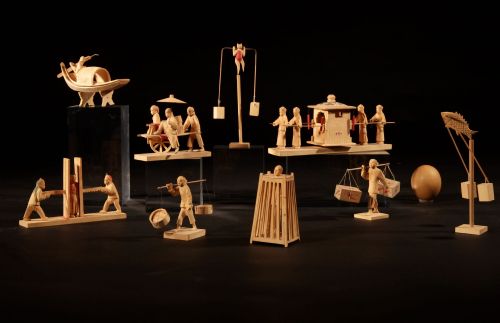
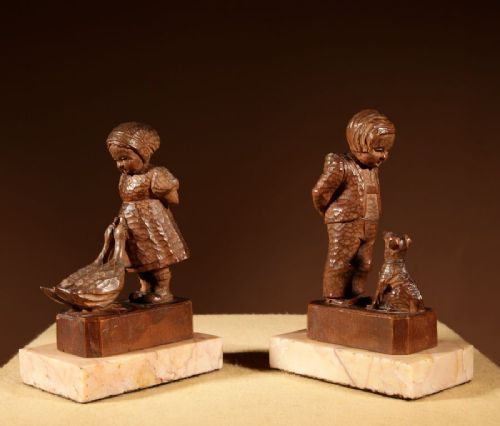
An antique wooden figurine encompasses carved representations of humans, animals, and mythological subjects originating from various global traditions. You will frequently encounter Black Forest carvings, folk art pieces, and Asian sculptures across these listings.
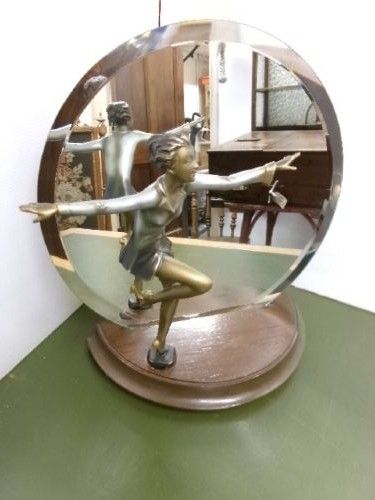
The objects span centuries from the eighteenth period through to the Art Deco era and the 1930s. Forms vary from small netsuke and snuff boxes to substantial decorative sculptures and bookends.
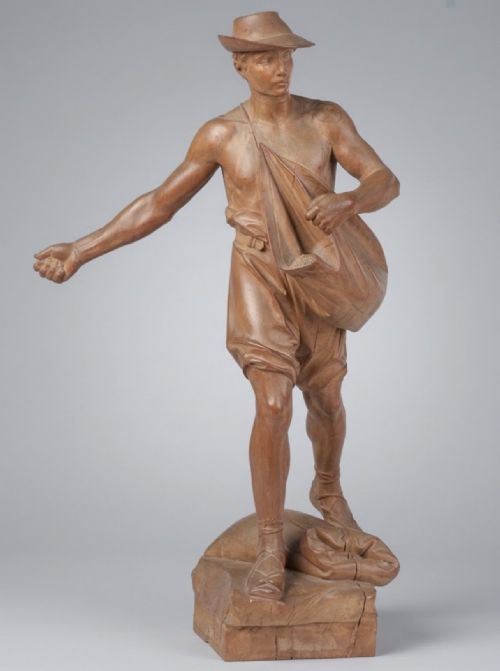
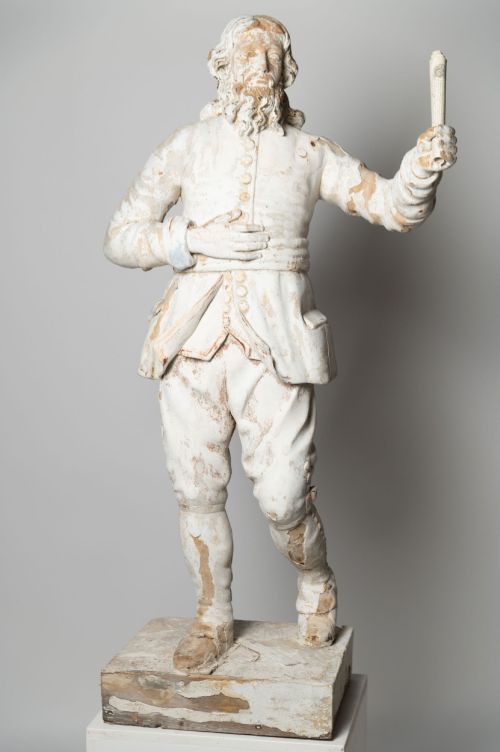
Makers utilised regional timbers to shape domestic animals, soldiers, saints, and foreign figures. Each piece reflects the aesthetic and sculptural priorities of its specific geographic origin and date.
Materials and Carving Techniques
Carvers shaped these figures predominantly from solid timbers such as linden wood, limewood, walnut, fruitwood, oak, and exotic hardwoods. Selected pieces also incorporate hand-painted pigments, glass eyes, or applied metal hardware like brass stands.
Artisans employed traditional hand chisels and gouges to realise intricate textures, from fur and feathers to facial expressions and drapery. Tool marks often remain visible on the reverse or undersides of folk art and tribal examples.
Materials represented include limewood, fruitwood, golden oak, teak, boxwood, and painted surfaces alongside mixed media like glass and brass.
Defining Quality in Carved Wood
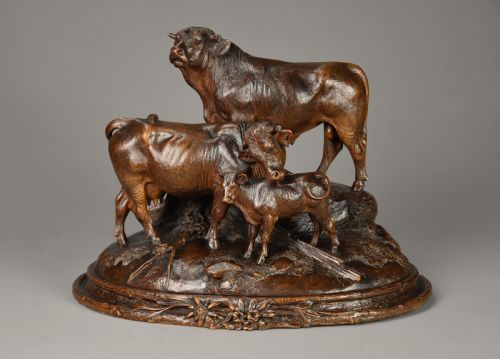
The ambition of the carving separates standard workshop output from exceptional examples. Master carvers achieved anatomical conviction and deep undercut details in subjects like bears, cattle, and human figures.
Surface finish and original patination dictate visual success. Retained tool work, minimal restoration, and well-preserved wax or painted surfaces distinguish superior historical pieces from lesser or later work.
J HUGGLER
The Antique Wooden Figurine Glossary
- Black Forest
- A regional style of wood carving originating from the mountainous region of central Europe, famous for lifelike bears and forest animals. Pieces are typically rendered in limewood or linden wood.
- Folk Art
- Utilitarian or decorative objects created by self-taught or provincial makers outside academic traditions. These carvings often display naive proportions and charming regional character.
- Netsuke
- A small Japanese toggle carved from wood or boxwood used to secure a pouch or small container to a traditional garment sash. They feature intricate detail and often carry signature marks.
- Raj Period
- Artefacts produced during the British rule in India, encompassing teak and hardwood figures of elephants and local inhabitants. These works combine native craftsmanship with colonial subject demand.
Antique Wooden Figurine: Frequently Asked Questions
What wood types are most common?
Carvers utilised a variety of timbers depending on local availability and regional traditions. Linden wood, limewood, and walnut appear frequently in European workshops.
Heavier tropical timbers such as teak and assorted hardwoods feature in pieces originating from Asian and African regions.
How do I identify Black Forest carvings?
Black Forest pieces are typically rendered in pale limewood and focus on naturalistic animal subjects. Bears, deer, and alpine goats dominate this specific category.
Many examples incorporate functional elements such as inkwells, match strikers, or bookends while maintaining high sculptural detail.
Are these figures signed by artists?
Certain pieces bear maker signatures, stamps, or dates carved directly into the timber or marked on attached labels. Names like J Huggler represent documented Swiss workshop production.
Many folk art and tribal objects remain unsigned, reflecting the anonymous nature of traditional village craftsmanship.
How should I clean antique wooden figures?
Dust figures gently with a soft dry brush to remove particles from deep carved crevices. Avoid using water, harsh detergents, or modern furniture polishes on historic timber surfaces.
Maintaining a stable indoor humidity prevents the wood from drying out and developing splits or structural cracks.