

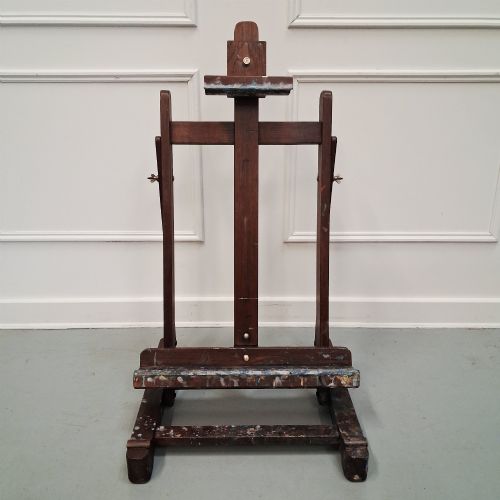
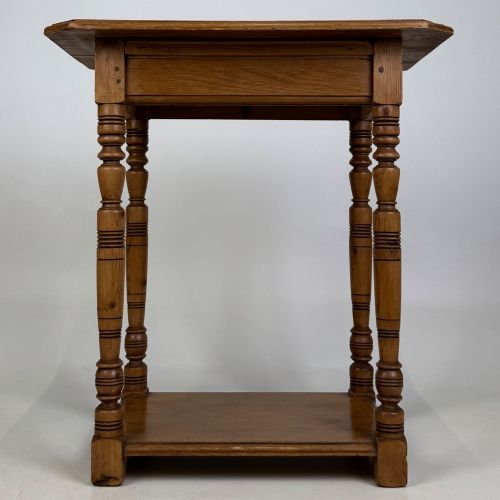
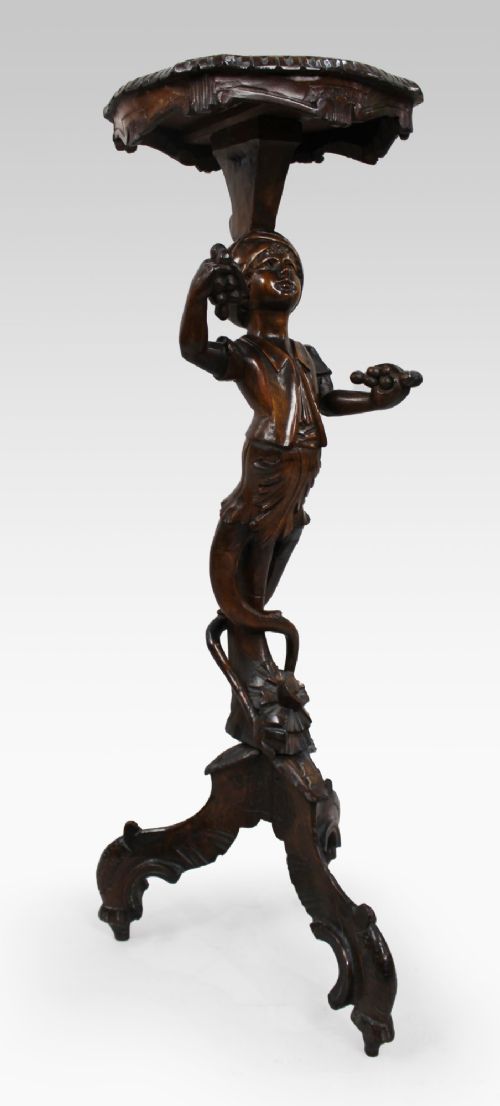
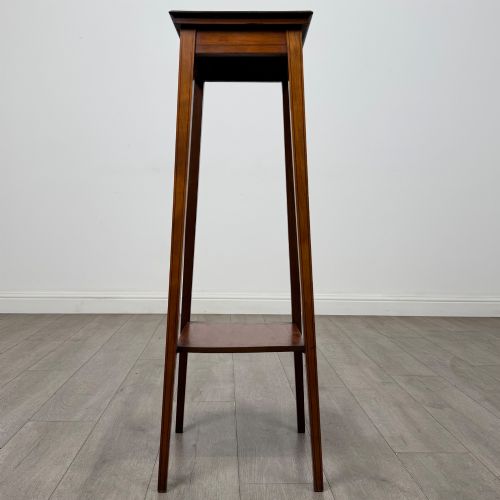
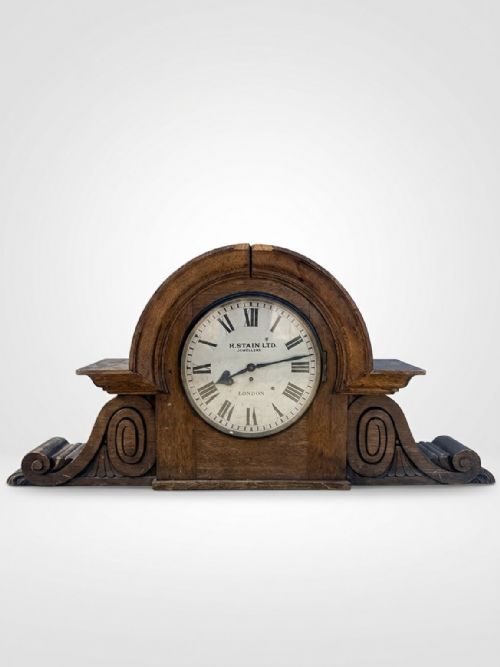
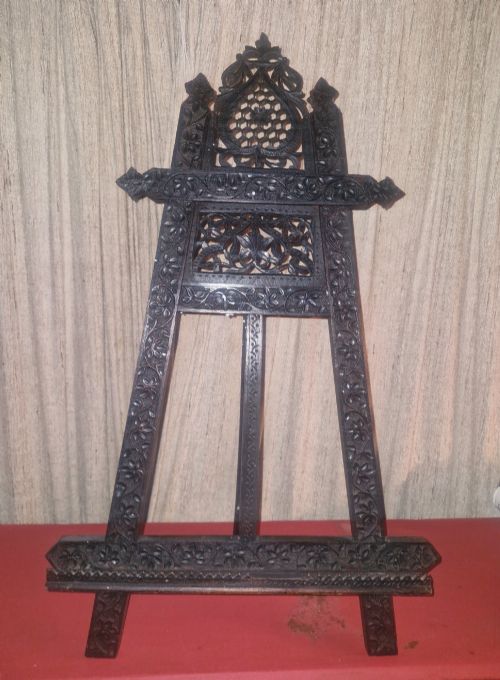
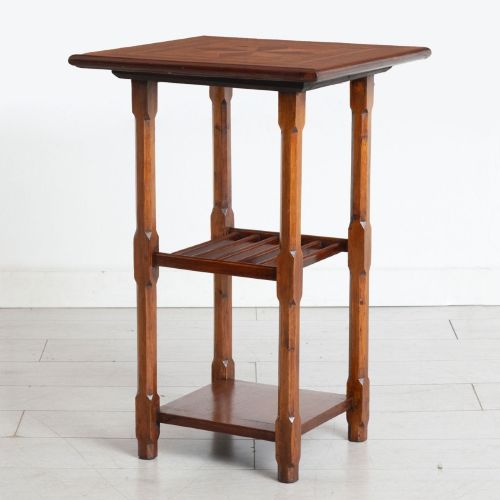
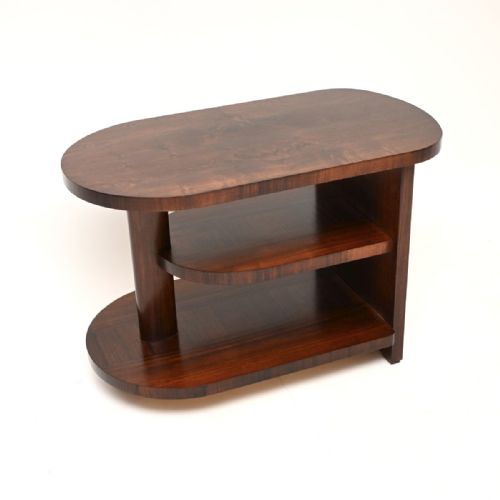
Antique Wooden Display Table
An antique wooden display table brings character to a room while holding ornaments, plants or small collections.
Antique Wooden Display Table
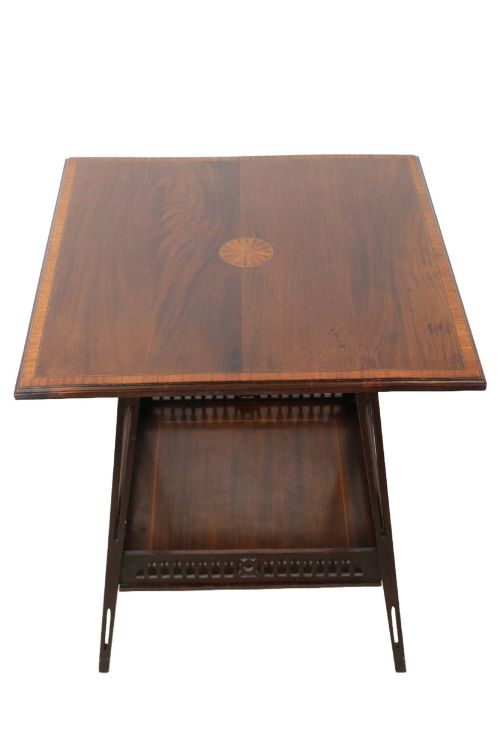
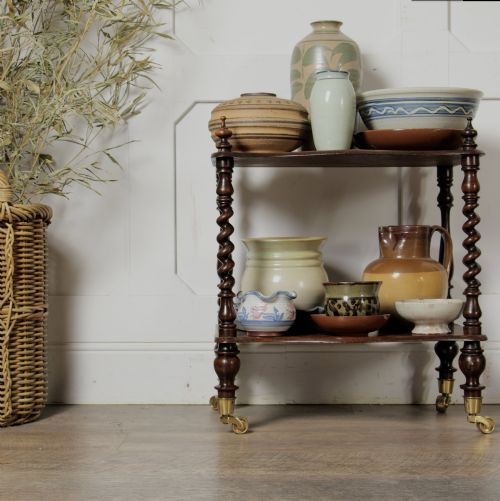
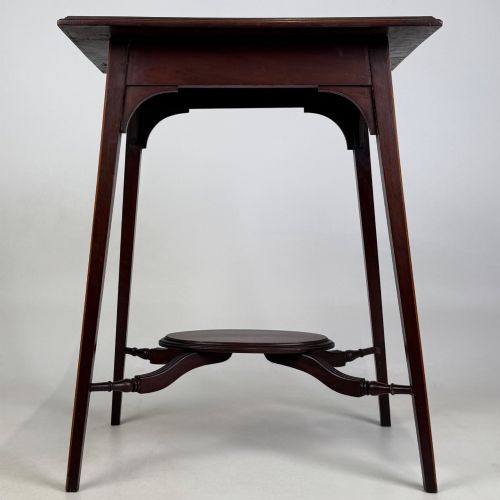
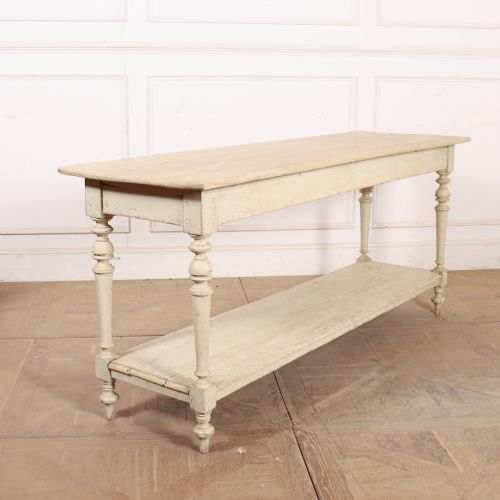
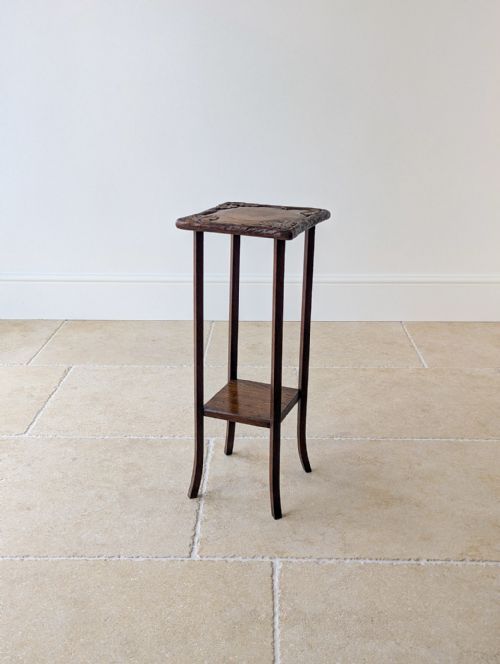
An antique wooden display table encompasses varied forms such as plant stands, occasional tables, side tables, and tier-based whatnots designed to showcase objects. These pieces emerge predominantly from Victorian, Edwardian, and twentieth-century periods, alongside nineteenth-century examples.
Makers and workshops utilise dense timbers to construct surfaces suitable for display within domestic interiors. Buyers encounter items ranging from simple oak plant stands to inlaid mahogany side tables and French walnut etageres.
Materials and Techniques
Craftsmen construct these display pieces using solid woods and veneers including mahogany, oak, walnut, satinwood, rosewood, and beech, frequently combined with glass and brass elements. Structural stability relies on turned legs, barley twists, and tiered platforms.
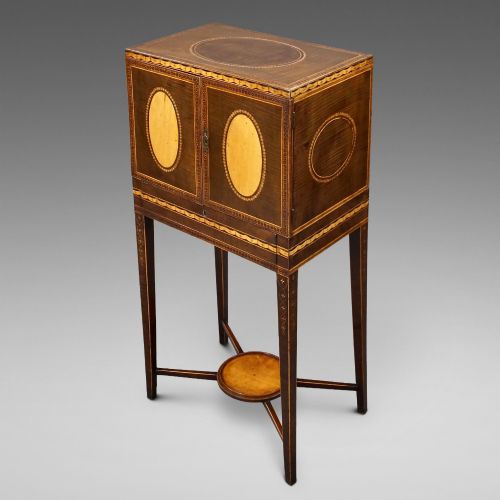
Surface decoration involves marquetry inlay, carving, and painted finishes applied during the nineteenth and early twentieth centuries. Joinery techniques secure multi-tiered structures designed to bear the weight of decorative items.
Listings feature woods such as mahogany, oak, walnut, satinwood, and rosewood across Victorian, Edwardian, and twentieth-century periods.
Judging Quality
Quality rests in the crispness of carved details, the precision of wood inlay, and the structural integrity of joints across tables and stands. Finer examples display carefully selected timber grains and balanced proportions.
The choice of secondary timbers and the refinement of brass hardware distinguish standard production from superior workshop output. Execution of turned elements and applied decoration indicates the maker's competence.
Trevor Page And Co·Shoolbred·Mappin Bros·Liberty Of London
The Antique Wooden Display Table Glossary
- Whatnot
- An open set of shelves used for displaying ornaments or books. These tiered wooden pieces date frequently to the Victorian and Edwardian eras.
- Inlay
- A decorative technique where contrasting woods or materials are set into the surface timber. This method appears commonly on Edwardian mahogany tables.
- Plant stand
- A tall, narrow table or pedestal designed to hold a potted plant or jardiniere. Examples span oak, satinwood, and carved hardwood.
- Etagere
- A piece of furniture consisting of a set of open shelves for display. French walnut and mahogany versions provide multiple tiers for small objects.
Antique Wooden Display Table: Frequently Asked Questions
What distinguishes a plant stand from a side table?
Plant stands typically feature smaller top surfaces and taller proportions designed to elevate a single pot or vase.
Side tables offer broader surfaces intended for lamps, books, and decorative objects within living spaces.
How do I identify an Edwardian display table?
Edwardian pieces date from the early twentieth century and frequently incorporate light mahogany or satinwood timbers with delicate inlaid decoration.
Design influences from this period lean toward lighter forms compared to heavier preceding Victorian furniture.
Where should I place a tiered whatnot?
Tiered whatnots suit corners or empty wall spaces where multiple shelves can hold small collectibles without blocking room flow.
Their open construction allows light to pass through while providing vertical display capacity.
Are these tables suitable for everyday use?
Solid construction in hardwoods like oak and mahogany equips these tables for holding lamps, clocks, and everyday items.
Care should be taken with polished surfaces to protect against moisture from plants or drinking glasses.