

Antique Wooden Display Column
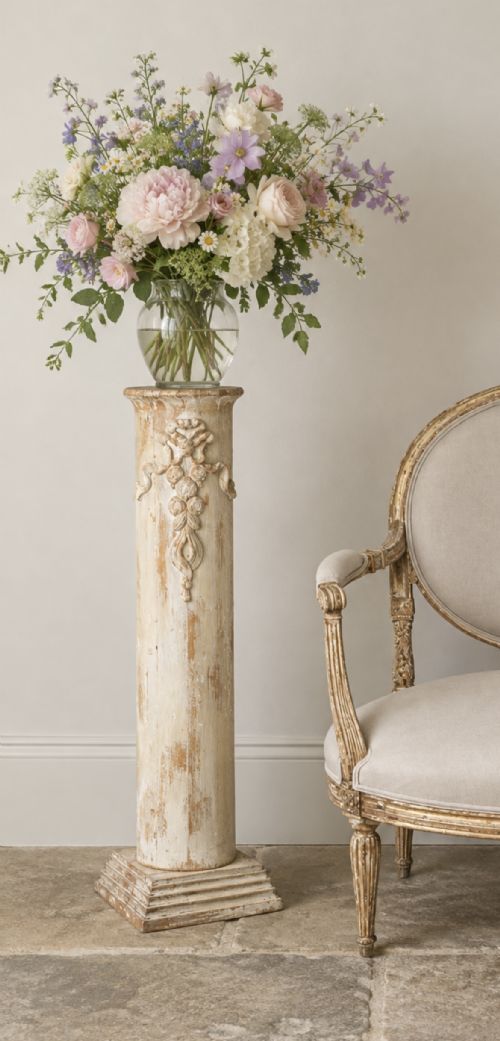
An antique wooden display column raises a bust or plant above the floor, bringing height and presence to a room.
Antique Wooden Display Column
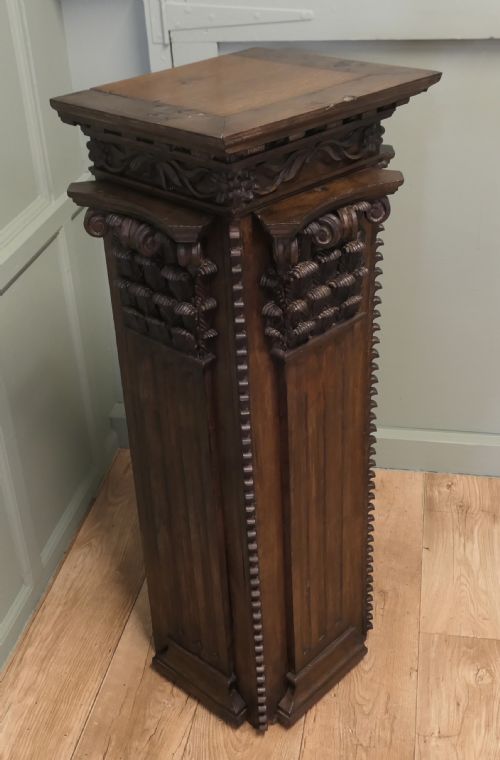
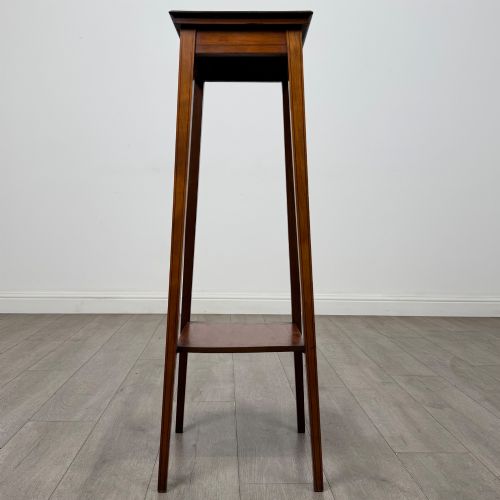
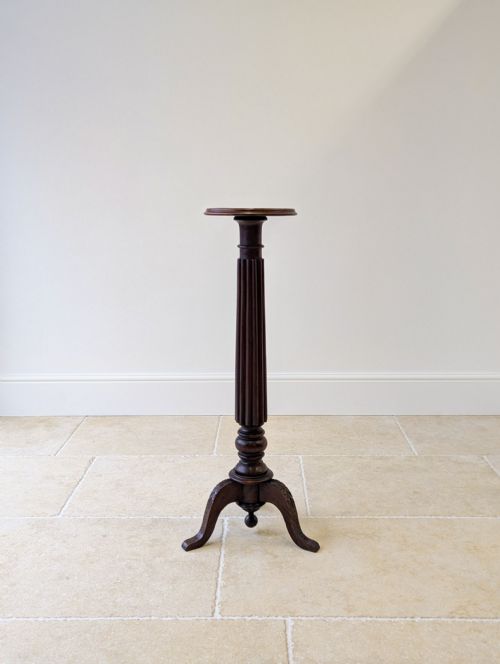
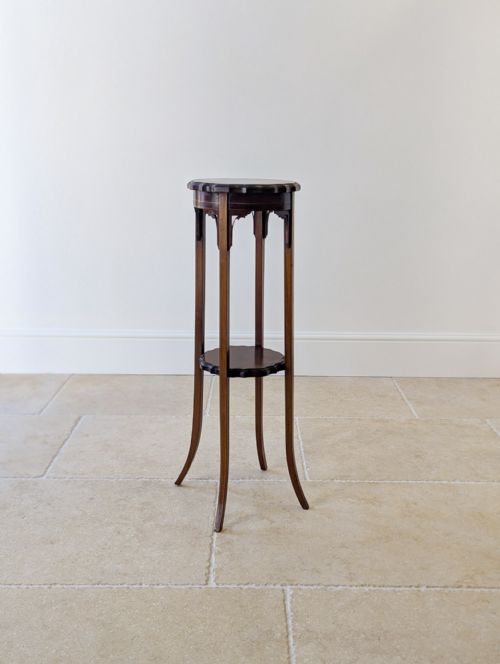
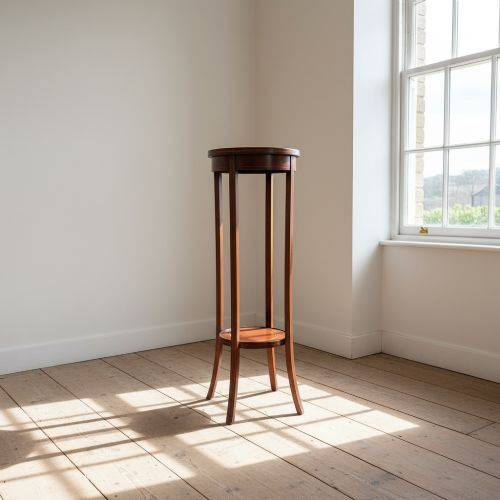
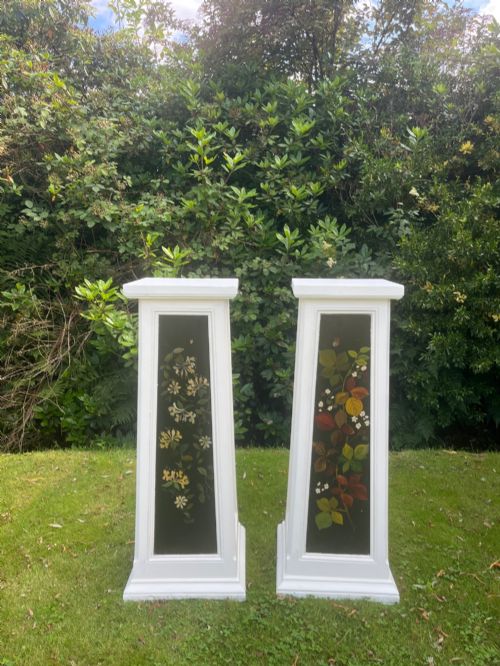
An antique wooden display column serves primarily as a pedestal, plant stand, or torchere to elevate decorative objects within a space. You will frequently encounter tall mahogany columns and walnut pedestals dating from the Victorian and Edwardian periods.
The listings on this page span the eighteenth, nineteenth, and early twentieth centuries, encompassing styles from Georgian to Aesthetic Movement. Makers utilised these vertical supports to display sculptures, urns, and botanical specimens in domestic interiors.
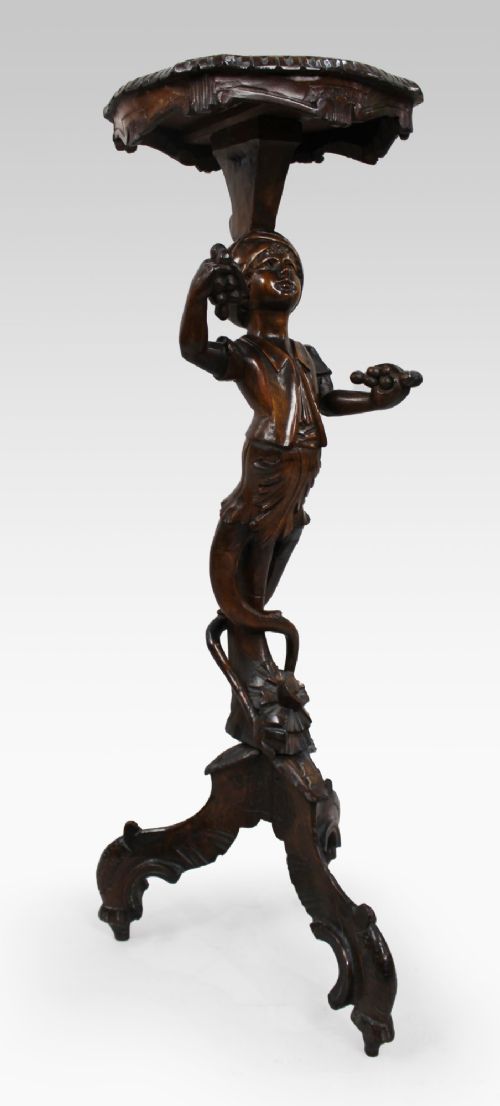
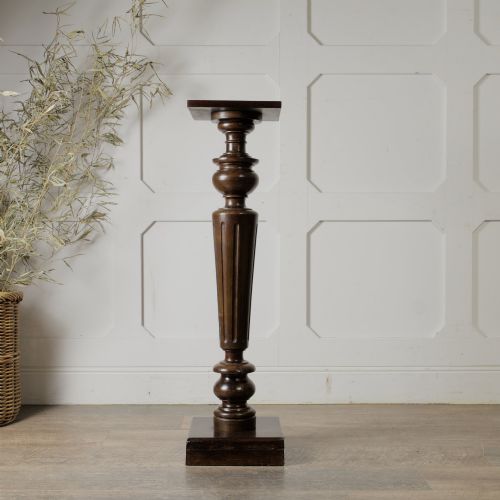
Forms range from simple turned plinths in solid pine or oak to elaborately carved figural stands and triform pedestals. Regional variations include Swedish birch columns and Italian walnut stands alongside English country house pieces.
How they were made
Cabinetmakers constructed these supports using dense timbers such as mahogany, walnut, oak, and satinwood, frequently employing turning lathes to shape central columns. Joinery techniques included pegged joints and secure base platforms to bear heavy loads safely.
Surface treatments involved hand-applied polish, paint, or ebonisation to accentuate the grain and colour of the wood. Brass mounts and inlay work appeared on specific pieces, particularly during the Edwardian and Aesthetic Movement periods.
Mahogany and walnut are the dominant timbers across these columns, accompanied by oak, satinwood, and ebonised wood.
What varies in quality
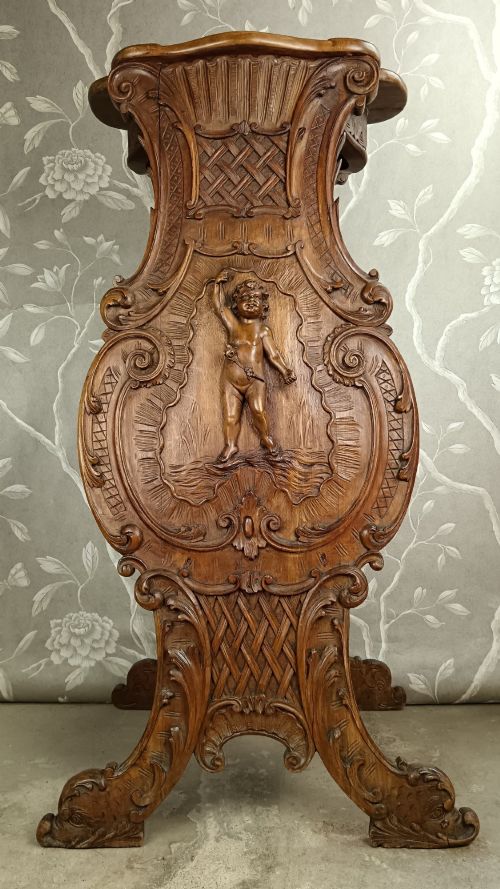
The degree of hand-carved detail and the selection of timber dictate the standing of a column. Figural carving, solid mahogany construction, and intricate inlay distinguish exceptional examples from simpler turned stands.
Proportion and stability separate standard utility pieces from fine decorative furniture. Superior columns balance height with a weighted base, maintaining structural integrity while displaying elaborate design work.
Shoolbred·Gillow & Co.
The Antique Wooden Display Column Glossary
- Torchere
- A tall, slender stand designed to support a lamp, urn, or decorative object. These pieces often feature circular tops supported by carved columns.
- Solomonic
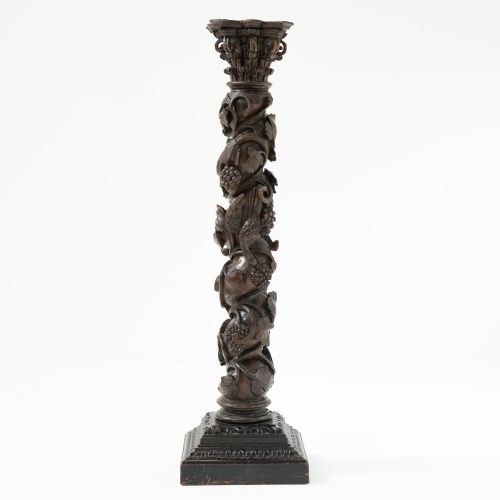
- A column shape characterised by a helical twist, resembling a spiral. This classical form appears on eighteenth-century oak pieces.
- Triform
- A base or stand possessing three sides or three supporting feet. This configuration provides stability for tall vertical columns.
- Whatnot
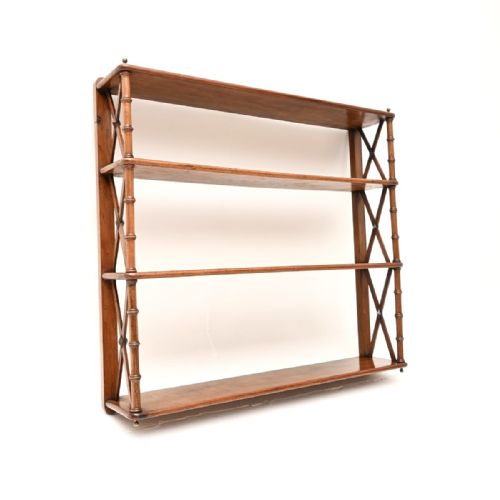
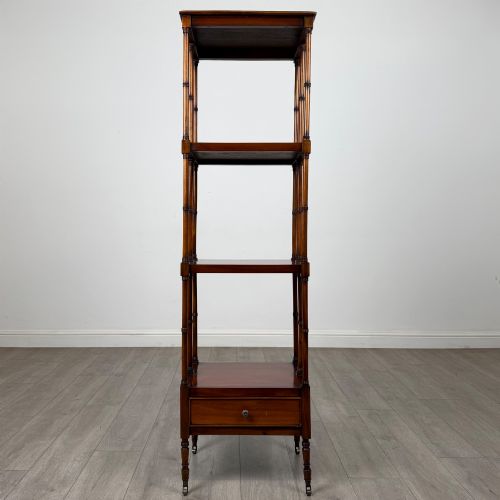
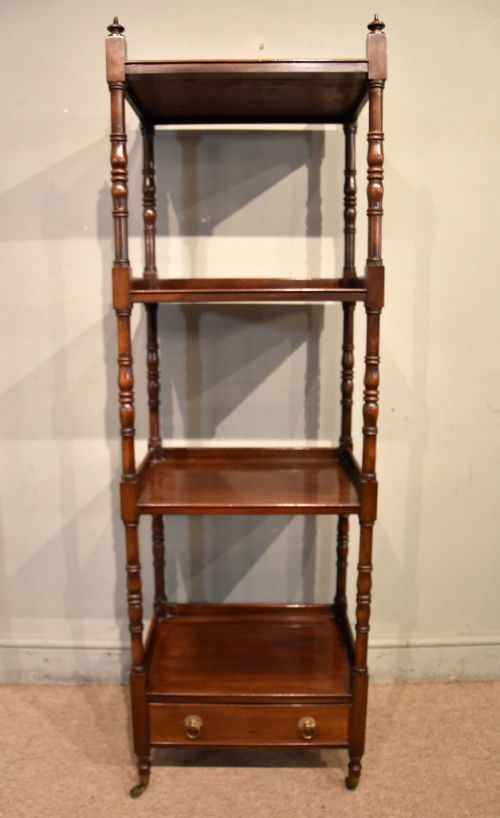
- A set of open shelves used for displaying ornaments and books. These multi-tiered pieces utilise woods such as mahogany and walnut.
- Ebonised
- Wood treated with a dark finish to imitate ebony. This technique gained popularity during the Victorian and Aesthetic Movement eras.
Antique Wooden Display Column: Frequently Asked Questions
What is an antique wooden display column used for?
These vertical stands support items like busts, urns, plants, and sculpture, lifting them to eye level in a room.
They function as architectural accents in hallways, drawing rooms, and studies, putting decorative objects on prominent display.
How do I identify a Victorian column?
Victorian examples frequently utilise dense mahogany or walnut, often featuring deep hand-carving and turned shafts.
Stands from this era align with stylistic revivals such as the Aesthetic Movement or Italian Renaissance styles.
Are these stands stable enough for heavy items?
Most columns incorporate weighted bases or triform feet designed to distribute weight evenly and prevent tipping.
Heavier marble busts or large planters require solid wood construction and sturdy internal joinery to remain secure.