

Antique Wooden Dining Desk
An antique wooden dining desk bridges domestic utility and seating across centuries of craftsmanship.
Antique Wooden Dining Desk
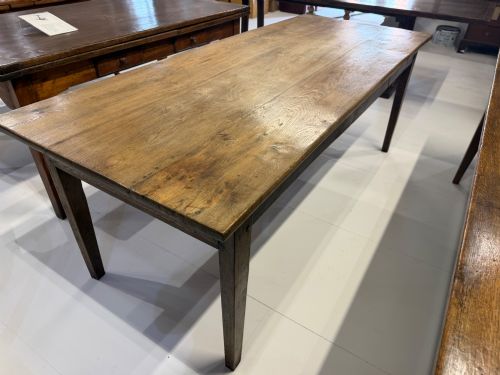
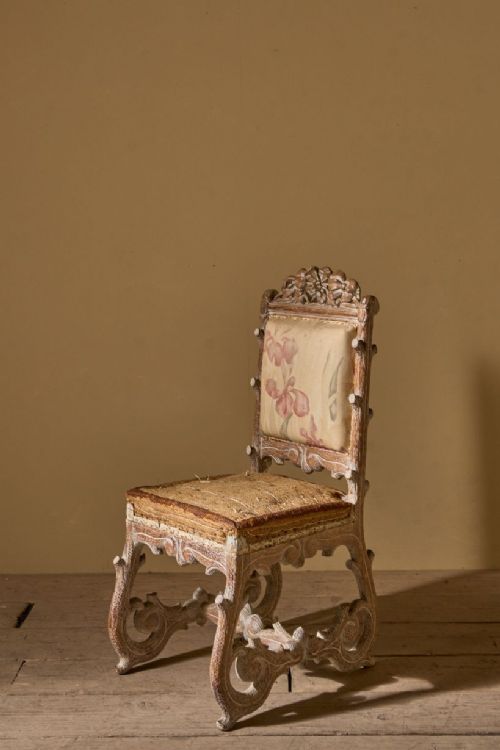
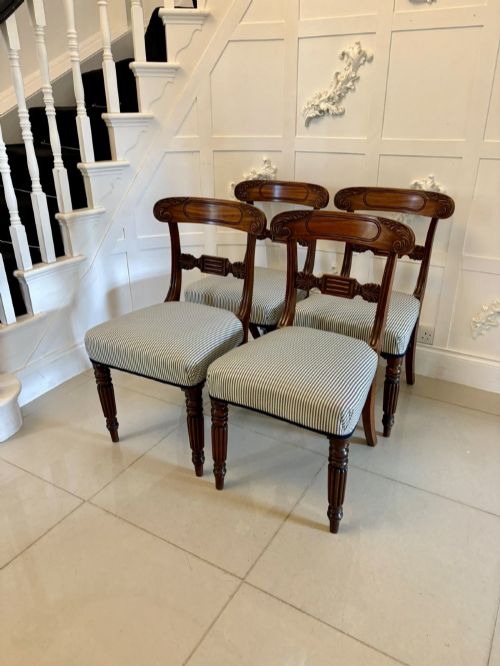
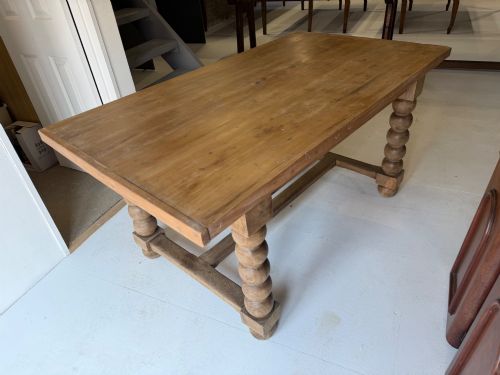
Buyers seeking an antique wooden dining desk encounter a diverse assortment of seating and tables originating from the eighteenth, nineteenth, and early twentieth centuries. The inventory spans regional country pieces to refined urban workshop productions.
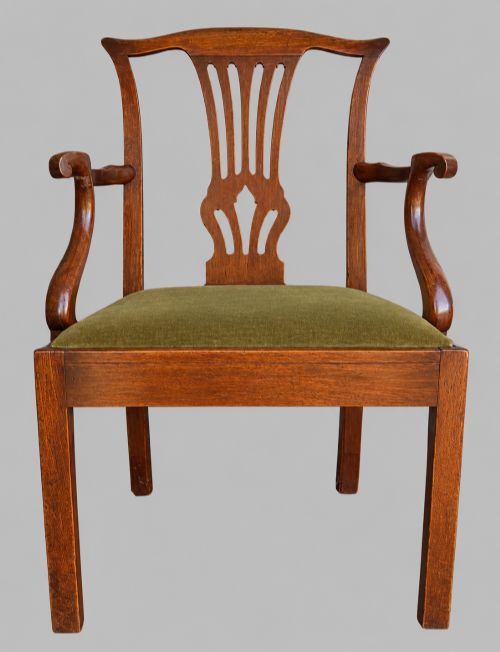
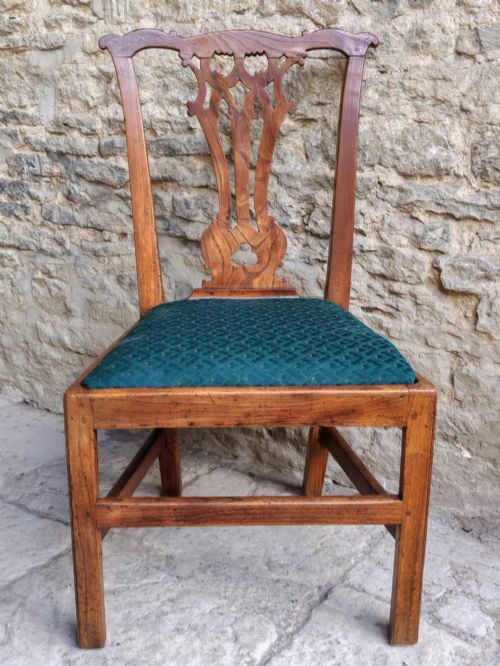
The most common configurations include dining chairs, armchairs, and various tables constructed from period timbers. These forms reflect the utilitarian and social spaces of Georgian, Regency, Victorian, and Edwardian homes.
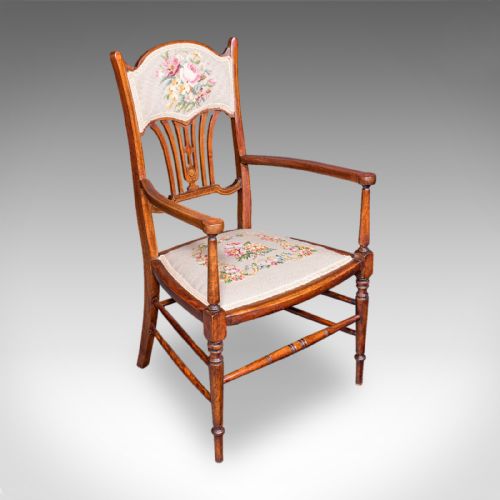
Makers utilised resilient hardwoods such as mahogany, oak, elm, and fruitwood to build furniture intended for daily domestic use. Stylistic influences range from austere rustic farmhouse designs to elaborate Chippendale and Art Nouveau patterns.
Materials and construction
Cabinet makers and joiners relied primarily on solid timbers like mahogany, oak, elm, beech, and fruitwood for structural integrity and surface character. Secondary materials such as brass, cane, and various upholstered fabrics appear in specific seating and table components.
Traditional joinery techniques governed the assembly of frames, legs, and stretchers, ensuring stability across decades of use. Turning, carving, and inlay work defined the decorative vocabulary applied to both tables and chairs.
Primary timbers recorded across the inventory include mahogany, oak, elm, fruitwood, and beech.
Distinctions in craftsmanship
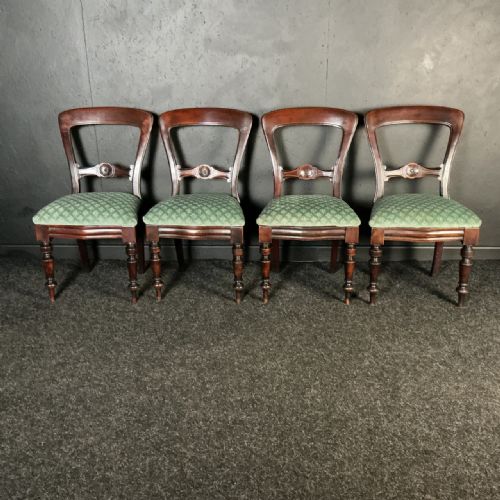
Quality separates pieces through the selection of figured timber, the precision of hand-carved details, and the integrity of structural joinery. Finer examples display deliberate proportions and harmonious integration of decorative elements like inlay or turning.
Lower tiers of the range often exhibit utilitarian repairs, replacement hardware, or simpler construction methods intended for basic domestic service rather than formal reception rooms.
Gillows·Edward Barnsley
The Antique Wooden Dining Desk Glossary
- Chippendale style
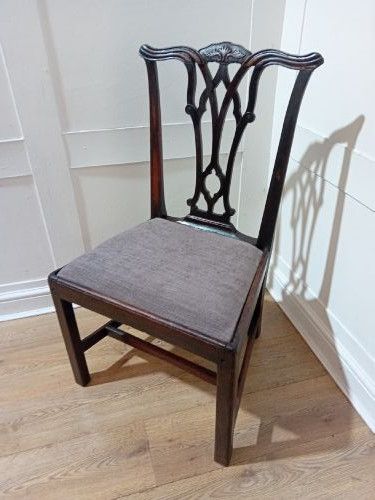
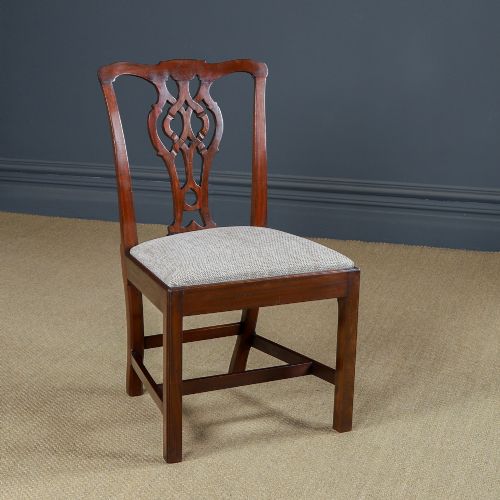
- A design lineage drawing from mid-eighteenth-century pattern books associated with Thomas Chippendale, characterised by carved cabriole legs, interlaced ribbon backs, and pierced splats. This style persisted through later revival periods.
- Refectory table
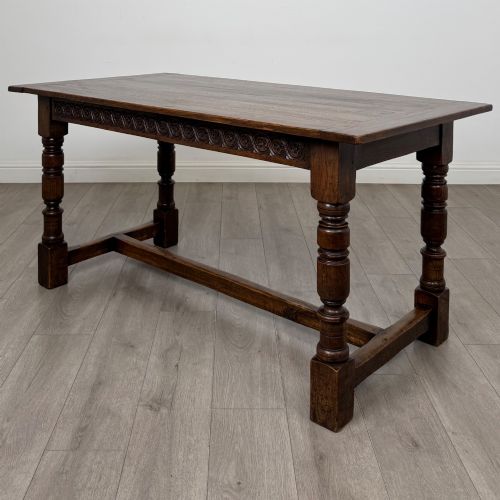
- A long, narrow dining table traditionally utilised in communal halls and later adapted for domestic dining rooms. These tables typically feature sturdy wooden legs joined by low stretchers.
- Windsor chair
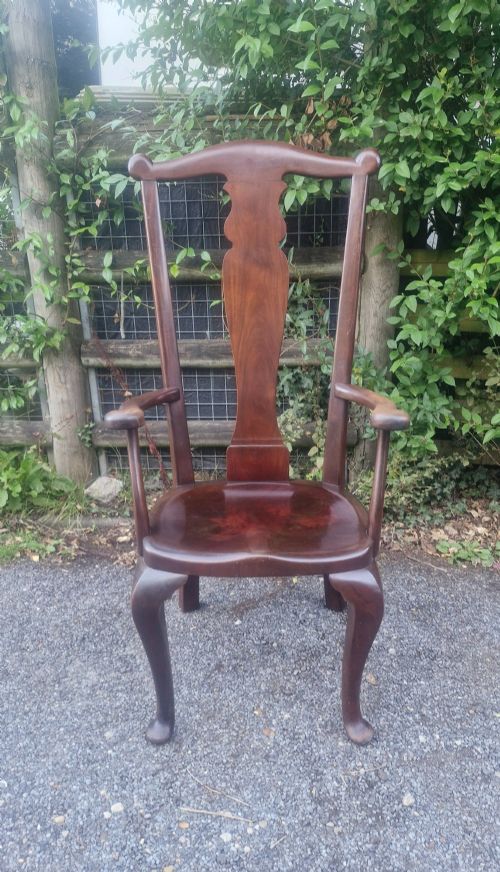
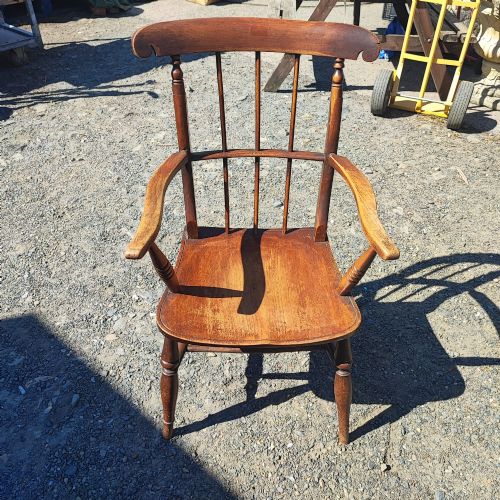
- A traditional seating form constructed with a solid wooden saddle-seat into which turned legs and spindles are wedged. Common variations include hoop backs and high-back profiles executed in elm and yew.
- Carver armchair
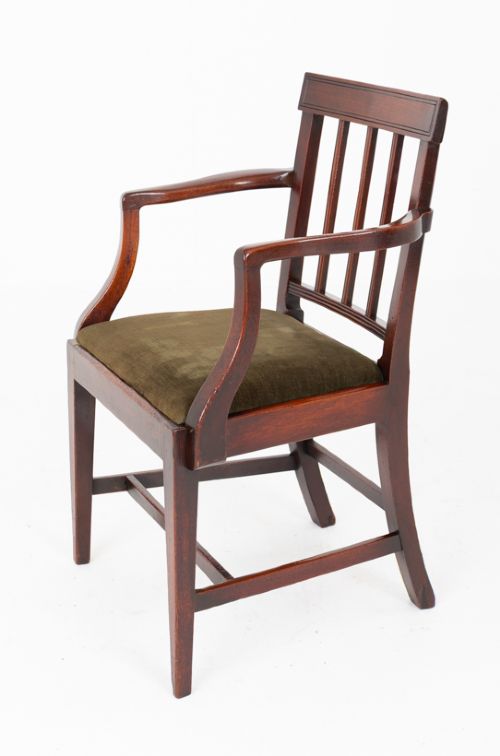
- A dining chair fitted with arms, historically positioned at the head of a dining table or utilised as a desk seat. These chairs match or complement sets of side chairs.
- Inlay
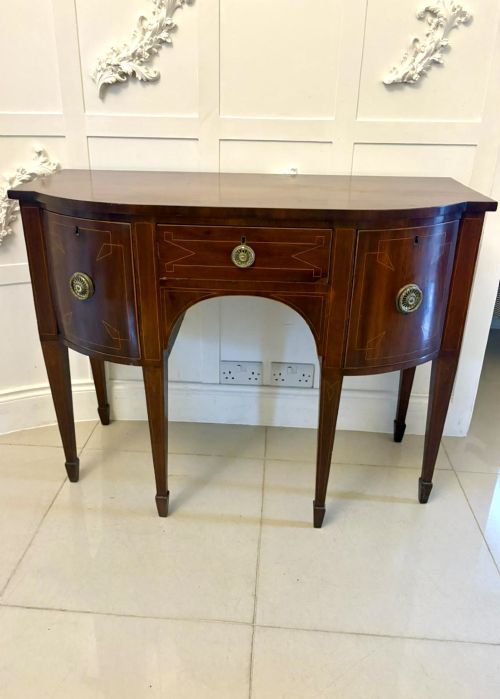
- A decorative technique where contrasting woods or materials are inserted into recessed cavities on a surface to create patterns. This method enhances the visual depth of mahogany sideboards and tables.
Antique Wooden Dining Desk: Frequently Asked Questions
What is a Windsor armchair?
A Windsor armchair utilises a heavy carved wooden seat base that receives turned upright spindles and legs directly into bored holes. This construction method provides robust structural rigidity without heavy framing.
Commonly paired with yew and elm woods, these chairs originated in rural regions before gaining popularity in domestic dining and writing spaces.
How were refectory tables used?
Refectory tables served as large communal dining surfaces in great halls, later transitioning into domestic kitchens and dining rooms. Their long, linear proportions accommodated multiple diners.
Sturdy wooden stretchers positioned near the floor braced the heavy legs against lateral movement during daily use.
Can I use an antique armchair at a desk?
Many period armchairs, particularly nineteenth-century carvers and library seats, offer appropriate dimensions and sturdy support for desk work. Their open arm designs allow comfortable positioning close to a writing surface.
Upholstered or cane seats provide the necessary comfort for extended periods of seated activity.