
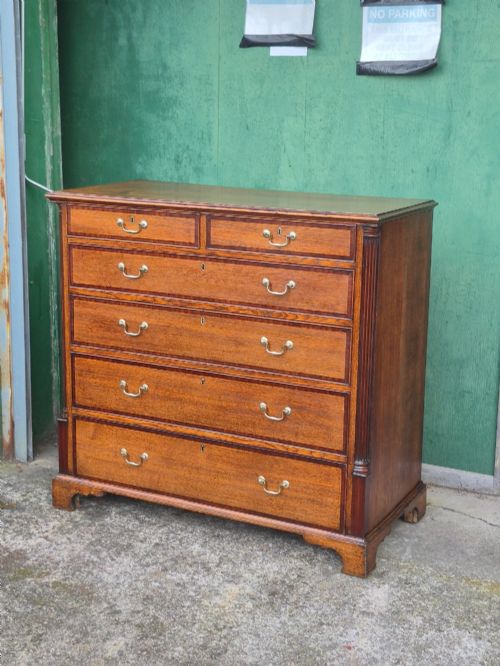
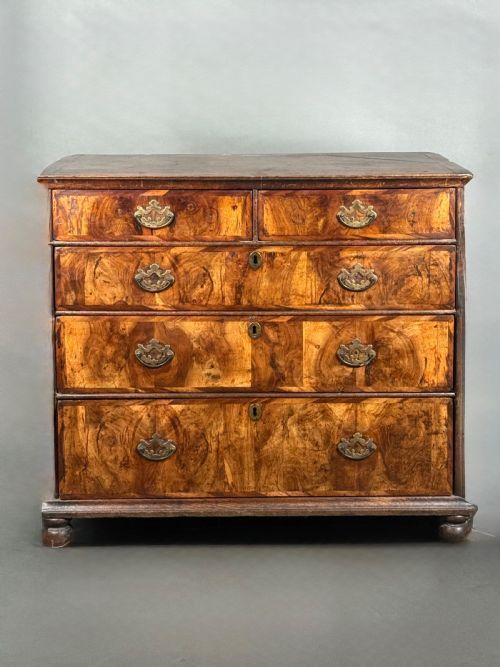
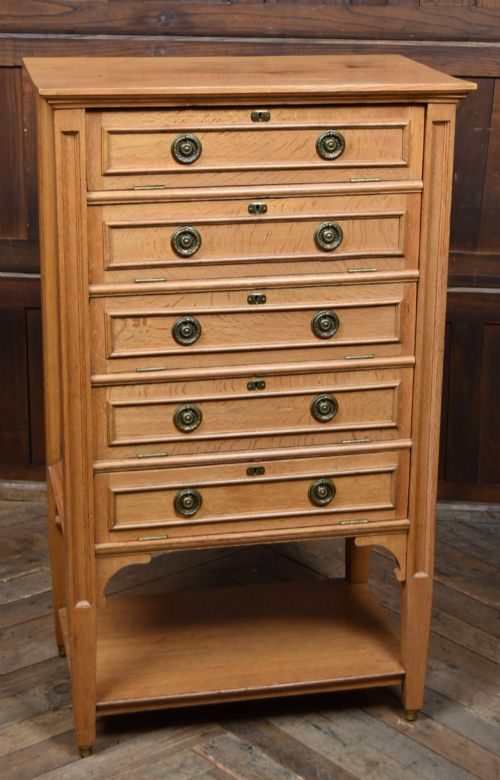
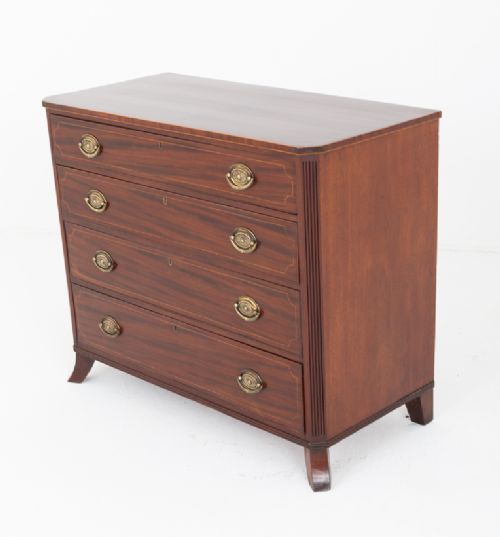
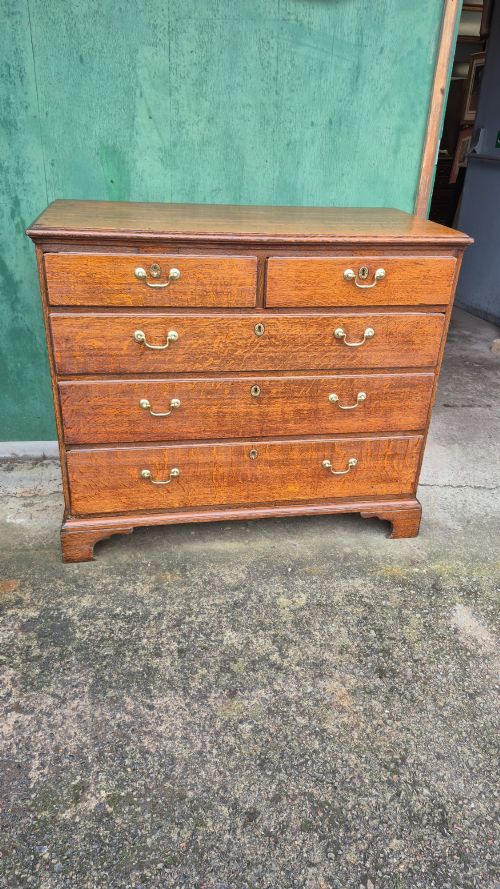
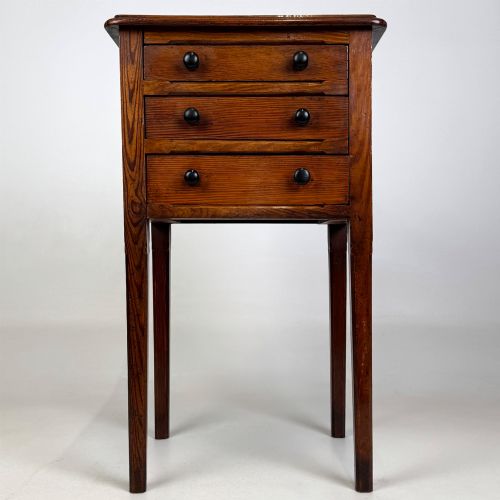
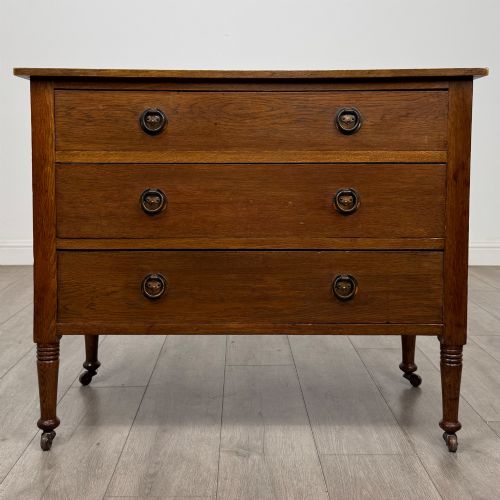
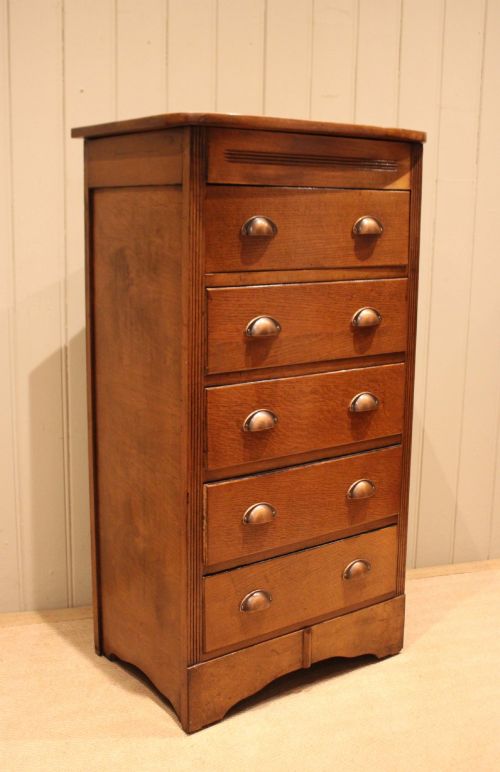
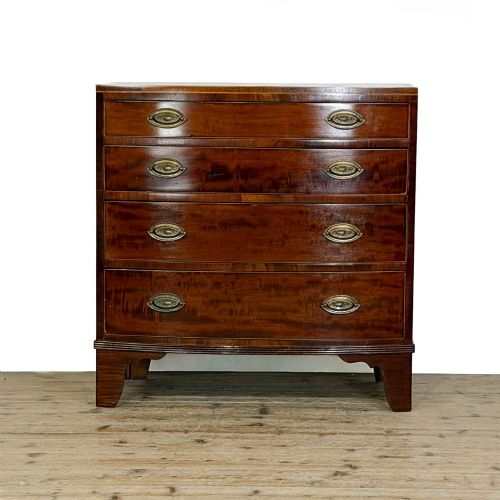
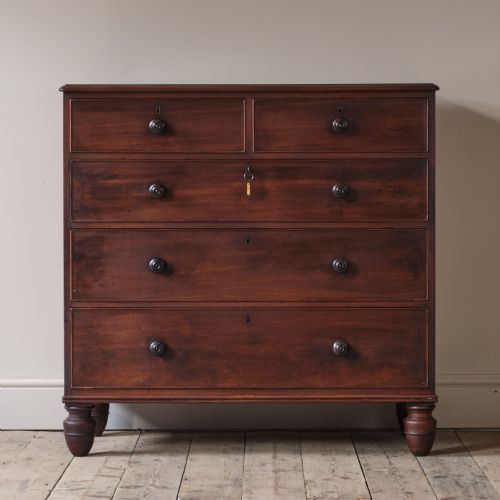
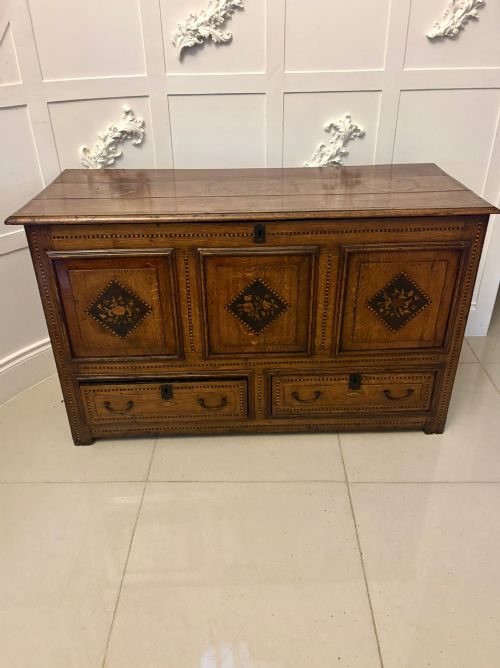

Wooden Chest Drawers
These wooden chest drawers offer honest storage, coming to us from Georgian, Regency, Victorian, and Edwardian periods.
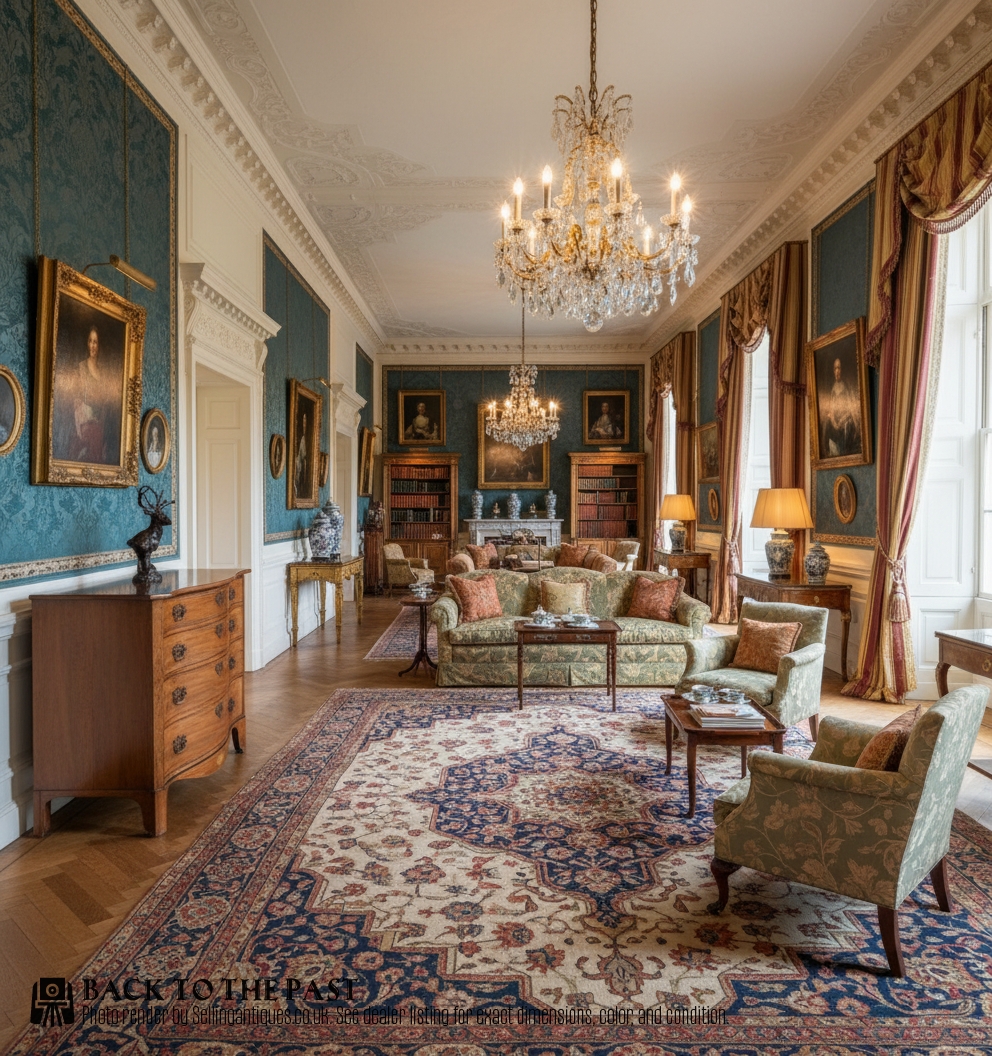
Wooden Chest Drawers
A wooden chest drawers provides domestic storage through stacked compartments set within a solid timber frame. The examples seen on this page span Georgian, Regency, Victorian, and Edwardian eras, reflecting the domestic needs of their respective centuries.
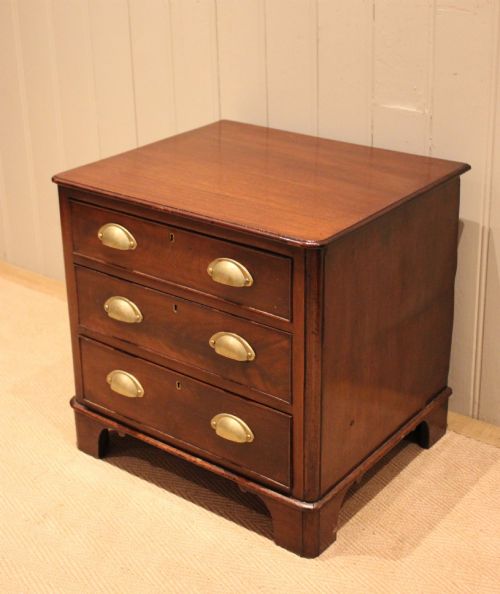
Most pieces met here belong to the Victorian period, frequently constructed from pine or mahogany. These include simpler bedroom storage units alongside larger five-drawer configurations with wooden knob handles and plinth bases.
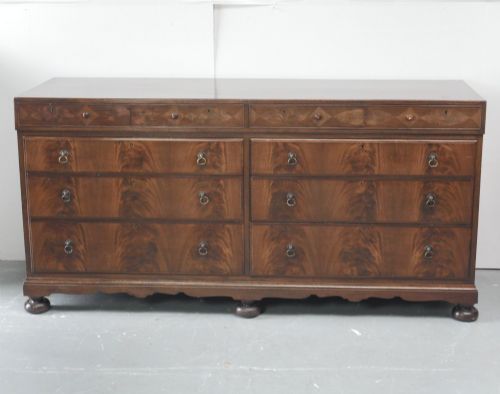
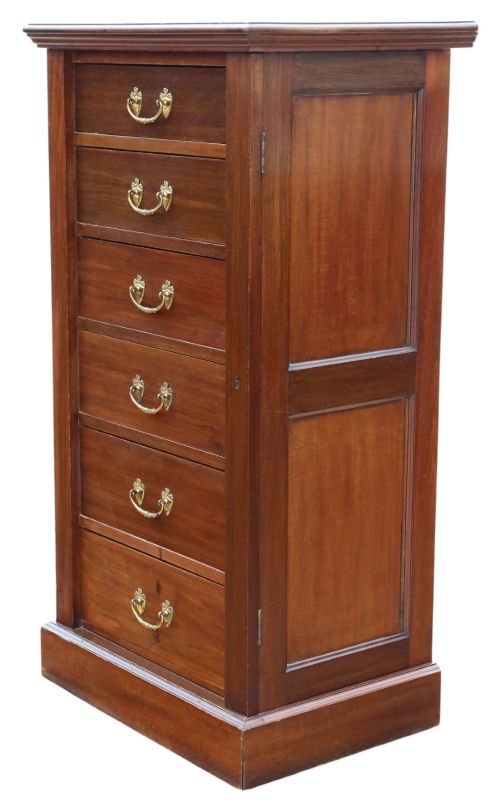
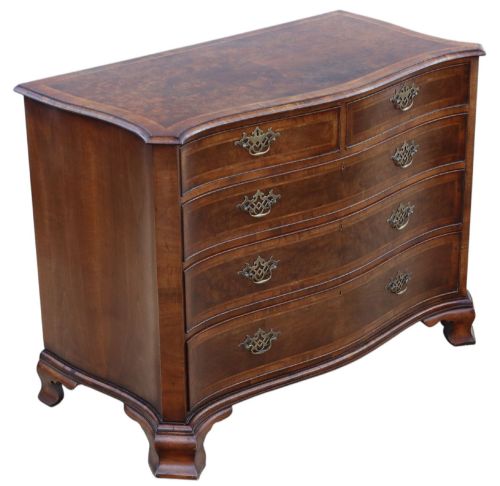
Formations vary from straight-fronted carcases to bow front designs. Collectors also encounter specialised pieces like filing cabinets and Gillows style Regency items, alongside Scottish variants featuring flame mahogany veneers.
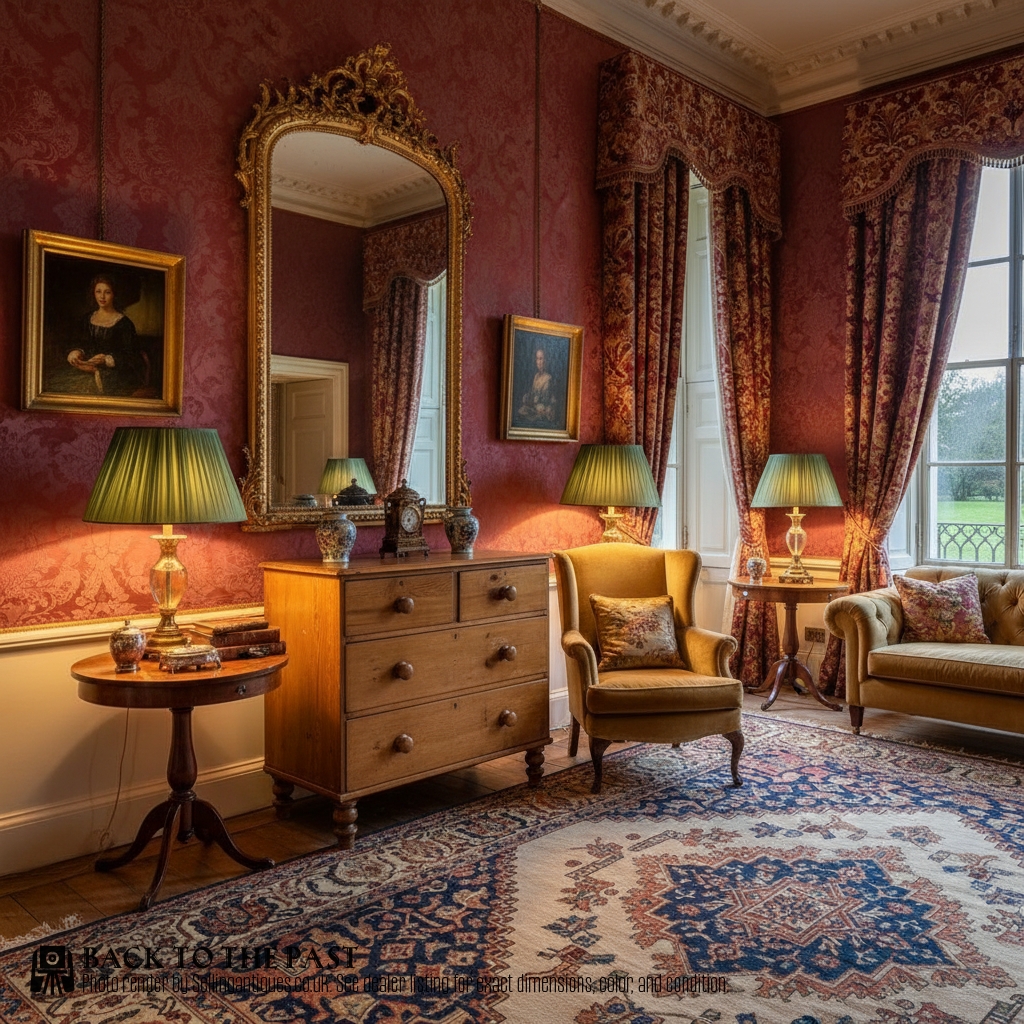
How they were made
Construction relies on timber varieties such as pine, walnut, mahogany, oak, and boxwood, sometimes accented with brass inlay on the top. Cabinet makers utilised solid woods and applied veneers, notably flame mahogany, to create figured surfaces on drawer fronts.
Hardware details include wooden handles, original wooden knobs, and turned knobs. Finer examples incorporate decorative elements like crossbanding and carved edges around the top surface.
Wooden Chest Drawers Retail Price Guide 2026
Typical asking prices for wooden chest drawers among the pieces listed under this phrase on Sellingantiques today, from the lower quarter to the upper quarter. They describe what is for sale here now, not the wider market.
Listings feature mahogany, pine, walnut, oak, and boxwood across Victorian, Edwardian, and Georgian periods.
What varies in quality
Quality rests in the choice of timber and the handling of grain, seen clearly in the contrast between plain pine storage pieces and highly figured flame mahogany or walnut carcases. The presence of decorative details like brass inlay and crossbanding elevates a piece above standard domestic utility.
The integrity of original fixtures such as wooden knobs and structural elements like plinth bases or deep bottom drawers determines the preservation standard. Superior examples maintain their original configuration without modern alterations.
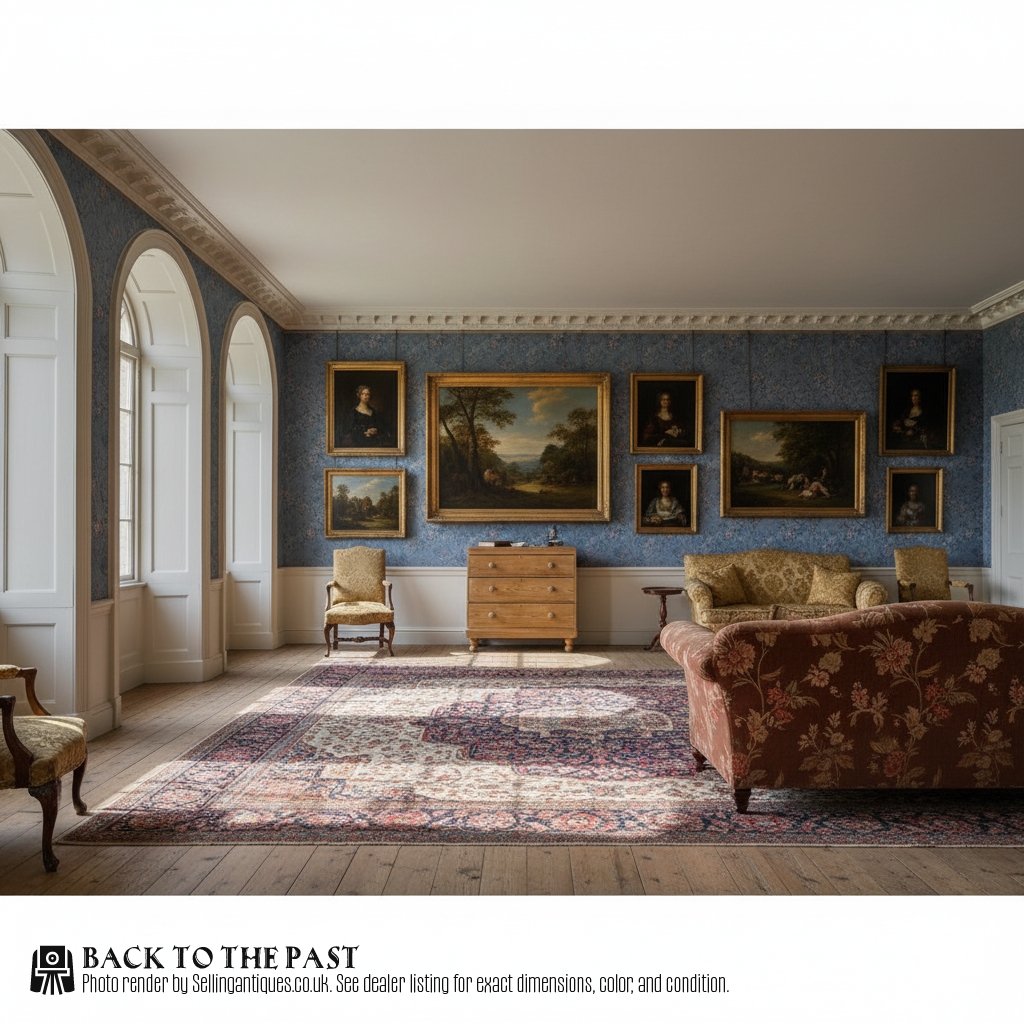
The Wooden Chest Drawers Glossary
- Bow front
- A convex curved cabinet front popular in Georgian and Regency furniture design. This shape softens the profile of a room while increasing internal storage depth.
- Flame mahogany
- A veneer cut from timber fork where branches meet the main trunk, producing a rippling flame pattern. Cabinet makers used this for visual impact on primary surfaces.
- Crossbanding
- A narrow strip of veneer laid around the border of a top or drawer front with the grain running perpendicular to the centre. It creates a neat decorative frame.
- Plinth base
- A heavy horizontal solid block at the foot of a cabinet acting as a foundation. It grounds the piece visually and provides structural stability.
- Boxwood
- A dense, pale hardwood used historically for fine stringing and inlay work. Its uniform texture allows for sharp detail.
Wooden Chest Drawers: Frequently Asked Questions
What periods do these chests cover?
The available pieces span the Georgian, Regency, Victorian, and Edwardian eras. Each period brings distinct proportions and timber preferences to the design.
Victorian examples dominate the selection, often rendered in mahogany or pine, while earlier pieces showcase Georgian and Regency styling.
What woods were used?
Makers utilised mahogany, walnut, pine, oak, and boxwood across these items. Flame mahogany veneers frequently appear on drawer fronts for decorative effect.
Secondary timbers like pine served for internal framing and drawer construction, while brass provided inlay accents on select tops.
What handles are original?
Original pieces typically feature wooden handles or turned wooden knobs rather than metal pull hardware. Surviving examples often retain their original wooden knobs.
These turned wooden pulls match the primary timber of the chest, maintaining a cohesive aesthetic across the facade.