


Antique Wooden Blanket Bench
An antique wooden blanket bench combines practical household storage with a seat, bringing centuries of craftsmanship into a hallway or bedroom.
Antique Wooden Blanket Bench
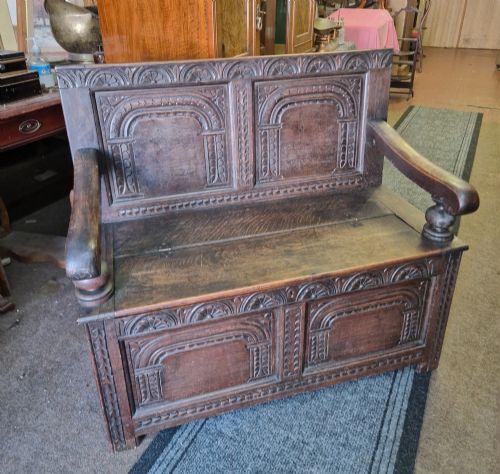
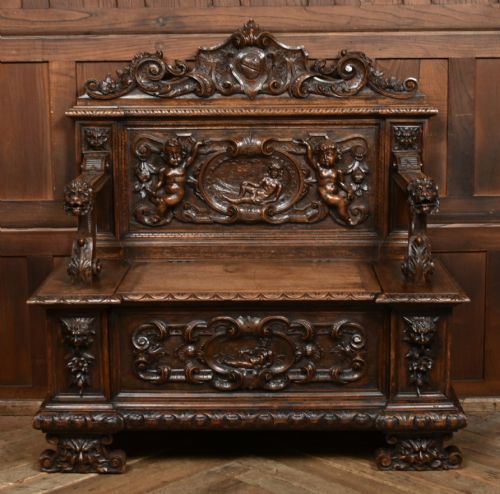
When you search for an antique wooden blanket bench, you encounter a hybrid form that serves as both a chest for storage and a place to sit. These pieces encompass various historical formats, including settles, box seats, coffers, and monks benches, spanning from the sixteenth century through the Edwardian period.
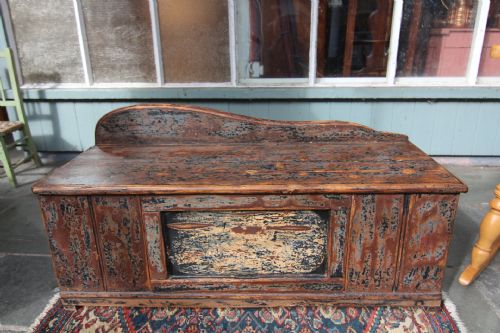
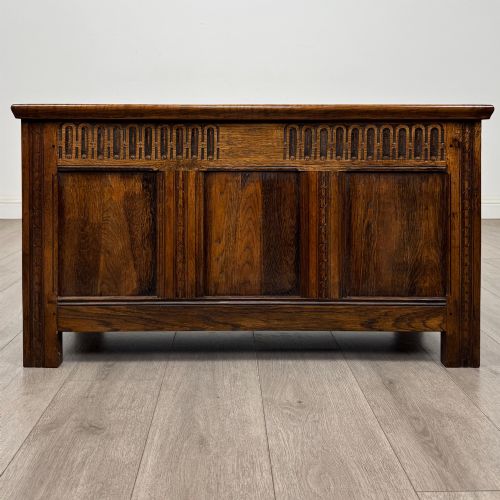
The versions most commonly met on this page are constructed from oak and pine, often originating from English country houses or Dutch workshops. Many examples incorporate hinged lids or backs that transform the container into a bench, reflecting the utilitarian needs of historical domestic interiors.
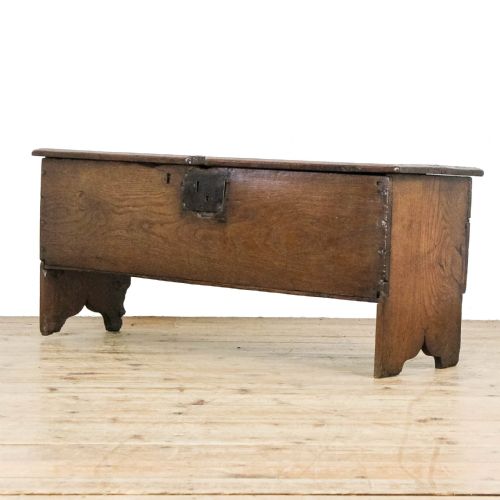
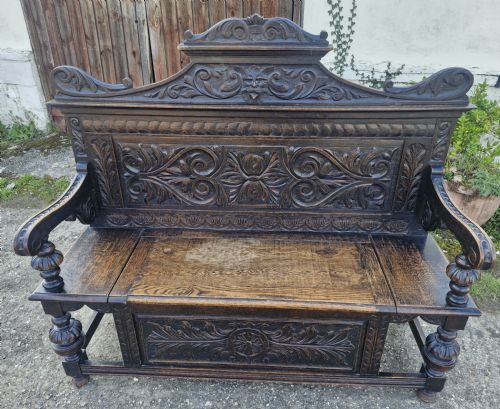
Distinctions among these items lie in their specific configurations, such as high-backed settles with integrated storage or low blanket chests adapted for seating. Each object demonstrates the overlap between furniture designed for linens and seating intended for communal rooms.
Materials and construction methods
Makers utilised solid timbers predominantly, with oak and pine forming the structural core of the majority of pieces. Joinery techniques varied from early six-plank construction to later panelled frames, ensuring stability for daily seating use.
Surface treatments range from waxed natural grain to polychrome paint and carved ornamentation. Iron and brass fittings, including hinges and locks, secure the lids and reinforce the heavy wooden structures.
Listings span from the sixteenth century to the Edwardian era, featuring oak, pine, and walnut materials across various European regional styles.
Judging quality and integrity
Quality in these items is determined by the integrity of the timber and the original state of the construction. Pieces retaining their primary hardware and uncompromised structural joins represent higher tiers of craftsmanship.
The depth of carving and the sophistication of the joinery distinguish standard domestic items from finer examples produced by skilled workshops. Surface patination accumulated through long use also influences the character and appeal of the wood.
The Antique Wooden Blanket Bench Glossary
- Settle
- A wooden bench with a high back, solid arms, and often a box seat base for storage. This form kept drafts away from the sitter in older properties.
- Cofer
- A large wooden chest traditionally used for storing valuables or textiles. Many examples were fitted with seats or backs at a later date to function as benches.
- Mule chest
- A chest featuring one or more drawers beneath the main storage compartment. This form bridges the gap between traditional blanket boxes and modern drawer chests.
- Six-plank chest
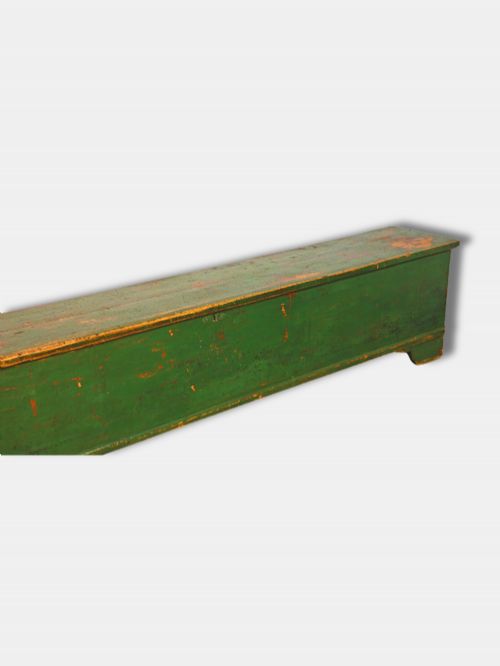
- An early and simple form of box constructed from six distinct pieces of timber joined at the edges. These represent some of the oldest surviving storage furniture.
- Polychrome
- Painted in several colours, often found on folk art pieces and barge furniture. This decoration adds vibrant pigment to the wooden surface.
Antique Wooden Blanket Bench: Frequently Asked Questions
How are these benches used today?
These pieces function well in hallways for shoe storage and seating, or at the foot of a bed for linens. Their dual purpose provides practical utility alongside historical character.
Placing one in a living room offers hidden storage for everyday items while maintaining a traditional seating option.
What woods were used to build them?
Oak and pine are the most common timbers found across these listings, providing robust frames for daily seating. Walnut and painted surfaces also appear in specific regional styles.
Each material dictates the weight and visual texture of the individual piece, influencing how it integrates into a room.
How do I identify the period?
Dating relies on construction methods, such as early six-plank joins versus later panelled frames, alongside distinct stylistic cues like Art Nouveau or Georgian carving. Hardware types also offer clues to the era of manufacture.
Examining the underside and interior surfaces often reveals tool marks and wear patterns consistent with specific centuries.
Are the lids and seats original?
Many surviving examples have undergone adaptations over the centuries, as chests were fitted with backs or new hinges to serve as seating. Examining the joinery around the lid reveals whether the conversion is period or recent.
Both converted chests and purpose-built benches form a valid part of the historical record for this furniture type.