

Antique Wooden Bird
An antique wooden bird brings the warmth of hand-carving and the character of rural folk art directly into a room.
Antique Wooden Bird
When you search for an antique wooden bird, you encounter pieces that span the nineteenth and twentieth centuries, originating from English workshops, European folk traditions, and distant colonies. These range from utilitarian sporting items to intricate decorative carvings designed purely for display on a mantelpiece or table.
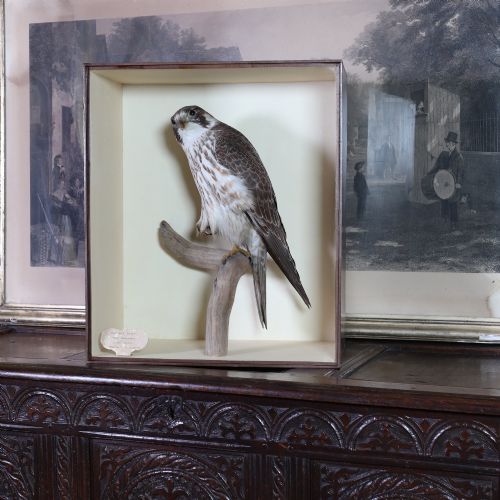
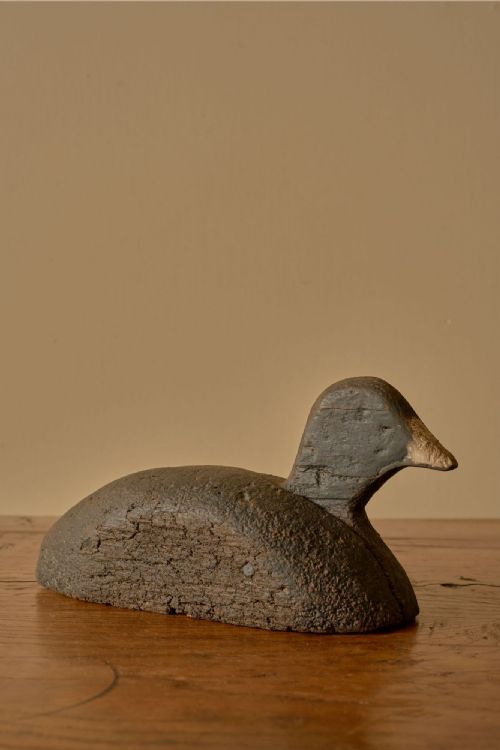
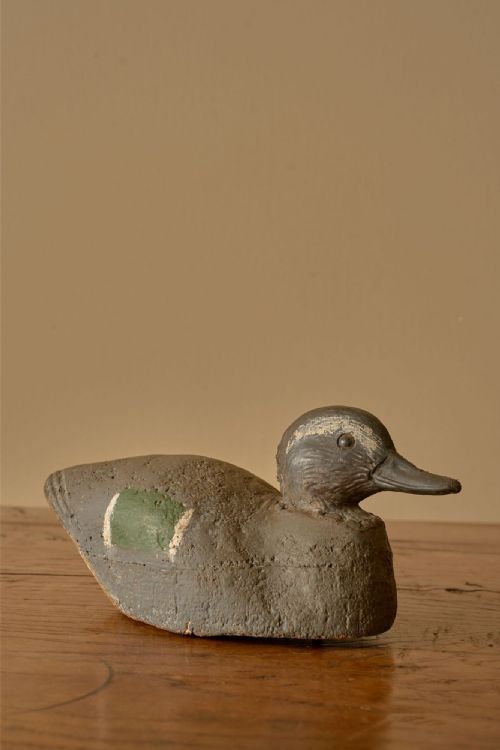
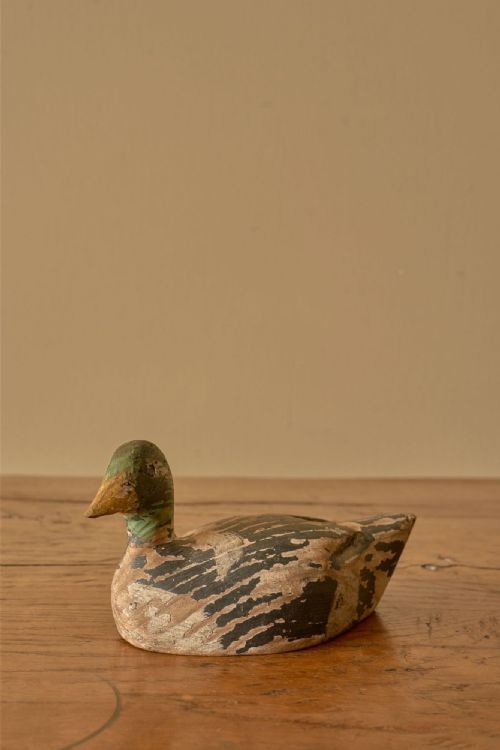
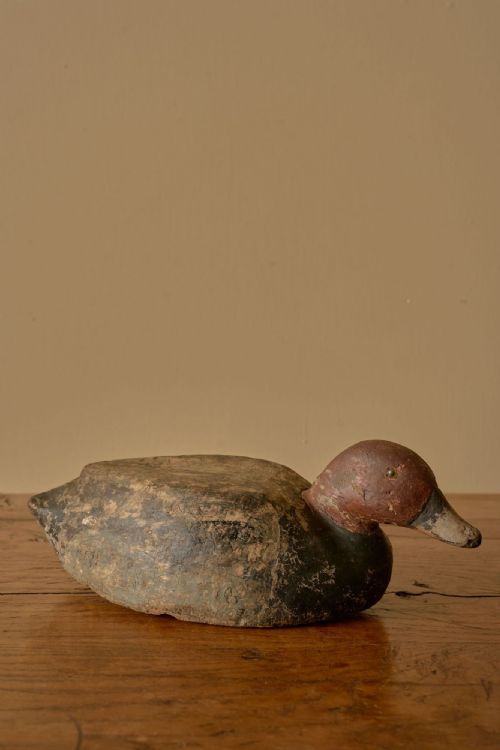
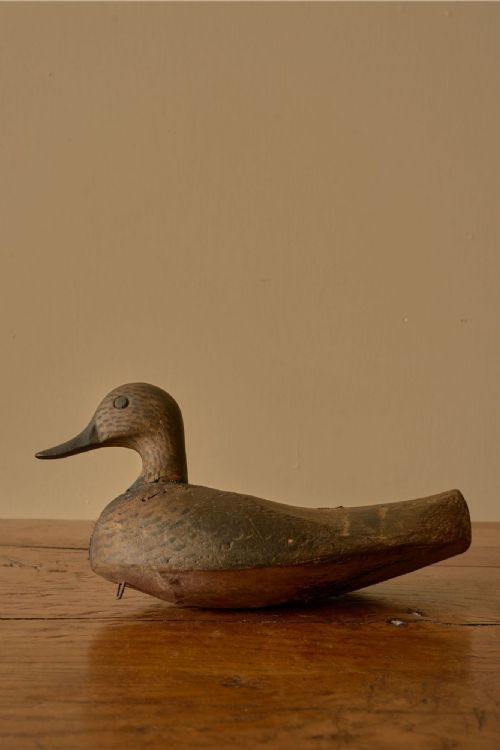
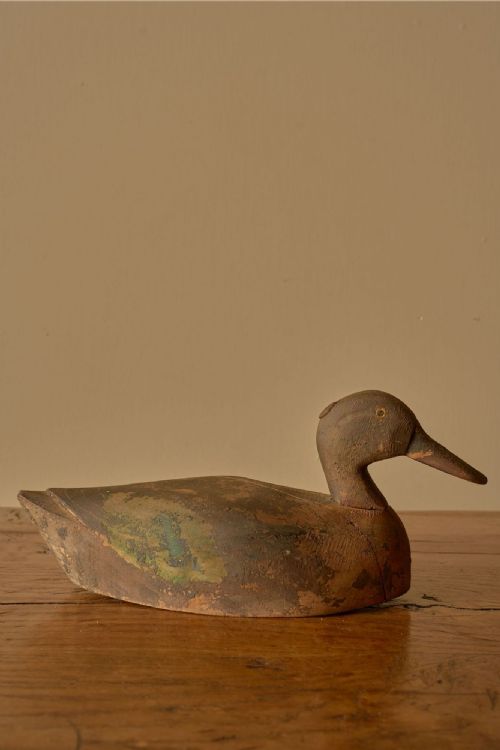
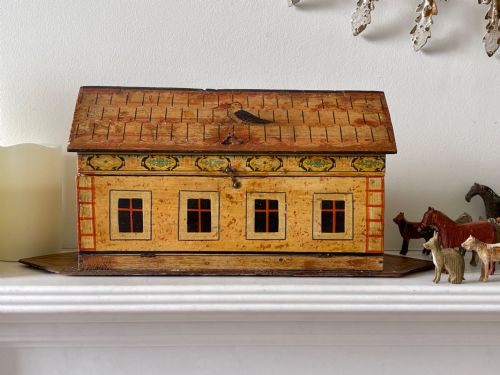
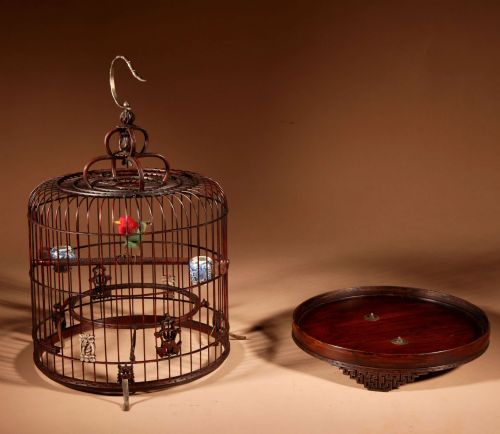
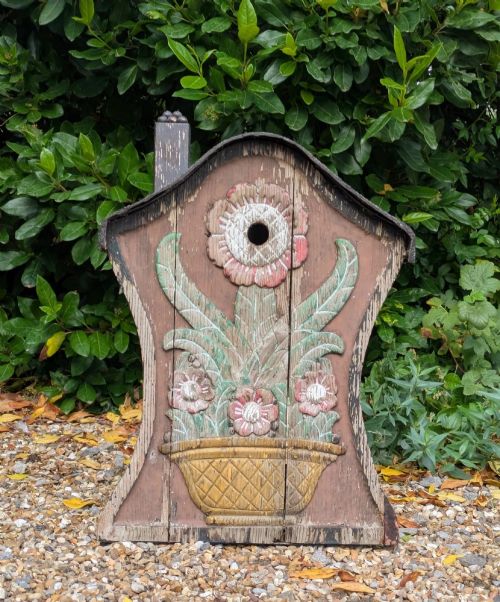
The most common representations you meet on this page are working decoy ducks and pigeons from around nineteen hundred, alongside European Black Forest carvings of eagles and owls. Folk art boxes and Swedish bird boxes also appear, showing how makers shaped timber to capture avian forms.
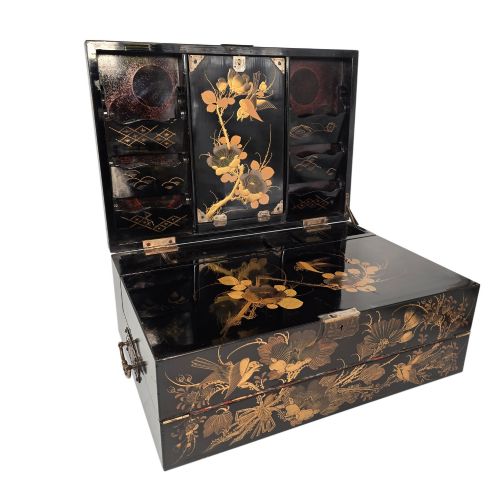
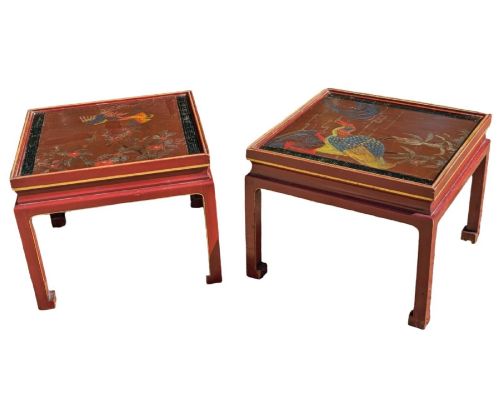
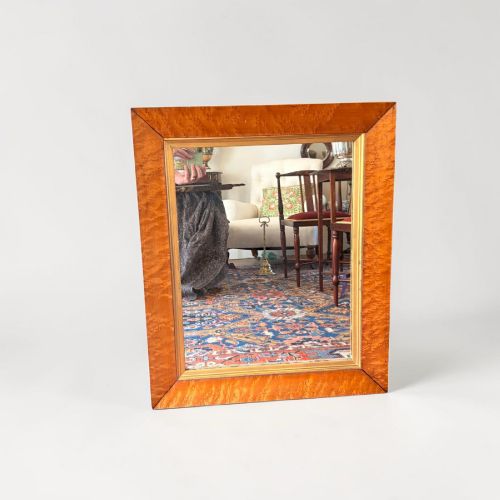
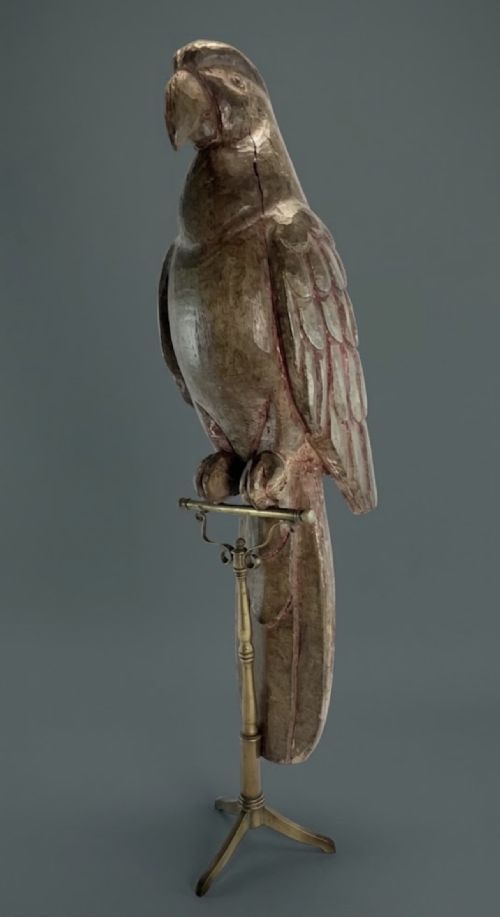
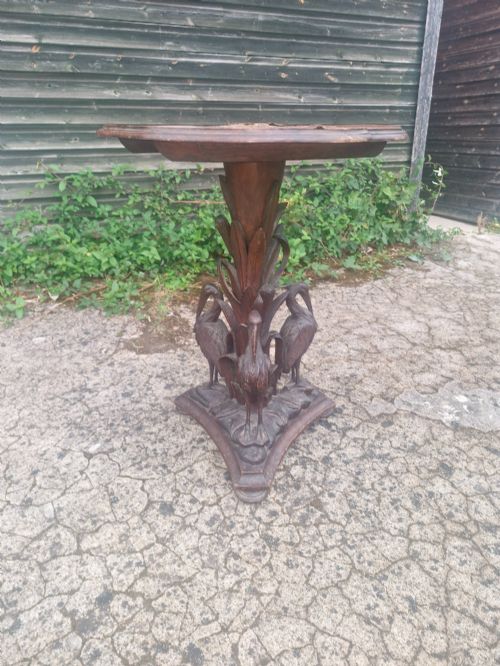
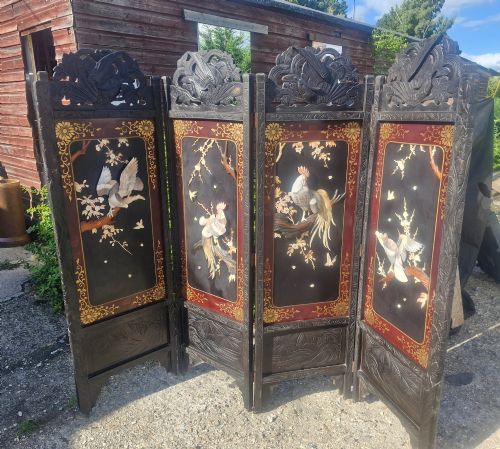
Beyond standalone sculptures, avian motifs emerge across a wider variety of objects. You find them perched on carved parrots atop brass stands, cresting over Victorian overmantel mirrors, and painted onto Chinoiserie wine tables and folding screens.
How they were made
Carvers shaped these figures using native and exotic woods such as oak, maple, and bamboo, often employing simple hand tools like gouges and knives to define feathers and bodily contours. Many decoy ducks and pigeons received layers of oil paint to create realistic plumage, while others retained the warm grain of the bare timber.
Black Forest pieces relied on deep relief carving, where artisans built up muscular forms on eagles, owls, and cuckoo clocks with patient chisel work. Detail was added through glass eyes inserted into the wooden heads to catch the light and lend a lifelike expression to the carved animal.
Antique Wooden Bird Retail Price Guide 2026
Typical asking prices for wooden bird among the pieces listed under this phrase on Sellingantiques today, from the lower quarter to the upper quarter. They describe what is for sale here now, not the wider market.
A wooden parrot on a brass stand watches over the collection alongside an owl inkwell and a flock of working decoys.
What varies in quality
Quality rests in the anatomical accuracy and the confidence of the carving. Superior pieces display a dynamic posture that suggests movement, whereas simpler items remain stiff and symmetrical.
The preservation of original surface finishes dictates the standing of an object. Decoys and painted figures retain their appeal when the original paint shows authentic wear rather than later overpainting, and carved wood benefits from a rich, untouched patina built up over decades of handling.
J Griffiths of Burford·T. E. Gunn
The Antique Wooden Bird Glossary
- Decoy duck
- A carved and painted wooden float or field marker utilised by hunters to attract wildfowl. They form a major category of working folk art.
- Black Forest
- A style of ornate wood carving originating from the mountainous region of Central Europe during the nineteenth century. These items typically feature deep brown finishes and naturalistic animal subjects.
- Folk art
- Utilitarian or decorative items made by self-taught or local artisans outside academic traditions. These objects prioritise utility and rustic charm over strict proportion.
- Patina
- The surface sheen and darkening acquired by wood and paint through age, light exposure, and frequent touching. Collectors value an undisturbed surface.
Antique Wooden Bird: Frequently Asked Questions
What is an antique wooden bird used for?
Originally, items like decoy ducks served a practical purpose on the water or in fields to lure wildfowl within range of hunters. Today, collectors display them purely as decorative sculptures or folk art pieces on bookshelves, sideboards, and mantels.
Other items incorporating avian forms, such as carved boxes, inkwells, and mirrors, combine utility with natural history ornament. They bring a rustic or traditional aesthetic into domestic interiors without needing a specific functional role.
How do I date a wooden decoy?
Dating relies on examining the tool marks left by the maker, the type of timber used, and the composition of the paint layers. Earlier nineteenth-century examples often display broader, heavier axe and drawknife work before finer sanding tools became common.
Paint provides another crucial indicator, as lead-based or early oil paints weather and craze in distinctive ways over decades. Comparing the construction style to known regional patterns helps narrow down the decade of production.
What is Black Forest carving?
Black Forest carving refers to highly detailed wooden sculptures produced in Switzerland and Germany during the Victorian era. Artisans specialised in realistic animals, particularly bears, owls, and eagles, often integrated into functional items like clocks, inkwells, and humidors.
The style is easily recognised by its deep, dark walnut tones, glass eyes, and energetic poses. These pieces were popular souvenirs for nineteenth-century travellers touring Europe.
How should I care for wooden carvings?
Keep wooden sculptures away from direct sunlight and strong heat sources such as radiators to prevent the timber from drying out and cracking. Maintain a stable indoor humidity where possible.
Dust the surface gently with a dry, soft brush rather than using wet cloths or chemical polishes, which can damage aged paint finishes or soften the historic patina.