


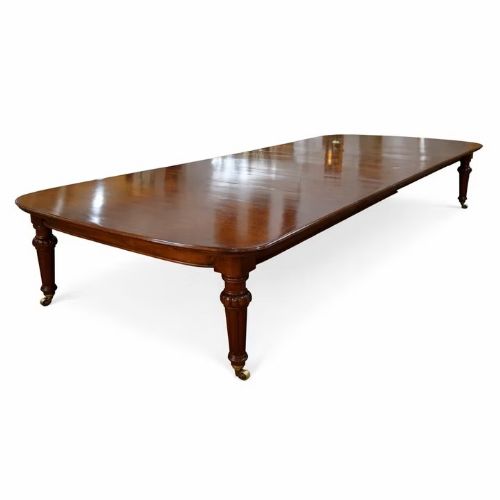

Antique Wooden Banquet Table
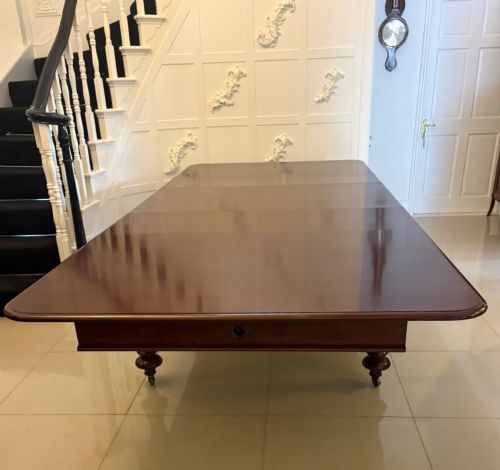
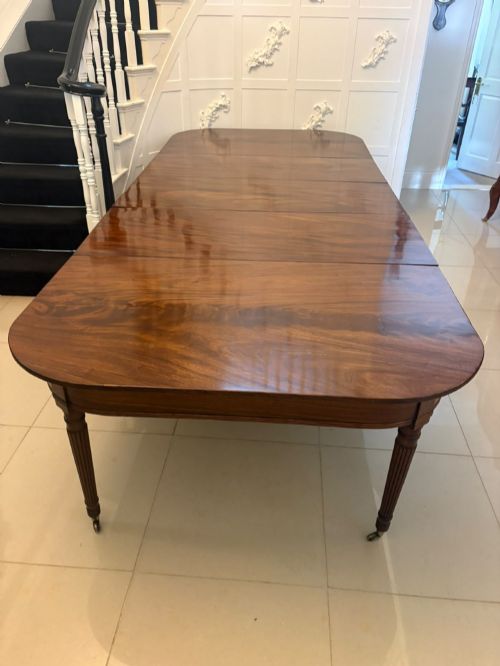
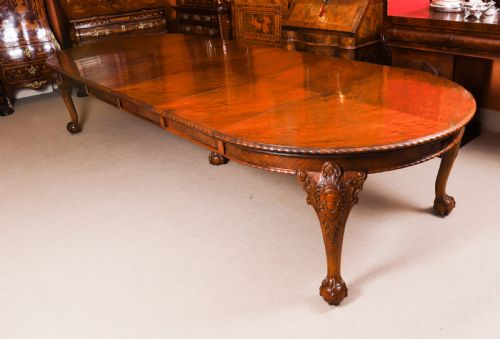
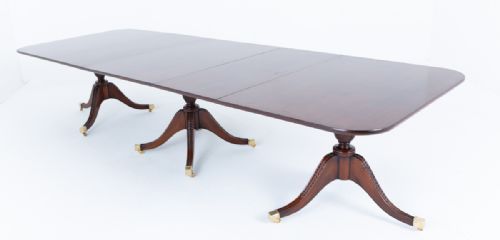
An antique wooden banquet table gathers a room around it, built for grand gatherings from solid timbers like mahogany and oak.

Antique Wooden Banquet Table
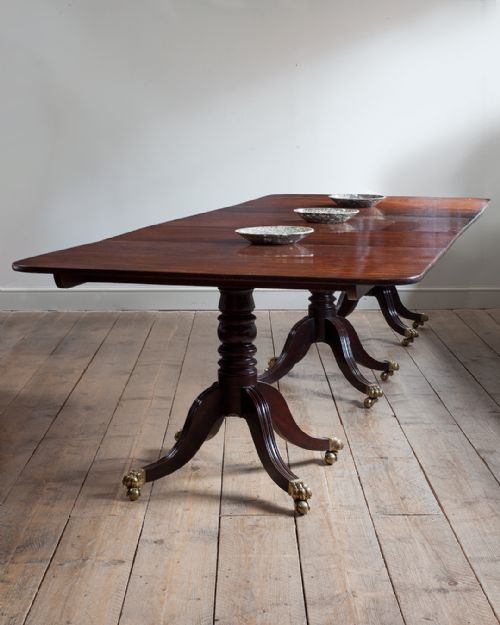
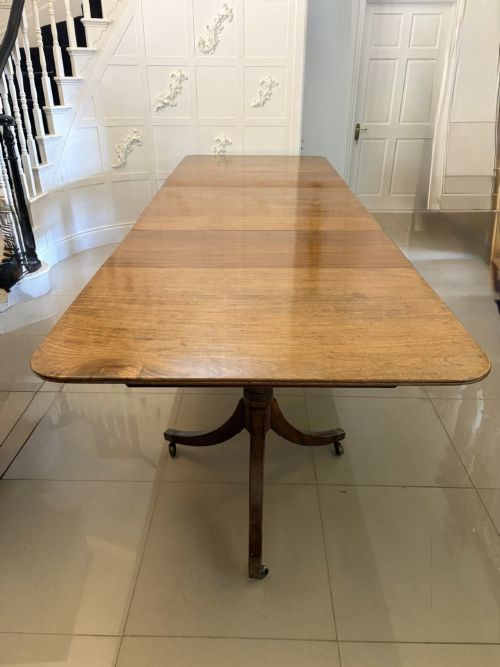
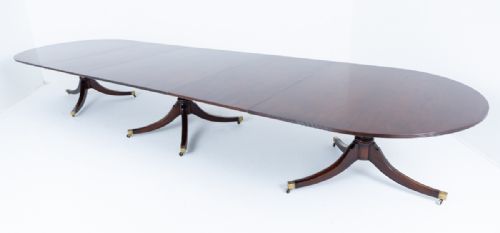
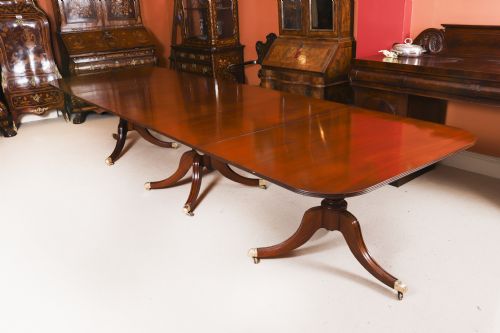
An antique wooden banquet table brings together formal dining and robust engineering, designed to host large companies across extended surfaces. The listings here showcase substantial proportions, often featuring multiple leaves and pillars to accommodate varying numbers of guests.
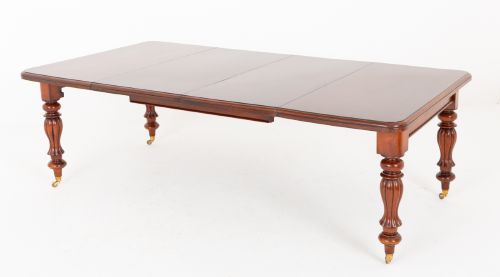
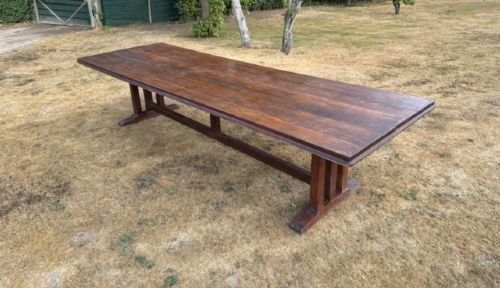
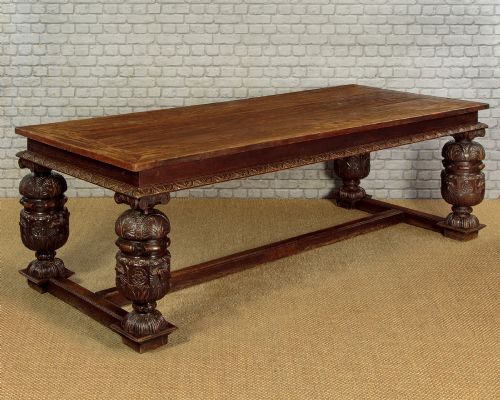
You will most commonly encounter mahogany and oak constructions spanning the Georgian, Regency, William IV, and Victorian periods. These pieces range from refectory formats to multi-pedestal extending designs fitted with wind-out mechanisms.
The form exists to serve hospitality on a grand scale, utilising sturdy timbers and clever internal mechanics to expand or contract. Makers across the nineteenth century adapted these formats to suit both formal dining rooms and substantial country houses.
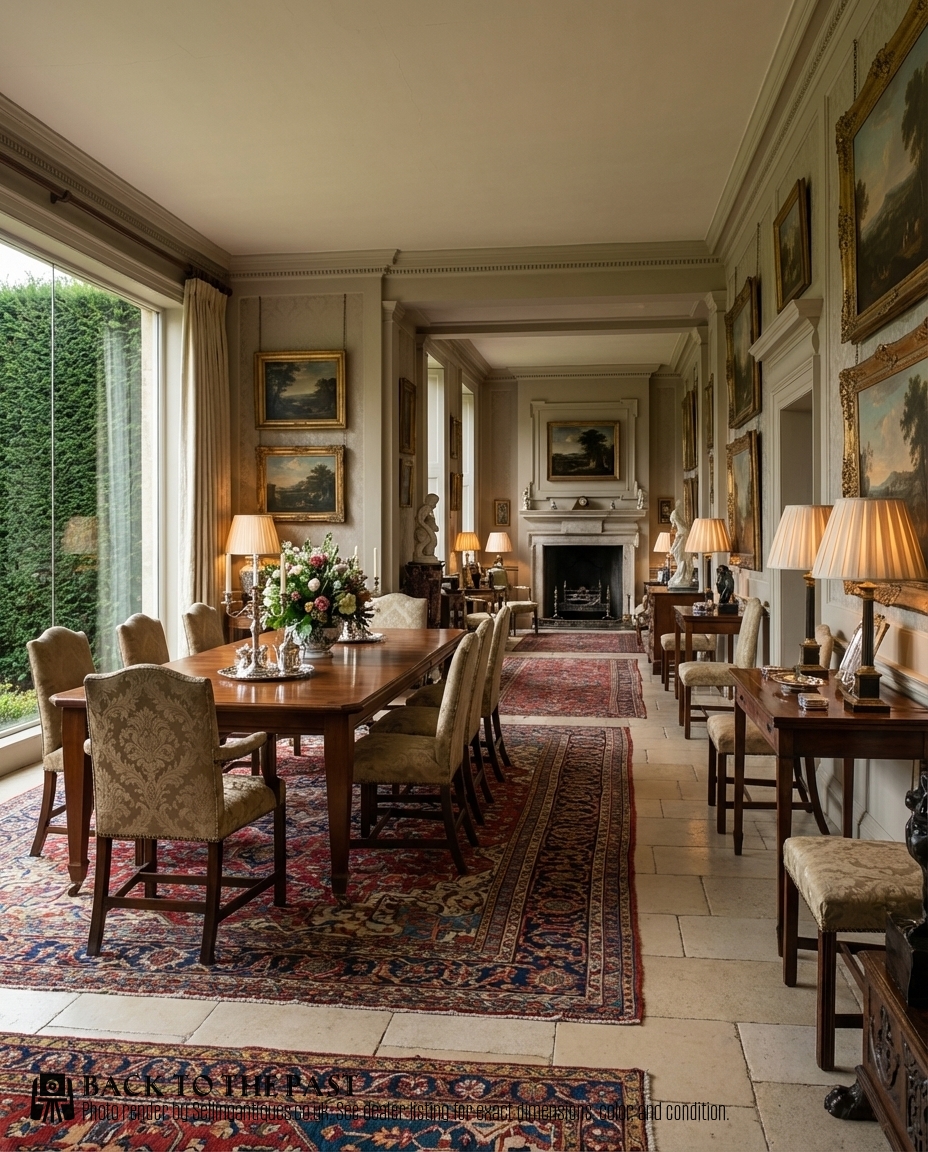
Materials and construction methods
Makers relied heavily on figured mahogany, Cuban mahogany, and oak, frequently selecting burr walnut or pollard oak for decorative surfaces. These timbers provided the necessary structural integrity to support long expanses without sagging under heavy use.
Extension systems involved intricate brass winding mechanisms and sturdy pillar supports or reeded legs that ensured stability when fully opened. Cabinetmakers joined leaves with precision alignment dowels and metal clips to maintain a flat, unified surface.
Carved details, polished finishes, and applied brass accents highlighted the natural grain of the wood. Workshops balanced heavy timber weights with clever internal framing to allow smooth operation of extending dining tables.
Antique Wooden Banquet Table Retail Price Guide 2026
Typical asking prices for wooden banquet table among the pieces listed under this phrase on Sellingantiques today, from the lower quarter to the upper quarter. They describe what is for sale here now, not the wider market.
Listings feature woods spanning solid oak, figured mahogany, pollard oak, and walnut across centuries of dining furniture design.
Distinctions in standard and craftsmanship
The degree of refinement in the timber selection and the complexity of the pedestal carving distinguish exceptional examples from standard production. Superior pieces utilise highly figured flame mahogany or pollard oak matched carefully across multiple extending leaves.
Engineering precision in the winding mechanism dictates daily usability, separating smooth, original brass actions from stiff or altered replacements. High-tier makers integrated robust framing that keeps heavy extensions level over decades of repeated adjustments.
Carved elements such as claw and ball feet or reeded legs display the hand of a skilled artisan rather than routine workshop output. The cohesion between the base architecture and the top boards reveals the original ambition of the maker.
Gillows Lancaster·Maple And Co·Whytock And Reid
The Antique Wooden Banquet Table Glossary
- Refectory table
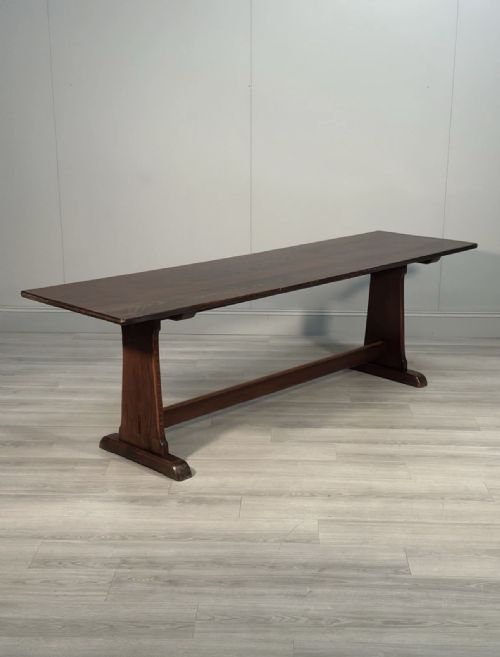
- A long, narrow dining table traditionally used in communal halls, featuring heavy legs joined by floor-level stretchers for stability.
- Pedestal table
- A table supported by one or more central columns rather than corner legs, allowing maximum legroom for seated guests.
- Wind-out table
- An extending table operated by a detachable metal crank handle that turns an internal screw mechanism to part or close the leaves.
- Reeded legs
- Cylindrical or tapering furniture legs carved with parallel convex mouldings that run vertically down the wood.
- Leaf
- A removable section of timber inserted into an extending table top to increase its overall length for large gatherings.
- Figured mahogany
- Timber harvested with distinctive grain patterns such as flame or curl, highly prized for its decorative appearance on major surfaces.
Antique Wooden Banquet Table: Frequently Asked Questions
How do I operate an extending table?
Most period extending versions use a metal crank handle inserted into a socket underneath the rim. Turning this handle rotates internal threaded rods that draw the central frame apart to accept additional leaves.
Once the gap is wide enough, you drop the wooden leaves into place and reverse the handle to lock everything tightly together.
What periods do these tables represent?
The selection spans primarily from the Georgian and Regency eras through the William IV and Victorian periods, reaching into Edwardian revivals. Earlier examples favour solid oak refectory formats, while nineteenth-century pieces lean towards mahogany pillar designs.
Stylistic cues such as reeded legs, carved claws, and specific pedestal arrangements help anchor each piece to its decade of manufacture.
How many people can these seat?
Capacities vary widely depending on the inclusion of extra leaves, ranging from seating for ten up to grand formats accommodating over twenty guests. Tables built with multiple extension pillars naturally support longer seating arrangements.
Reviewing the listed length and number of leaves provides a reliable guide to daily dining capacity.
How should I care for polished wood?
Maintain the surface by dusting with a soft, dry cloth and applying natural beeswax periodically to nourish the polished grain. Avoid placing hot dishes or unprotecting liquids directly onto the timber to prevent marking.
Keep the table away from direct heat sources and drastic humidity shifts to protect the underlying wooden joints and extension mechanics.