


Antique Wooden Altar
An antique wooden altar brings centuries of sacred craft and devotional presence directly into a domestic interior.
Antique Wooden Altar
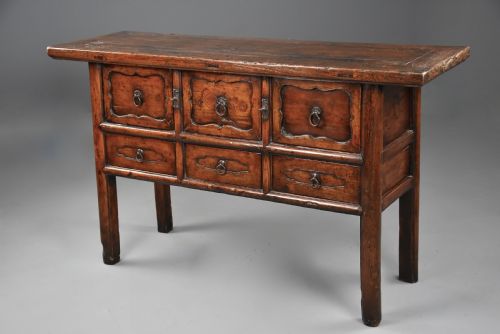
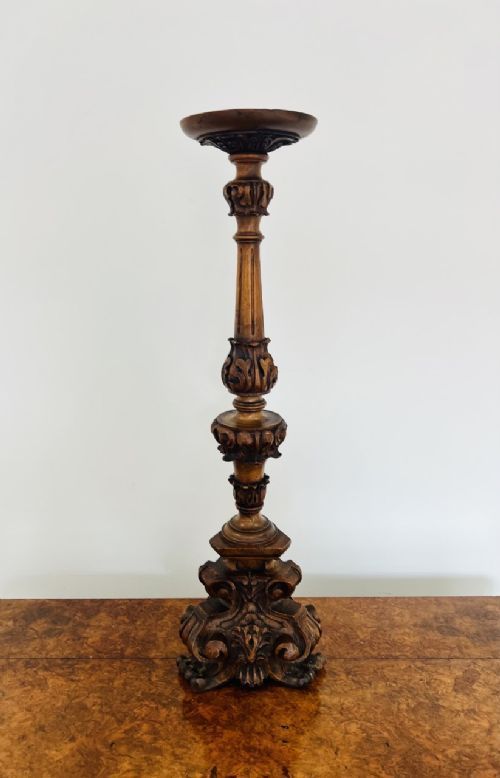
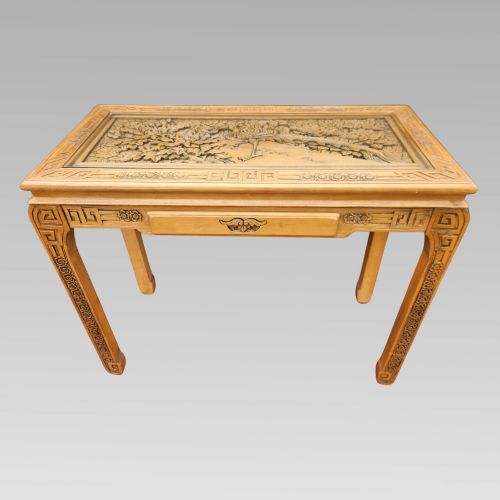
When searching for an antique wooden altar, buyers encounter a diverse selection of devotional furniture, tables, and ritual objects spanning multiple continents and centuries. The pieces available here include Chinese altar tables, European torcheres, home altars, and religious statues dating from the seventeenth century through the early twentieth century.
Religious artefacts such as candlesticks, polychrome angels, reliquary mirrors, and carved Buddha figures complement the larger furniture pieces. These items reflect both formal ecclesiastical production and domestic folk art traditions across different cultures.
Materials and Techniques
The construction of these pieces relies on solid timbers including oak, elm, walnut, and rosewood, shaped through traditional joinery and hand carving. Structural elements demonstrate the use of dense regional hardwoods capable of supporting heavy ritual objects and continuous daily use.
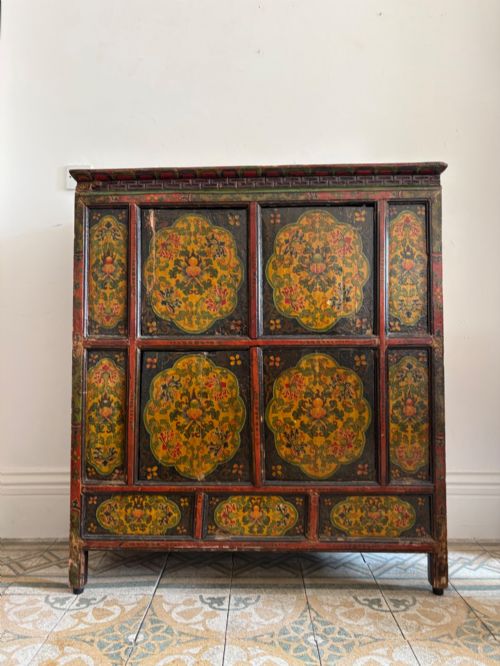
Surface decoration frequently involves applied layers of gesso, gold leaf, silver leaf, and polychrome paint. Lacquer finishes and hand-painted floral motifs appear on Asian examples, while European pieces often feature intricate giltwood detailing and ebonised highlights.
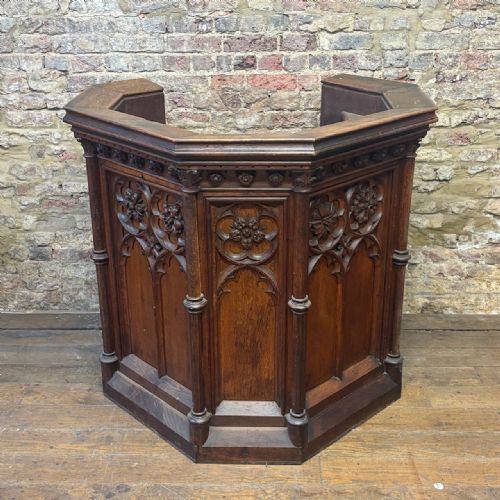
Object forms on this page range from architectural church pulpits and console tables to portable home altars and carved wooden Buddha figures.
Craftsmanship and Preservation
Quality in these devotional objects rests upon the crispness of the hand carving and the integrity of the original surface finishes, such as period gilding or patinated elm. Superior pieces retain their structural harmony and authentic ritual wear without heavy modern intervention.
The sophistication of the joinery and the depth of the sculptural detail separate standard utility pieces from exceptional works of ecclesiastical or provincial art. Preservation of original polychrome paint, silver leaf, and gold leaf significantly elevates the character of a piece.
The Antique Wooden Altar Glossary
- Torchere
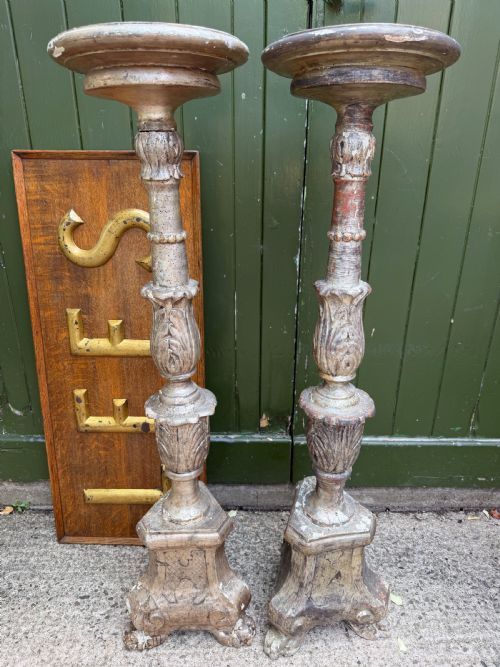
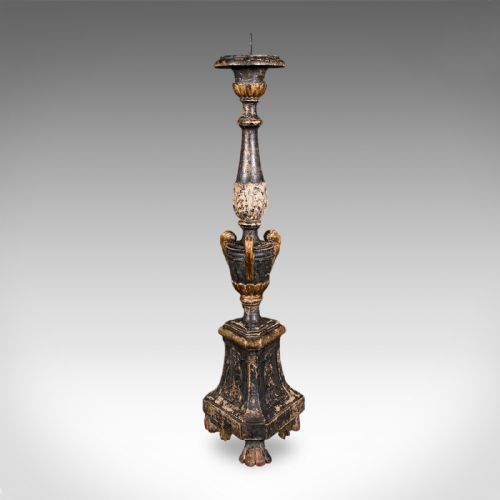
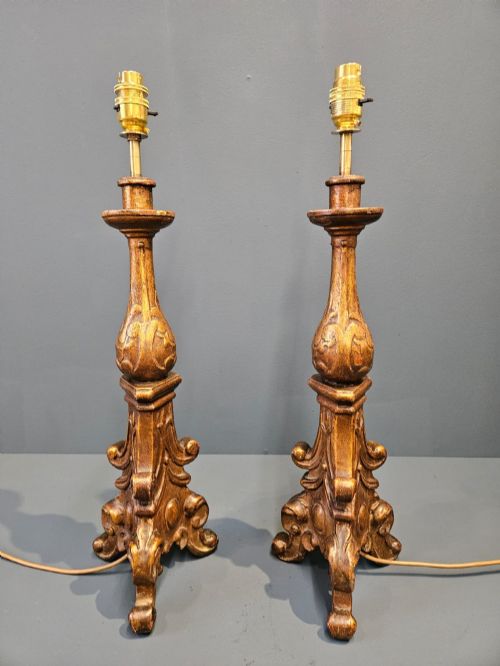
- A tall stand or candlestick designed to support a light source, often featuring ornate carved wooden shafts. Italian examples from the eighteenth and nineteenth centuries frequently employ silvered or giltwood finishes.
- Pricket
- A candleholder featuring a sharp metal spike upon which a large wax candle is mounted. These appear frequently on European altar candlesticks and ecclesiastical furnishings.
- Giltwood
- Timber that has been coated with a thin layer of gold leaf or gold paint for decorative effect. It is commonly found on Baroque and Gothic Revival ecclesiastical furnishings.
- Polychrome
- The practice of decorating architectural elements, sculptures, or furniture in several colours. This technique is typical on traditional religious statues and home altars.
- Reliquary
- A container intended for the safekeeping or exhibition of sacred relics. Mirrors and frames associated with these items often incorporate religious motifs like the flaming heart.
Antique Wooden Altar: Frequently Asked Questions
How were wooden altars used?
These altars served as focal points for private devotion, domestic prayer, and ecclesiastical ceremonies across various religious traditions. They held ritual objects such as candles, reliquaries, and sacred texts.
Smaller home altars allowed families to practice devotions within domestic spaces, while larger tables and benches anchored the liturgical layout in chapels and temples.
Where do antique altars originate?
The pieces originate from diverse geographic regions, primarily representing European church traditions and Chinese domestic or temple woodworking. Italian workshops contributed heavily to the European side with giltwood and carved walnut items.
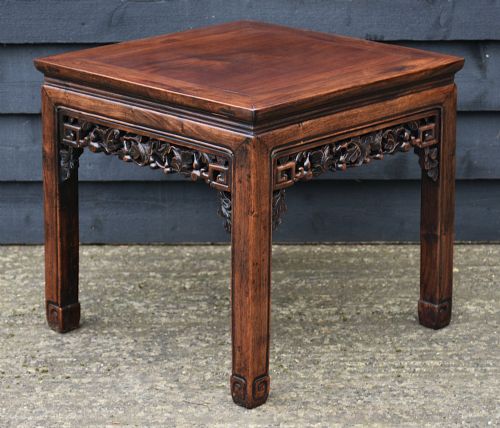
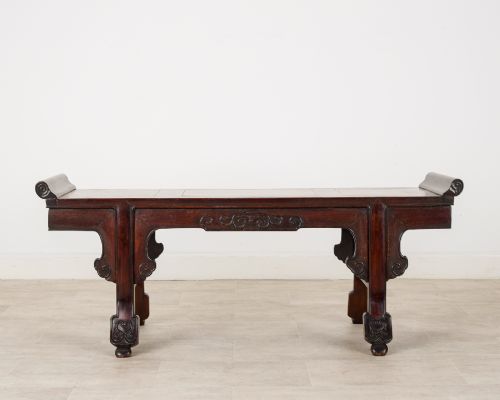
Chinese examples largely comprise elm and hardwood altar tables originating from domestic and provincial settings. Each region applied distinct decorative techniques to local timber stocks.
How should I clean wood and gilt surfaces?
Maintenance requires gentle dusting with a soft, dry cloth to prevent the accumulation of dirt on delicate carvings and fragile leaf surfaces. Moisture and chemical cleaners must be avoided entirely to protect aged finishes.
Preserving the original patina means accepting minor surface wear as part of the object's history. Professional conservation is recommended for fragile gesso or flaking polychrome paint.
How do I date a wooden altar?
Dating relies on identifying structural joinery methods, tool marks, and stylistic indicators associated with periods like the Baroque Revival or Qing Dynasty. Wood shrinkage and natural oxidation patterns offer reliable clues to an object's age.
Comparing the decorative motifs against documented regional furniture styles helps narrow the manufacturing era. Wear patterns around footings and touch points further confirm long-term use.