


Antique Wooded Landscape
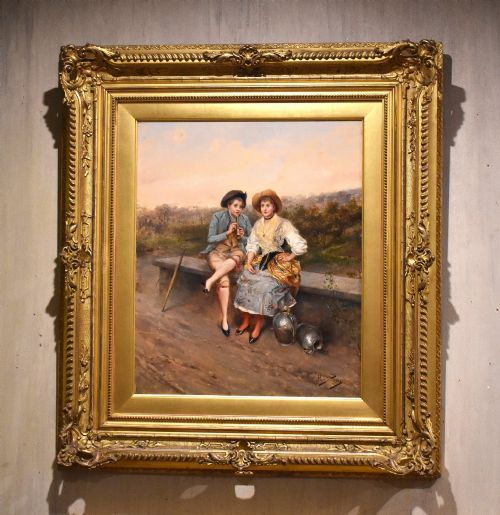
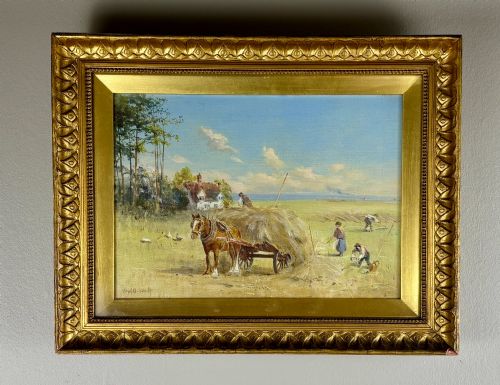
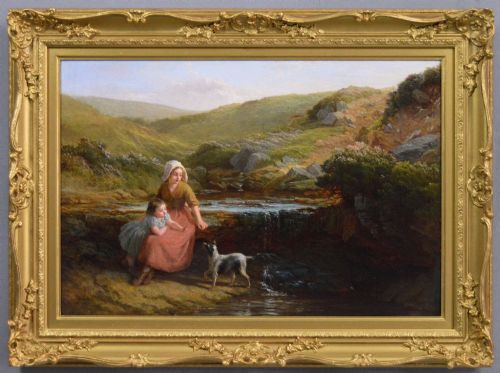
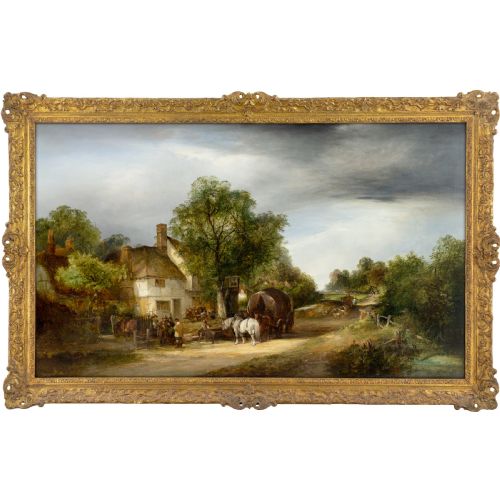
When you search for an antique wooded landscape, you are looking for framed pastoral scenes captured in oil on canvas or panel across centuries.
Antique Wooded Landscape
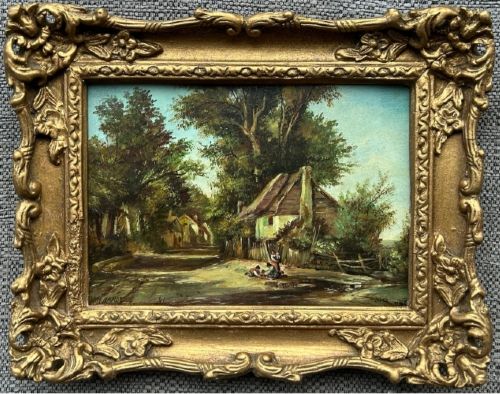
An antique wooded landscape encompasses framed oil paintings, watercolours, and engravings depicting trees, forests, and rural scenery. These works emerge from various periods including the seventeenth, eighteenth, and nineteenth centuries, reflecting diverse European and British traditions.
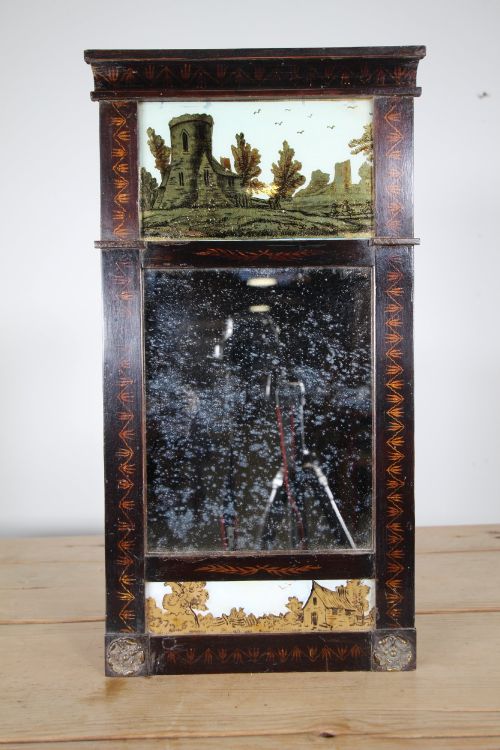
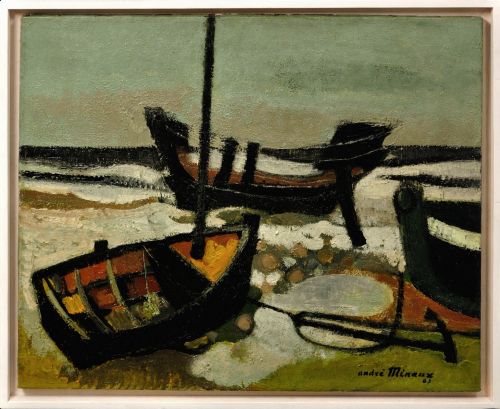
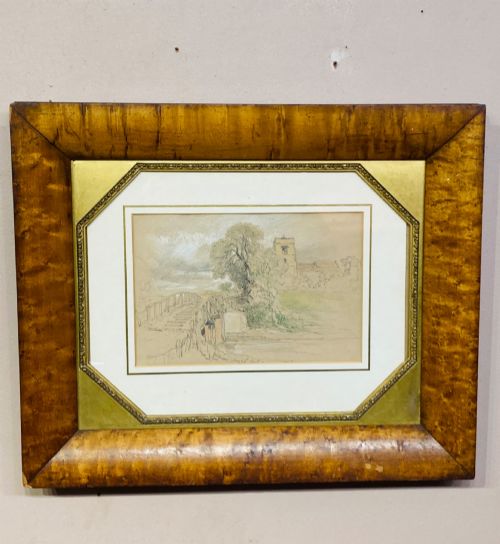
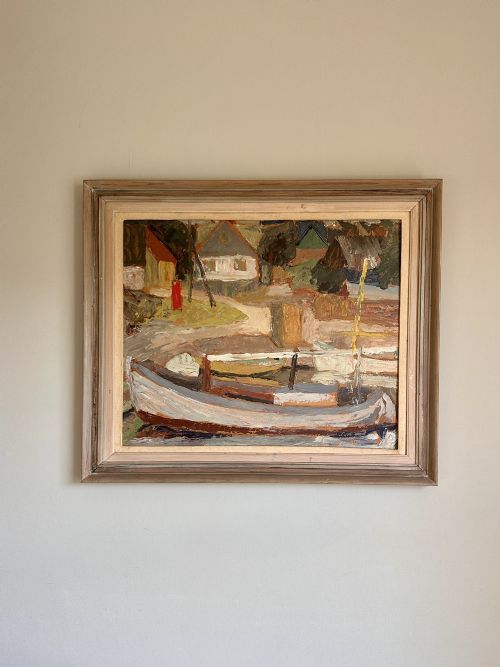
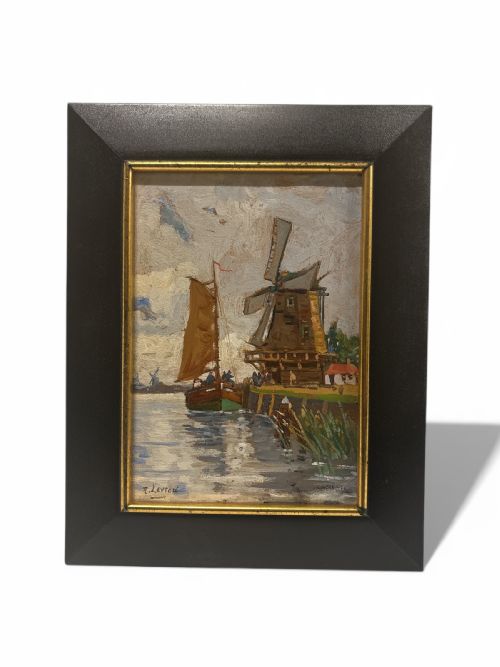
Buyers will most frequently encounter nineteenth-century oil paintings on canvas or wood panel, alongside framed watercolours and decorative mirrors set within wooden frames. The selection ranges from pastoral scenes and river paths to Dutch-influenced freezing vistas and coastal views.
The objects combine pictorial art with period framing, often utilising gilt wood or original carved surrounds. Each piece captures a distinct regional style, spanning British Impressionism, Dutch Golden Age works, and Victorian realism.
How they were made
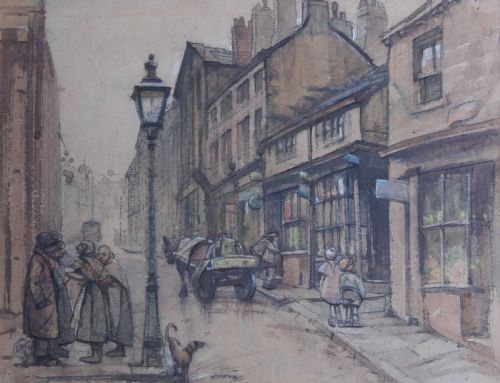
Artists painted primarily with oil paint on stretched canvas or directly onto prepared wood panels, employing layered brushwork to build depth in foliage and skies. Watercolours were applied to paper for lighter, more translucent rural studies.
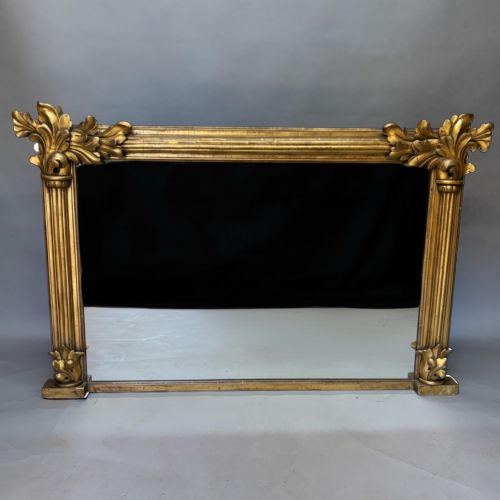
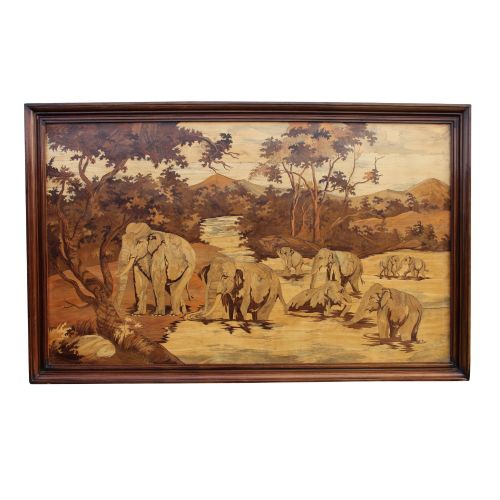
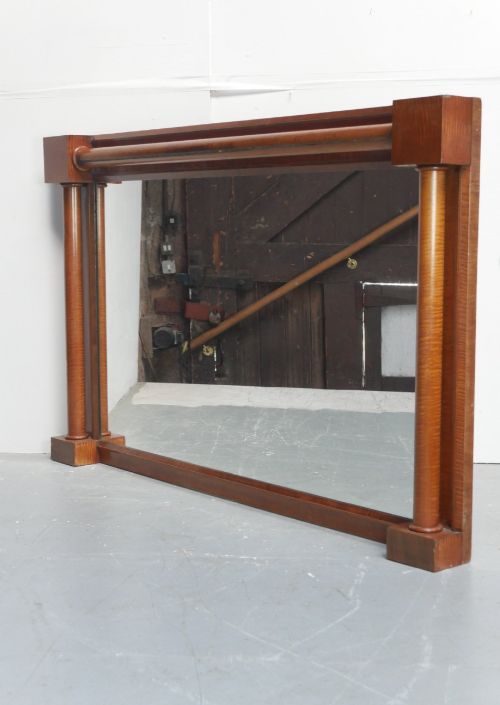
Frames and mirrors were constructed from solid timbers such as mahogany, walnut, and satin birch, frequently embellished with carved gesso and applied gilt leaf. Marquetry panels incorporated contrasting wood veneers to form detailed pictorial inlays.
Antique Wooded Landscape Retail Price Guide 2026
Typical asking prices for wooded landscape among the pieces listed under this phrase on Sellingantiques today, from the lower quarter to the upper quarter. They describe what is for sale here now, not the wider market.
A painted Chinoiserie lacquer cupboard brings outdoor woodland scenes straight onto domestic furniture.
What varies in quality
The refinement of the brushwork and the naturalism of the composition separate masterworks from provincial or naive examples. Subtle handling of light and atmospheric depth in the depiction of trees and water dictates the artistic merit.
The preservation of the original wooden frame and the stability of the canvas or wood panel support influence the overall integrity. Original giltwood surfaces and untouched periods of manufacture hold greater aesthetic coherence.
Alonso Perez·Edward Holmes RBA·Hugh Barry-Scott·Barent Gael·Cuthbert Crossley·Edward Charles Williams·William Shayer·Tom Campbell·W Klombeck·William Howard Hardy·B. Nash·Robert A. Nottingham·Thomas Creswick·Johannes Lingelbach·Francisco Sancha·Frederick Walker·George Oyston·Sir Alfred East·Charles Hunt·Étienne Baudet·John Moore of Ipswich·Florence Adelina Hess·Paul-Élie Gernez·T. Bergman
The Antique Wooded Landscape Glossary
- Oil on Panel
- A painting executed on a wooden board rather than woven canvas. This rigid support was common in earlier European schools.
- Giltwood
- Timber that has been coated with a thin layer of gold leaf. It is frequently seen on ornate nineteenth-century frames and overmantel mirrors.
- Marquetry
- The art of applying small pieces of wood veneer to a structure to form decorative patterns. It appears on panels and furniture alike.
- Watercolour
- A paint consisting of pigment suspended in a water-soluble binder. It was commonly used on paper for landscape sketches.
- Overmantel Mirror
- A large looking glass designed to be hung directly above a fireplace mantel. These often feature elaborate wooden and gesso frames.
Antique Wooded Landscape: Frequently Asked Questions
What is an antique wooded landscape?
An antique wooded landscape is a historical painting or work on paper depicting trees, forests, and rural scenery. These artworks capture the natural world through the specific techniques of past centuries.
Most examples found on this page date from the nineteenth century onwards, executed in oil or watercolour. They preserve historical interpretations of the countryside within period frames.
How should I care for an oil painting on wood panel?
Paintings on wood panels require stable room temperatures and moderate humidity to prevent the timber from warping or cracking. Keep them away from direct sunlight and heat sources.
Dust the surface gently with a soft, dry brush and avoid applying liquid cleaners. Professional conservation should be sought for any structural issues.
How can I tell a nineteenth-century painting from a later copy?
Nineteenth-century paintings display historical materials such as hand-stretched canvas, older pigments, and period wood panels showing natural ageing. Examination of the reverse often reveals patination and framing methods characteristic of the era.
Stylistic execution and framing details also align with documented periods of British and European art. Signatures and inscriptions further help contextualise the work.
Where were wooded landscape paintings traditionally displayed?
These landscapes were traditionally hung in drawing rooms, parlours, and formal dining spaces of period homes. They brought views of the natural countryside into domestic interiors.
Larger works were frequently positioned above mantelpieces as focal points within the room. Smaller panels were often collected for intimate studies.