
Antique Wood Tub Chair
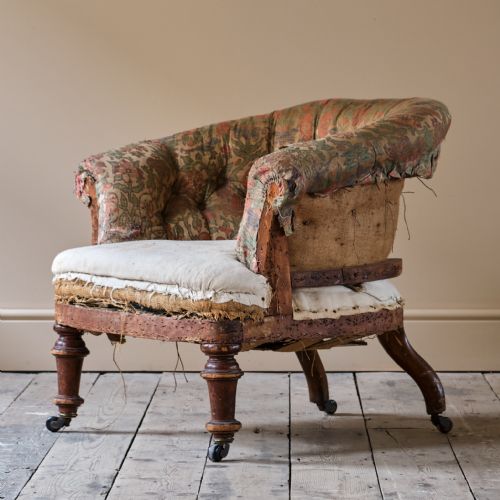
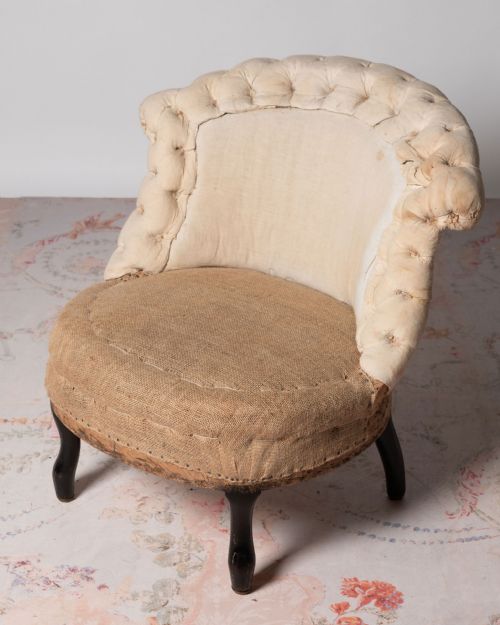
An antique wood tub chair wraps you in a continuous curved back, offering an intimate seat found across Victorian, Edwardian and Regency periods.
Antique Wood Tub Chair
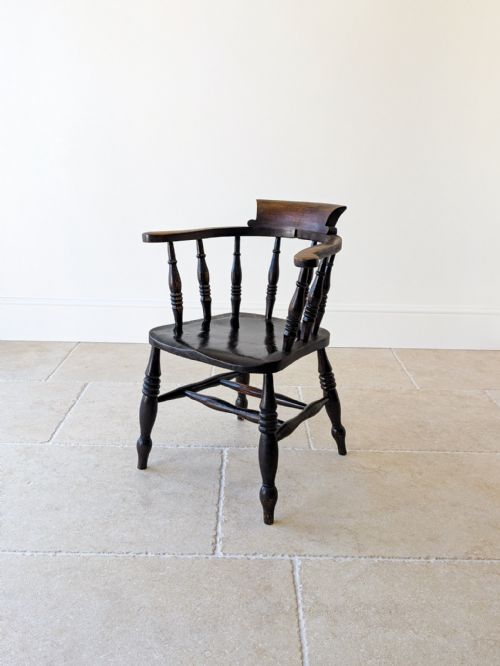
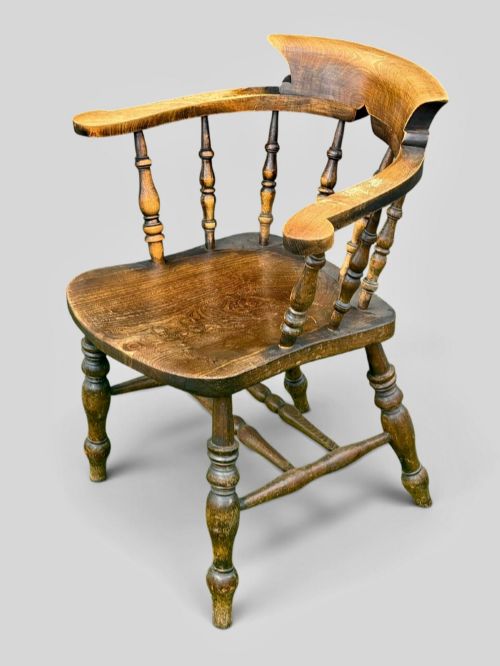
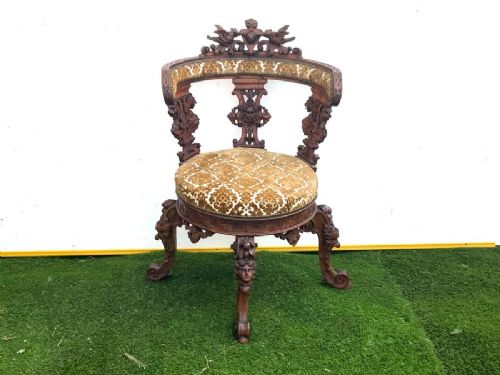
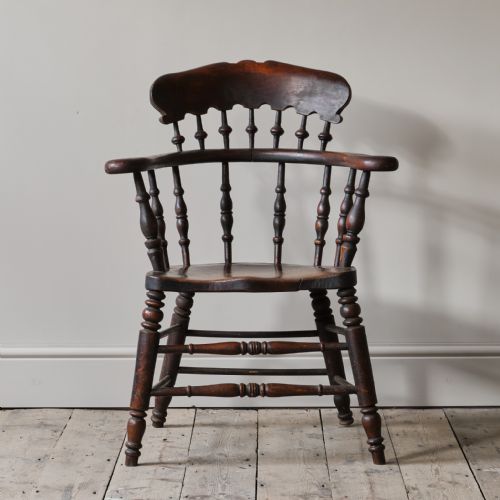
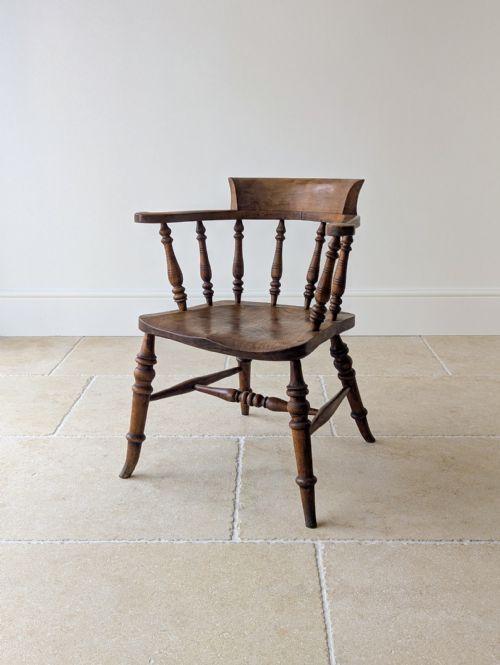
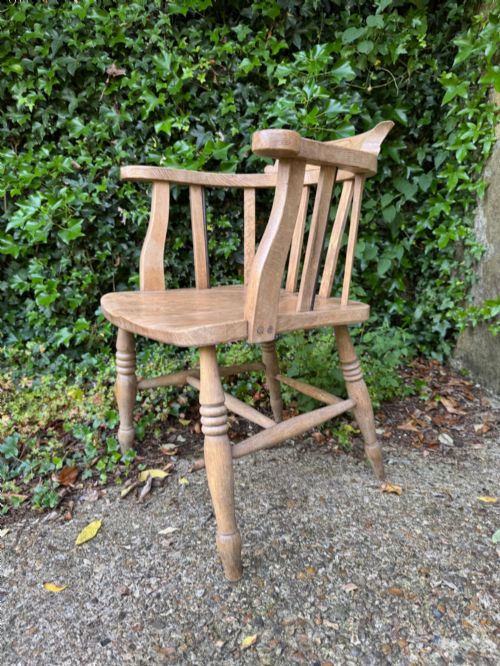
An antique wood tub chair defines a seated form where the low back and arms merge into one rounded enclosure, appearing frequently across the Victorian and Edwardian eras. Buyers searching this phrase meet various regional iterations, including English elm captains chairs, Windsor smokers bows, and mahogany library seating.
The selection ranges from sturdy country desk chairs in beech and ash to refined drawing room seats in rosewood and satinwood. Many examples double as library or writing armchairs, utilising the curved upper rail to support the torso during extended reading or correspondence.
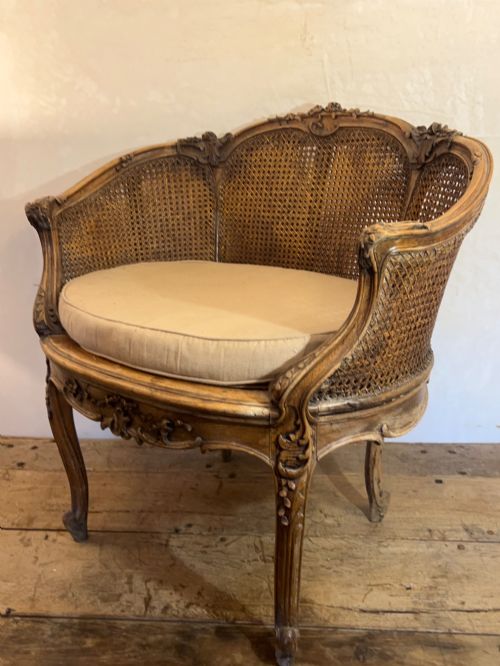
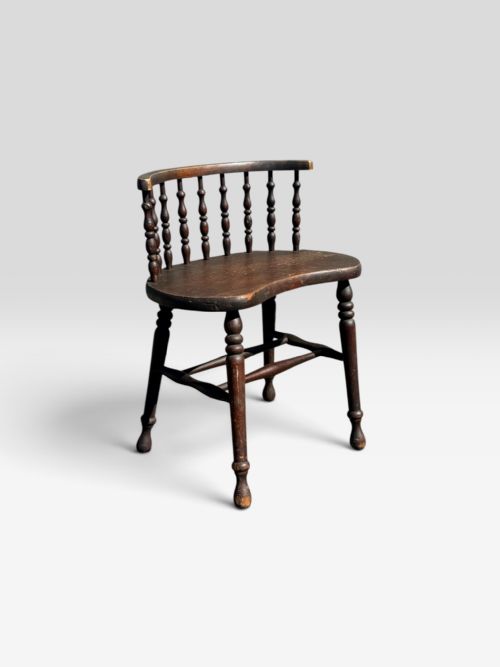
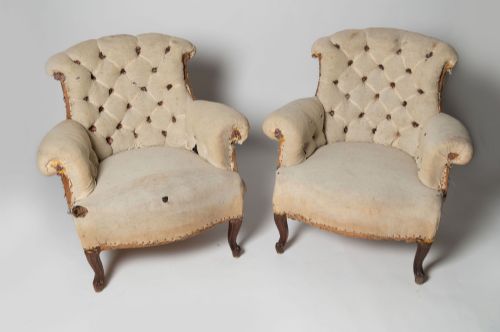
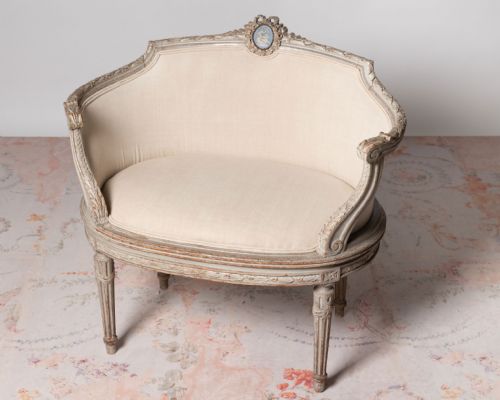
Makers adapted the form for domestic and institutional interiors alike, producing everything from children's spindle-back seating to grand French bergere armchairs. The unifying characteristic remains the deep, semicircular frame that envelops the occupant.
How they were made
Cabinet makers and bodgers shaped these frames using native hardwoods such as elm, ash, beech, mahogany and yew, often combining solid timber seats with steam-bent back rails. Elm provided a tough, non-splitting surface for saddle seats, whilst beech and ash formed the responsive spindles and legs.
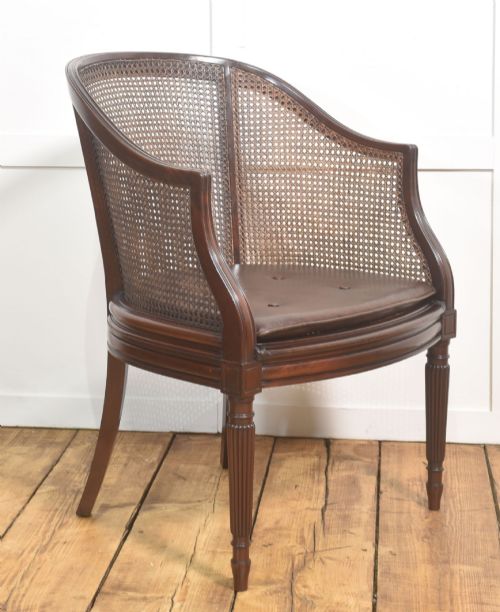
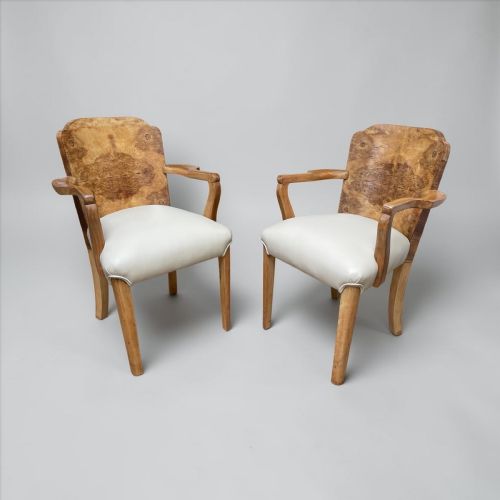
Finer reception chairs utilised mahogany, satinwood or rosewood, sometimes enhanced with marquetry inlay, cane panels or luxurious velvet and fabric upholstery. Joinery techniques combined traditional mortise and tenon joints with steam-bent components to achieve the signature continuous curve.
Examples range from compact children's Windsor seating and corner chairs to grand French gilt occasional chairs and library armchairs.
What varies in quality
The calibre of a piece depends heavily on the selection of timber and the harmony of its proportions, particularly in the fluid sweep of the curved back rail. Grain density in woods like burr elm or yew dictates the visual depth of the seat, whilst crispness in carved details or inlay separates standard workshop production from master cabinet work.
Structural integrity relies on the retention of original joints and the quality of the timber seasoning, which prevents warping in the steam-bent components over time. Pieces retaining their original surfaces and authentic patination command greater appreciation than those stripped and heavily refinished.
C. Hindley & Sons·E.W. Godwin
The Antique Wood Tub Chair Glossary
- Tub chair
- An armchair featuring a low, rounded back that flows continuously into the arms. It encloses the sitter for warmth and comfort.
- Smokers bow
- A sturdy, low-backed Windsor armchair popular in nineteenth-century country pubs and homes. It utilises a thick steam-bent rail above turned spindles.
- Bergere
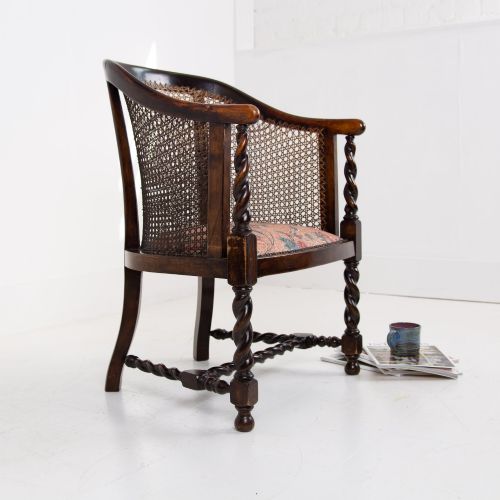
- An enclosed upholstered armchair with wooden framing and cane-work sides or back panels. Originating in France, it often includes a loose seat cushion.
- Captains chair
- A robust wooden armchair with a rounded spindle back designed for desk or office use. The seat is frequently shaped from a single solid piece of elm.
- Marquetry
- Decorative veneer work arranged in intricate patterns or pictures on furniture surfaces. Craftsmen used contrasting wood types to create detailed motifs.
Antique Wood Tub Chair: Frequently Asked Questions
What is an antique wood tub chair?
An antique wood tub chair is an upholstered or timber-framed seat with a continuous curved back and armrest assembly. This enclosed design originated to block draughts in cooler rooms.
Craftsmen built these chairs from the eighteenth century onwards in various woods including mahogany, elm, and rosewood. They served multiple domestic roles from library reading to bedroom dressing seats.
How do I identify a Victorian tub chair?
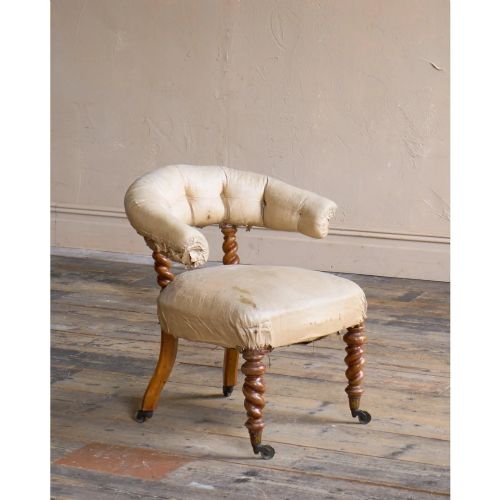
Victorian tub chairs typically exhibit denser hardwoods like walnut or rosewood, often complemented by deep buttoned velvet upholstery or intricate marquetry inlay. The turnings on the legs reflect mid to late nineteenth-century revival styles.
Comparing the timber patination and joinery methods helps distinguish these pieces from later Edwardian reproductions. Makers of this period favoured heavier, robust frames designed for formal reception rooms.
Where were tub chairs used in the home?
These chairs originally stood in libraries, studies, and drawing rooms where occupants required comfortable seating for reading or conversation. Their compact footprint allowed them to fit neatly into corners or beside writing desks.
Today, they function well as occasional seating in living spaces or as dedicated desk chairs. Their enveloping shape provides practical support for home office work.