


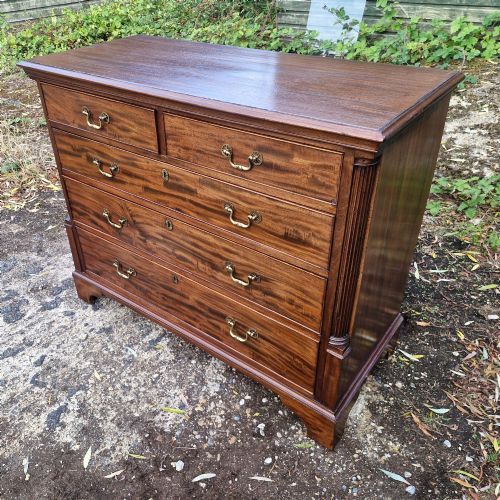
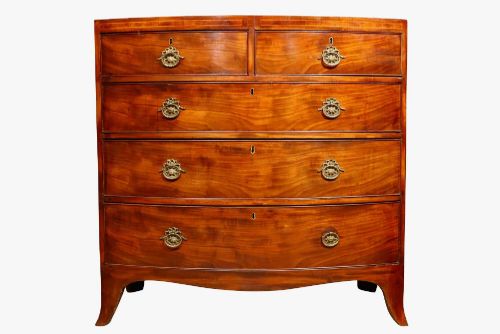
Antique Wood Tallboy Dresser
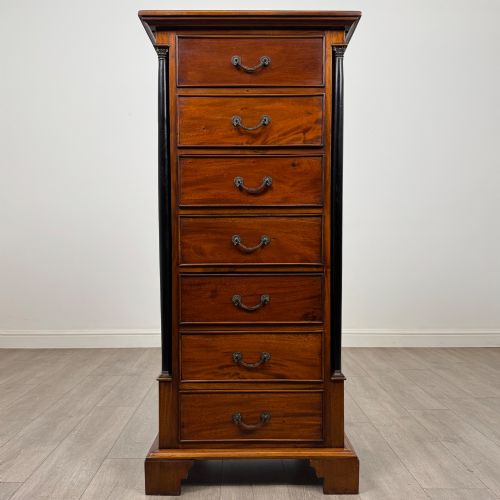
An antique wood tallboy dresser offers commanding vertical storage and rich timber grain, bringing practical presence and centuries of craft to a room.
Antique Wood Tallboy Dresser
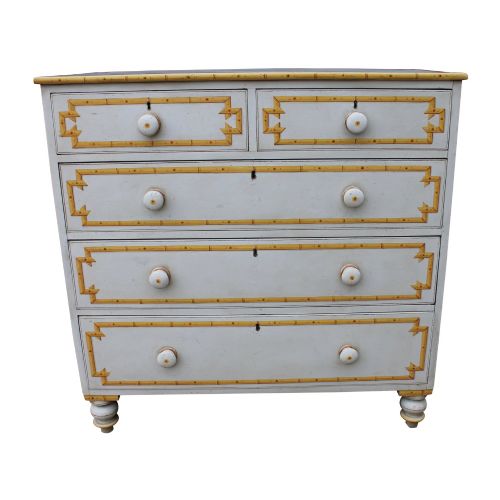
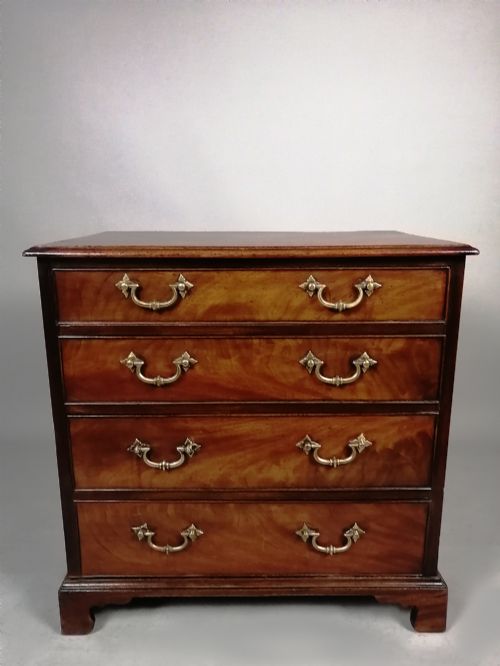
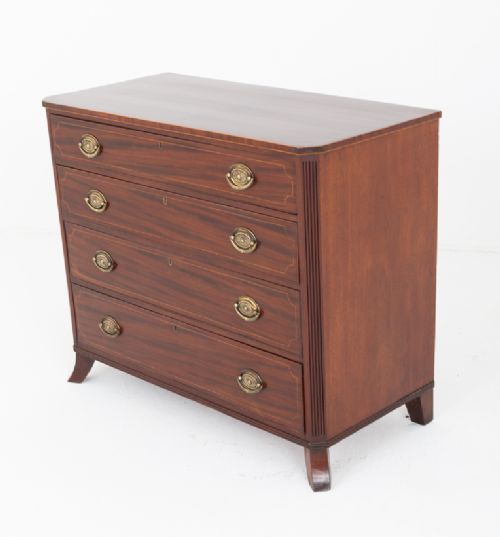
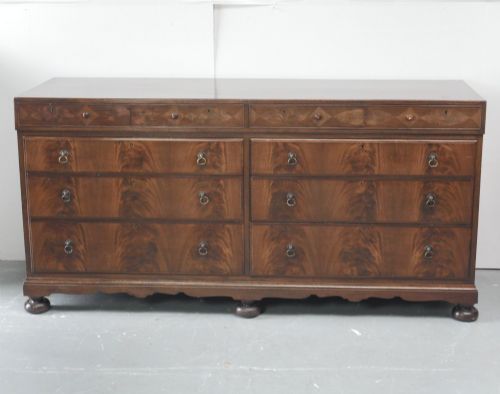
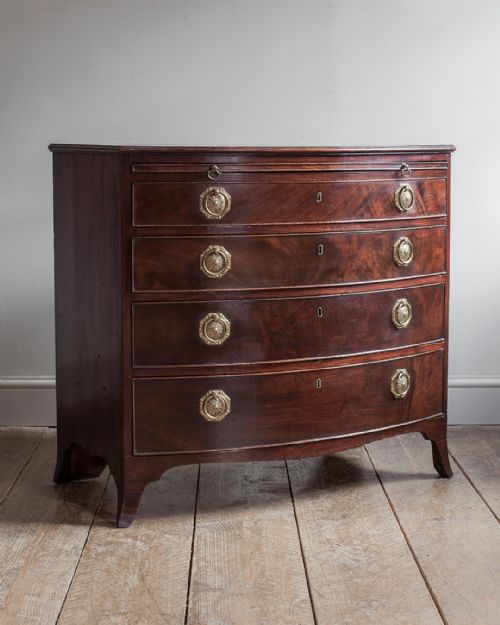
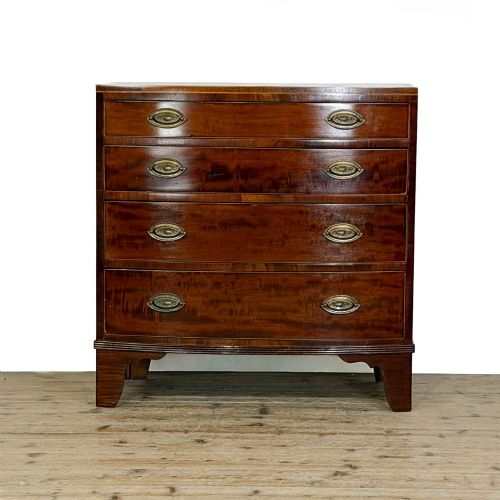
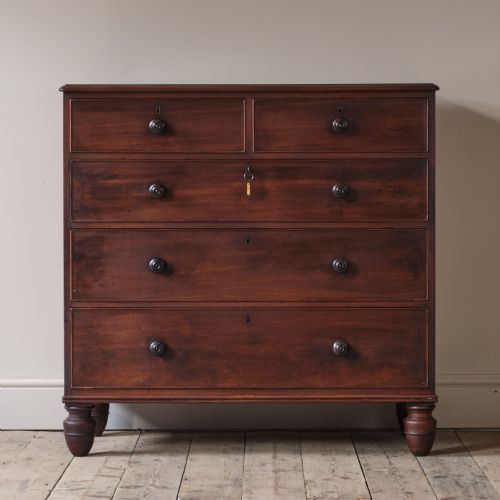
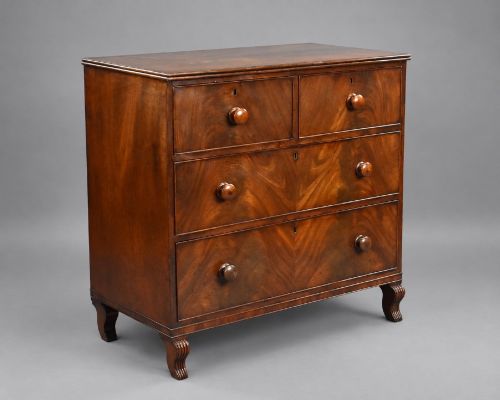
When searching for an antique wood tallboy dresser, buyers encounter substantial storage pieces primarily built as chests of drawers across several historic periods. The examples found here span from the seventeenth century through the Georgian, Regency, and Victorian eras into the Edwardian period.
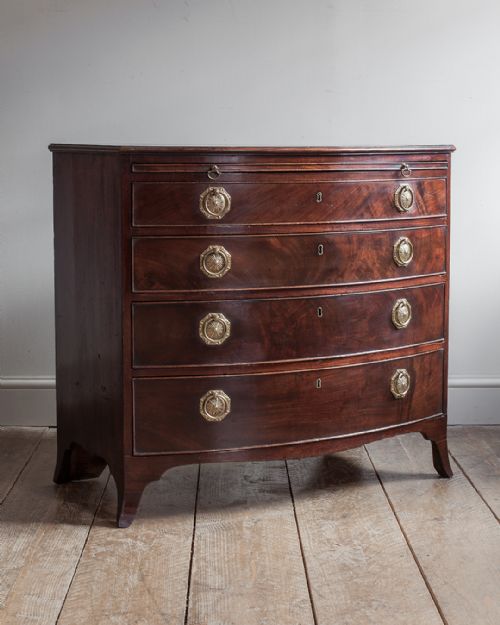
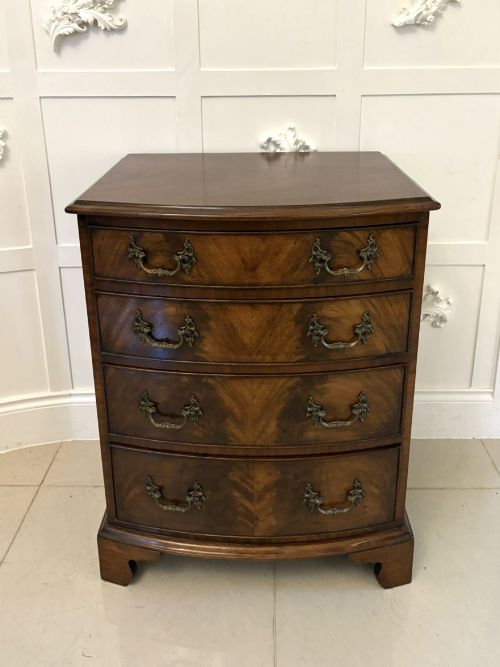
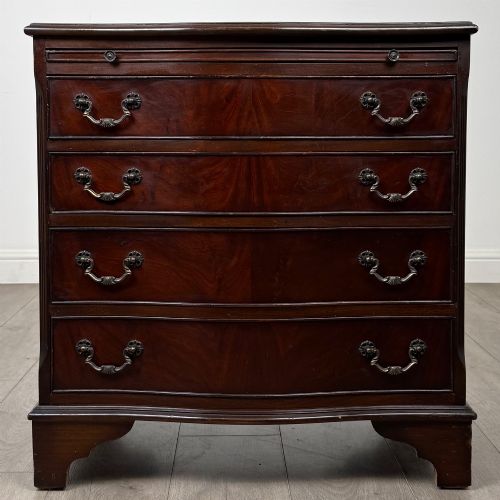
Most pieces on this page appear in mahogany, pine, and oak, often taking the form of straightforward drawer chests or bow front and serpentine variations. These tall storage items organise interior spaces while displaying the distinct proportions favoured by past cabinet makers.
Materials and construction methods
Cabinet makers relied heavily on solid timber like mahogany, oak, and pine, frequently selecting flame mahogany veneers and satinwood for decorative surfaces. These woods were joined using traditional carpentry techniques to ensure durability over centuries of daily use.
Metal fittings such as brass handles and pulls complete the construction, complementing the rich grain of the wood. Carpenters shaped bow fronts and serpentine curves by hand, demonstrating high levels of joinery skill.
Certain Georgian drawers conceal clever writing brushes and sliding shelves designed for the discreet correspondence of past occupants.
Distinctions in craftsmanship and finish
Quality separates pieces by the precision of the timber selection, particularly where figured mahogany or flame veneers are matched across the drawer fronts. Superior examples show careful attention to internal drawer construction and the integrity of the original brass hardware.
The finesse of the carved details and the preservation of the original surface patination distinguish finer items from standard utility pieces. Proportion and balance in serpentine or bow front designs also mark the division between ordinary production and master cabinet work.
Whytock and Reid·T and G Seddon·Harris Lebus of Tottenham
The Antique Wood Tallboy Dresser Glossary
- Tallboy
- A tall chest of drawers, often constructed in two sections with a smaller set stacked upon a larger base.
- Bow front
- A cabinet front that curves outward in a convex shape, popular in late Georgian and Regency furniture design.
- Serpentine
- A furniture front characterised by a wavy line, curving outward at the centre and inward at the sides.
- Flame mahogany
- A veneer cut from the fork of a mahogany tree that displays a distinctive flickering flame pattern.
- Bun foot
- A rounded, flattened wooden foot shaped like a small bun, frequently seen on seventeenth and nineteenth-century pieces.
Antique Wood Tallboy Dresser: Frequently Asked Questions
How do I care for antique wood furniture?
Maintain stable room temperatures and keep wooden furniture away from direct heat sources to prevent the timber from splitting or warping over time.
Apply natural beeswax occasionally to nourish the grain and protect the finish without building up heavy chemical layers.
What is the difference between Georgian and Victorian chests?
Georgian pieces generally exhibit restrained classical proportions, finer timber selection, and delicate bracket feet or splayed supports.
Victorian items tend to be heavier in scale, utilising robust construction methods and sometimes incorporating bolder mouldings or glass pull handles.
Can I use a tallboy dresser in a modern bedroom?
These tall chests provide exceptional vertical storage capacity, making them ideal for rooms with limited floor space.
Their rich timber tones and historic character contrast effectively against contemporary neutral walls and minimalist interior schemes.
How do I identify mahogany veneer?
Look closely at the grain pattern across large flat surfaces to spot repeating motifs or mirrored figures characteristic of thin wood slices applied to a secondary base.
Inspect the edges where drawers meet to see the thickness of the decorative wood layer relative to the structural carcase timber.