


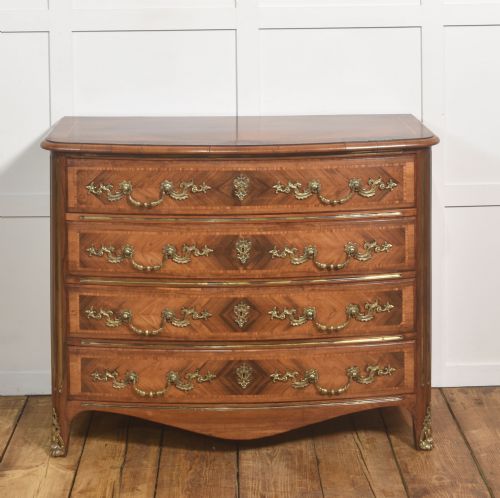
Antique Wood Storage Drawers
Antique wood storage drawers are practical period furnishings offering generous compartmentalised storage and rich timber grain that elevate any room.
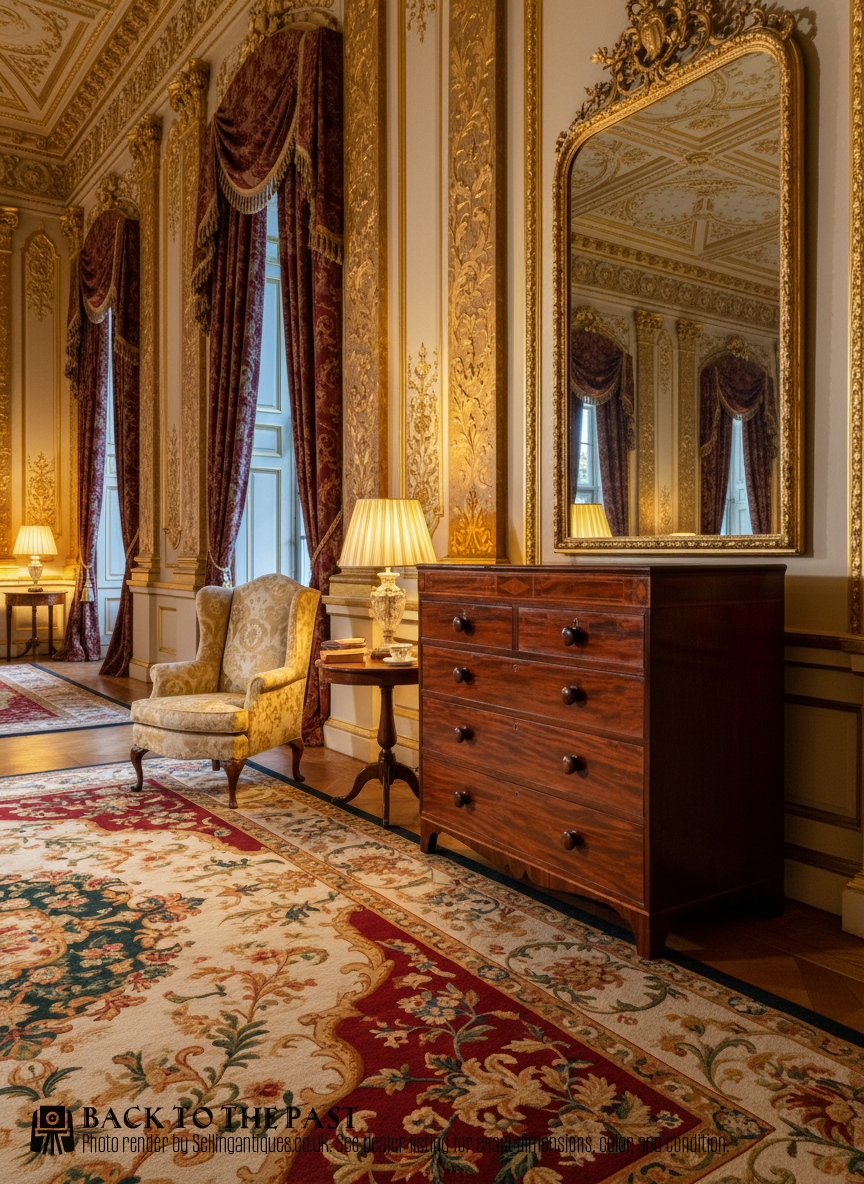
Identifying antique wood storage drawers
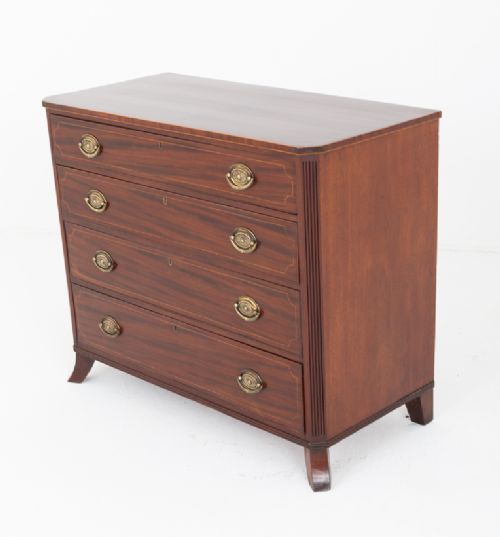
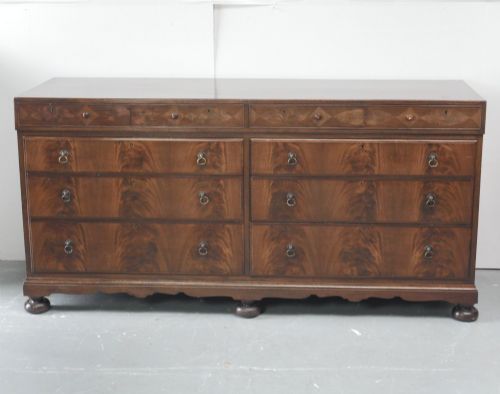
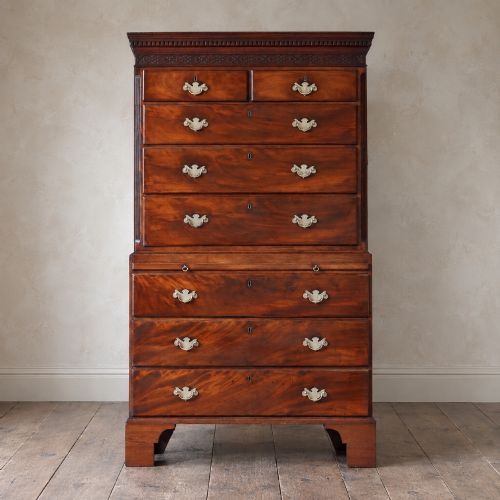
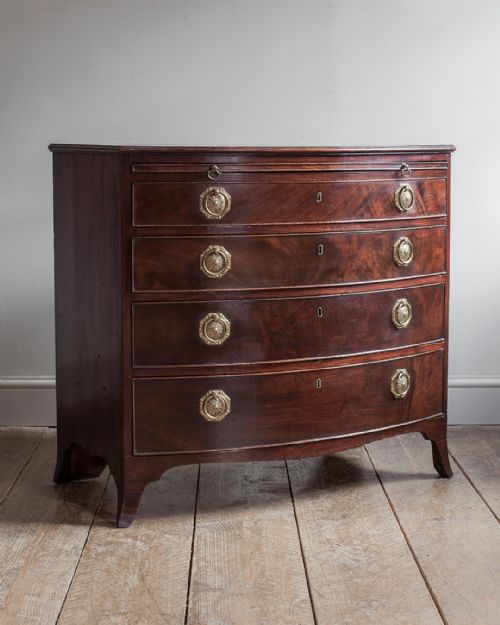
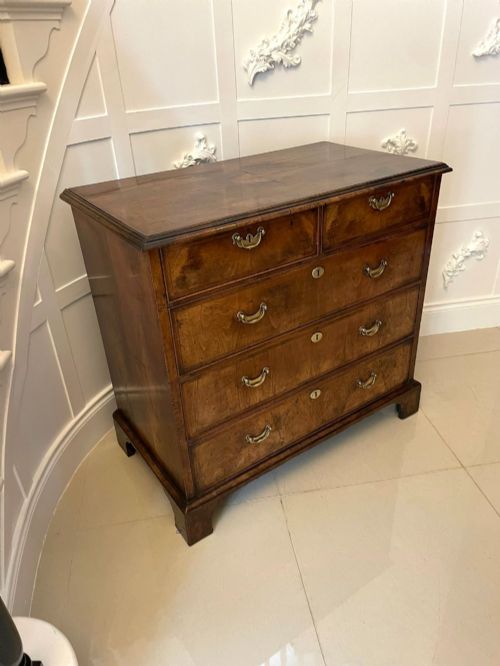
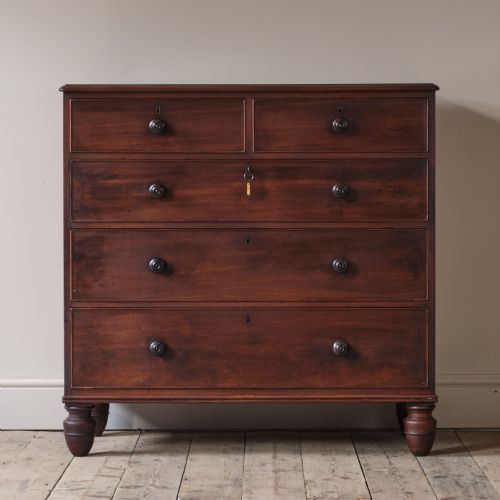
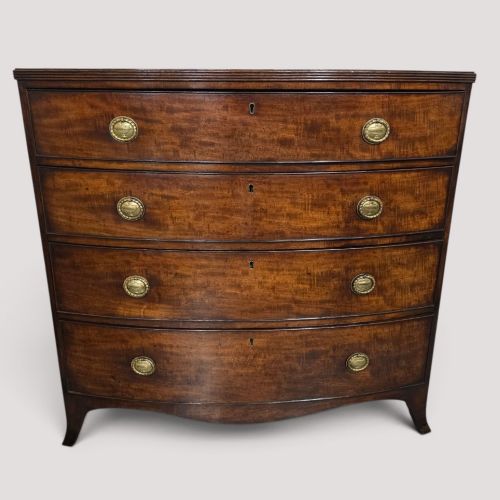
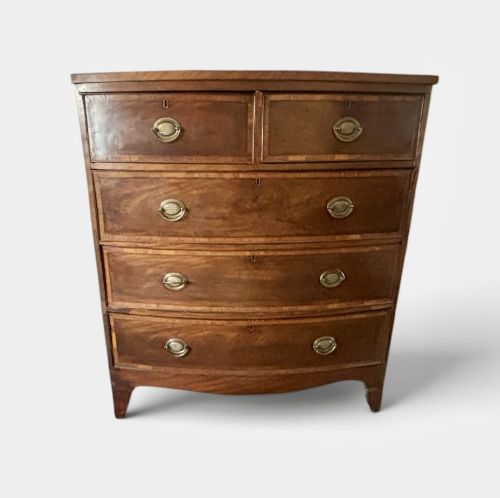
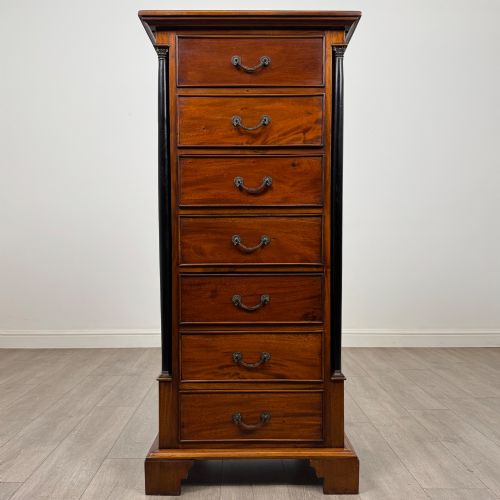
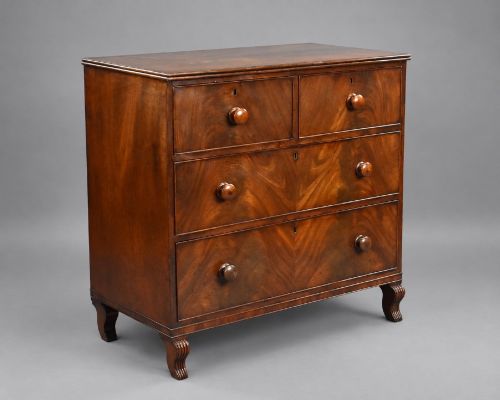
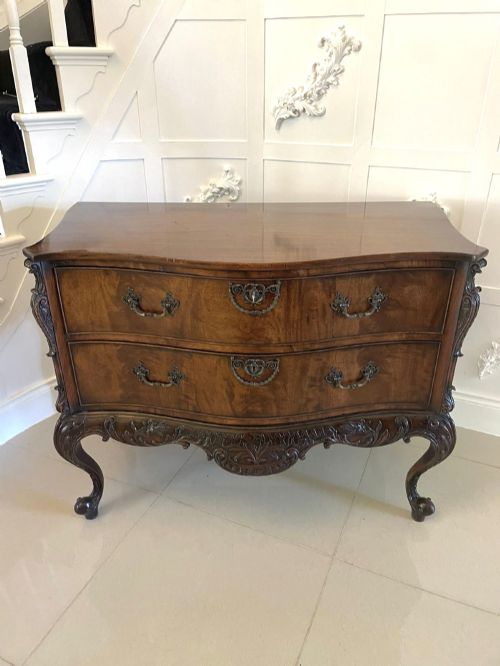
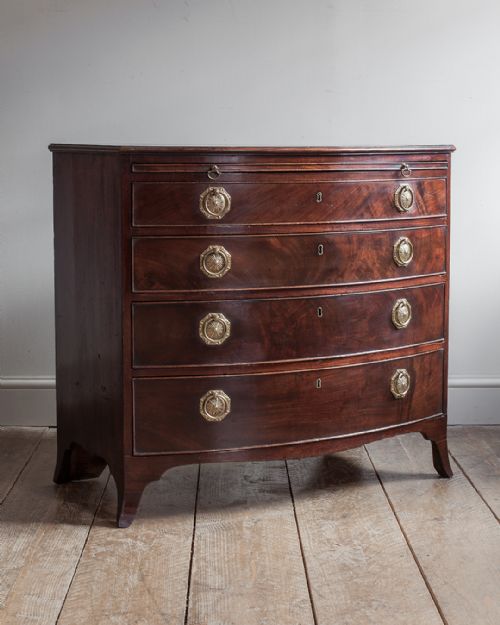
Antique wood storage drawers encompass classic chests of drawers, commodes, and bow fronted storage pieces designed for domestic organisation. Buyers exploring antique wood storage drawers encounter formal Georgian models alongside later nineteenth and twentieth century variations.
The selection ranges from George III mahogany and satinwood forms to elm and burr walnut iterations. These functional storage units combine traditional craftsmanship with enduring utility for modern interiors.
Materials and construction
Cabinet makers utilised dense hardwoods such as mahogany, elm, and walnut, frequently applying fine veneers and decorative inlay to enhance the primary timbers. Grain patterns dictate the visual character of each piece, supported by polished timber construction.
Hardware elements incorporate cast brass for handles and key escutcheons, complementing the warm tones of the surrounding wood. Marble tops occasionally appear on specific commode forms, adding a contrasting stone surface to the wooden carcase.
Retail Price Guide 2026
Typical UK retail prices for wood storage drawers, calculated from the Sellingantiques database of over a million retail prices indexed since 2003. This retail price guide relies exclusively on Sellingantiques data; no external sources or auction records are used, so the figures do not describe the wider market.
Several drawers hide secret locks behind decorative brass escutcheons, guarding valuables from curious household guests.
Assessing quality in storage drawers
Superior examples separate themselves through the careful selection of figured timbers, such as burr walnut or matched satinwood veneers, alongside precise geometric inlay. The coherence of the timber grain across the drawer fronts indicates deliberate planning by the cabinet maker.
Refined execution extends to the integration of original brass hardware and the proportion of the moulding details. Pieces that retain their original timber patination and balanced proportions sit at the higher end of the range.
The Antique Wood Storage Drawers Glossary
- Bow front
- A convex curved cabinet front popular in the eighteenth century. This shaping softens the rectilinear silhouette of a standard storage chest.
- Commode
- A decorative low storage cabinet containing drawers or doors. Originating in French design, the term often describes marble topped storage pieces.
- Escutcheon
- A protective plate surrounding a keyhole, frequently cast in brass. It prevents the timber surrounding the lock from wearing down through repeated use.
Frequently Asked Questions
How do I date an old chest of drawers?
Dating relies on examining the timber species, construction joints, and hardware styles present on the piece. Eighteenth century examples often display specific secondary woods and hand cut joinery characteristic of the period.
Subsequent nineteenth and twentieth century pieces introduce different veneer methods and stylistic revivals that help establish their approximate era of manufacture.
Where should I place antique drawers at home?
These storage units function effectively in bedrooms, hallways, or living spaces where surface area and concealed organisation are required. Their substantial wooden surfaces provide practical display space for lamps and decorative objects.
Keeping timber furniture away from direct heat sources and sudden humidity changes preserves the stability of the wood and veneer.
Are marble top commodes difficult to maintain?
Marble surfaces require basic care to prevent staining from acidic liquids, using coasters and wiping spills promptly. The stone top simply rests or fixes onto the wooden base, offering a durable and contrasting surface.
Regular dusting keeps the stone and surrounding timber carcase in good condition without needing harsh cleaning agents.
What is satinwood used for?
Satinwood serves as a pale, fine grained timber prized for its reflective quality and suitability for detailed inlay work. Cabinet makers employed it extensively during the Georgian era to create contrasting borders and decorative panels.
Its light golden hue brings brightness to formal furniture designs and highlights the craftsmanship of the period.