

Antique Wood Sofa
An antique wood sofa offers solid timber framing and period upholstery, bringing practical seating and heritage character to a traditional interior.
Antique Wood Sofa
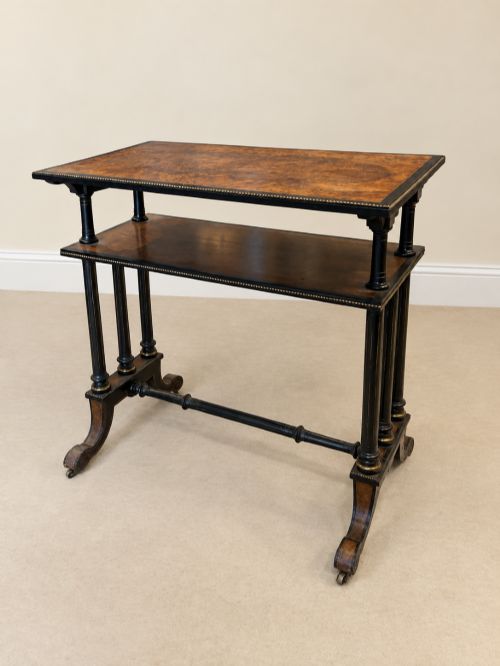
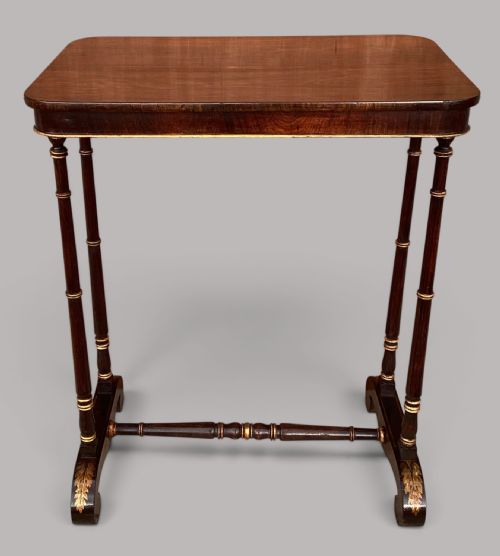
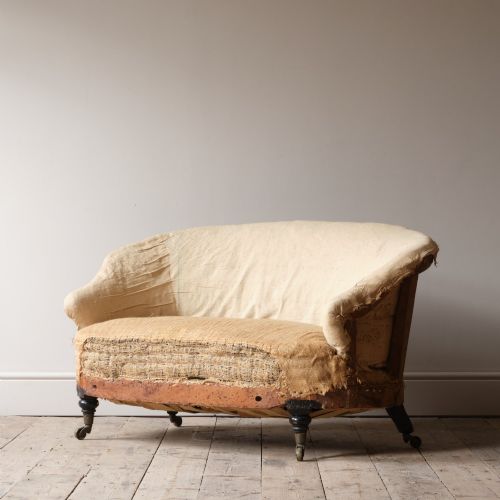
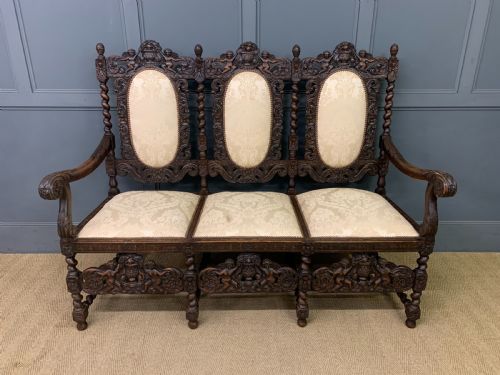
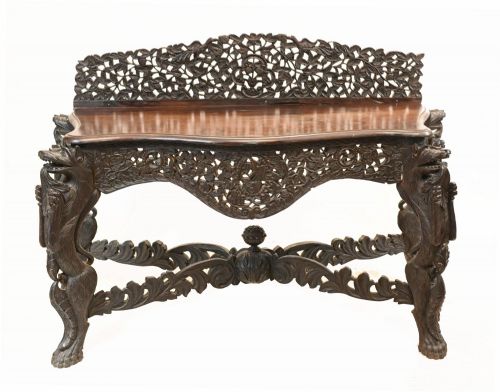
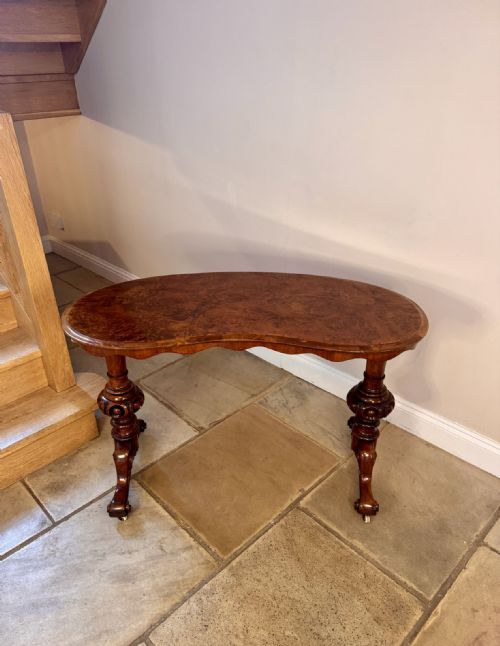
When you search for an antique wood sofa, you encounter substantial timber frameworks combined with period upholstery, ranging from double-ended settees to daybeds. The most frequent examples on this page date from the nineteenth century, including Victorian and Regency pieces alongside Edwardian designs.
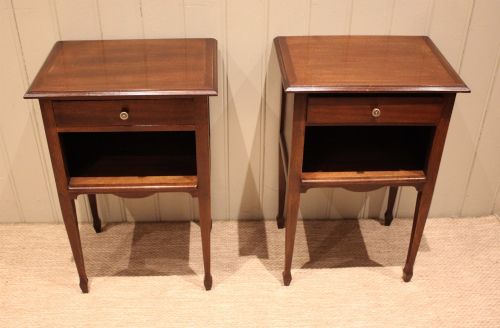
Makers such as Miles & Edwards and Holland & Sons produced notable seating forms, while firms like Thonet introduced bentwood methods. These items appear alongside various tables, but the core seating category focuses on wood-framed settees, daybeds, and chaise longues.
Materials span from mahogany and rosewood to walnut and oak, often paired with fabric upholstery or cane work. The forms reflect stylistic shifts from Georgian proportions through to Art Deco influences.
Materials and construction
Cabinet makers utilised dense hardwoods such as mahogany, rosewood, walnut, and oak to construct the main load-bearing frames. These timbers were frequently selected for figured grain patterns or flame figuring, providing a decorative exterior surface.
Joinery methods involved precise framing and turning, sometimes incorporating brass castors, hidden drawers, or ebonised wood details. Upholstered sections relied on traditional sprung bases and deep pile brocade or cane work for seating support.
Antique Wood Sofa Retail Price Guide 2026
Typical asking prices for wood sofa among the pieces listed under this phrase on Sellingantiques today, from the lower quarter to the upper quarter. They describe what is for sale here now, not the wider market.
Listings feature wood seating and tables spanning the 18th, 19th, and 20th centuries, executed in mahogany, rosewood, walnut, and oak.
Assessing craftsmanship and finish
The distinction between standard examples and finer items rests upon timber selection and the crispness of carved details. Pieces displaying carefully matched veneer work or figuration command greater attention.
Structural integrity of the wood frame and the preservation of original elements, such as brass fittings or cane work, dictate the overall standard of survival. Re-upholstered pieces depend on whether the restoration respects the original period proportions.
Miles And Edwards·Holland And Sons·Thonet·Gillows
The Antique Wood Sofa Glossary
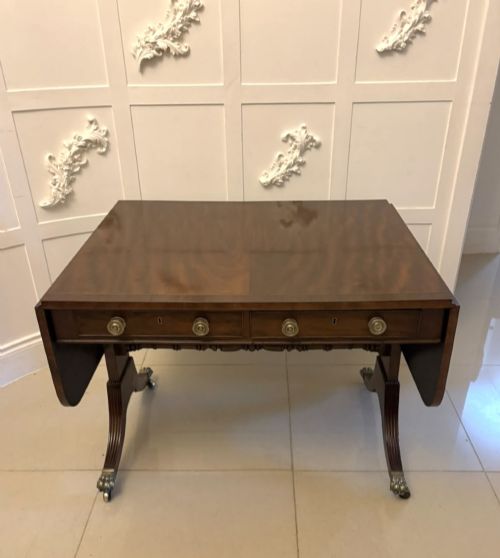
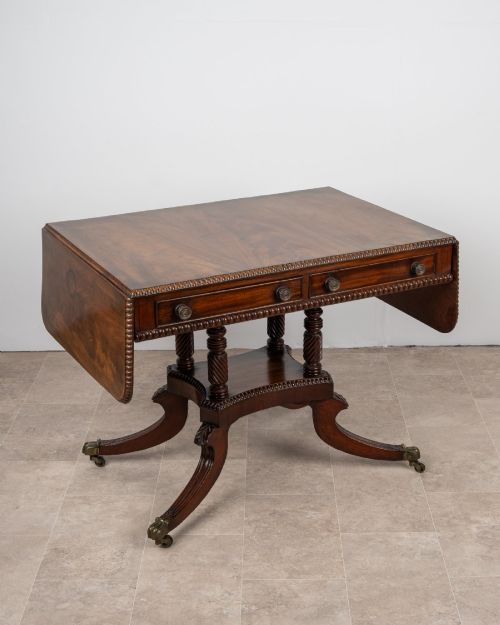
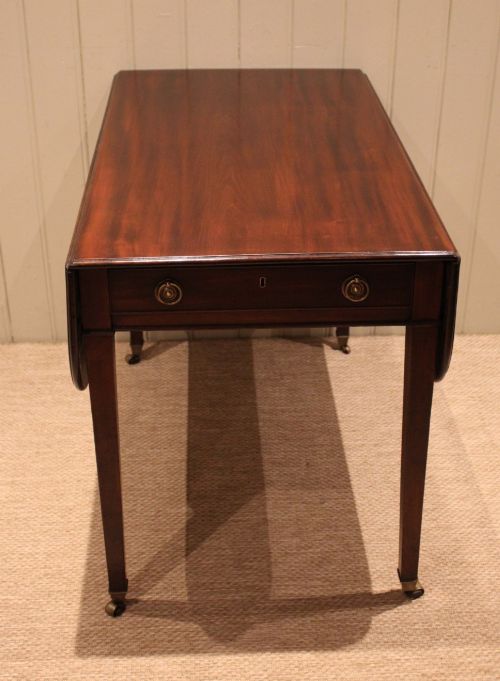
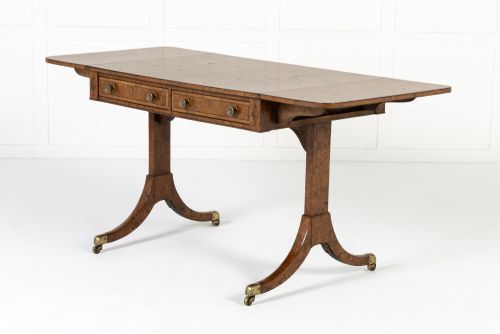
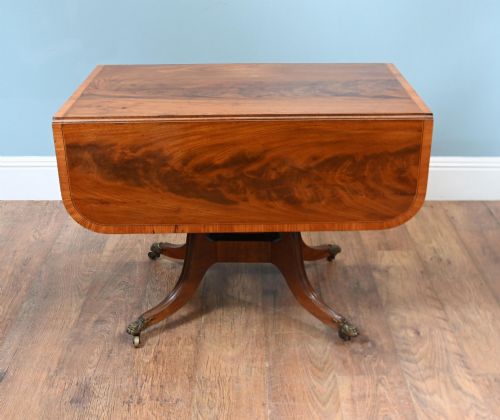
- Sofa table
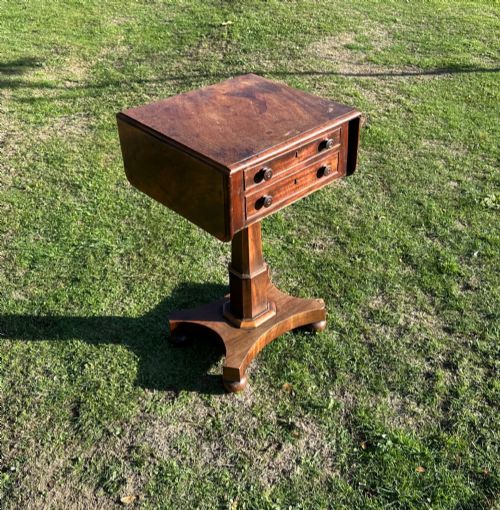
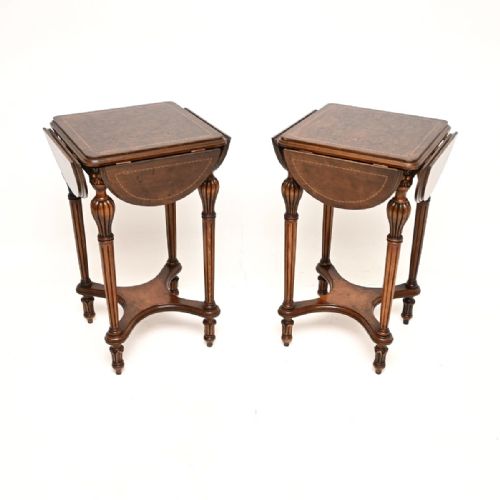
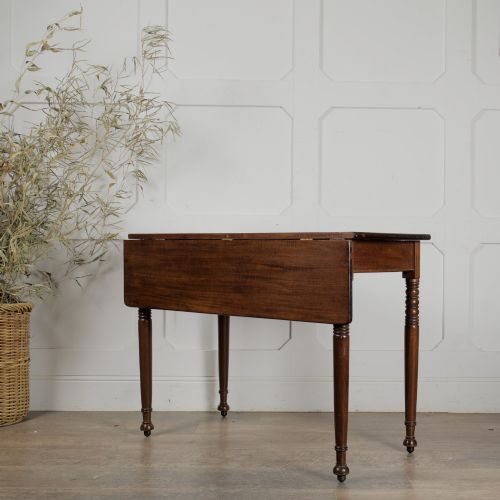
- A freestanding centre table featuring drop leaves on either side, originally designed to sit in front of a sofa. These pieces often include small drawers beneath the top.
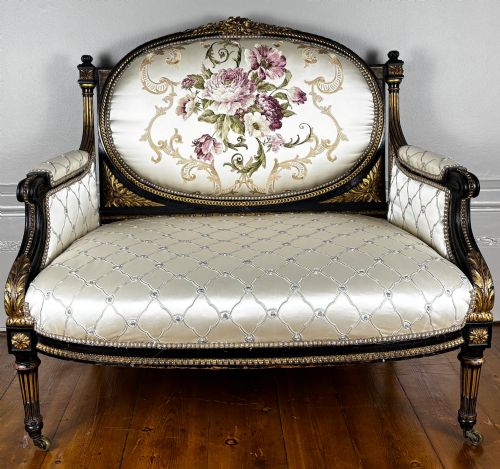
- Settee
- A long upholstered seat with a back and arms, designed for multiple occupants. Wooden framing remains visible around the structural borders.
- Daybed
- An elongated seating form intended for reclining, combining a timber frame with a mattress or upholstered surface. Examples appear across twentieth-century and earlier periods.
- Rosewood
- A heavy, dense tropical timber with pronounced dark grain patterns. Makers utilised this material extensively during the Regency and Victorian eras for fine library tables and seating frames.
- Caning
- A weaving technique utilised for seats and back panels using strips of rattan. Fine examples demonstrate tight, even patterns across the wooden frame.
Antique Wood Sofa: Frequently Asked Questions
How do I clean a wood frame?
Dust the timber regularly with a soft, dry cloth to prevent dirt accumulation on the polished surface. Avoid harsh chemical cleaners that strip historical finishes.
Apply a microcrystalline wax periodically to nourish the wood and protect the grain from moisture. Buff gently after application to maintain a subtle sheen.
Can I reupholster an antique settee?
Traditional upholstery methods preserve the historical integrity of older seating frameworks. Consult a specialist who understands period spring systems and horsehair stuffing.
Select fabrics that complement the era of the wood frame, such as brocade or damask. Ensure the work retains the original profile of the cushioning.
Where should I place a sofa table?
A sofa table functions effectively behind a freestanding sofa or as a slim console against a wall. The drop leaves allow the surface area to adjust according to available space.
Keep the timber away from direct sunlight and heat sources to prevent the wood from warping or splitting. Stable room temperatures preserve both veneer and solid construction.
What is the difference between a settee and a sofa?
Historically, a settee denotes a wooden-framed seat with upholstered cushions, often featuring exposed timber arms and back rails. Sofas generally lean toward fully upholstered construction.
Terminology often overlaps depending on the maker and the specific regional cataloguing of nineteenth-century furniture. Examine the extent of visible woodwork to determine the primary classification.