


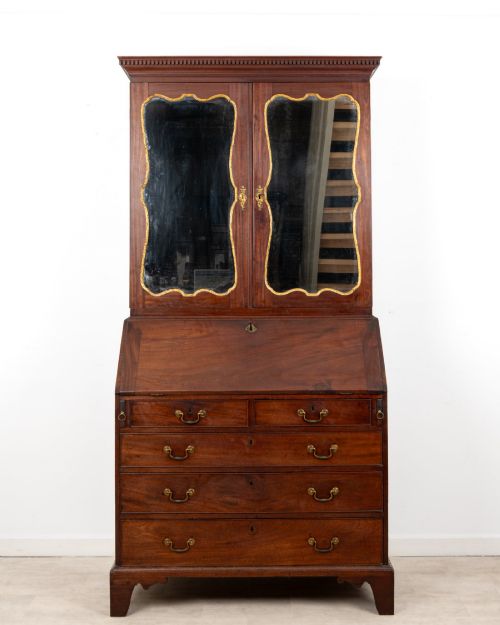
Antique Wood Slant Bureau
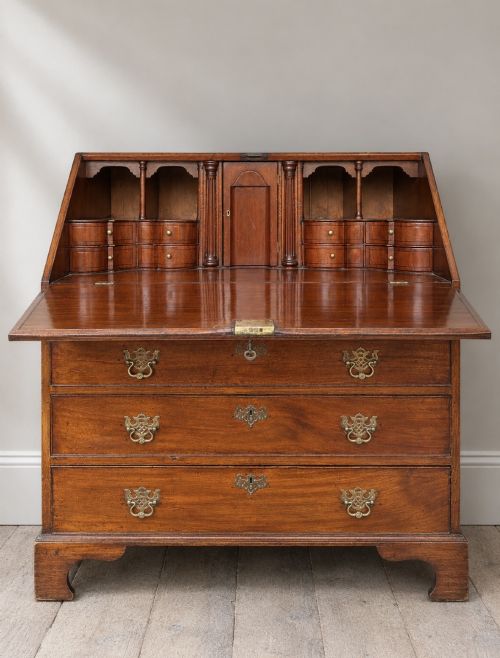
An antique wood slant bureau combines a practical writing cabinet with a sloping fall front, offering a fitted interior for correspondence.
Antique Wood Slant Bureau
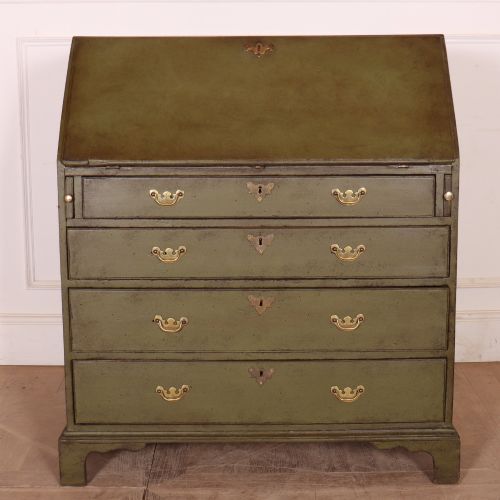
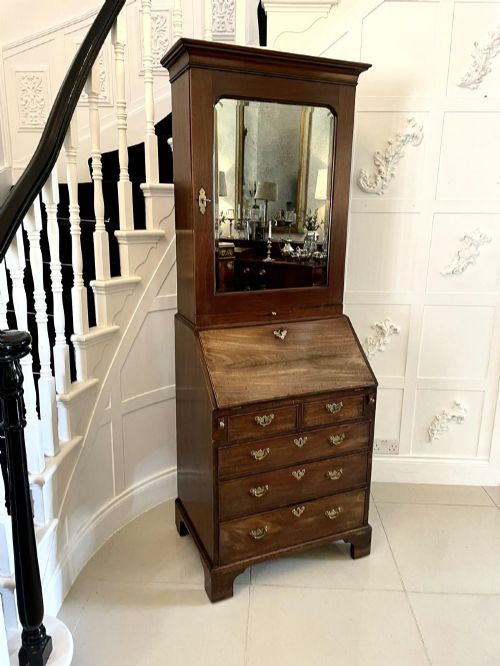
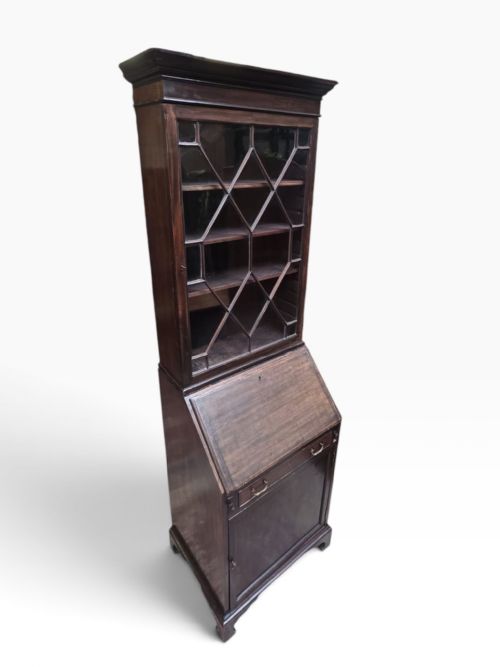
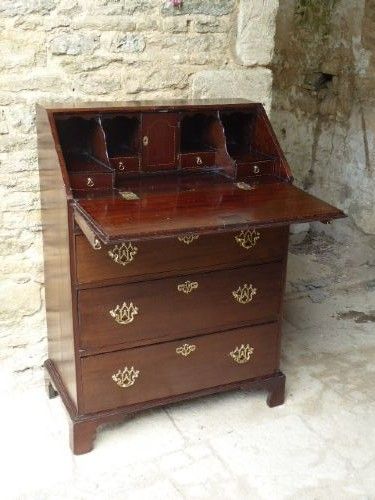
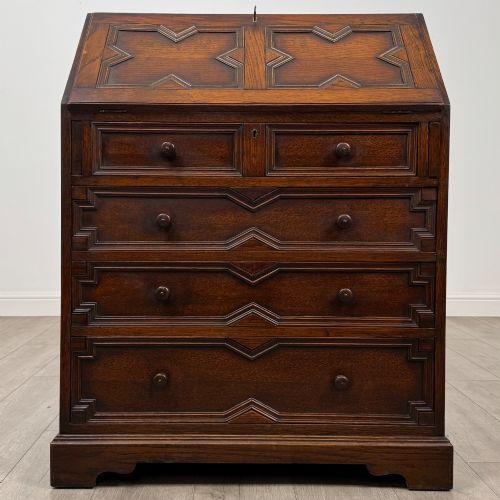
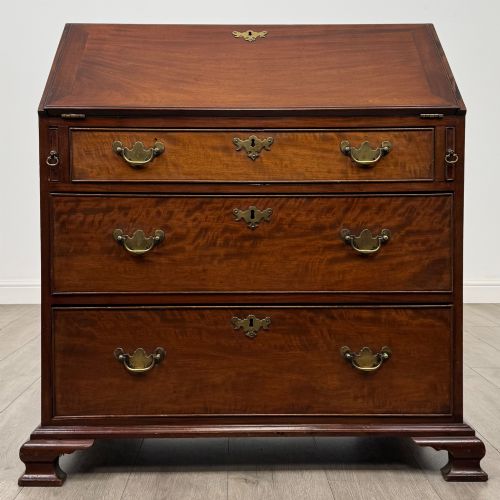
An antique wood slant bureau provides a dedicated writing surface that conceals pigeonholes and small drawers when closed by its hinged fall front. These writing cabinets appear frequently in Georgian and Edwardian designs, alongside larger bureau bookcases featuring glazed upper sections.
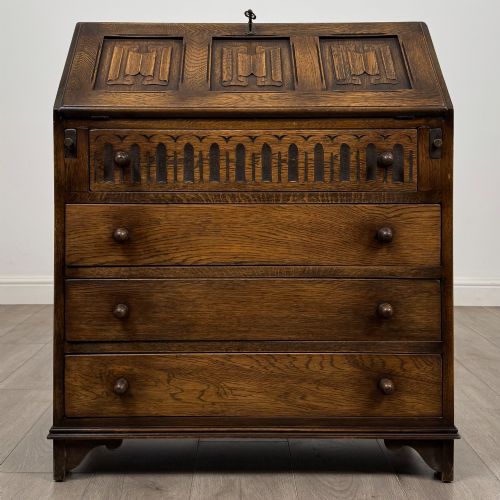
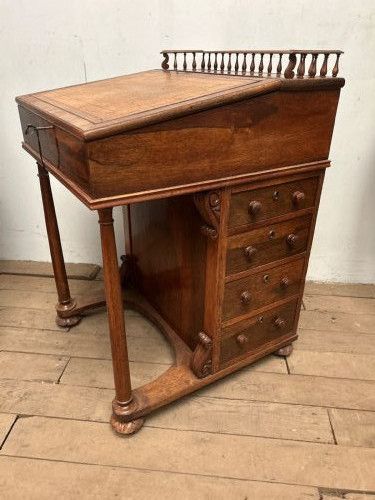
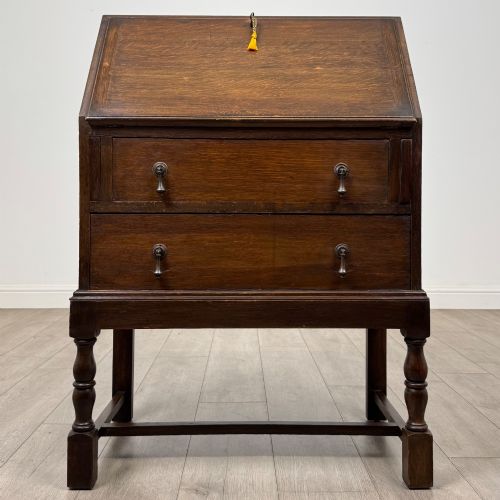
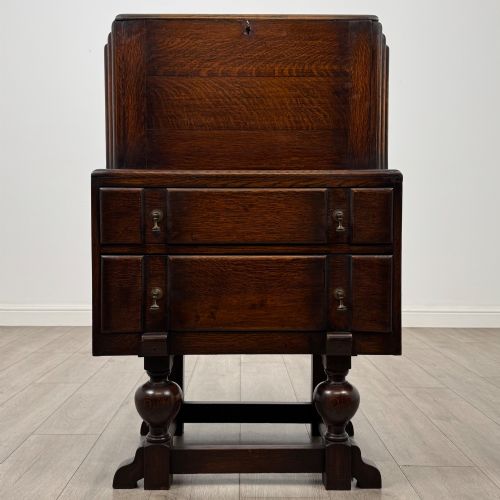
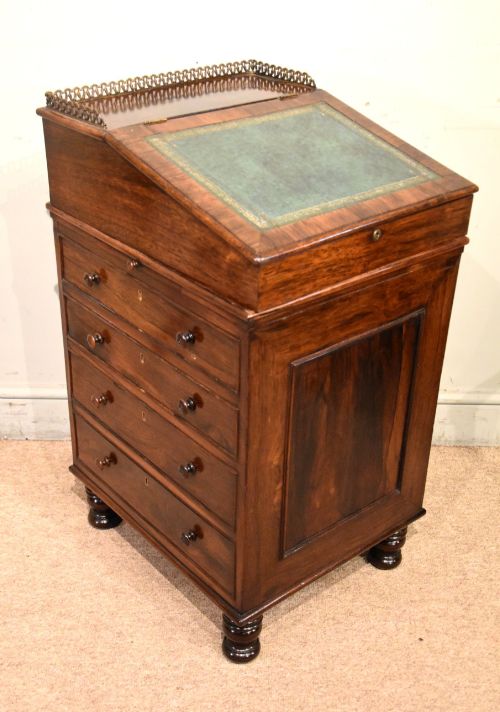
Makers utilised various forms ranging from compact fall front writing desks to elaborate bureau cabinets and davenports. Examples span several periods, including 18th century pieces in mahogany and walnut, alongside later Edwardian oak iterations.
Materials and construction
Cabinet makers built these pieces primarily using dense timbers such as mahogany, oak, walnut, and rosewood, frequently selecting figured veneers for the fall front and drawer faces. Brass hardware, including escutcheons and bracket feet mounts, provides functional contrast to the polished timber surfaces.
Joinery methods involved precise dovetailing for drawer construction and sturdy framing to support the weight of the descending writing flap. Specialised pieces incorporate marquetry inlay, glass panels in upper bookcase doors, and leather inserts on writing surfaces.
Some slant bureaux contain hidden sliding panels and secret drawers designed to outwit snooping family members.
Assessing quality in writing furniture
Quality rests upon the selection of timber figure, the precision of internal drawer pigeonholes, and the integrity of the fall front hinges. Superior examples display thoughtful matching of wood grain across the entire front elevation rather than random panel placement.
The sophistication of the internal fitments, such as secret compartments and sliding wells, distinguishes standard utilitarian desks from exceptional cabinet work. Original brass fittings and stable bracket or ogee feet further elevate a piece's standing.
The Antique Wood Slant Bureau Glossary
- Fall front
- The hinged sloping lid of a bureau that pulls down to form a writing surface. It conceals the internal drawers and pigeonholes when shut.
- Bureau bookcase
- A combination of a slant writing desk on the lower section and a shelved cabinet enclosed by doors above. These tall pieces often feature glazed upper panes for displaying books.
- Davenport desk
- A compact Victorian or Regency writing desk with a sloping top and drawers accessed from the side. They frequently incorporate brass mounts and rosewood or mahogany timbers.
- Marquetry
- Decorative patterns formed by inserting pieces of coloured wood and other materials into a veneered surface. Eighteenth-century examples often display intricate floral motifs.
- Bracket foot
- A simple architectural foot supporting cabinet furniture, shaped in a gentle curve or mitred at the corner. This form appears frequently on Georgian mahogany bureaux.
Antique Wood Slant Bureau: Frequently Asked Questions
How do I identify a Georgian bureau?
Georgian bureaux typically date from the eighteenth century and utilise solid mahogany, walnut, or oak with visible attention to timber grain and dovetail joinery.
They often stand on bracket feet and contain fitted interiors with pigeonholes surrounding a central small cupboard door.
What is the difference between a bureau and a davenport?
A bureau relies on a large sloping fall front that pulls down toward the user to create a desk surface, concealing internal pigeonholes.
A davenport is a smaller, compact desk originating in the Regency and Victorian periods with a top sloping writing surface and side-opening drawers.
Where were bureau bookcases placed?
Bureau bookcases served as principal writing and storage furniture in the main rooms of 18th-century and 19th-century homes.
The upper glazed sections held family libraries, while the lower slant desk provided a private space for managing correspondence and household accounts.