
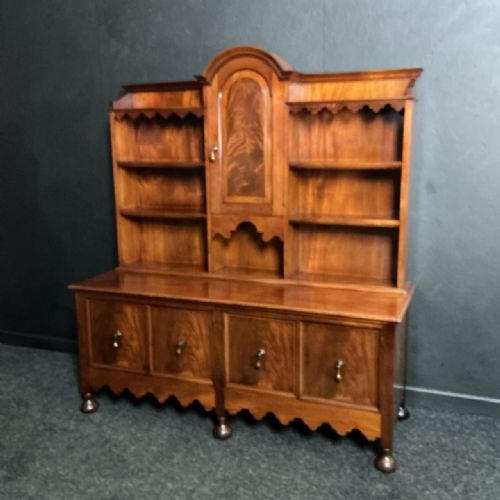
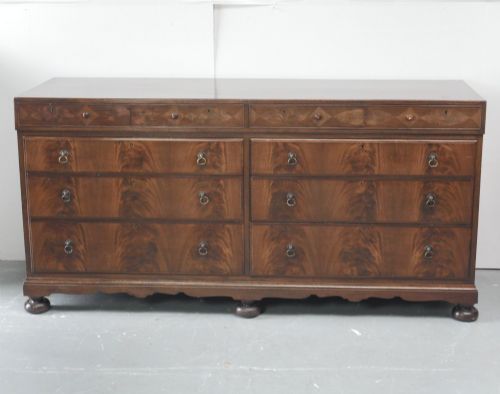
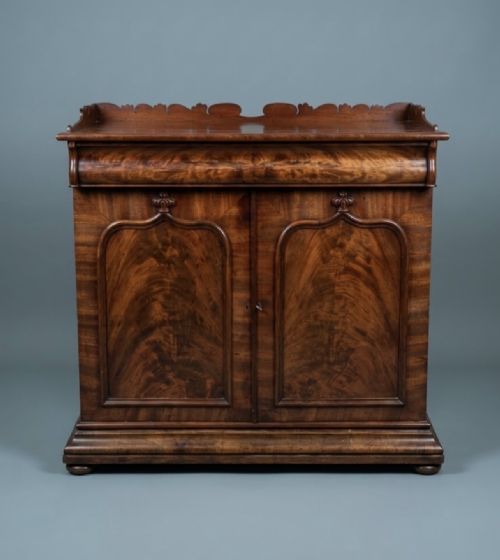
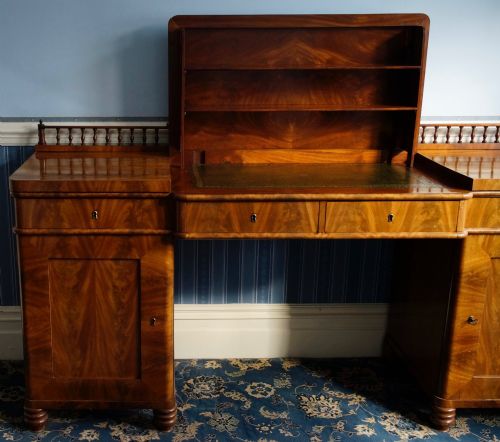
Antique Wood Sideboard
When you search for an antique wood sideboard, you are looking at substantial timber storage pieces designed to anchor a dining room or hall.
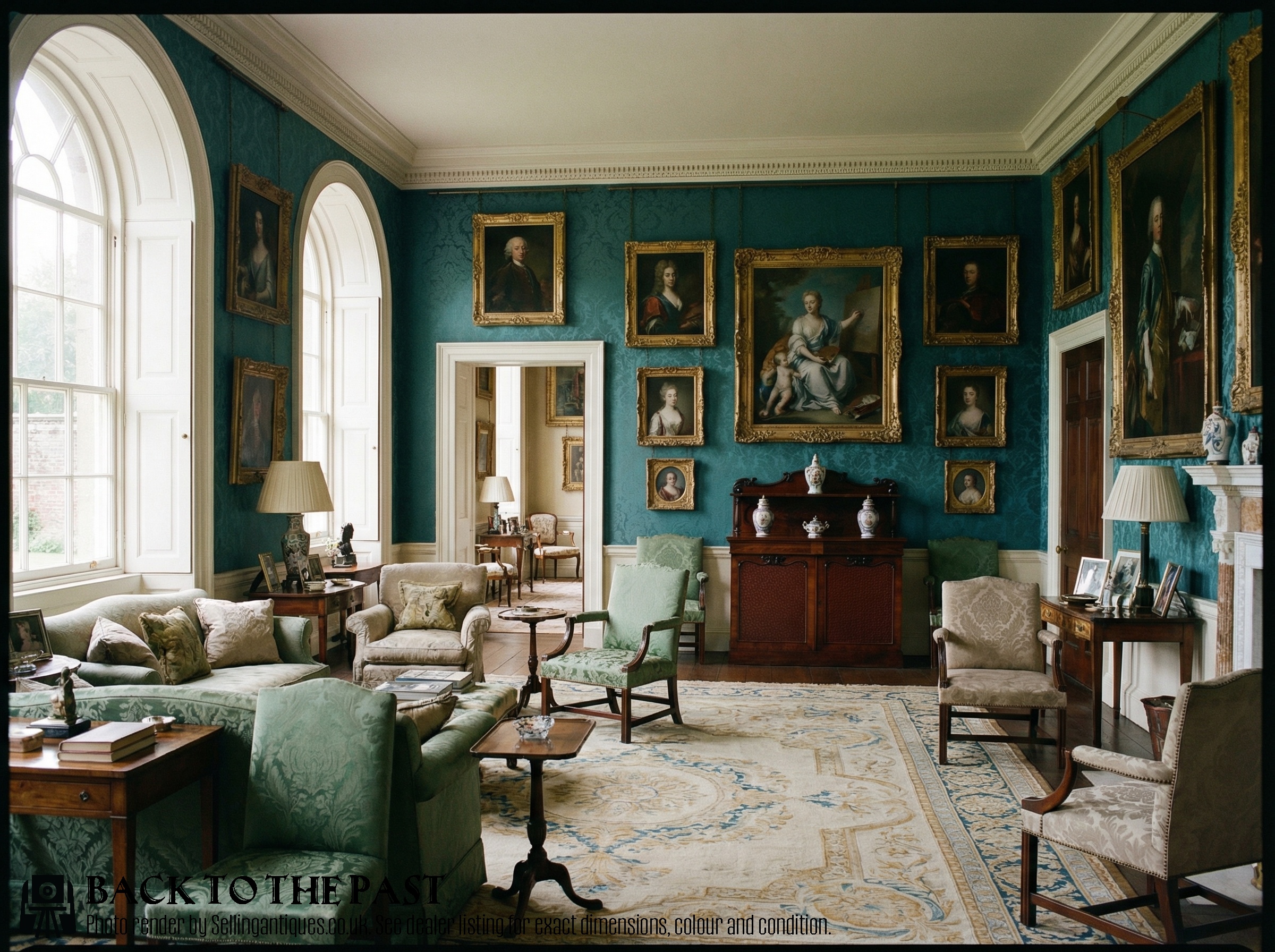
Antique Wood Sideboard
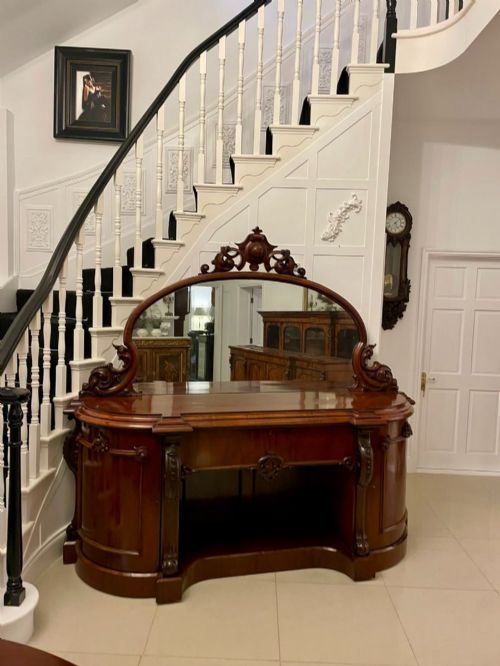
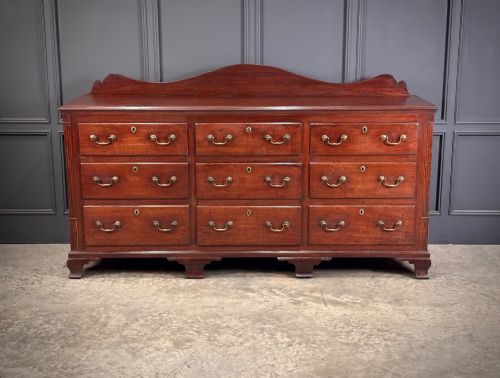
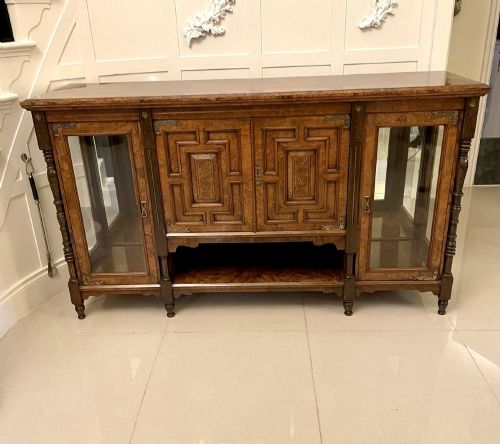
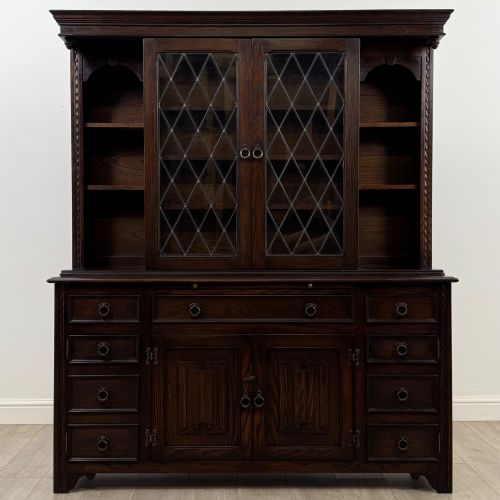
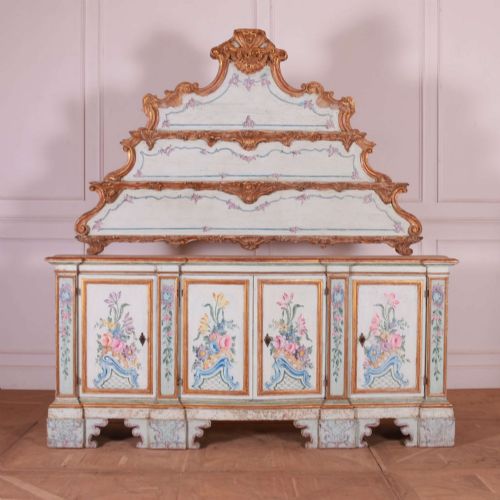
An antique wood sideboard encompasses a wide group of heavy storage furniture designed for dining rooms and grand halls, spanning forms like sideboards, chiffoniers, credenzas, and serving tables. When searching this phrase, buyers encounter examples stretching from the Georgian and Regency periods through the Victorian era and into Edwardian and later revival styles.
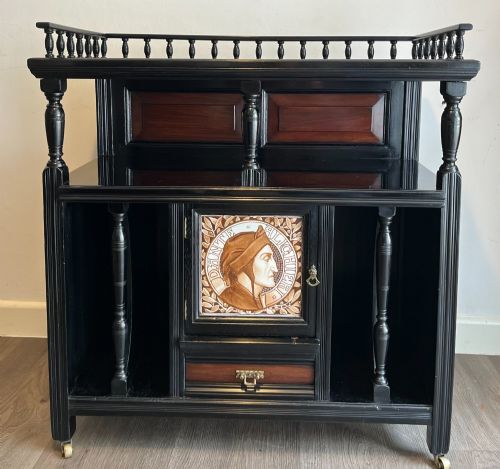
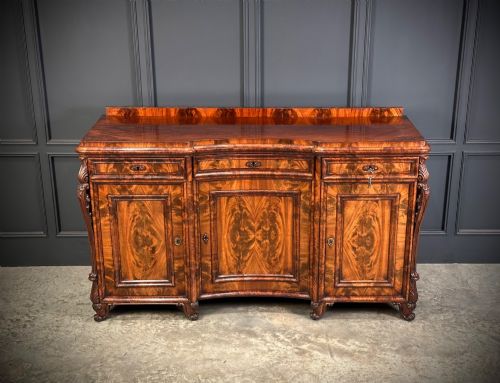
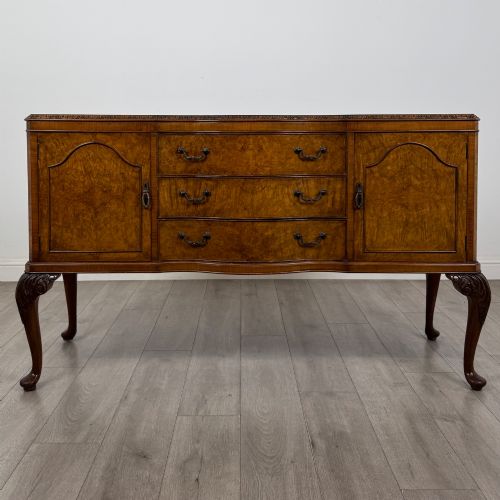
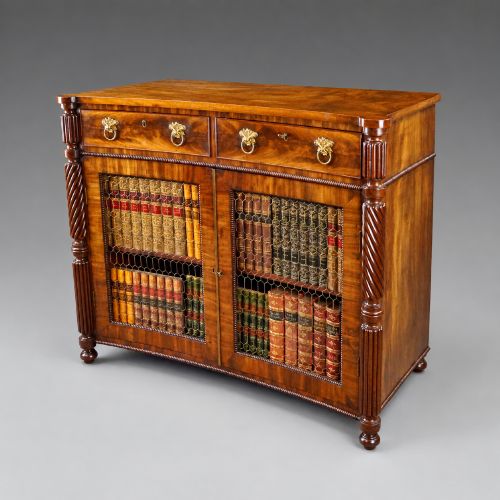
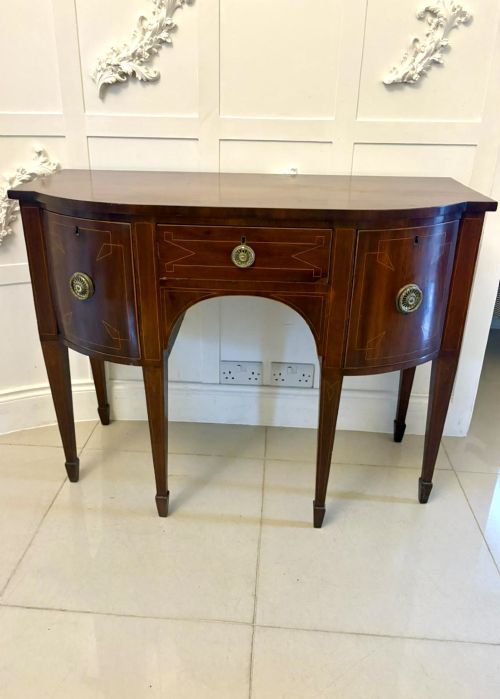
The materials record traditional cabinet timbers, most notably mahogany, oak, and rosewood, frequently enhanced with veneers such as flame mahogany or burr walnut. Pieces range from formal breakfront designs to smaller servers, bow-front cabinets, and mirrored chiffoniers fitted with brass or glass details.
How They Were Made
Cabinet makers constructed these large pieces using solid structural timbers like oak and mahogany, often applying decorative veneers such as flame mahogany, satinwood, amboyna, and kingwood to prominent surfaces. Crossbanding, boxwood inlay, and marquetry added linear contrast and pictorial detail to drawer fronts and doors.
Hardware and secondary materials included brass handles, lion paw feet, marble tops, ormolu mounts, and gilt brass grilles behind glass doors. Joinery methods relied on traditional cabinet-making techniques to house heavy drawers, panelled doors, and superstructure galleries or mirror backs.
Several pieces come equipped with secret drawers for hiding silver or perhaps overly ambitious dining statistics.
What Varies in Quality
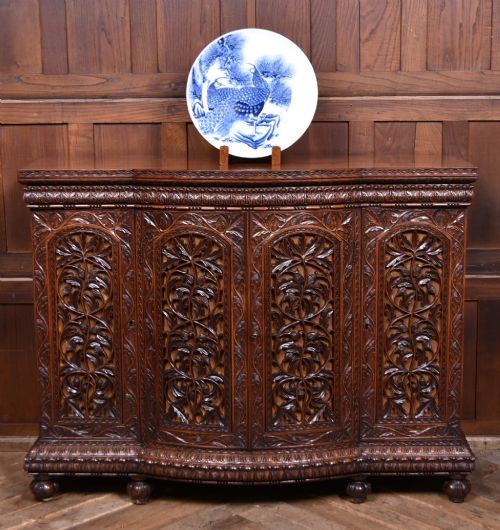
Quality rests in the selection of the timber figures, where matched flame mahogany, figured rosewood, or finely grained satinwood elevate the visual impact of the piece. The crispness of carved details, such as rope twists, foliate motifs, or lion paw feet, separates standard production from exhibition pieces.
Construction integrity defines the upper tier, seen in the smooth operation of deep drawers, the precision of marquetry inlay, and the retention of original brass hardware or marble surfaces. Maker attribution also plays a role, as documented workshops command attention for their superior joinery.
Whytock and Reid·Hewetsons London·Collinson and Lock·Gillows·Henry Woodyer
The Antique Wood Sideboard Glossary
- Chiffonier
- A compact sideboard or cabinet featuring enclosed lower cupboards, frequently surmounted by a shelf or a mirror back. These pieces were popular in nineteenth-century drawing rooms.
- Credenza
- A low dining or salon cabinet, often associated with continental or Victorian revival pieces. They frequently incorporate glazed doors or marble tops.
- Crossbanding
- A decorative border technique where thin strips of veneer are laid across the grain of the primary wood. This frames drawer fronts and table edges with contrasting timber.
- Breakfront
- A piece of furniture where the central section projects forward from the flanking cupboards. It creates architectural depth on large sideboards.
- Marquetry
- The art of forming decorative patterns using fitted pieces of wood veneer and other materials. It adorns cabinet doors and top surfaces with floral or geometric scenes.
Antique Wood Sideboard: Frequently Asked Questions
What is a sideboard used for?
Sideboards were built to store dining room silver, linen, and china while providing a surface to serve food and display decorative objects.
In modern homes, they function well as credenzas, media consoles, or hallway storage cabinets.
How do I date a sideboard?
Dating relies on architectural style, timber choice, and construction methods characteristic of periods like Georgian, Regency, Victorian, or Edwardian.
Details such as brass hardware, carved motifs, and specific veneer types help narrow down the decade of manufacture.
What is the difference between a sideboard and a chiffonier?
A sideboard is typically a long, heavy piece designed for dining rooms with deep cupboards and drawers for tableware.
A chiffonier is a smaller nineteenth-century variation, often featuring a mirror or shelf superstructure, suited for sitting rooms.
Are marble top sideboards original?
Many nineteenth-century credenzas and sideboards were manufactured with heavy marble tops, particularly those influenced by French designs or Regency tastes.
These stone surfaces provided durable serving areas and added considerable weight to the cabinet structure.