
Antique Wood Seat
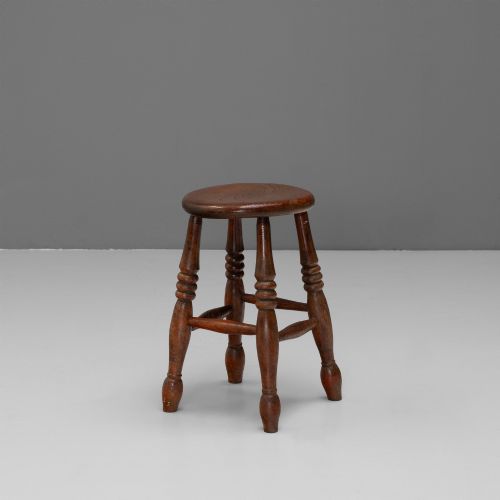
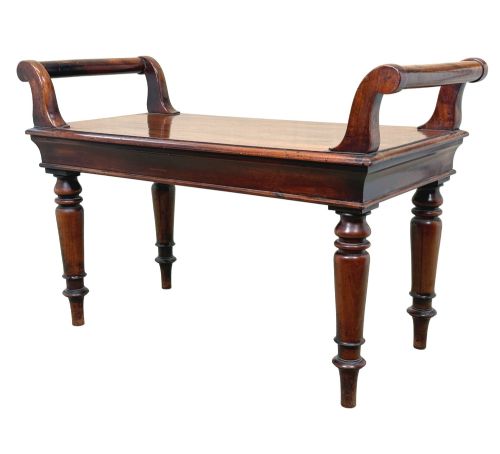
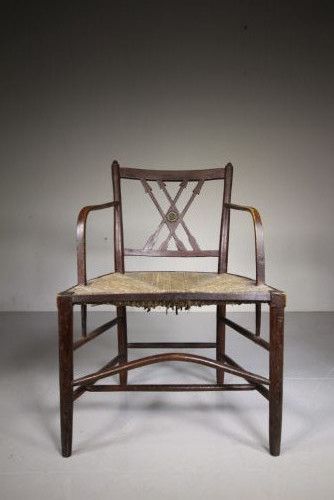
When searching for antique wood seat options, you encounter everything from rustic elm Windsor chairs to refined mahogany window benches.
Antique Wood Seat
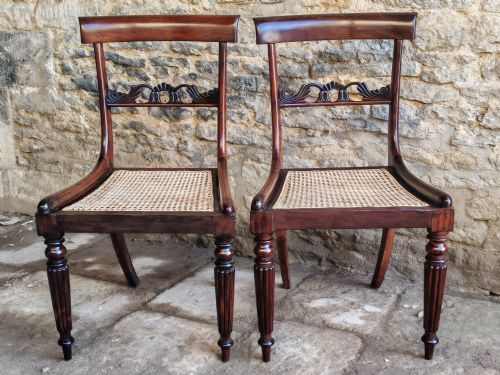
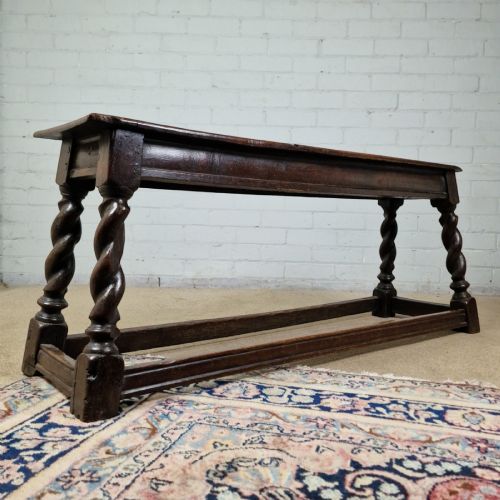
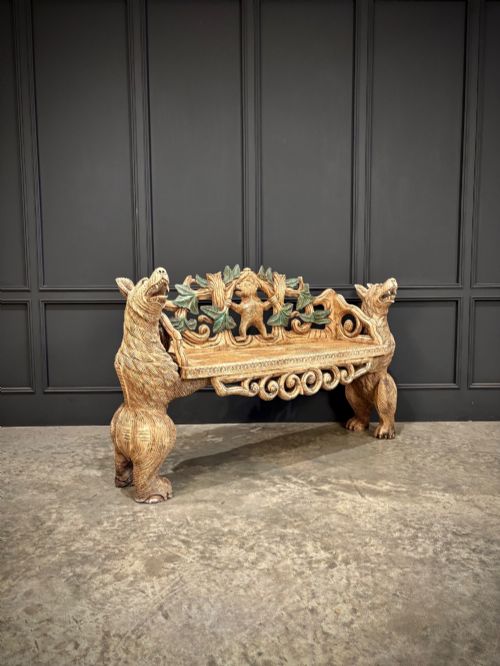
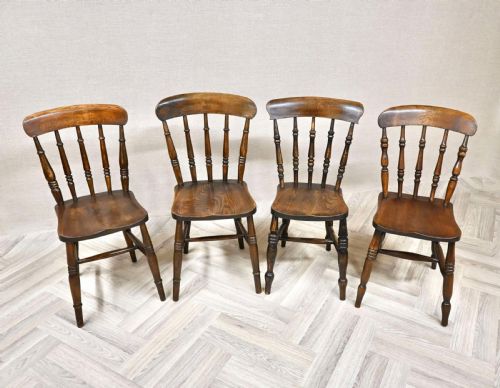
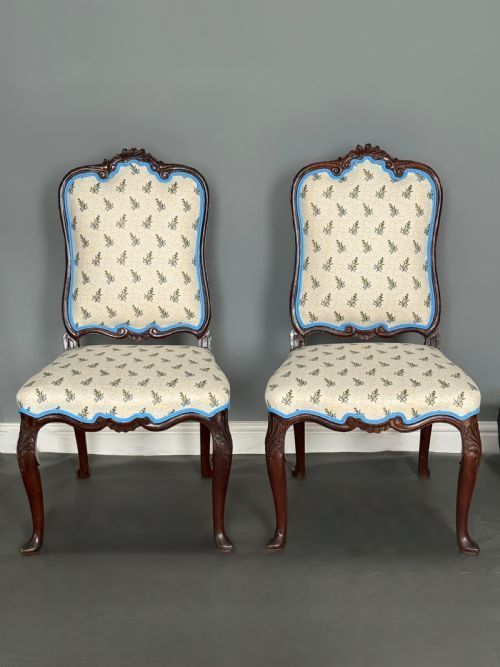
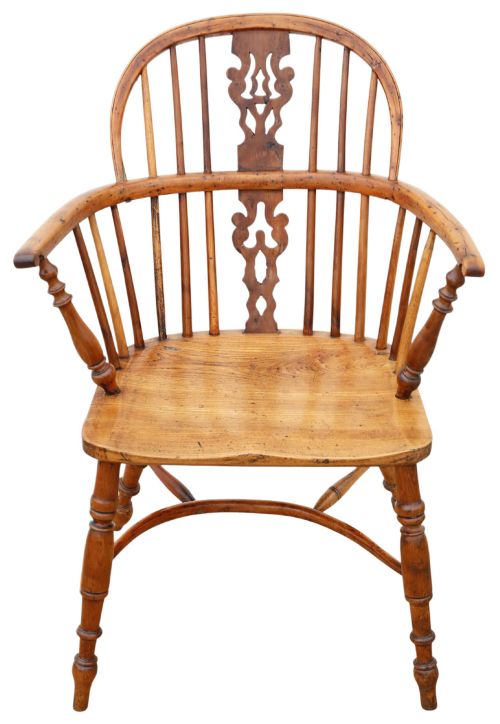
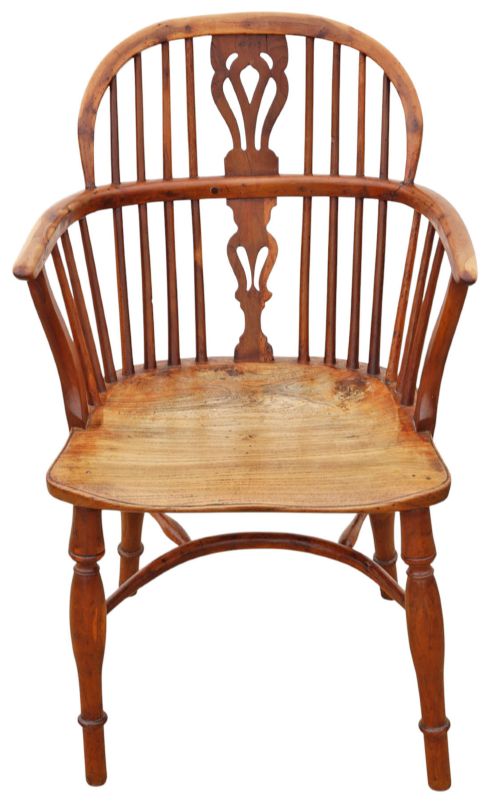
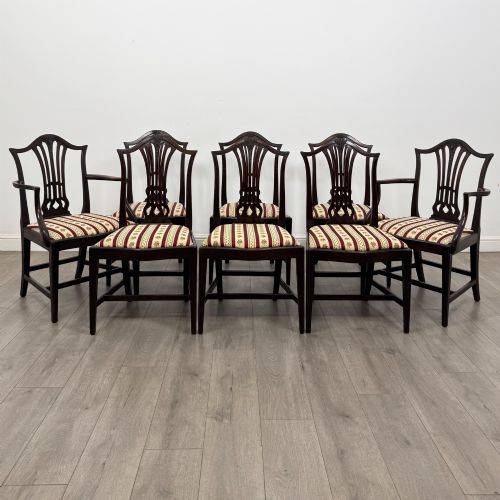
On this page, domestic seating dominates the selection, featuring robust Windsor armchairs, matched sets of dining chairs, and long stools. Regional variations appear frequently, including Thames Valley Oxford chairs and Black Forest carved wooden benches.
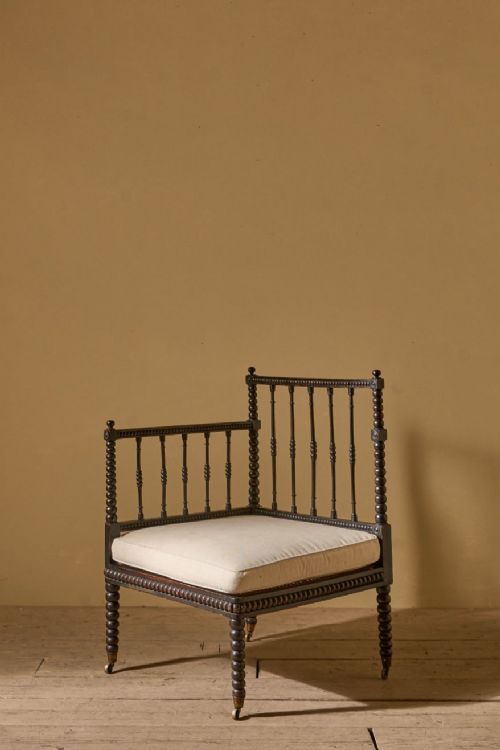
Domestic interiors from the eighteenth and nineteenth centuries relied heavily on these wooden seats for everyday utility in kitchens, halls, and parlours. Collectors find both single statement items, such as corner chairs and prie-dieu seats, and larger assembled sets.
How they were made
Cabinetmakers and rural bodgers utilised native hardwoods like oak, elm, ash, and beech, often combining multiple timbers within a single frame for structural integrity. Elm provided tough, splitting-resistant material for saddle seats, while beech and ash formed flexible spindles and bent legs.
Construction techniques combined traditional joinery such as mortise and tenon joints with steam bending for curved chair backs and armbows. Surface treatments included original paint finishes, ebonising, and polished mahogany veneers over secondary softwoods.
A Black Forest carved wooden bear bench stands ready to offer an unusually fierce spot to sit.
What varies in quality
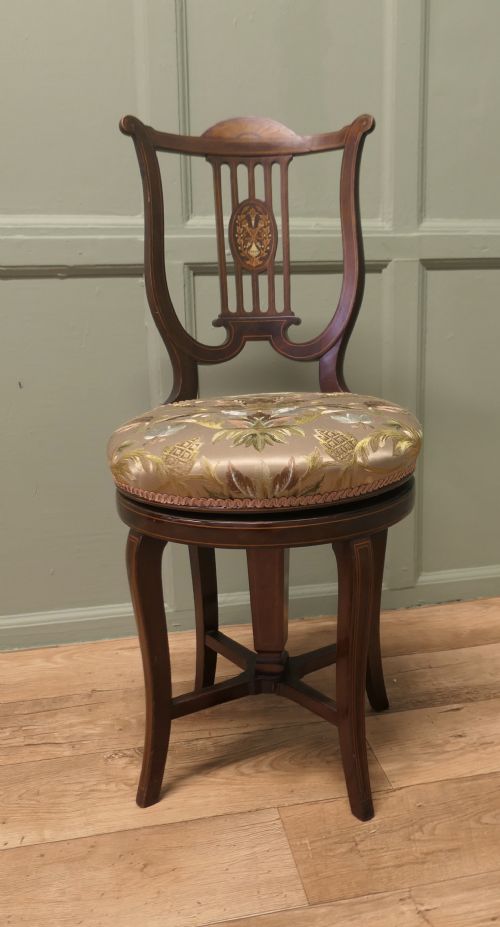
The distinction between ordinary utility items and exceptional pieces rests upon the precision of the carving, the selection of figured timbers, and the retention of original surface finishes. Master craftsmen employed superior timber matching and intricate turning, visible in delicate lyre backs and carved details.
Structural originality dictates long-term integrity, separating pieces with undisturbed historical surfaces from those with extensive timber replacements. Well-preserved patination and intact structural pegs elevate pieces produced by prominent workshops above standard regional output.
Jennens & Bettridge·Gillows
The Antique Wood Seat Glossary
- Windsor chair
- A wooden chair characterised by a solid sculpted seat into which the legs and back spindles are wedged directly. Regional variations include hoop backs and comb backs utilising ash and elm.
- Window seat
- An elongated bench or small settee specifically proportioned to fit within the architectural recess of a bay window. These often feature scrolled arms and upholstered pads.
- Carver
- An armchair designed to match a set of smaller side chairs, typically placed at the head of a dining table. They frequently incorporate broader armrests and more elaborate back splats.
- Saddle seat
- A wooden chair seat hollowed out into a concave shape resembling a riding saddle for ergonomic comfort. This method is common in vernacular country seating.
- Ebonisation
- The process of treating lighter timbers such as beech or fruitwood with chemical stains or dark finishes to imitate costly ebony. This technique gained popularity during the Victorian period.
Antique Wood Seat: Frequently Asked Questions
What is a Windsor chair?
A Windsor chair is a distinct seating form built around a thick wooden saddle seat into which separate legs and back spindles are driven. These chairs rely on joined wooden components rather than an upholstered frame.
Craftsmen often combined woods, utilising bendable ash for the bow and durable elm for the seat slab. This construction method provided remarkable strength for everyday domestic use.
How do I identify a window seat?
Window seats are long, narrow wooden benches designed historically to sit within deep window recesses. They frequently feature decorative ends or scrolled arms rather than high backs.
These pieces were utilised in formal rooms to provide extra seating without obstructing natural light. Many surviving examples date from the Georgian and Victorian eras.
Where were elm chairs made?
Elm seating was produced across various rural English regions, particularly the Thames Valley and West Country. Local bodgers utilised native timber to supply regional markets with sturdy domestic chairs.
The tough, interlocking grain of elm made it ideal for solid seats that resisted splitting under heavy use. Workshops in these areas developed distinct regional styles like the Oxford chair.
How should I care for antique wood seats?
Antique wooden seating requires stable indoor humidity and protection from direct sunlight to prevent timber shrinkage and cracking. Regular dusting with a dry cloth maintains the historic surface.
Avoid applying modern silicone polishes, as traditional wax finishes preserve the natural patina. Periodic treatment with appropriate wax feeds the dry wood without harming the original finish.