




Antique Wood Pilasters
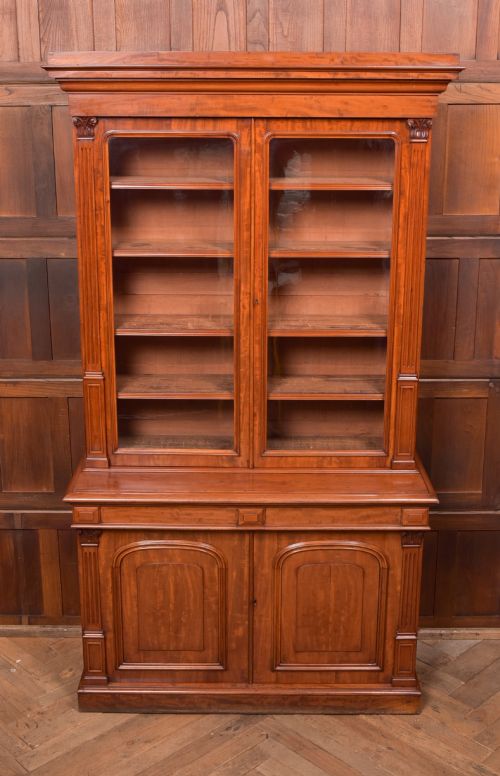
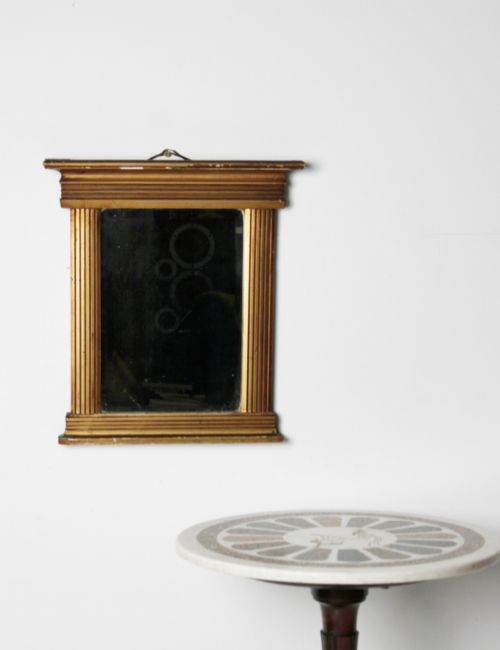
Antique wood pilasters bring structural dignity and classical proportion to an interior, functioning as architectural fragments or decorative wall ornaments.
Antique Wood Pilasters
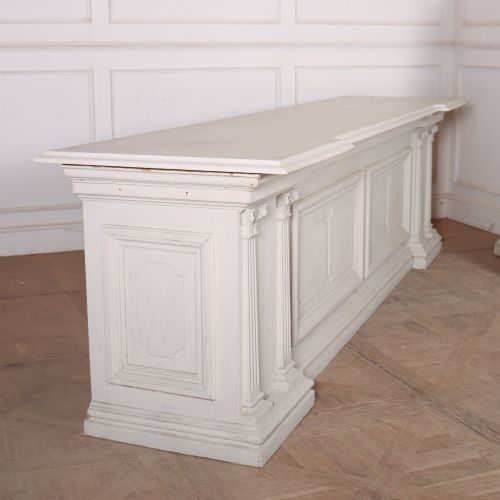
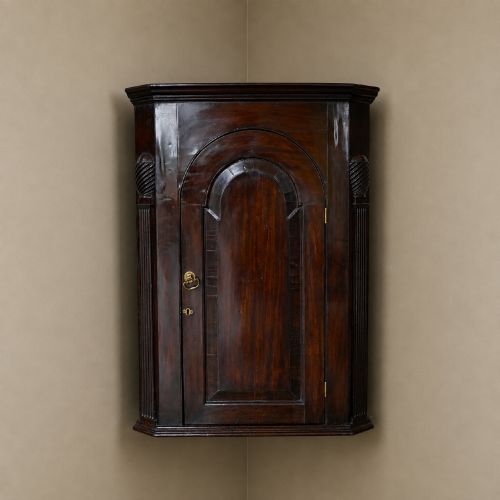
When you search for antique wood pilasters, you are examining architectural elements and carvings taken from larger decorative schemes or furniture fronts. The items on this page encompass various periods including the seventeenth century, Georgian, Regency, and Victorian eras, alongside architectural salvage and carved timber forms.
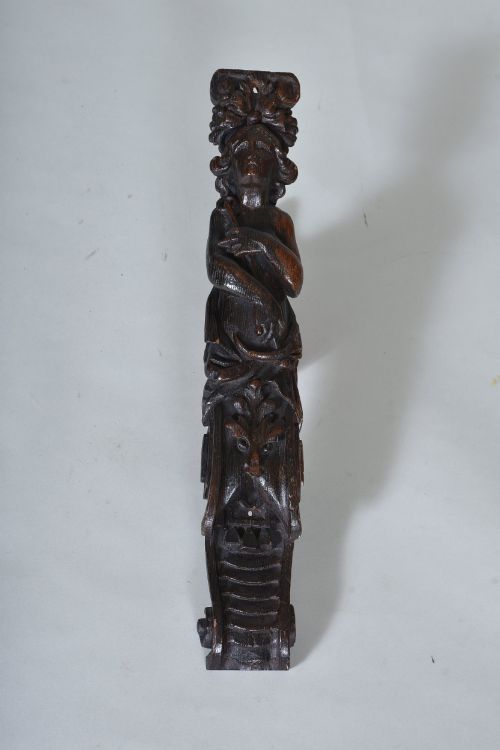
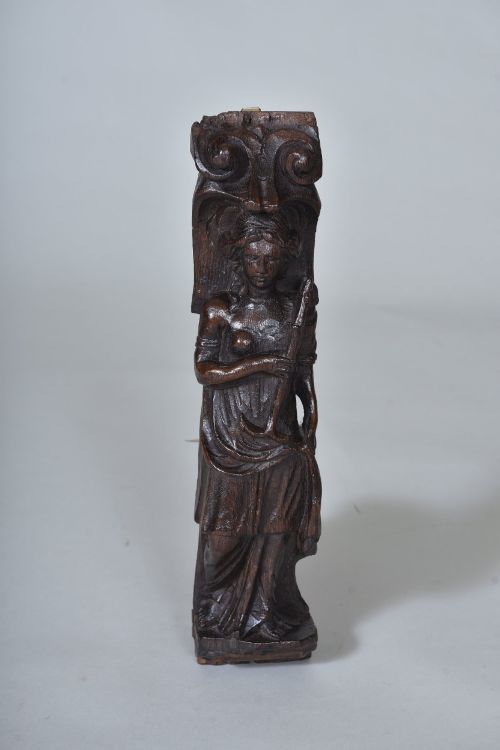
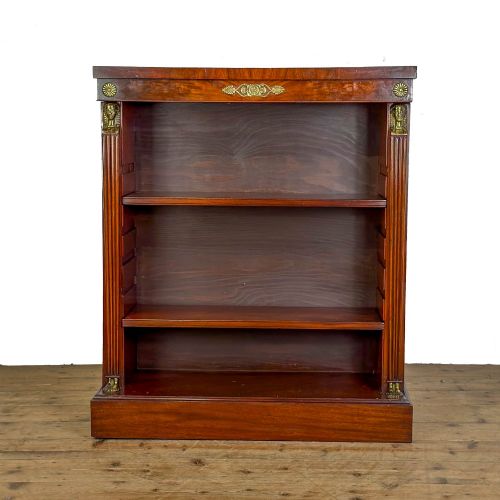
The selection ranges from early oak carvings and caryatids to later mahogany and walnut library fixtures or columns. Buyers meet these pieces primarily as standalone decorative carvings or structural components integrated into bookcases, cabinets, and overmantels.
Originating largely from British and continental interior schemes, these elements reflect shifts from early seventeenth-century joinery to neoclassical revival forms in the nineteenth century. Each piece demonstrates how builders and cabinetmakers applied classical orders to domestic settings.
Materials and construction
Carpenters and carvers shaped these pieces predominantly from dense hardwoods such as oak, mahogany, walnut, and chestnut, utilising local timbers alongside imported varieties. Timber selection dictated the depth of relief achievable in the carving process, with close-grained woods holding crisp architectural details.
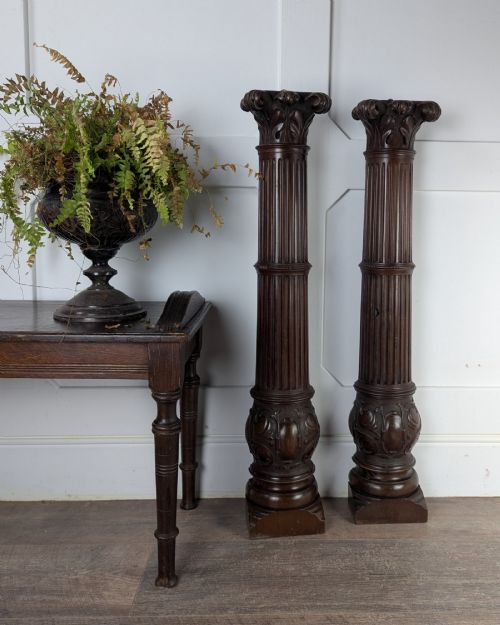
Makers employed hand-chiselling and turning techniques to create fluted, reeded, or figural columns and capitals. Surface treatments varied from natural wax finishes on early oak to giltwood, painted surfaces, and polished mahogany on later Regency and Victorian examples.
Some seventeenth-century examples depict intricate caryatids and figural termes carved after Renaissance designs by Hugues Sambin.
Evaluating craftsmanship
The distinction between ordinary and exceptional pieces lies in the crispness of the hand-carved detail and the depth of the timber's grain. Superior examples display confident, deep relief work on capitals and flutes without the softening often found in mass-produced later copies.
Integrity of the timber and the preservation of original surfaces dictate desirability among collectors. Pieces retaining their early patina, original gilding, or untouched painted finishes stand apart from those stripped or heavily restored in subsequent centuries.
S. Mordan & Co
The Antique Wood Pilasters Glossary
- Pilaster
- A rectangular column that projects flatly from a wall or furniture surface, incorporating a base, shaft, and capital in imitation of a classical order.
- Capital
- The uppermost member of a column or pilaster, often carved with acanthus leaves, volutes, or classical motifs.
- Caryatid
- A sculpted female figure serving as an architectural support taking the place of a column or pilaster.
- Reeded
- Decorated with parallel convex mouldings resembling bundled reeds, commonly seen running vertically up the shaft of a column.
- Giltwood
- Timber that has been coated with gold leaf or gold paint to simulate solid gold enrichment.
Antique Wood Pilasters: Frequently Asked Questions
What are antique wood pilasters?
These pieces are decorative or structural half-columns and flat vertical supports carved from timber for use in classical architecture and fine cabinetry. They originate from various periods spanning the seventeenth century through to the Victorian era.
Craftsmen designed them to add rhythm and classical proportion to wall panelling, bookcases, and mantelpieces. Today, collectors acquire them as standalone wall ornaments or sculptural fragments.
How were wood pilasters used?
Historic joiners applied pilasters to frame doorways, fireplaces, and large library bookcases, lending a sense of monumental order to domestic interiors. They served both a structural purpose in supporting cornices and a purely decorative role in breaking up large expanses of timber.
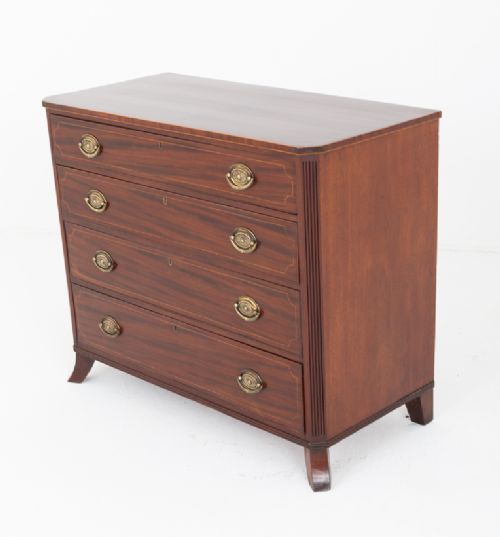
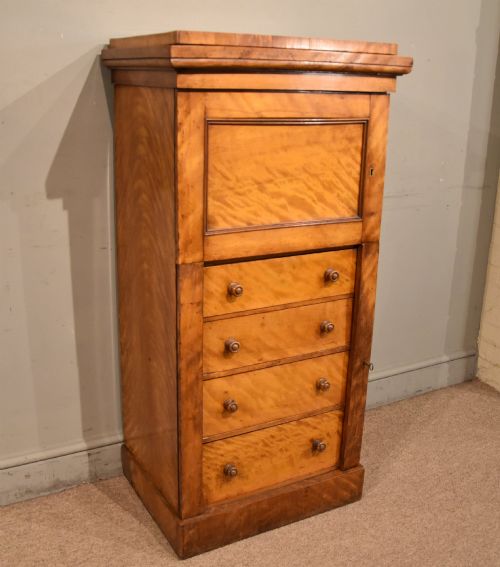
In later periods, cabinetmakers incorporated smaller versions into breakfront furniture and Wellington chests to emulate grand architectural facades. Their presence elevated standard furniture into high-status statement pieces.
How do I date an old pilaster?
Dating relies on identifying the timber species, the tool marks left by the carver, and the prevailing architectural style of the period. Early seventeenth-century examples typically feature dark oak with robust, hand-split joinery and deep, rustic relief carving.
Nineteenth-century pieces often display cleaner machine assistance alongside exotic woods like mahogany and walnut. Comparing the decorative motifs, such as Regency reeding or Victorian proportions, provides further chronological context.
How should I live with them?
Displaying these pieces involves mounting them securely to walls or placing them on dedicated stands to appreciate their sculptural qualities. They fit well into both traditional and contemporary interiors as focal points of historical craftsmanship.
Maintenance requires stable indoor humidity away from direct heat sources to prevent timber movement. Gentle dusting with a dry cloth preserves the historic wax or polished patina.