

Antique Wood Looking Glass
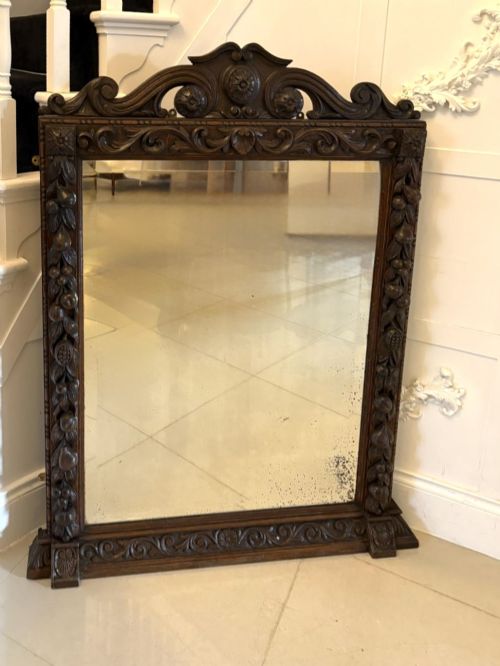
An antique wood looking glass brings depth to a room through carved walnut, oak, and giltwood shaped across centuries.
Antique Wood Looking Glass
An antique wood looking glass is a wall-hanging or overmantle reflector framed in timber or gilded composition, serving both a practical and decorative purpose in domestic interiors. When you search for this phrase, you encounter wall mirrors spanning from the seventeenth century through to the Edwardian period and the early twentieth century.
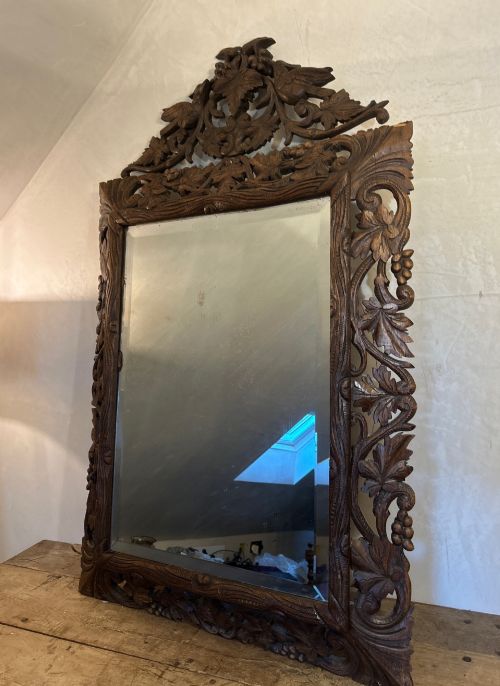
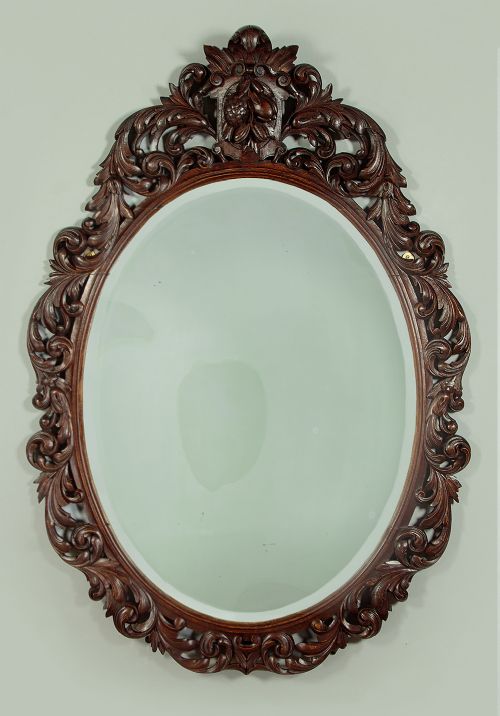
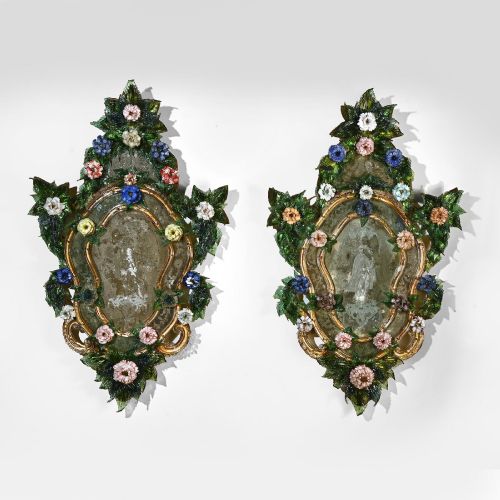
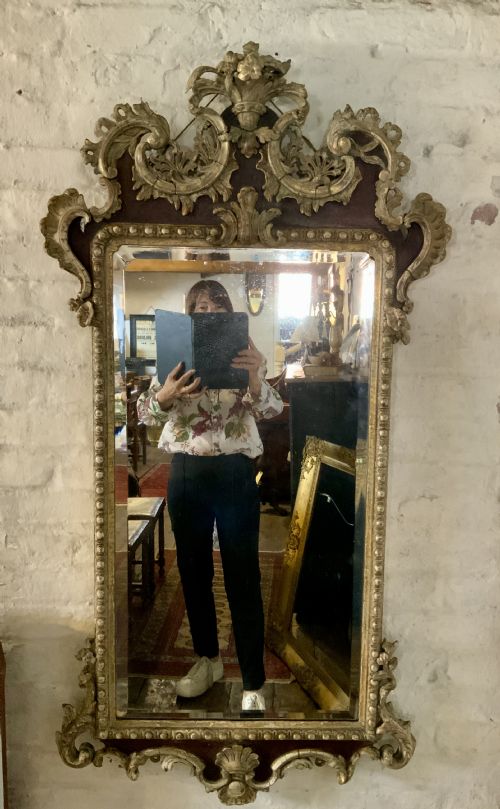
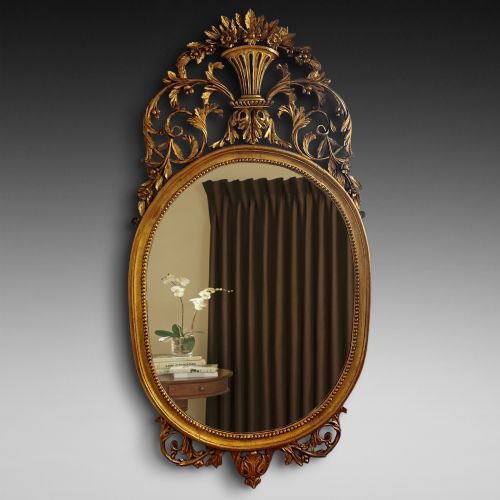
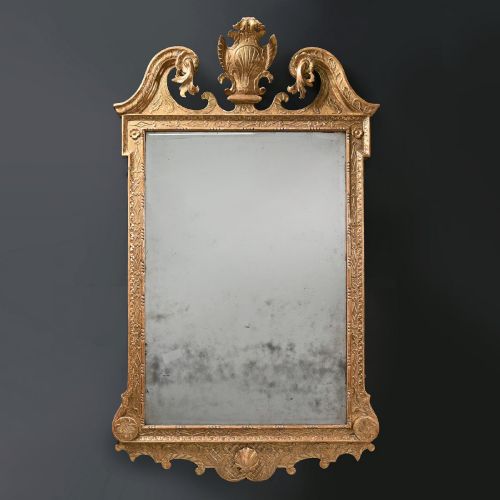
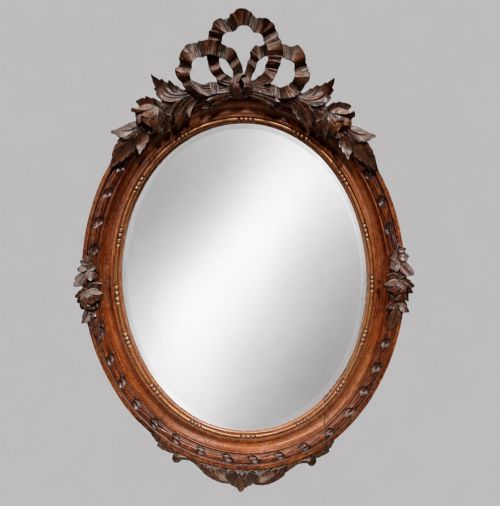
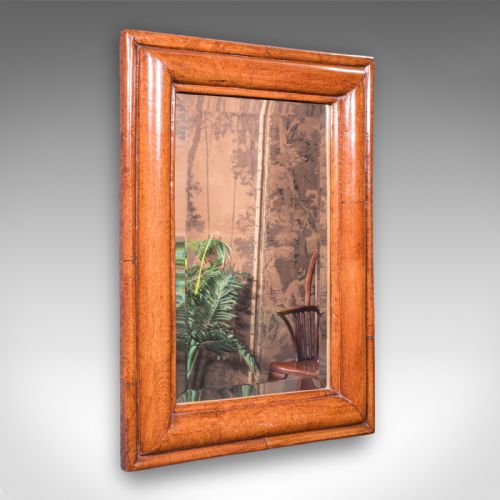
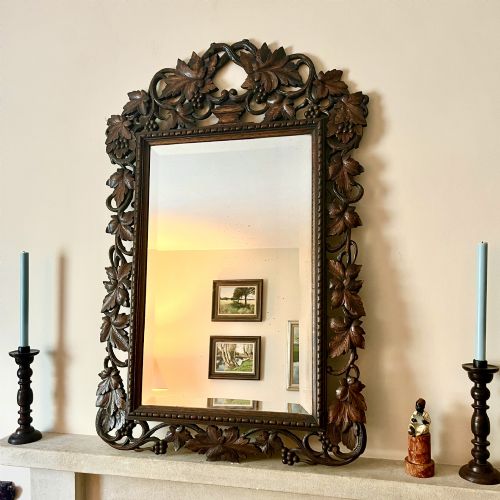
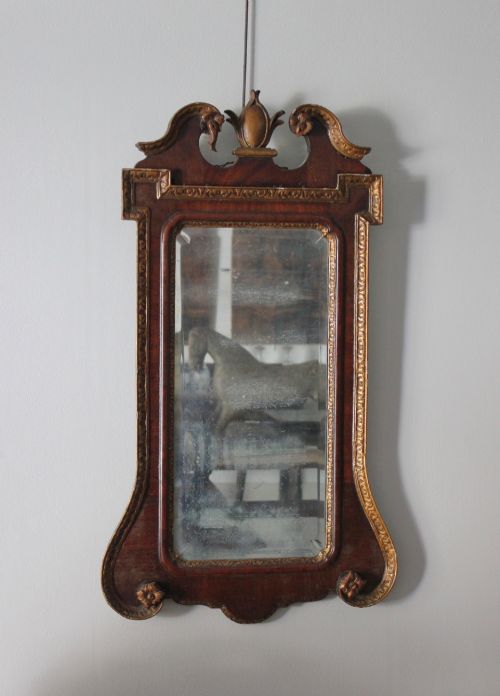
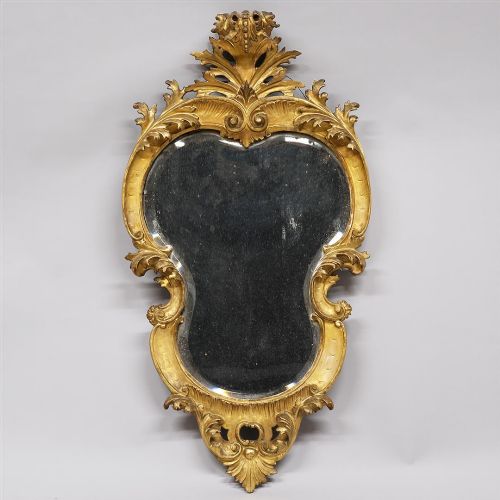
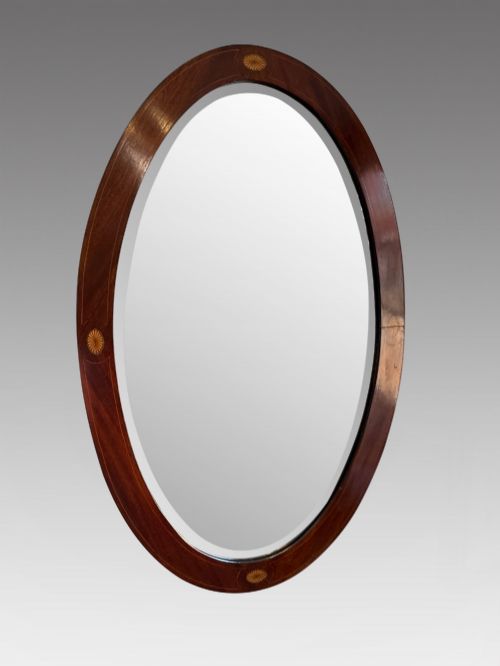
The pieces on this page are most commonly found in oak, mahogany, walnut, and giltwood formats. Forms range from neat Georgian fretwork frames and oval wall mirrors to large Victorian overmantles and French rococo designs.
Origins vary across English, French, Italian, and Swedish workshops, reflecting local cabinet-making traditions and stylistic preferences of periods such as the Georgian, Victorian, and Edwardian eras.
How they were made
Frames are constructed from solid timbers like oak, mahogany, and walnut, frequently joined with traditional corner mitres and housing hand-bevelled or silvered mirror plates. Carved detail is executed directly into the wood or built up using gesso over a timber base before receiving layers of gold leaf or paint.
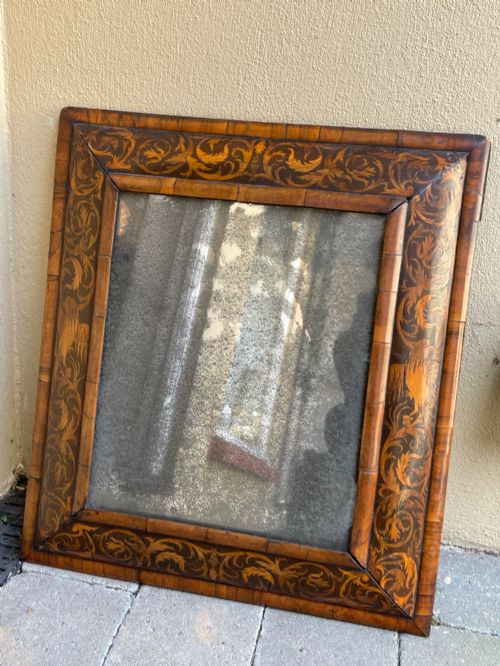
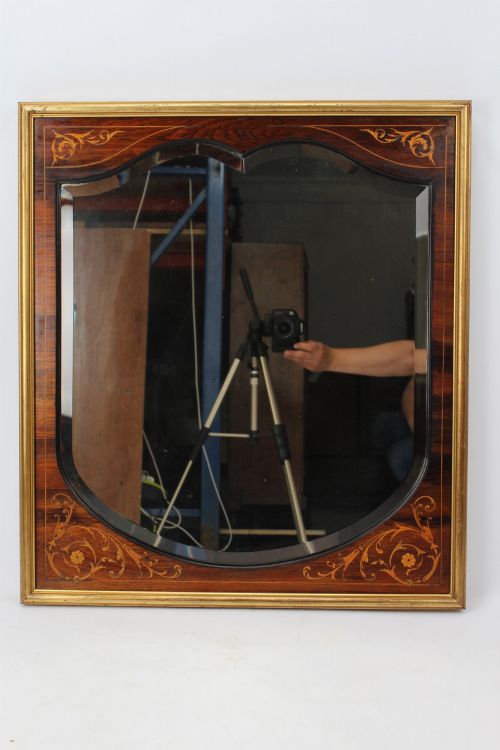
Giltwood and parcel-gilt examples rely on skilful application of gold leaf to prepared gesso grounds, creating reflective metallic surfaces that contrast with exposed grain beneath. Marquetry and veneer techniques also appear on cushion frames and flat surrounds, utilising contrasting grain patterns for visual depth.
Some Black Forest mirrors still watch you back through fiercely carved wooden animal eyes.
What varies in quality
The distinction between standard and exceptional pieces lies in the crispness and depth of the hand-carved ornamentation. Finer examples display undercut foliage, scrolls, and mouldings that retain sharp definition rather than soft, rounded contours.
Originality of the mirror plate and the backing boards elevates a piece, as old glass often exhibits subtle distortion, foxing, and wavy inconsistencies unique to early manufacturing methods. The integration of parcel-gilt accents, original gilding, and intact fretwork ears determines the overall integrity of the survivor.
Benjamin Goodison·William Kent
The Antique Wood Looking Glass Glossary
- Giltwood
- Timber that has been coated with gold leaf over a prepared gesso layer. This finish provides a bright, reflective surface popular in formal reception rooms.
- Gesso
- A plaster mixture applied to wood frames to create a smooth base for gilding and intricate relief moulding. It allows carvers to achieve fine detail before applying gold leaf.
- Pier mirror
- A tall, narrow glass designed to hang on the wall space between windows. These pieces often feature matching console tables placed underneath.
- Fretwork
- Thin wood panels cut with intricate pierced patterns using a fretsaw. This technique characterises many eighteenth-century wall mirrors.
- Parcel gilt
- A decorative finish where only specific portions of a wooden object are gilded, leaving the natural grain of the walnut or mahogany visible elsewhere.
Antique Wood Looking Glass: Frequently Asked Questions
Where should I hang a looking glass?
These mirrors suit placement above a fireplace mantelpiece, in a hallway to bounce natural light, or opposite a window to visually expand the room.
Ensure the wall fixings are rated to support the weight of heavy timber and gesso frames securely.
How do I date an antique mirror?
Dating relies on examining the timber species, construction joints at the corners, and the characteristics of the glass plate itself.
Hand-bevelled edges, older backboards, and tool marks on the frame all provide clues to the period of manufacture.
Is original glass important?
Original mirror plates retain historic character, often showing light oxidation, foxing, and slight surface waviness that modern replacements lack.
Many collectors prefer original glass for authenticity, even when minor blemishes are present across the surface.
How do I care for giltwood?
Giltwood frames require gentle dusting with a dry, soft brush to protect the delicate gold leaf and gesso layers from damage.
Keep these pieces away from direct sunlight and damp environments to preserve the finish.