



Antique Wood Kitchen Desk
An antique wood kitchen desk brings working history into daily use, offering sturdy timber surfaces built for domestic service.
Antique Wood Kitchen Desk
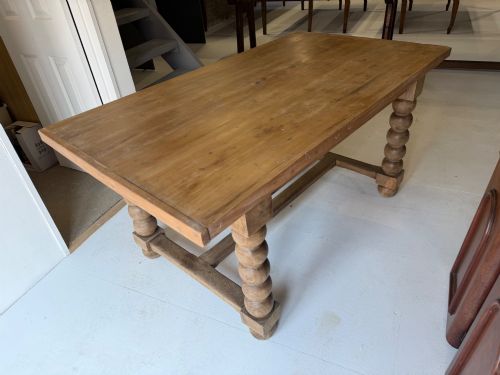
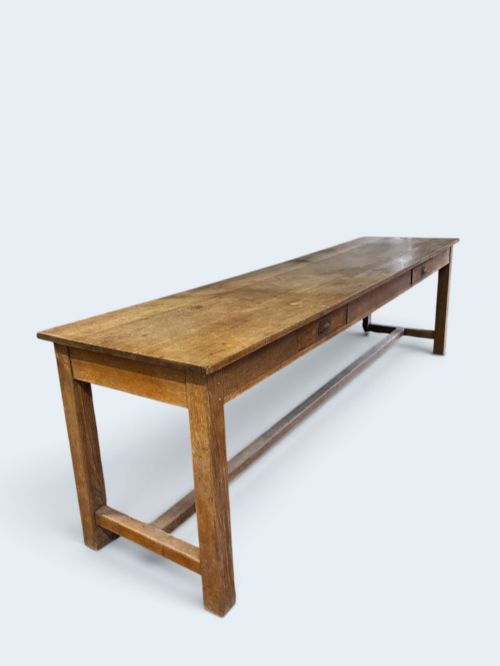
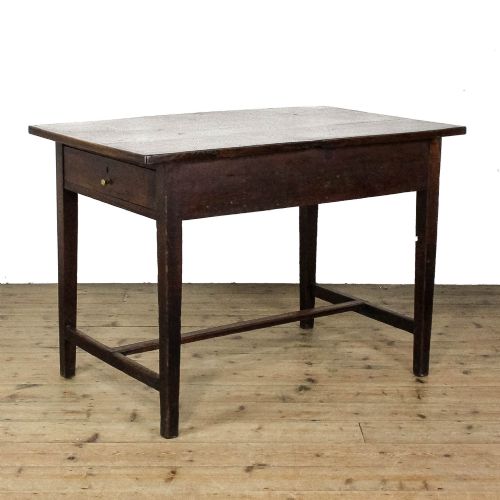
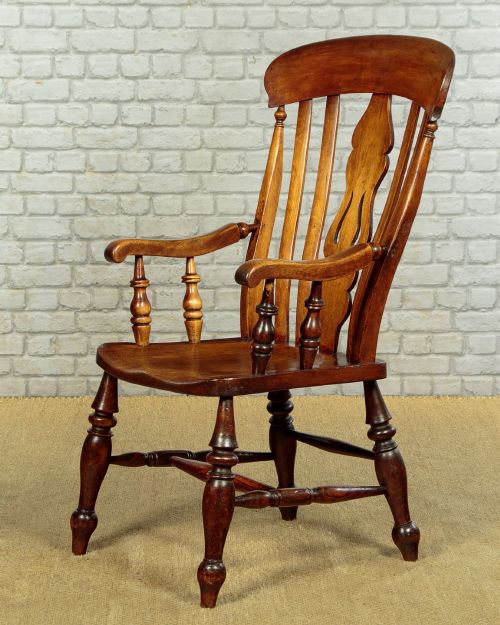
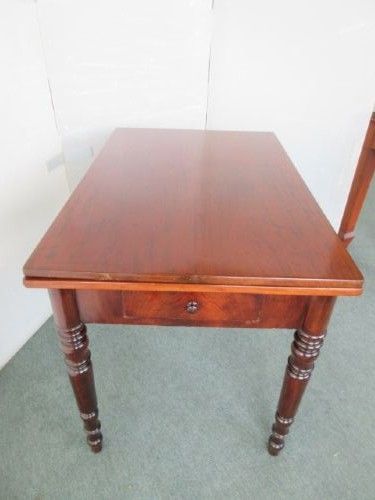
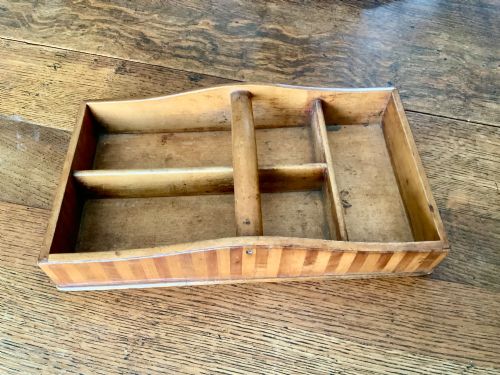
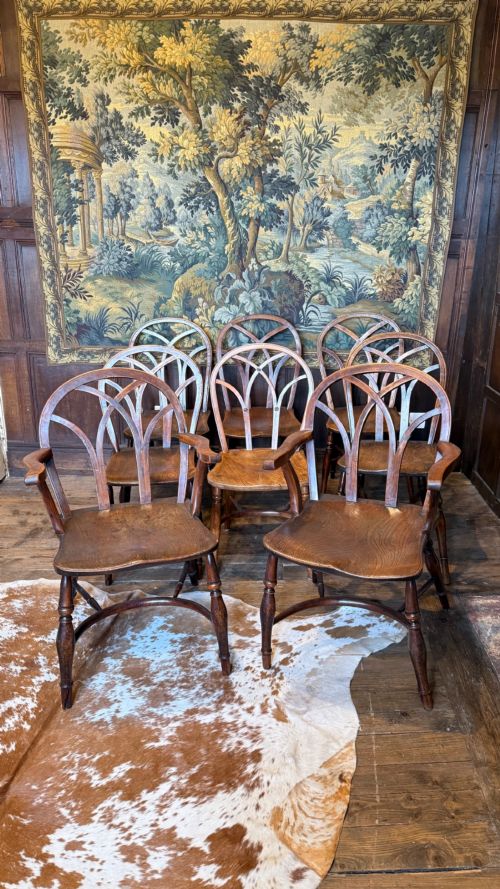
When you search for an antique wood kitchen desk, you encounter utilitarian tables and related seating built from solid timber during the nineteenth century. These pieces encompass scrub-topped pine tables, oak refectory designs, and elm Windsor armchairs used in busy domestic spaces.
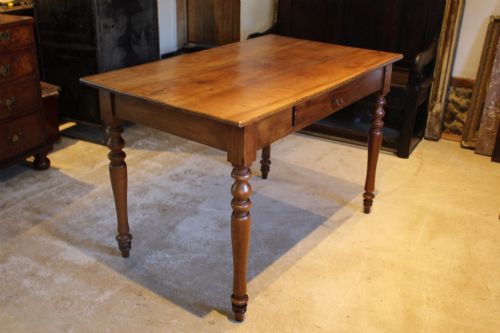
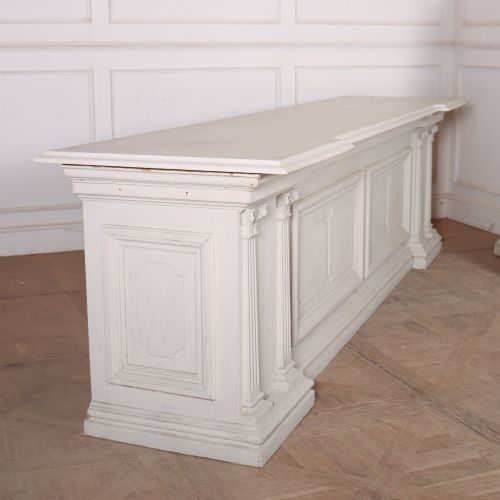
The versions most likely to appear on this page include Victorian pine tables with drawers, French cherry wood farmhouse tables, and nineteenth century elm and ash chairs. They span English country, rustic farmhouse, and Scandinavian country styles.
Makers constructed these sturdy items for daily preparation and seating rather than formal display, resulting in practical proportions and honest construction. Their enduring appeal lies in visible grain and patinated surfaces shaped by decades of household use.
How they were made
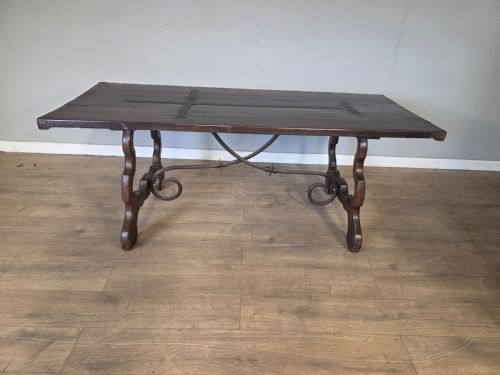
Carpenters relied on robust domestic and imported hardwoods and softwoods including oak, pine, elm, beech, and ash, often pairing scrubbed tabletops with sturdy turned legs. Construction methods prioritized stability, utilising pegged joints, draw leaves, and trestle frames to withstand heavy daily labour.
Finishes range from scrubbed natural timber and French Falu paint to waxed oak and polished mahogany, reflecting regional traditions and practical upkeep. Brass hardware occasionally appears on drawer fittings, while simpler pieces rely entirely on pegged wood construction.
Listings feature nineteenth century pieces constructed from elm, beech, oak, pine, ash, and mahogany across various regional styles.
What varies in quality
Quality rests in the selection of timber, the integrity of the structural joints, and the survival of original surfaces such as scrubbed pine tops or historic painted finishes. Pieces retaining their honest working patina demonstrate superior character compared to heavily altered examples.
The sophistication of the joinery, from simple stick-back Windsor framing to complex refectory trestle construction, dictates the enduring stability and refinement of each individual item.
The Antique Wood Kitchen Desk Glossary
- Scrub top
- A wooden tabletop cleaned repeatedly with water and scrubbing brushes, creating a pale, weathered surface. This process removes surface dirt and highlights the natural grain of pine or sycamore.
- Windsor chair
- A wooden chair built with a solid saddle-shaped seat into which separate legs and stick-backs are wedged. These chairs often combine ash, elm, and beech for strength and flexibility.
- Refectory table
- A long dining or working table originally designed for communal dining halls. Examples on this page feature sturdy oak or cherry construction with heavy trestle or leg supports.
- Trestle table
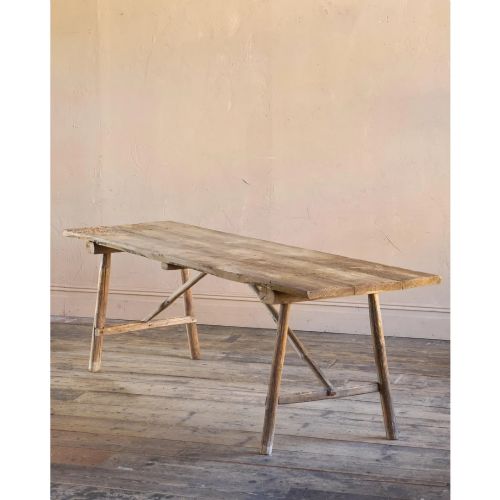
- A table consisting of two or more support frames connected by a horizontal beam holding a plank top. This design allows maximum legroom along the length of the board.
- Draw leaf table
- A table fitted with pull-out extension leaves stored beneath the main top. This mechanism expands the surface area quickly for serving or working.
Antique Wood Kitchen Desk: Frequently Asked Questions
What defines an antique wood kitchen desk?
These items comprise nineteenth century utilitarian tables, scrub-topped pine surfaces, and heavy wooden seating built for domestic service.
They reflect regional styles from English country to French provincial, utilising woods like oak, elm, and pine.
How were these tables used originally?
Households utilised these robust timber surfaces for food preparation, daily dining, and general domestic chores.
Matching Windsor armchairs and clerk stools provided sturdy seating around the kitchen or workspace.
How do I care for a scrubbed wood top?
Maintain the pale, weathered timber by cleaning gently with mild soap and water without harsh chemical polishes.
Regular waxing protects untreated pine and oak while preserving the historic patinated finish.
How can I identify nineteenth century pieces?
Examine the construction methods for pegged joints, hand-turned legs, and authentic material pairings like elm seats on ash frames.
Surface wear, tool marks, and traditional finishes such as Falu paint provide clear indicators of period origin.