





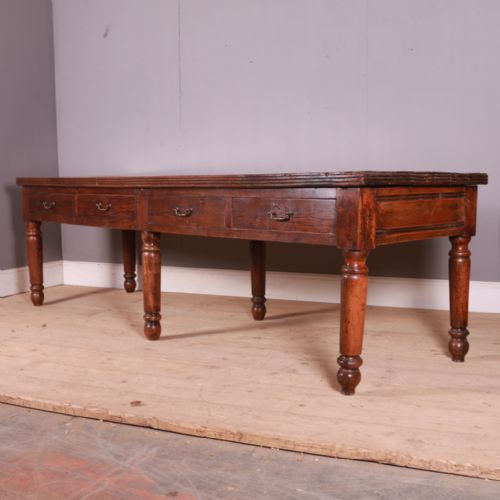

Warm Pine Kitchen Table
A warm pine kitchen table brings enduring practical charm to the heart of the home, offering a tactile surface shaped by decades of daily use.
Warm Pine Kitchen Table
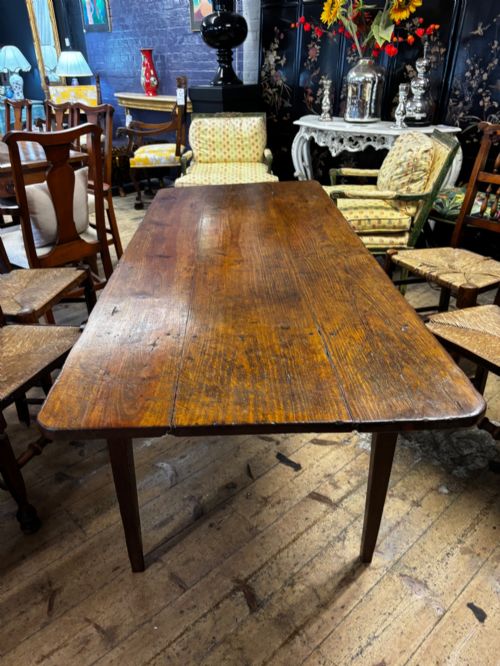
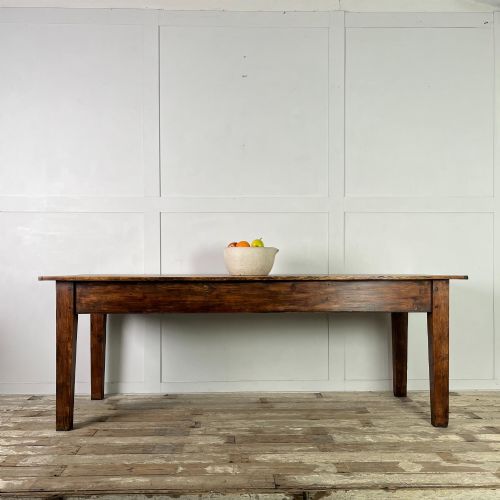
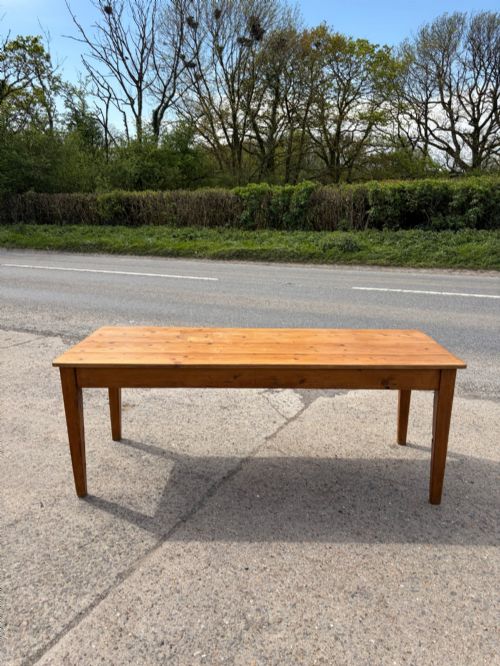
When you search for a warm pine kitchen table, you encounter robust domestic furniture dating from the nineteenth century. These sturdy wooden surfaces served hardworking households as dining tables, prep tables, and hall tables.
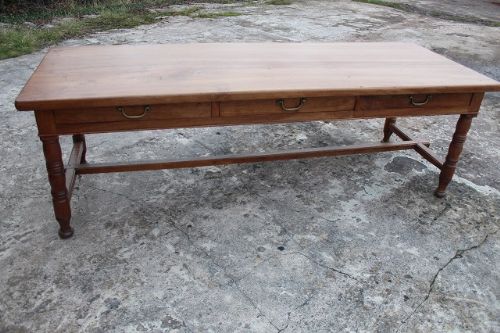
The versions you meet on this page span Victorian country, rustic farmhouse, French provincial, and Victorian gothic styles. They range from compact single-drawer designs to large extending dining tables and refectory forms.
Originating predominantly from the nineteenth century, including specific dates like 1850 and 1870, these pieces showcase the honest utility of past domestic life. They provide generous proportions suited to contemporary family gatherings and meal preparation.
How they were made
These tables are constructed primarily from solid pine and pitch pine, occasionally paired with fruitwood, oak, and other timber components. Cabinetmakers relied on durable joining techniques to withstand heavy daily domestic tasks.
Functional hardware such as brass fittings appears on select pieces, particularly those featuring single drawers integrated into the front frieze. The timber surfaces developed their characteristic deep tones and tactile quality through generations of honest wear and traditional polishing.
Warm Pine Kitchen Table Retail Price Guide 2026
Typical asking prices for warm pine kitchen table among the pieces listed under this phrase on Sellingantiques today, from the lower quarter to the upper quarter. They describe what is for sale here now, not the wider market.
What varies in quality
The distinction between standard domestic items and superior examples lies in the selection of timber and the integrity of the original construction. Dense pitch pine and well-chosen fruitwood tops demonstrate greater durability and richer patination than utilitarian softwoods.
Proportion and functional detailing also separate the pieces, such as cleanly integrated frieze drawers or balanced extending mechanisms. The best examples retain their original structural honesty while displaying a harmonious visual warmth across the entire timber surface.
The Warm Pine Kitchen Table Glossary
- Pine
- A softwood commonly utilised for nineteenth-century domestic furniture. It takes on a rich patina with age and use.
- Frieze
- The horizontal band situated directly beneath the tabletop. This area frequently houses single drawers in traditional designs.
- Refectory
- A long dining table style traditionally used for communal meals. These pieces offer substantial length for seating multiple people.
- Pitch pine
- A resinous, durable variety of pine known for its distinct grain pattern and strength. It forms sturdy surfaces for demanding kitchen environments.
Warm Pine Kitchen Table: Frequently Asked Questions
How do I date a nineteenth century table?
Dating relies upon construction methods, timber selection, and specific stylistic markers recorded across the Victorian period. Hardware details and joint types offer reliable clues to the era of manufacture.
Examining the underside and drawer construction often reveals tool marks and assembly practices typical of workshops operating around eighteen-fifty to nineteen-hundred.
Can I use these tables for daily dining?
These tables were built specifically for hardworking domestic environments and heavy daily preparation tasks. Their robust wooden construction readily accommodates modern family life.
Routine use simply adds to the character and depth of the timber surface over time without compromising the structural integrity of the piece.
What is a kitchen preparation table?
A preparation table is a functional work surface designed for culinary tasks rather than formal dining. They often feature robust timber tops capable of enduring heavy kitchen activities.
Many examples include practical additions like single drawers to store utensils close at hand while working.
How do I care for a historic timber top?
Maintaining historic wood involves regular dusting and occasional treatment with natural waxes to nourish the grain. Avoiding excessive moisture and direct heat protects the historic finish.
Gentle cleaning preserves the accumulated patination and warm colour developed over more than a century of domestic service.