



Antique Wood Hanging Shelves
These antique wood hanging shelves offer practical wall storage in mahogany, oak, and walnut, bringing period character to compact rooms.
Antique Wood Hanging Shelves
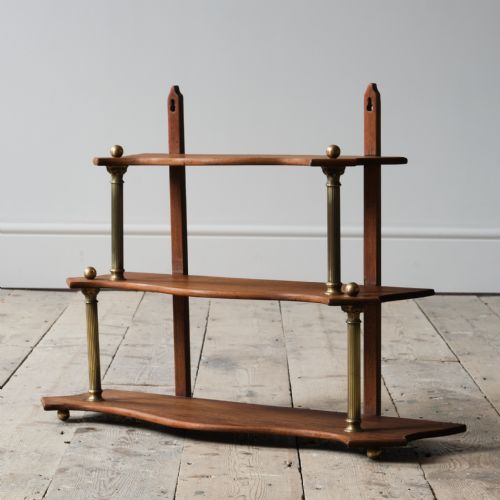
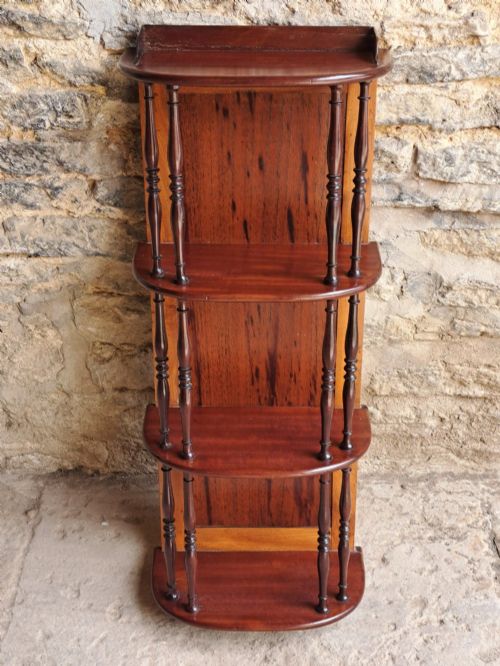
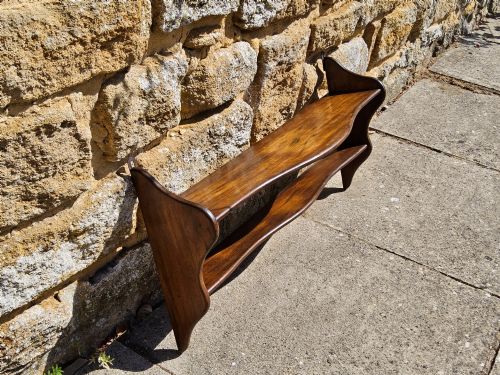
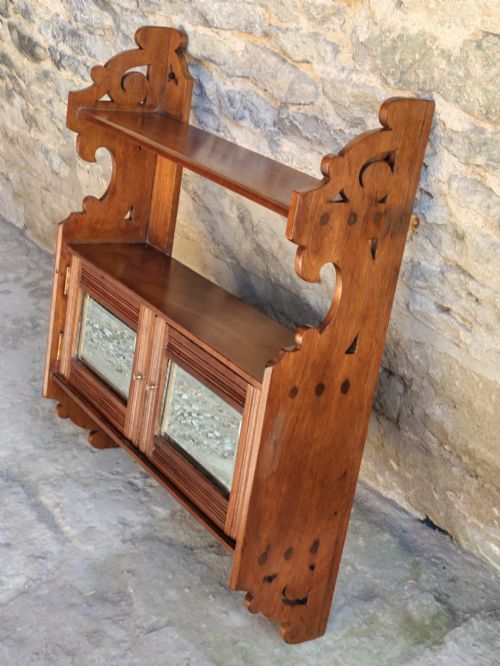
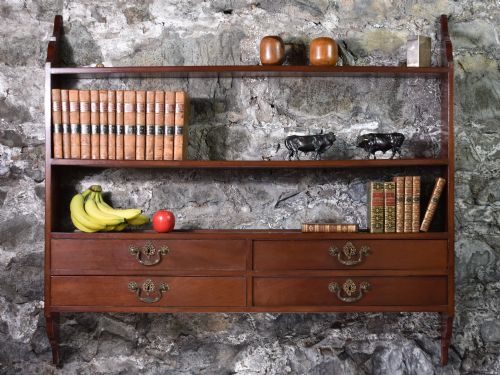
Antique wood hanging shelves provide open wall storage and display space across various historical periods, most frequently appearing in mahogany, oak, and walnut from the 18th and 19th centuries. Buyers search for these pieces to furnish hallways, living rooms, and bedrooms with functional wall-mounted furniture that holds books, plates, or decorative objects.
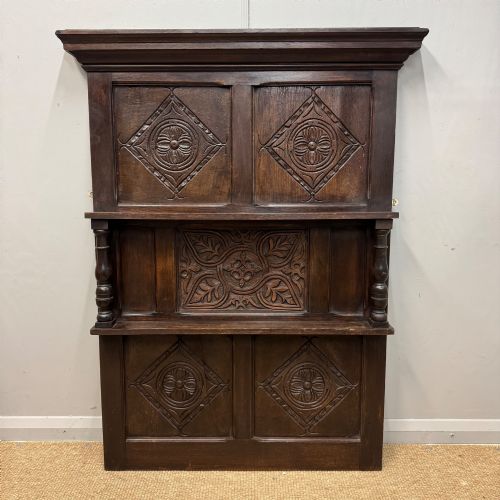
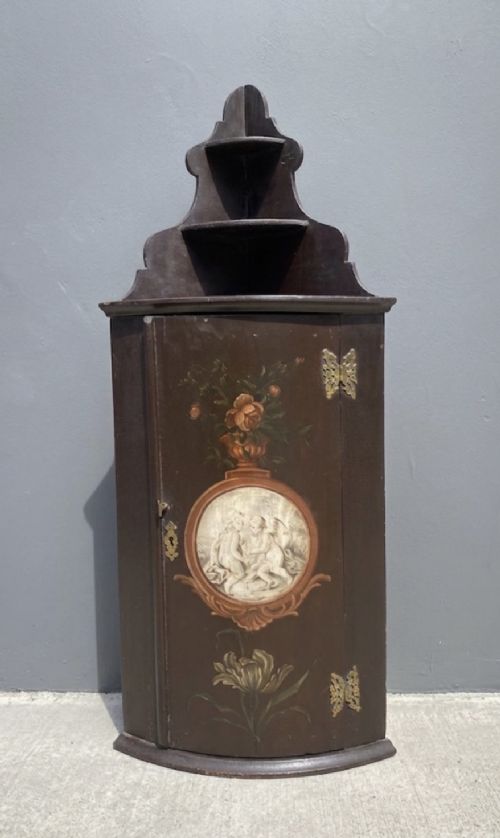
The selection ranges from simple sets of two or three tiers to more complex wall cabinets with glazed doors, corner cupboards, and waterfall tiers. Pieces emerge from Georgian, Regency, and Victorian eras, demonstrating how previous generations solved the need for vertical storage in domestic spaces.
How they were made
Cabinetmakers utilised solid timbers such as mahogany, oak, walnut, and rosewood, often combining them with brass mounts, glass panels, or ebonised details. Construction methods relied on traditional joinery to support the weight of books and ceramics safely against a wall.
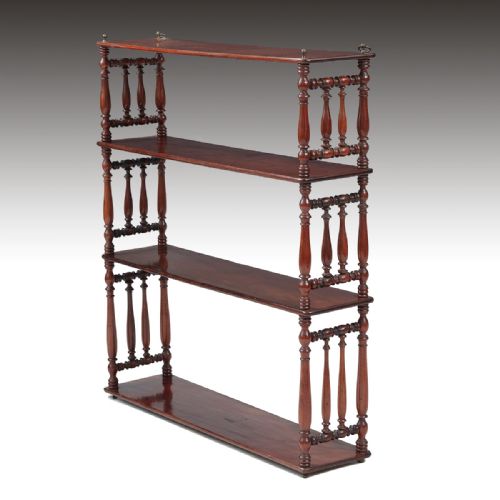
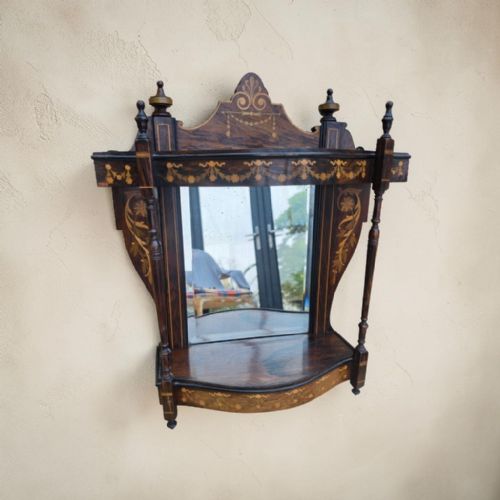
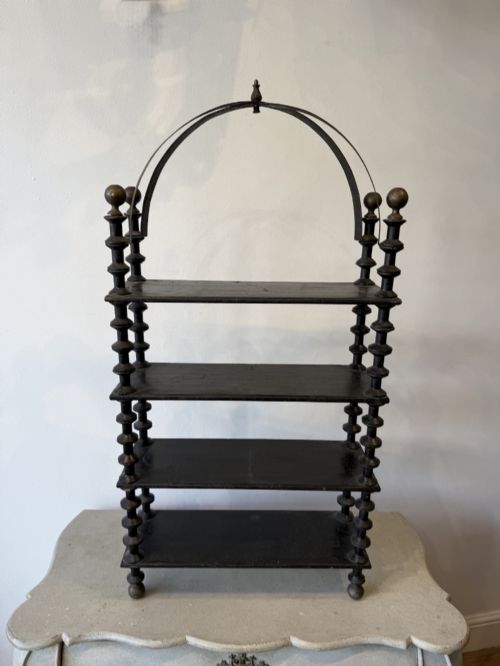
Surface finishes include polished wood grains, painted treatments like Little Greene finishes, and decorative inlays in olive wood or satinwood. Bobbin-turned supports and carved mouldings appear on specific pieces, reflecting the stylistic preferences of Victorian Gothic Revival or French workshops.
Sorrento olive wood brings Italian sunshine straight to the hallway.
What varies in quality
Quality rests upon the selection of timber and the precision of the joinery connecting the shelves to the uprights or back panels. Finer examples display carefully matched wood grains, subtle inlay work, and robust suspension points designed to bear weight securely.
Simpler regional pieces prioritise utilitarian strength over ornate detail, utilising sturdy oak or pine construction with straightforward bracket supports. The presence of original brass hanging hardware and intact glass doors also distinguishes standard items from superior workshop productions.
The Antique Wood Hanging Shelves Glossary
- Hanging shelves
- Wall-mounted tiers of boards supported by uprights or brackets, designed to hold books or small decorative objects off the floor.
- Waterfall shelves
- Graduated shelves where each tier steps back progressively from the one below it, creating a descending profile.
- Bobbin shelves
- Shelves supported by turned columns shaped like spools or bobbins, popular during the 19th century.
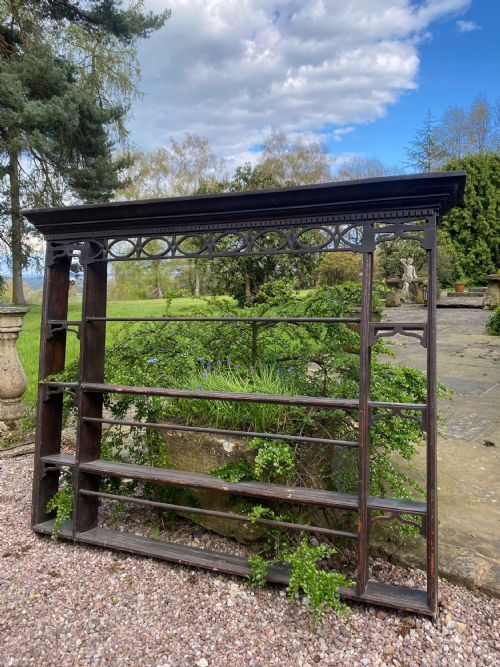
- Plate rack
- A wall fixture incorporating grooved ledges and vertical wooden bars specifically designed to display plates upright.
- Corner cupboard
- A triangular cabinet or set of shelves built to fit directly into the corner of a room, maximising unused space.
Antique Wood Hanging Shelves: Frequently Asked Questions
How do I hang antique shelves safely?
Most hanging shelves utilise brass fixing loops or screw holes integrated into the back frame or side supports. Secure them directly into wall studs or use appropriate heavy-duty wall anchors suited to your plaster.
Distribute the weight evenly across the shelves, placing heavier books on the lower tiers to maintain stability against the wall.
What rooms suit hanging shelves best?
These compact pieces work well in kitchens for displaying plates, in hallways for holding keys and small items, or in studies for portable bookshelves. Their wall-mounted design preserves floor space while adding period wood tones to vertical surfaces.
Smaller corner versions fit easily into cloakrooms or bathrooms where traditional floor-standing cabinets would prove too bulky.
How do I identify the wood type?
Examine the grain pattern, colour depth, and weight of the timber used in the uprights and shelf boards. Mahogany typically displays a rich reddish-brown tone with a fine grain, while oak reveals prominent medullary rays and a coarse texture.
Walnut offers a darker, highly figured grain pattern, and painted pieces conceal the underlying timber beneath historic surface coats.
Are these shelves suitable for heavy books?
Many smaller 19th-century shelves are designed for light display items, ceramics, or small collections of paperback books rather than massive encyclopaedias. Check the thickness of the shelf boards and the sturdiness of the wall fixings before loading heavy volumes.
Sturdier oak and mahogany examples from the Georgian and Victorian periods often feature robust joinery capable of supporting substantial weight.