
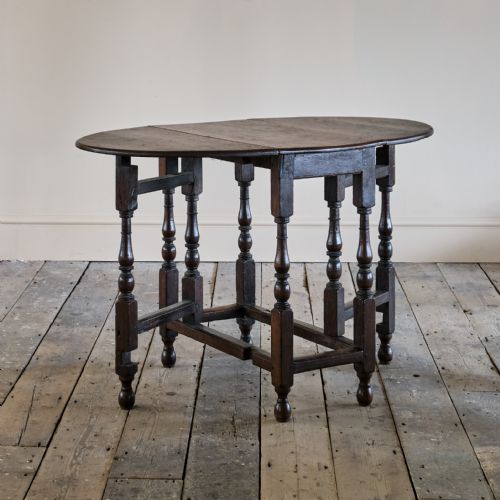


Antique Wood Fold Down Table
An antique wood fold down table offers clever space-saving engineering alongside centuries of traditional cabinet-making skill.
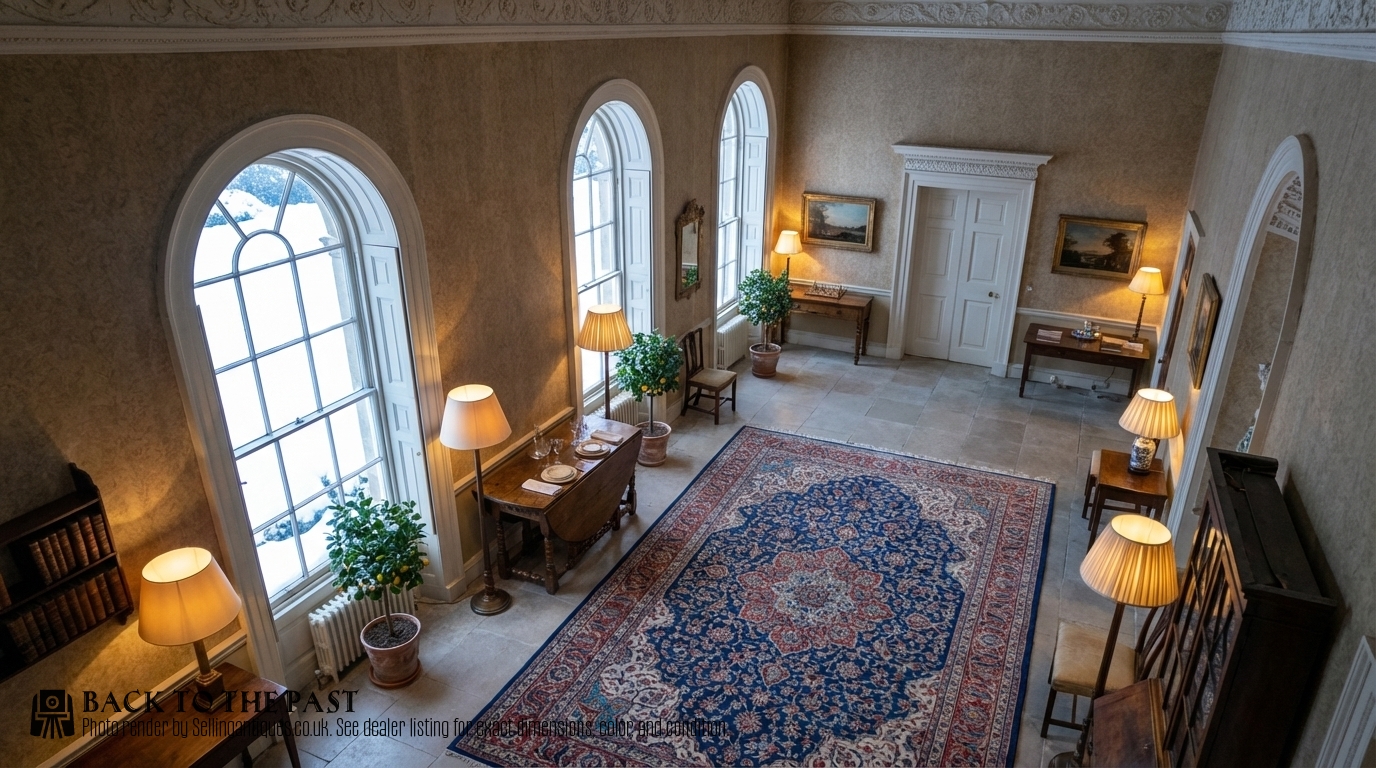
Antique Wood Fold Down Table
When you search for an antique wood fold down table, you encounter versatile multi-functional furniture designed to adapt room layouts with ease. These pieces range from compact occasional tables to larger dining formats that open up when needed.
The selections span various forms including gateleg tables, pembroke tables, tea tables, and card tables. Most pieces you meet on this page date from the eighteenth and nineteenth centuries, reflecting domestic habits of those periods.
Originating from English country workshops and formal urban makers alike, these items utilise folding, dropping, and pivoting mechanisms. They serve practical everyday functions while displaying rich timber surfaces.
Materials and construction methods
Makers utilised dense hardwoods such as mahogany, oak, and rosewood, often pairing them with secondary timbers like boxwood for stringing and inlay. Brass components appear frequently as hinges, castors, and swing-leg mountings to support moving flaps.
Joinery methods relied on sturdy techniques such as mortise and tenon joints, particularly on earlier oak gateleg frames. Turning lathes shaped structural supports like barley twist legs, while hand planes smoothed expansive mahogany and walnut tops.
Periods represented on this page stretch from the seventeenth century through to the Edwardian era, encompassing Georgian and Victorian designs.
Distinguishing quality across pieces
The distinction between standard domestic items and superior examples lies in the selection of timber grain and the precision of the folding mechanisms. Fine grain matching across drop leaves and smooth operation of pivot actions demonstrate skilled workshop execution.
Decorative embellishments such as delicate boxwood stringing, carved rosewood borders, and quality brass hardware elevate the status of a piece. Robust structural integrity in the hinged gatelegs ensures the table remains stable when fully extended.
The Antique Wood Fold Down Table Glossary
- Gateleg table
- A table with hinged flaps supported by swing-out legs that resemble a gate. This design provides robust support for drop leaves.
- Pembroke table
- A small rectangular table featuring two hinged drop leaves on opposite sides and usually a single drawer. They gained popularity during the eighteenth century.
- Drop leaf table
- A table with a fixed central section and hinged leaves that fold down at the sides. It allows the footprint to shrink when floor space is limited.
- Foldover table
- A dual-surface table top that folds in half to form a console or card table, then opens flat to double its surface area. This mechanism often conceals a storage well underneath.
- Barley twist
- A spiral carving resembling a twisted rope, turned on a lathe into furniture legs and supports. It is a common decorative feature on seventeenth and nineteenth century oak furniture.
Antique Wood Fold Down Table: Frequently Asked Questions
What is a fold down table?
A fold down table uses hinged leaves, pivoting tops, or swing-out legs to alter its size and shape for different domestic tasks. These mechanisms allowed households to save floor space when dining or entertaining was finished.
Craftsmen built these tables in various configurations, from tea and card tables to larger dining versions, using durable timbers like oak and mahogany.
How do I date an antique table?
Dating relies on observing timber choices, construction methods, hardware types, and stylistic details associated with specific periods. For instance, seventeenth century pieces often feature heavy oak and turned supports, whereas eighteenth century examples frequently utilise mahogany and refined inlay.
Examining the underside and interior joinery reveals tool marks and construction practices that help place the piece in its era.
Where were these tables used?
These tables served multiple rooms in historic homes, functioning as tea tables in parlours, card tables for gaming, and dining tables in kitchens or halls. Their adaptable nature made them essential furniture for rooms that served more than one purpose.
Folding mechanisms meant they could sit flush against a wall when not in use, clearing the centre of the room.
How do I care for wood surfaces?
Maintaining antique wood involves keeping tables away from direct heat sources and sudden humidity changes that cause timber to warp or split. Regular dusting with a soft, dry cloth preserves the finish without harming the patina.
Applying appropriate wax occasionally helps nourish the hardwood and protects the surface from minor daily wear.