




Antique Wood Document Box
An antique wood document box holds letters, deeds and valuables, combining secure storage with desktop presence.

Antique Wood Document Box
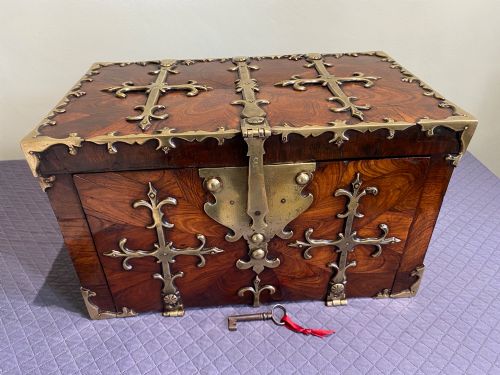
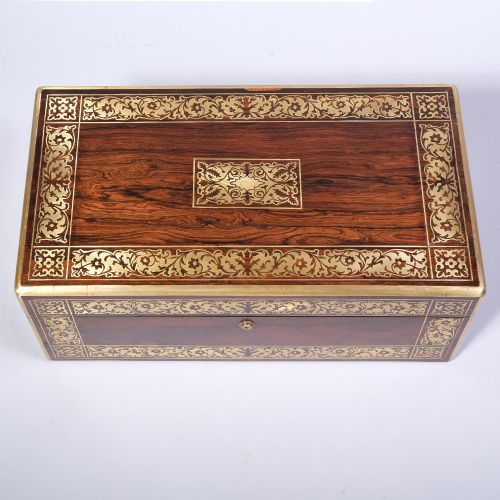
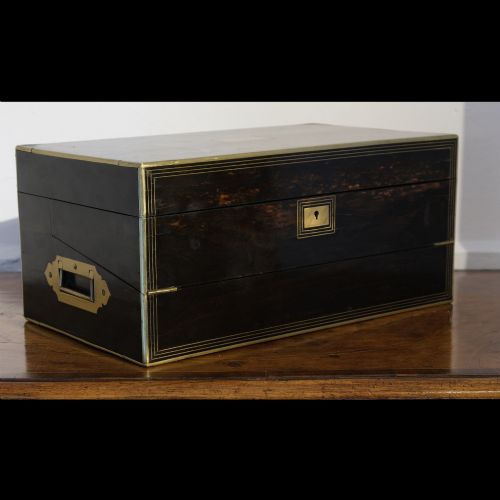
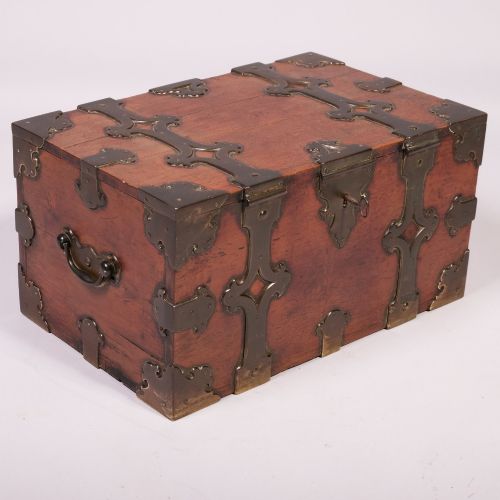
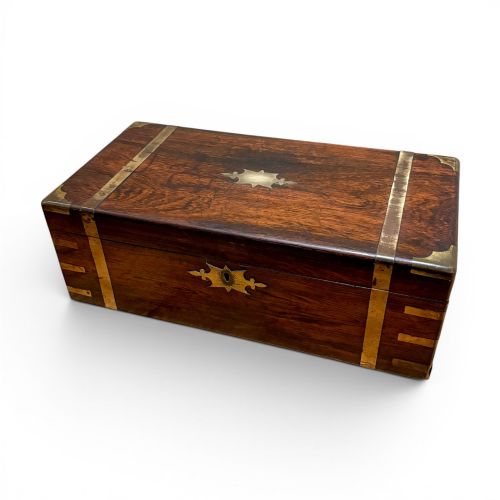
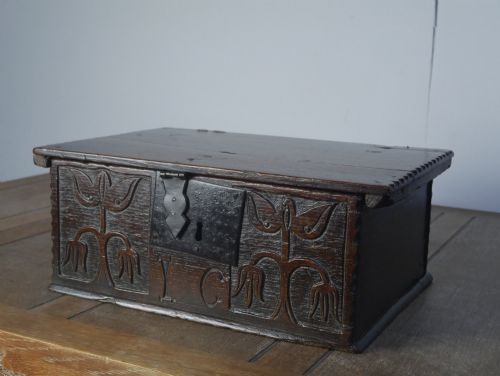
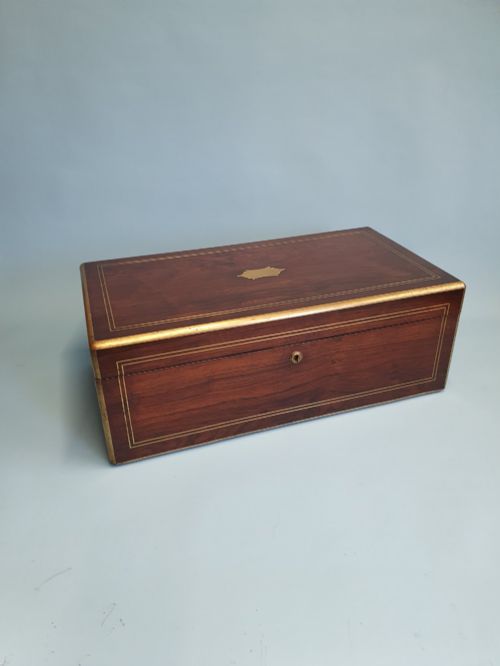
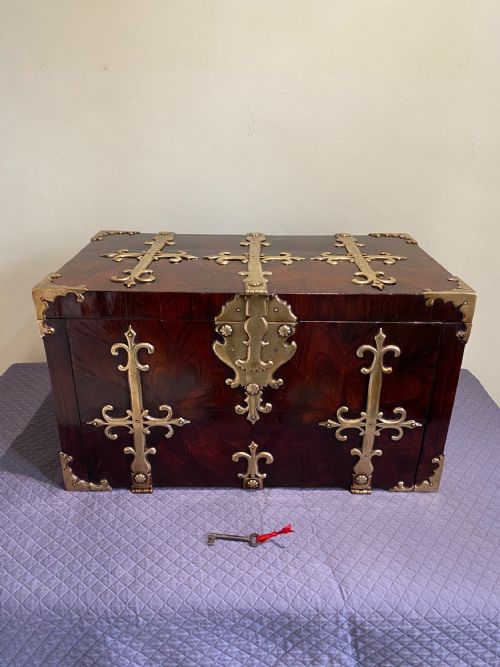
An antique wood document box encompasses heavy iron-bound chests, fitted writing slopes and small caskets designed for the safekeeping of paper and valuables. These containers originate from various periods including the seventeenth, eighteenth and nineteenth centuries, spanning Georgian, Regency and Victorian eras. The most frequent examples encountered on this page are nineteenth century rosewood, walnut or mahogany boxes fitted with brass mounts and interior compartments.
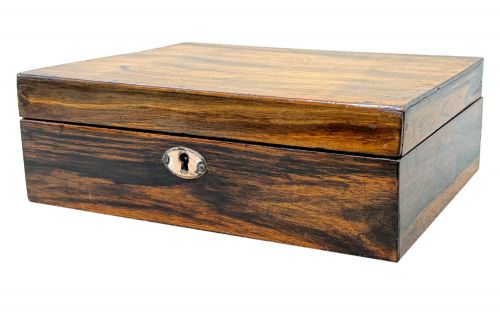
Makers utilised dense timbers such as oak, camphor, coromandel and kingwood to construct vessels intended for travel, desktop use or domestic storage. Some pieces double as stationery cabinets, correspondence boxes or portable writing desks containing secret drawers. Regional variations range from Scandinavian folk art pine boxes to Anglo-Indian carved wood examples and Tunbridge Ware mosaic designs.
How they were made
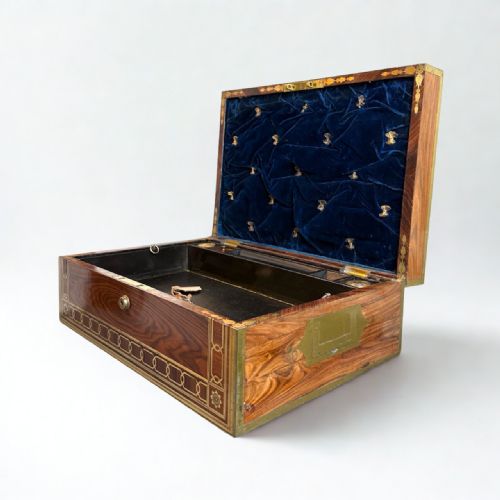
Cabinetmakers constructed these boxes using solid hardwoods and veneers applied to secondary woods, reinforcing corners with brass banding, straps or mounts. Interiors often feature fitted trays, pen grooves, inkwell compartments and concealed drawers accessed through secret release mechanisms.
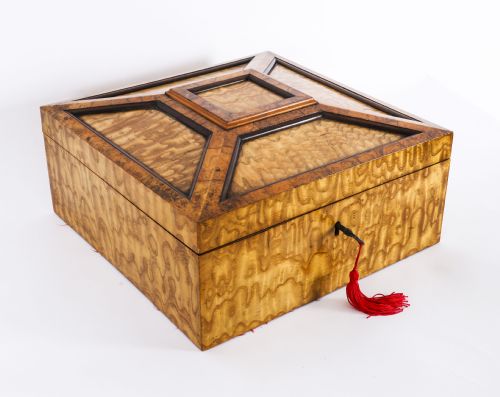
Surface decoration relies on natural grain figures such as burr maple, walnut and rosewood, alongside marquetry, parquetry, bone inlay, or hand-painted folk art motifs. Woods like camphor and oak were chosen for durability and pest resistance, while exotic timbers like coromandel and ebony provided a dense base for decorative polishing.
Listings feature woods spanning oak, camphor, rosewood, walnut, coromandel, ebony, kingwood and mahogany across multiple centuries.
What varies in quality
The distinction between standard utility boxes and top-tier pieces rests on timber selection, structural precision and the complexity of internal fittings. Superior examples display carefully matched veneer grains across all exterior surfaces, heavy gauge brass hardware and robust locking mechanisms complete with working keys.
Execution of decorative details such as micro-mosaic Tunbridge Ware, fine marquetry, carved bone or intricate secret drawer mechanics separates ordinary production from exceptional craftsmanship. The retention of original surface patination and undamaged internal compartments elevates the standing of any piece.
Edmund Nye
The Antique Wood Document Box Glossary
- Writing slope
- A portable desk with an angled lid designed for correspondence, opening to reveal a sloping surface and storage compartments. These often include inkwell recesses and hidden drawers.
- Tunbridge Ware
- A form of British woodworking originating in Kent, characterised by small mosaic tiles assembled from various natural coloured timbers to form pictorial or geometric surface patterns.
- Coffre forte
- A French term for a strongbox or safe chest, typically constructed from heavy wood reinforced with iron straps and complex locking mechanisms.
- Marquetry
- The art of applying thin veneers of different woods, metals or bone to a wooden structure to create decorative pictures or geometric patterns.
- Camphorwood
- A fragrant tropical timber valued for its insect-repellent properties, frequently utilised for campaign chests and boxes destined for colonial travel.
Antique Wood Document Box: Frequently Asked Questions
How were document boxes used historically?
These boxes served as secure repositories for important papers, legal deeds, correspondence and currency before the widespread use of modern filing systems. Owners kept them on desks, in libraries or transported them during travel.
Many incorporated locking mechanisms and internal compartments to separate personal letters from financial instruments. Portable versions allowed individuals to maintain a functional writing station away from home.
How can I tell a Victorian box from a Georgian one?
Georgian boxes often display restrained lines, mahogany or rosewood construction, and simple brass carrying handles. Their proportions favour classical symmetry and understated elegance.
Victorian pieces tend to incorporate heavier brass banding, elaborate inlays such as mother-of-pearl or Tunbridge Ware, and exotic timbers like coromandel and burr walnut. Industrial production methods during the Victorian era also led to more standardised internal fittings and secret compartment mechanisms.
Do these boxes usually come with working keys?
Some pieces retain their original working keys, while others have replacement keys or locks that require professional adjustment. Because these boxes were designed to secure private documents, many survived with functional locks.
Listings specify whether a key is present and currently operational, though antique locks can sometimes be delicate and require careful handling.