
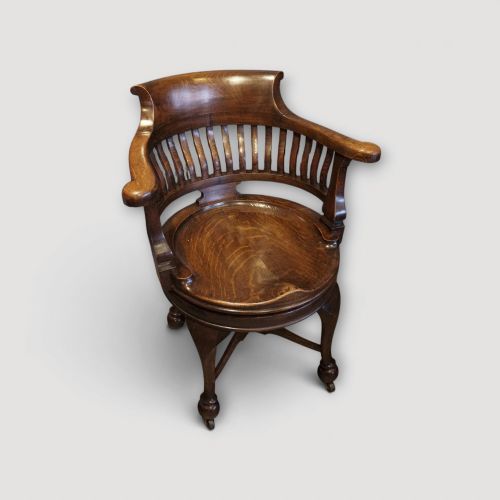
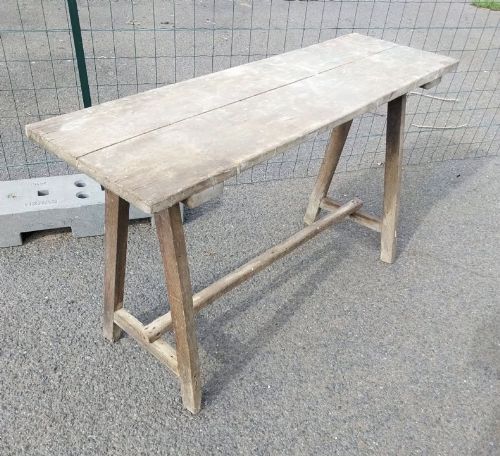
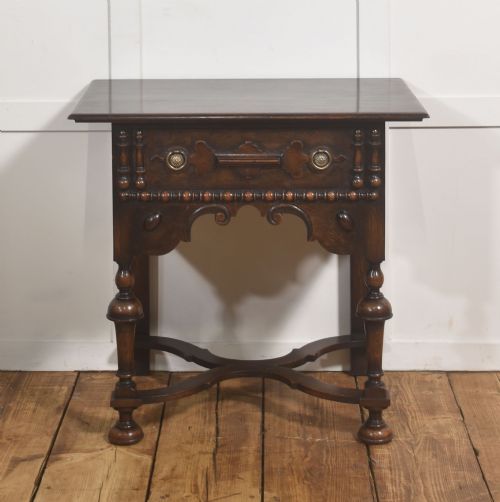
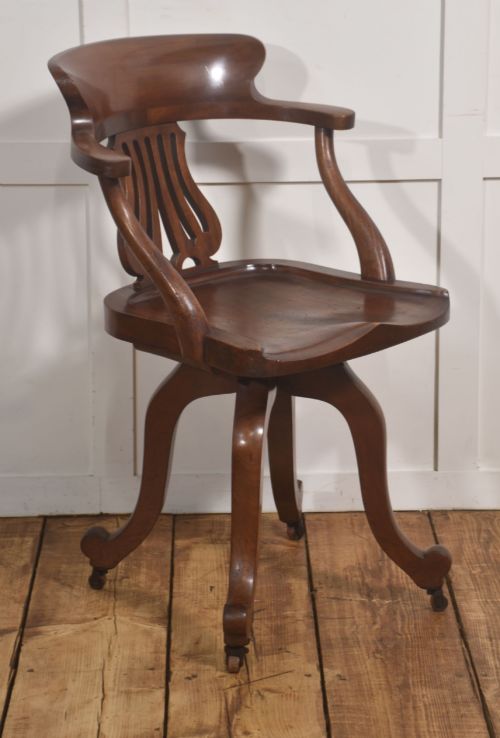
Antique Wood Desk
An antique wood desk brings warmth and history to a room, offering practical workspace through centuries of traditional cabinet-making.
Antique Wood Desk
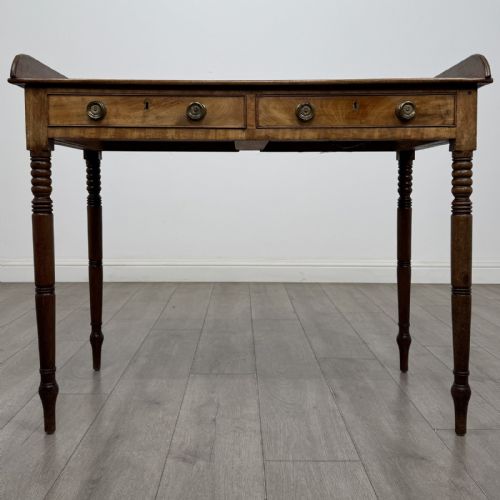
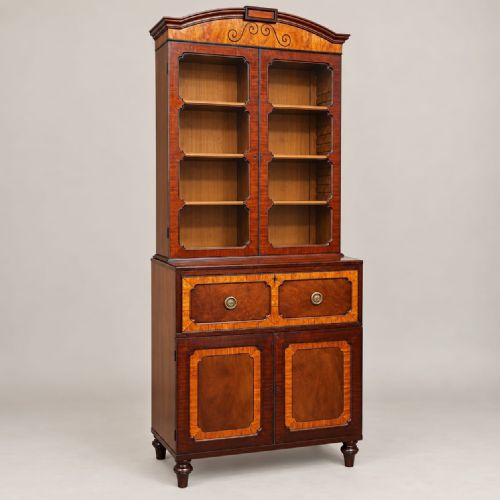
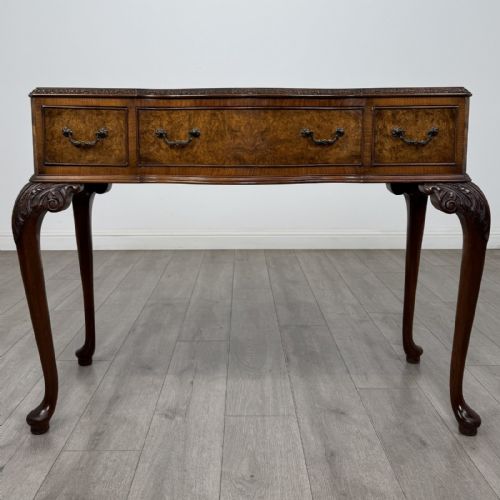
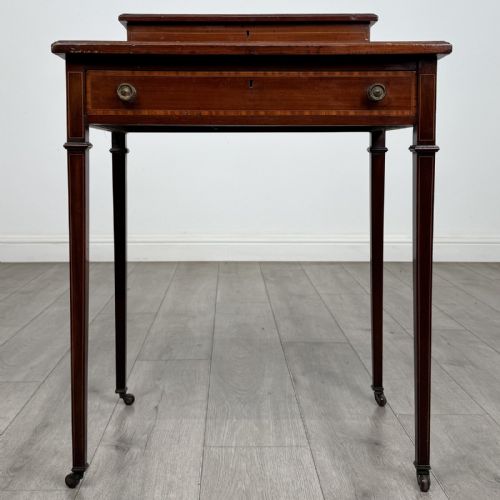
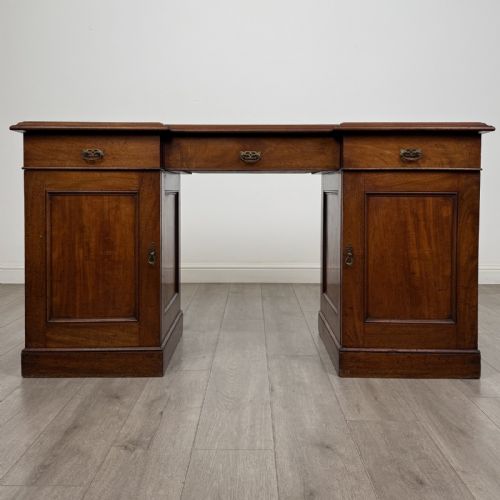
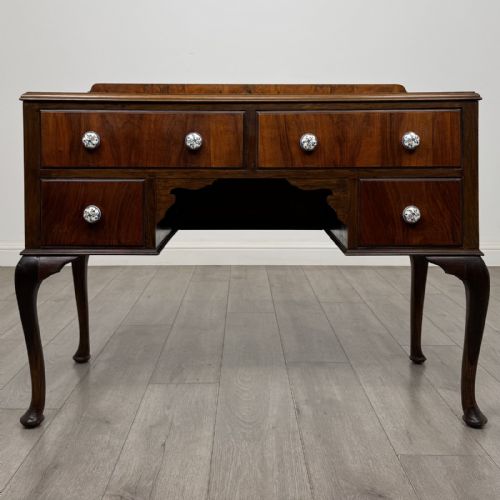
When searching for an antique wood desk, buyers encounter forms ranging from compact writing tables and Davenport desks to grand pedestal writing units and bureau bookcases. These pieces originate primarily across the Georgian, Victorian, and Edwardian eras, reflecting the domestic and professional writing needs of past centuries.
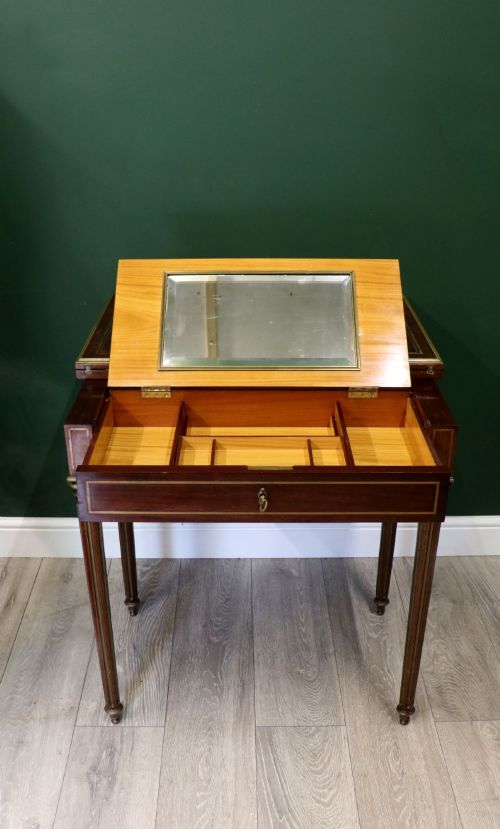
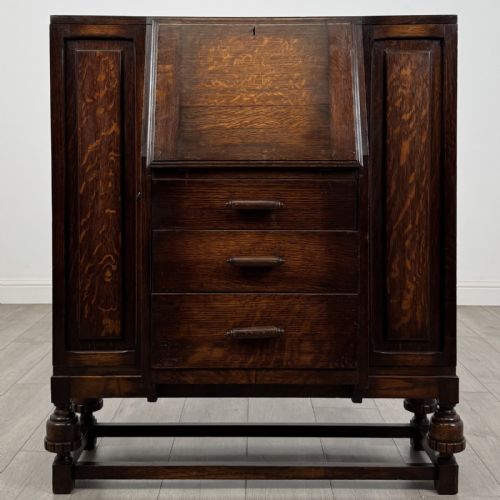
The selection frequently includes pedestal desks with fitted drawers, slope-front bureaux with pigeonholes, and refined ladies writing desks finished in rosewood or satinwood. Regional variations also appear, such as English country pieces constructed from sturdy oak, elm, and ash.
Most examples found on this page date from the nineteenth and early twentieth centuries, though earlier eighteenth-century Georgian masterpieces occasionally surface. Each type serves a distinct function, from formal study use to casual correspondence.
Materials and construction methods
Makers utilised dense cabinet timbers such as mahogany, walnut, oak, and exotic kingwood, often selecting figured veneers to create striking visual patterns on writing surfaces and drawer fronts. Solid secondary woods like pine or oak frequently form the internal drawer linings and carcass structures.
Traditional joinery techniques - including dovetail joints on drawers and mortise and tenon frames - ensure the structural longevity of these tables and bureaus. Brass handles, key escutcheons, and occasional ormolu mounts provide functional hardware alongside inset leather writing surfaces.
Listings feature wood desks spanning from the 18th-century Georgian period through to Edwardian and 1920s examples, constructed in mahogany, oak, rosewood, and yew wood.
Distinctions in construction and finish
Superior examples display careful timber selection, where wood grain matches symmetrically across large surfaces like desk tops and fall-front writing flaps. Hand-cut dovetails and intact original secondary woods indicate higher workshop standards.
The presence of fitted internal compartments, secret drawers, and original brass hardware separates standard utility furniture from pieces produced by distinguished cabinet-makers. Condition of the original polish and leather inserts also influences the standing of an individual desk.
Trollope and sons·J and J Kohn·Jacob and Josef Kohn
The Antique Wood Desk Glossary
- Bureau
- A sloping desk with a hinged flap that opens to reveal compartments and drawers for writing. It often sits upon a chest of drawers or a stand.
- Partners desk
- A large double-sided pedestal desk designed for two people to sit opposite one another. These tables typically feature drawers and cupboards on both faces.
- Davenport
- A compact Victorian desk featuring a sloping lid with a leather writing surface, above a bank of side drawers. The top often incorporates a stationery box.
- Escritoire
- A tall writing cabinet or desk featuring a drop-down writing surface concealing pigeonholes and small drawers. This French-influenced form often uses decorative veneers like kingwood.
Antique Wood Desk: Frequently Asked Questions
How do I identify a Victorian pedestal desk?
Victorian pedestal desks typically feature two separate drawer pedestals supporting a heavy top with an inset leather writing surface. They often utilise dense timbers like mahogany or walnut.
Closer inspection often reveals hand-cut dovetails on the drawer interiors and traditional brass locks stamped by period manufacturers.
What is the difference between a bureau and a writing table?
A bureau incorporates a sloping lid that folds down to create a writing shelf while concealing internal pigeonholes and small storage drawers. This design keeps stationery enclosed when not in use.
A writing table offers a flat, open surface supported by legs or pedestals without a hinged fall-front enclosure.
How should I care for a leather desk insert?
Leather writing surfaces require gentle cleaning with a slightly damp cloth, avoiding harsh chemical cleaners that dry out the material. Applying specialised leather balms periodically helps maintain flexibility.
Keeping the desk away from direct sunlight and heat sources prevents the leather from cracking over time.
Are partners desks suitable for modern offices?
Partners desks provide substantial surface area and generous drawer capacity, making them functional for contemporary workspaces. Their finished double-sided construction allows them to float in the centre of a room rather than against a wall.
Buyers should measure room dimensions carefully, as these desks possess substantial proportions compared to standard modern office tables.
How can I tell an Edwardian desk from a Georgian one?
Georgian desks from the eighteenth century typically exhibit heavy solid timber construction, understated bracket or ogee feet, and hand-cut joinery. The proportions tend to be robust and architectural.
Edwardian desks from the early twentieth century often draw inspiration from earlier Sheraton or Empire revivals, sometimes incorporating lighter satinwood or marquetry inlays with machine-assisted precision.