

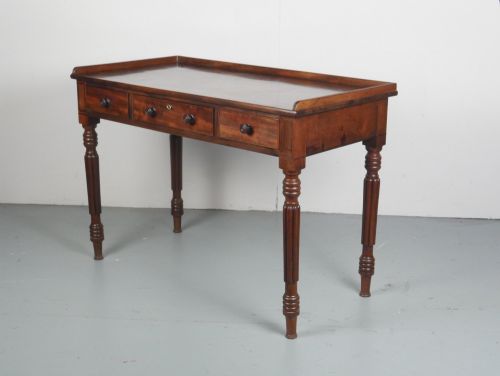
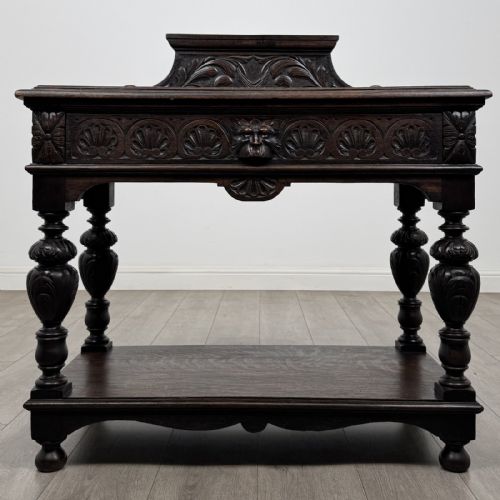
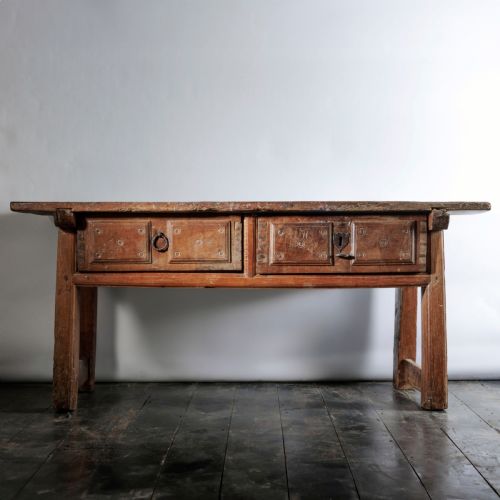
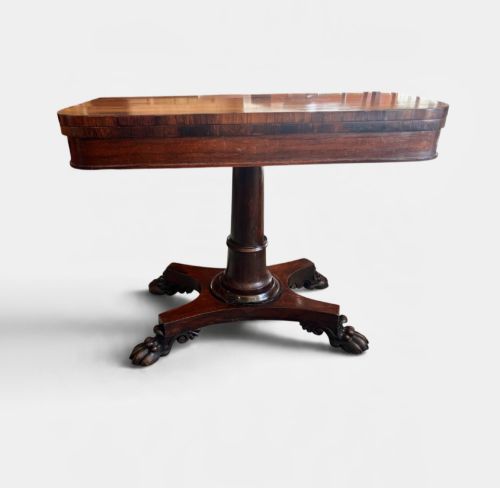
Antique Wood Console
An antique wood console grounds a room with timeless utility, offering surface space and architectural presence shaped by centuries of cabinet-making.
Antique Wood Console
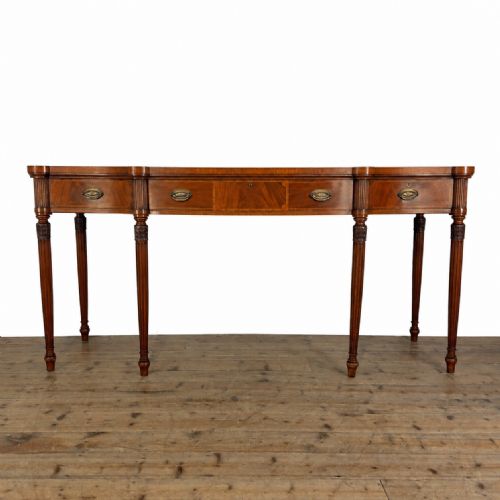
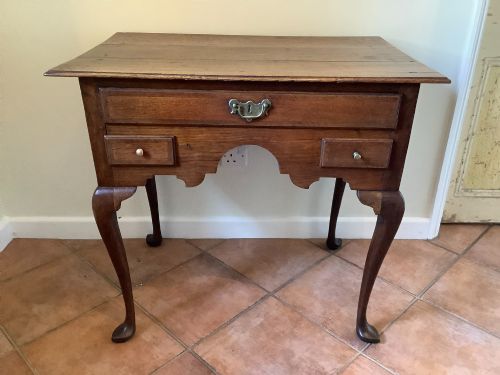
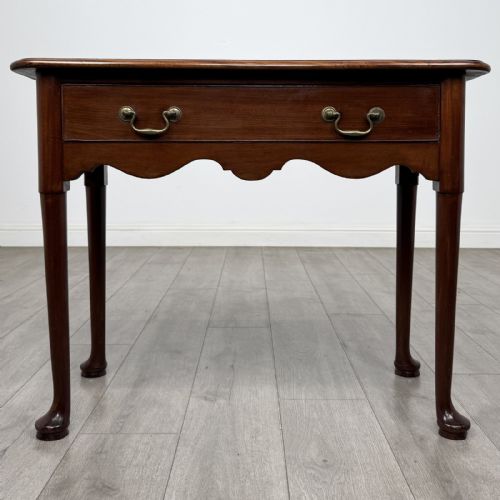
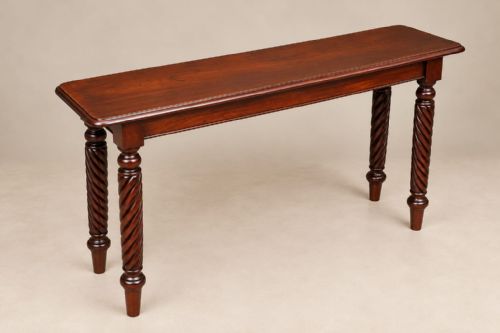
The search for an antique wood console brings forth a diverse selection of wall-anchored or freestanding tables designed for hallways, living spaces and libraries. These pieces originate from periods spanning the seventeenth century through to the Edwardian era, encompassing Georgian, Regency and Victorian aesthetics.
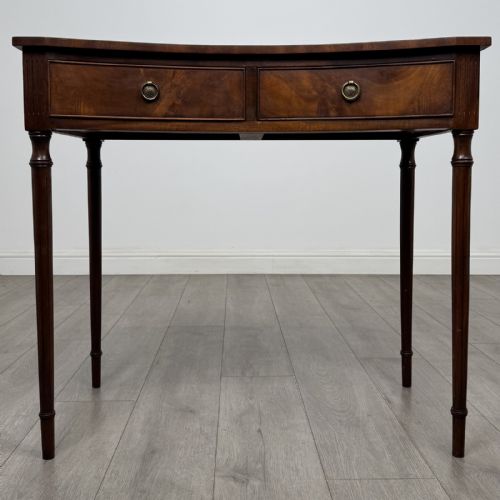
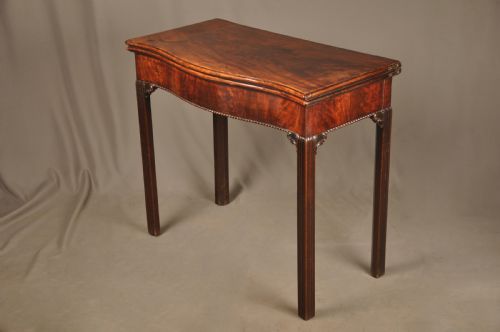
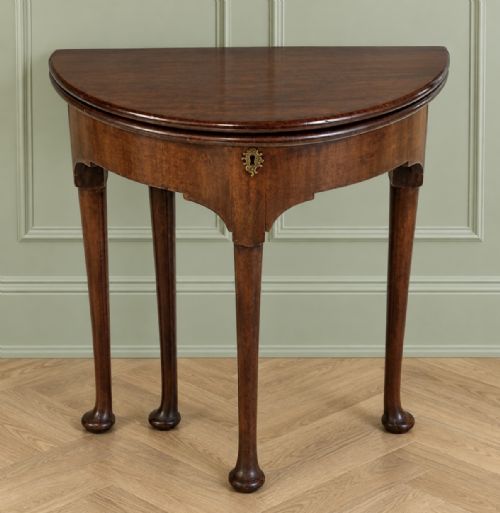
The examples most frequently encountered on this page are mahogany side tables and fold-over card tables from the eighteenth and nineteenth centuries. Alongside these, buyers find walnut, oak and rosewood forms, including French laundry tables and marble-topped Italian giltwood consoles.
Makers and cabinet-makers historically adapted these tables for specific functions, resulting in forms that double as writing desks, tea tables and serving tables. Their adaptability to modern interiors stems from relatively shallow depths that suit narrow corridors and reception rooms.
Materials and construction methods
Cabinet-makers relied heavily on dense hardwoods such as mahogany, walnut and rosewood, often selected for figured grains and rich natural patinas. Oak and fruitwood appear in earlier or regional vernacular pieces, providing robust structural foundations.
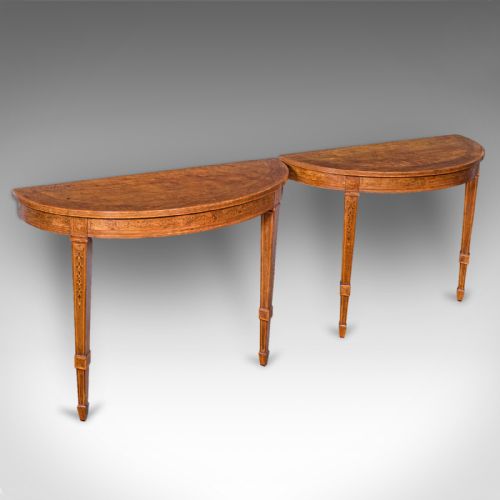
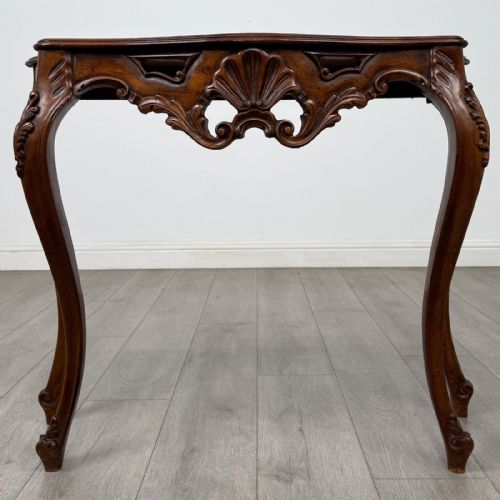
Decoration was achieved through techniques including brass inlay, marquetry, intricate hand-carving and fine wood veneers applied to solid secondary timbers. Marble tops, particularly rouge marble and breccia variants, were frequently paired with giltwood or timber bases for formal reception rooms.
Antique Wood Console Retail Price Guide 2026
Typical asking prices for wood console among the pieces listed under this phrase on Sellingantiques today, from the lower quarter to the upper quarter. They describe what is for sale here now, not the wider market.
Early French fruitwood and chestnut prep tables retain the honest knife marks of daily domestic labour from centuries past.
What separates the finest examples
The distinction between standard utility furniture and superior examples lies in the selection of timber and the precision of the joinery. Figures in the wood grain are chosen with deliberate care, ensuring symmetry and visual depth across table tops and friezes.
Execution of decorative elements such as hand-carved details, brass stringing and inlay work dictates the overall standard of the piece. Original hardware, sound structural framing and undisturbed patinas further elevate the standing of an antique console table.
The Antique Wood Console Glossary
- Console table
- A table designed to stand against a wall, historically supported by wall brackets or front legs with flat rear profiles. These pieces often serve decorative and functional roles in entrance halls.
- Card table
- A folding table featuring a hinged top that opens to reveal a baize-lined surface for playing games. Many nineteenth-century versions double as console tables when closed.
- Frieze
- The horizontal band situated directly beneath the table top, which frequently incorporates one or more small storage drawers. On finer pieces, this section is decorated with marquetry or carved moulding.
- Giltwood
- Timber that has been coated with a thin layer of gold leaf or gesso preparation. This finish is common on eighteenth and nineteenth-century decorative console bases.
- Marquetry
- The art of applying pieces of veneer to a structural structure to form decorative patterns and pictures. Craftsmen utilised contrasting timbers to achieve tonal variation.
Antique Wood Console: Frequently Asked Questions
How do I use an antique wood console in a hallway?
An antique wood console fits naturally into narrow entrance spaces, providing a practical surface for post, keys and decorative items. Their shallow footprints allow them to sit flush against walls without obstructing movement.
Pairing the table with a mirror or wall bracket completes a traditional hall arrangement while maintaining clear floor space.
Can I use a fold-over console table as a desk?
Many fold-over card and tea tables function adequately as occasional writing desks when opened or extended. Their stable folding mechanisms provide sufficient surface area for modern writing tasks.
Care should be taken to protect antique polished timber surfaces from ink or moisture by using appropriate desk blotters.
How do I distinguish a Georgian console from a Victorian one?
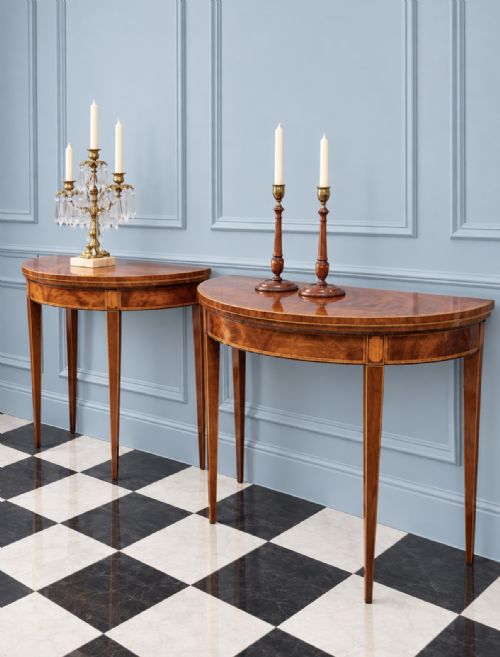
Georgian tables, particularly those from the George III period, typically exhibit restrained classical proportions, elegant tapered legs and understated mahogany or walnut grain. Their design emphasises architectural harmony and structural balance.
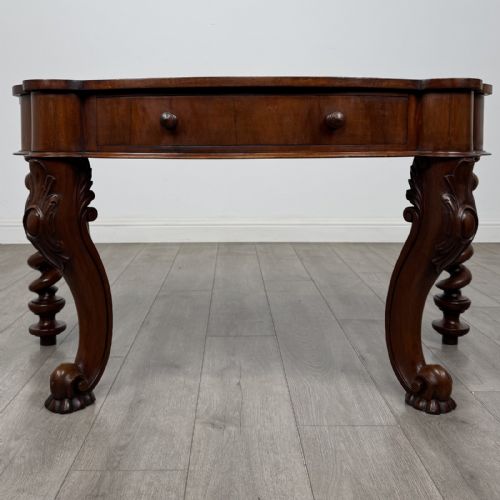
Victorian pieces often display heavier proportions, bolder turning on the legs, bobbin details or elaborate marquetry reflecting the industrial expansion and eclectic tastes of the later nineteenth century.
Are marble-topped consoles heavy?
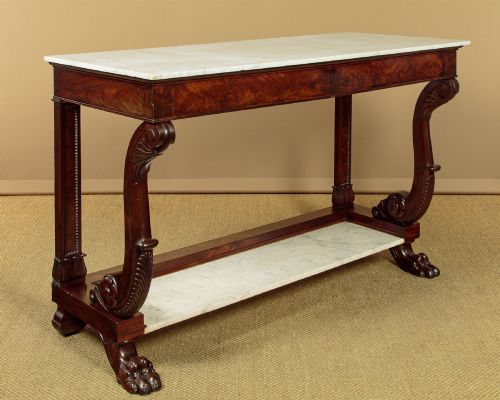
Marble tops add substantial weight to console tables, which historically helped anchor the furniture securely against walls. Stone slabs such as rouge marble or breccia rest upon the wooden base, sometimes secured with historical brackets.
When moving these tables, lifting the marble separately from the timber frame prevents structural strain on the joints.