

Antique Wood Conference Table
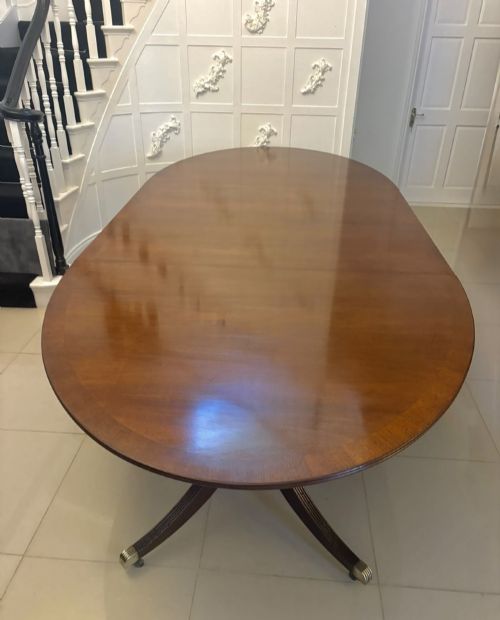
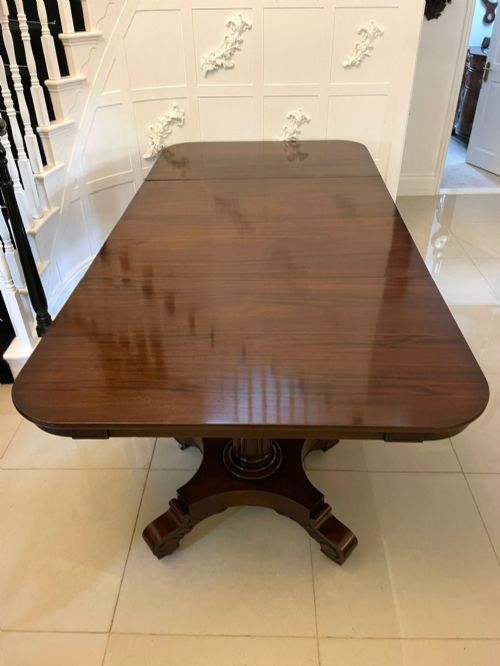
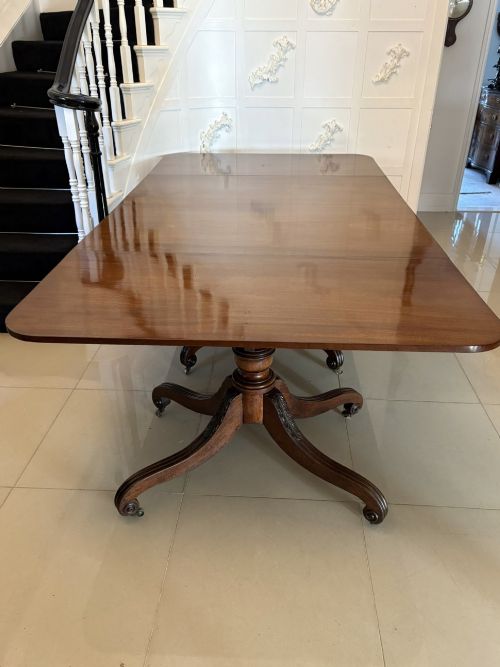
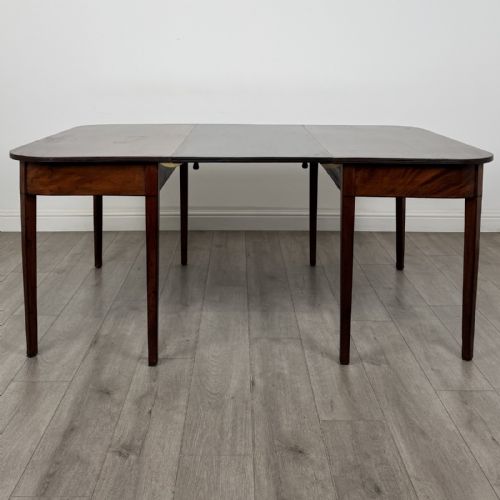
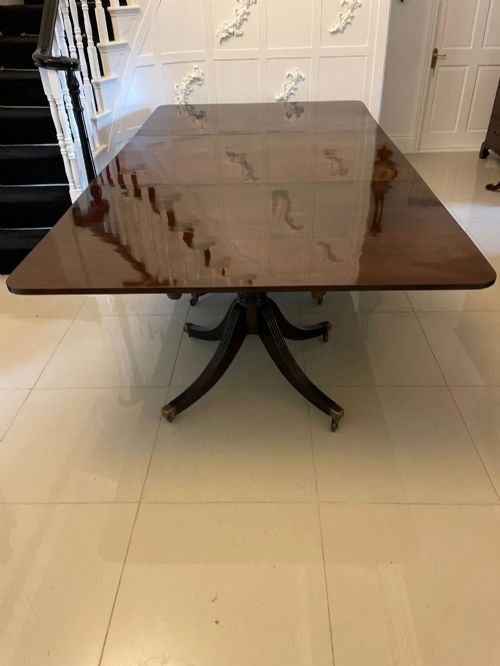
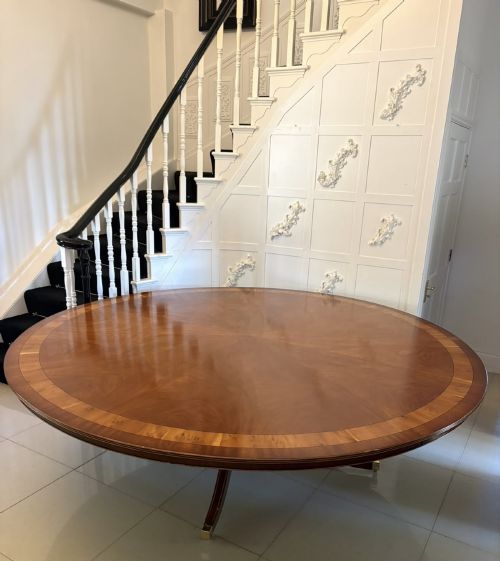
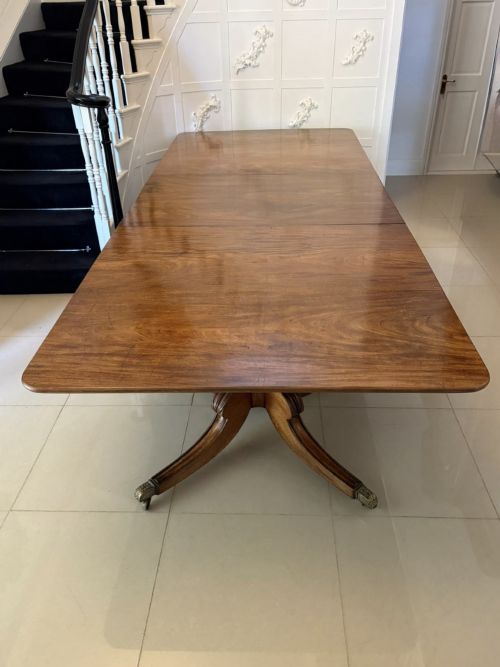
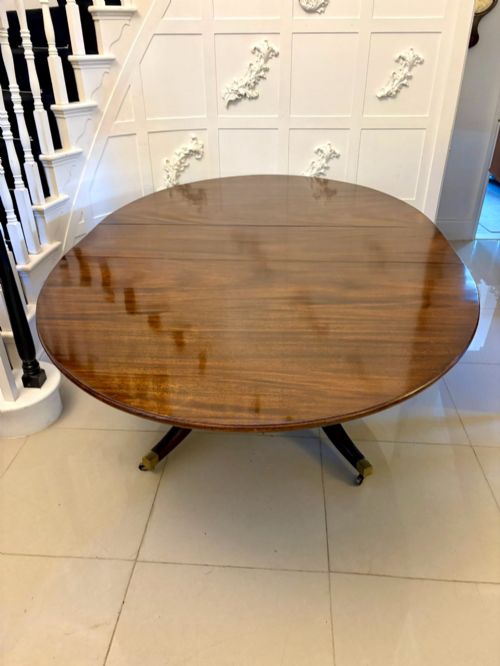
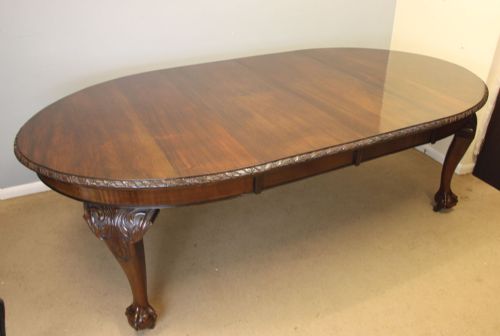
An antique wood conference table commands the room with solid timber, pedestal bases and generous proportions designed to seat large assemblies.
Antique Wood Conference Table
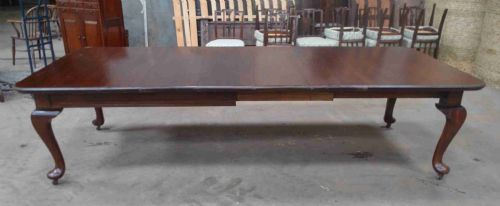
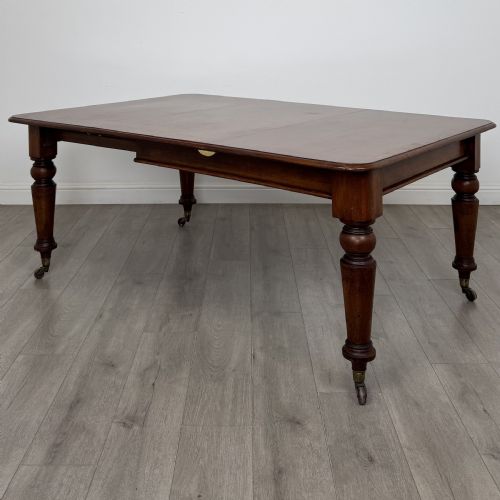
An antique wood conference table often begins life as a substantial dining table from the Georgian, Regency or Victorian periods, built to accommodate large gatherings. These pieces serve modern boardrooms and offices perfectly through their impressive length and robust construction.
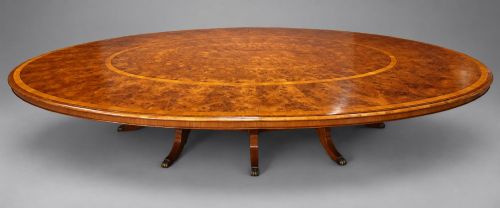
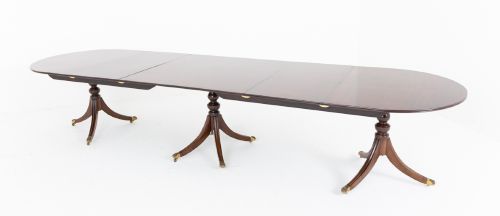
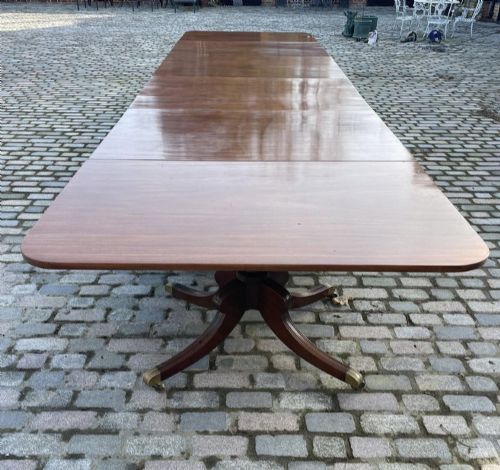
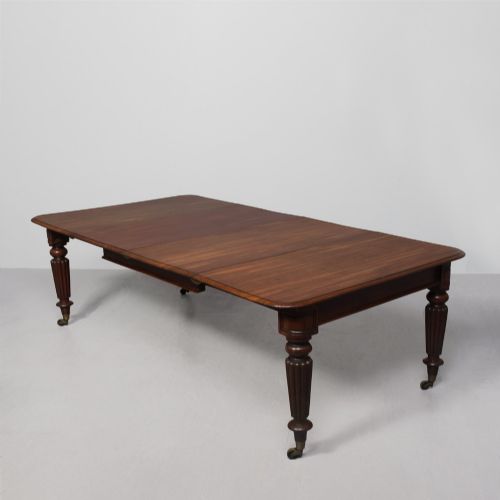
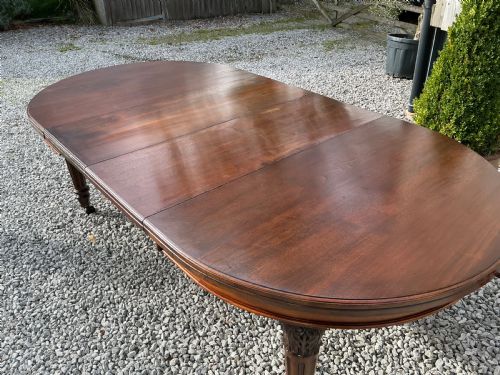
Mahogany dominates the selection, frequently appearing in figured, flame or Cuban varieties, alongside walnut and oak. Buyers encounter twin pedestal, triple pedestal and multi-pillar formats equipped with removable leaves to adjust the overall length.
The styles span from restrained George III and Regency designs to ornate Victorian and William IV examples. Makers utilised clever extending mechanisms and sturdy pillars to support tables stretching past twelve or fifteen feet in length.
Judging Quality and Proportion
Quality rests in the choice of timber, with figured, flame and Cuban mahogany marking the upper tier of production. The crispness of carved details on the pedestals and the seamless fit of the original leaves distinguish finer examples from standard workshop output.
The integrity of the extending mechanism and the stability of the pillar bases dictate practical longevity. Tables retaining their matching original leaves and balanced proportions command greater appreciation than those altered over time.
Antique Wood Conference Table Retail Price Guide 2026
Typical asking prices for wood conference table among the pieces listed under this phrase on Sellingantiques today, from the lower quarter to the upper quarter. They describe what is for sale here now, not the wider market.
Some tables stretch past fifteen feet, requiring a marathon effort to polish the entire expanse of figured mahogany.
Gillows·Maple & Co
The Antique Wood Conference Table Glossary
- Pedestal
- A central support column, usually resting on splayed legs, that holds up the tabletop. Multiple pedestals distribute weight evenly across longer tables.
- Extending leaf
- A removable section of timber inserted into the centre of the table to increase seating capacity. Original leaves match the grain and colour of the main top.
- Figured mahogany
- Timber displaying distinctive, highly decorative grain patterns such as flame or fiddleback. Cabinet makers reserved these choice cuts for the most visible surfaces.
- D end
- A table end shaped in the semi-circular form of a capital letter D. These sections often detach or serve as standalone consoles.
- Triple pedestal
- A table base configuration utilising three distinct vertical supports. This arrangement provides essential stability for extra-long dining and boardroom tables.
Antique Wood Conference Table: Frequently Asked Questions
How do I seat twenty people?
Look for multi-pillar formats, such as triple or multi-pedestal tables spanning twelve to fifteen feet with original leaves.
Ensure the room dimensions allow clearance for chairs around the entire perimeter once fully extended.
Can I adjust the length?
Many period examples utilise drop-in leaves or winding mechanisms designed to alter the seating capacity.
Check whether the table includes its original matching leaves to maintain consistent timber grain and colour.
Which timber is best?
Mahogany, particularly Cuban or flame varieties, provides exceptional durability and a rich, dark surface for professional settings.
Walnut and burr walnut offer lighter, highly figured alternatives popular in Victorian and revival pieces.
How do I identify Regency style?
Regency pieces often feature clean lines, restrained brass inlay, and elegant pedestal bases supported by reeded legs.
This early nineteenth-century aesthetic prioritises classical proportion over heavy ornamentation.