


Antique Wood Cellarette
An antique wood cellarette brings historic drinking culture into the dining room, offering sturdy timber construction designed to keep vintage bottles secure.
Antique Wood Cellarette
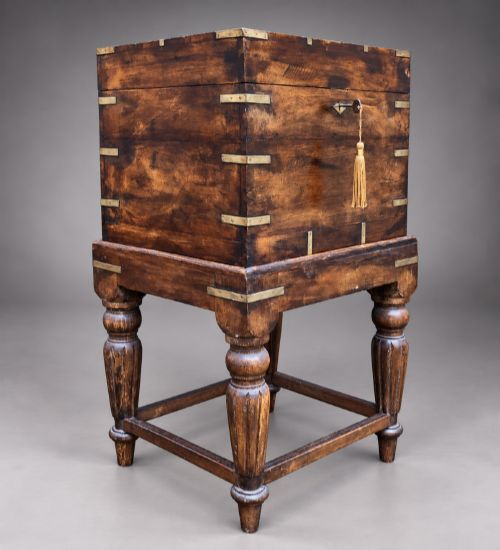
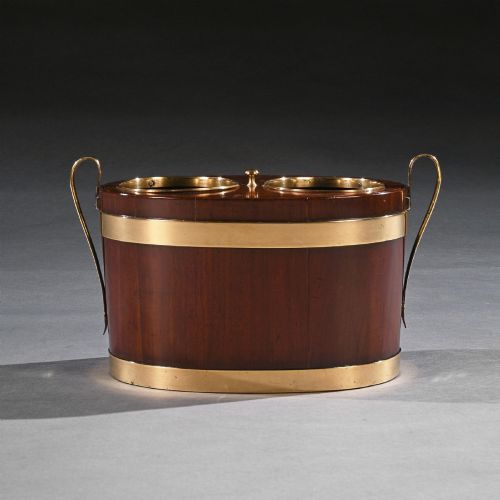
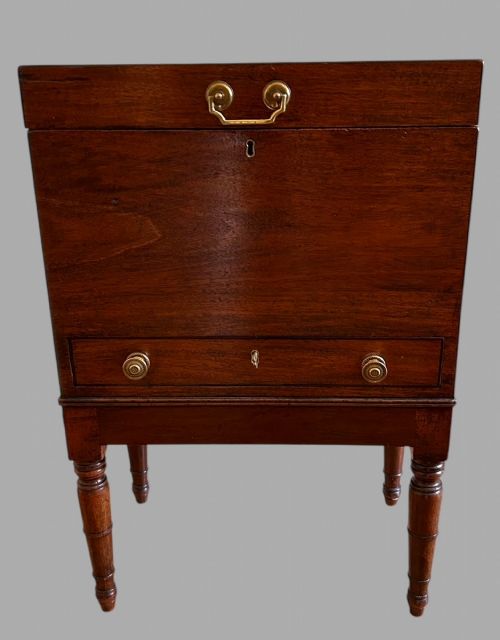
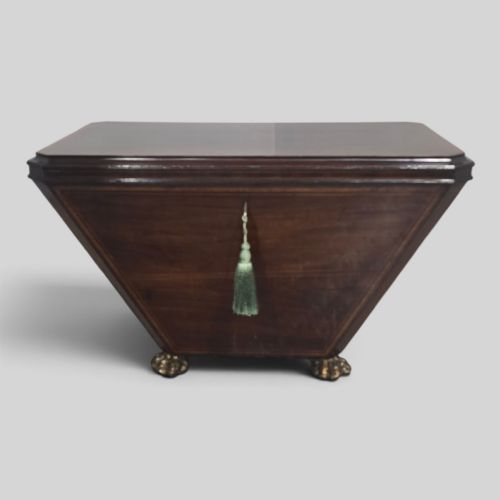
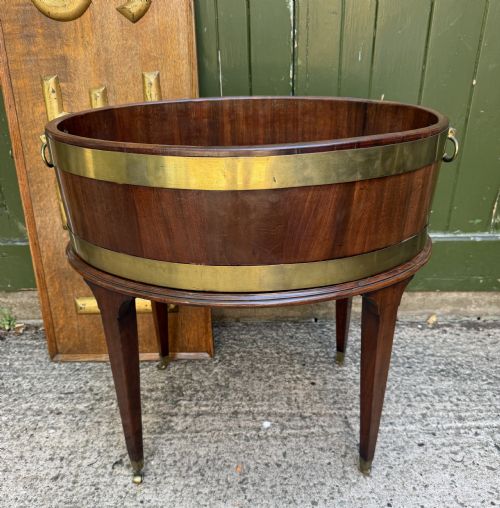
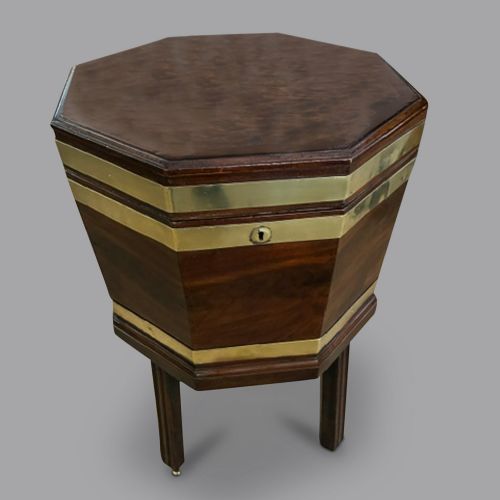
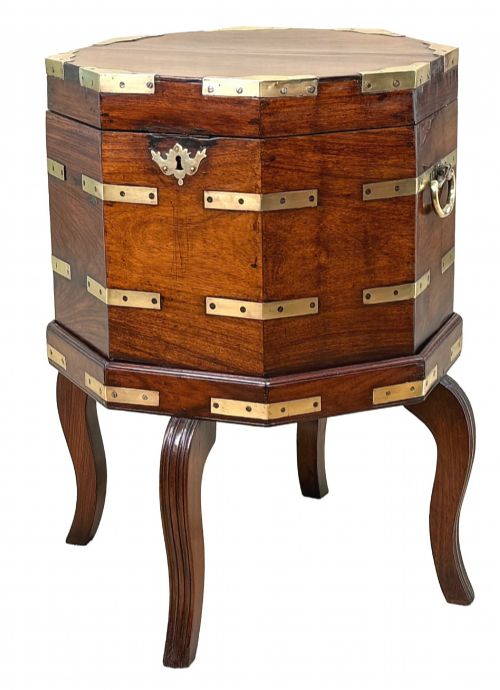
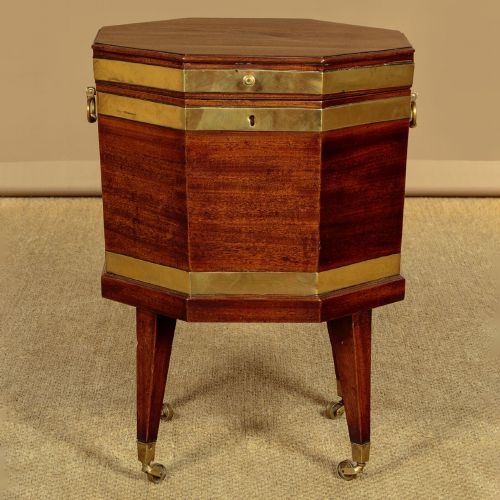
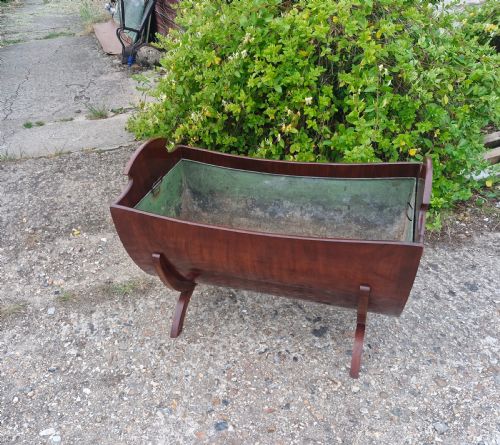
An antique wood cellarette functions primarily as a specialised storage chest for wine, spirits, and bottles, historically positioned near the dining table or sideboard during grand meals. Buyers exploring this category encounter forms ranging from oval table vessels and octagonal containers to large sarcophagus designs and freestanding pedestals.
The pieces appearing on this page stem predominantly from the Georgian, Regency, and Victorian eras, alongside select Edwardian and 19th-century examples. Mahogany remains the most common primary timber, frequently accompanied by walnut, padouk, rosewood, and satinwood.
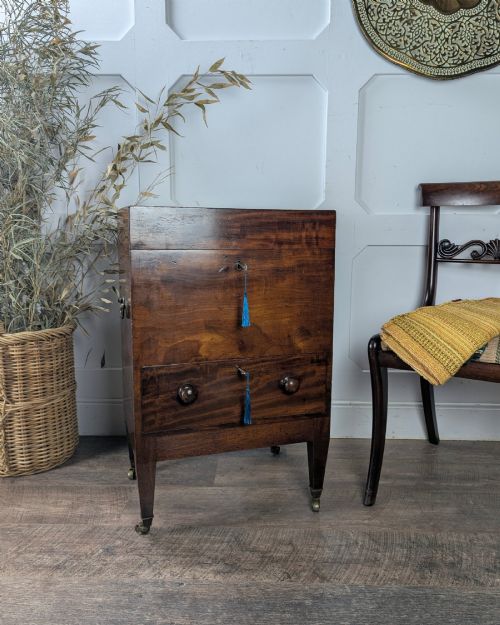
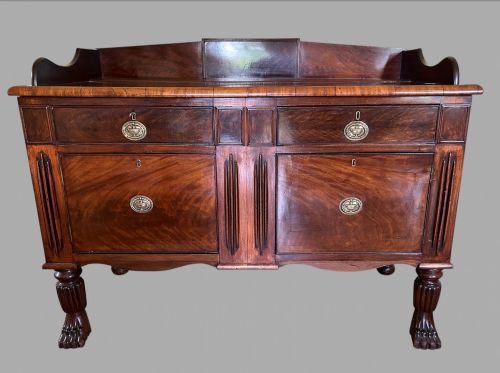
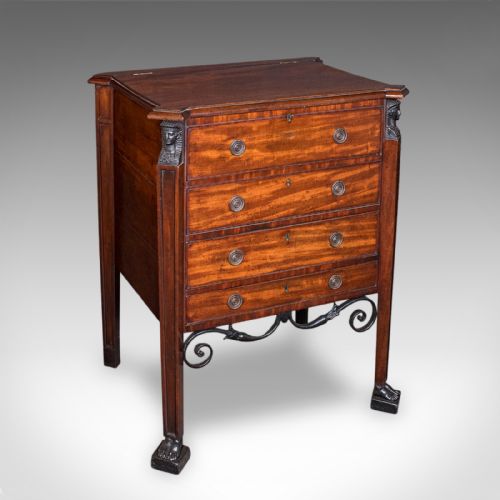
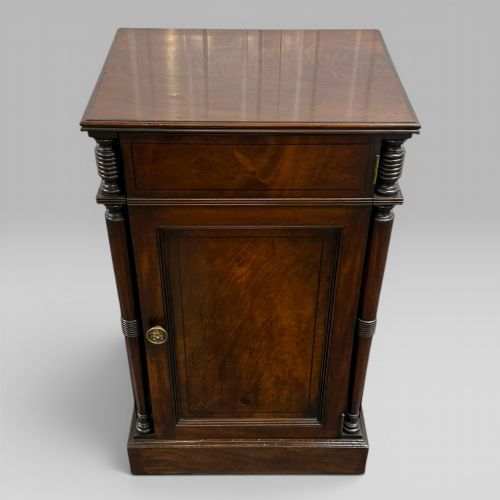
Many items function equally well as wine coolers, jardinieres, log baskets, or cocktail cabinets, reflecting how domestic storage needs shifted across centuries. Buyers will find variations mounted on stands, fitted with interior divisions, or integrated into larger sideboards and buffets.
Materials and construction methods
Cabinetmakers built these pieces using solid timbers like mahogany, walnut, and padouk, often selecting figured veneers and flame mahogany to create striking exterior surfaces. Satinwood inlay and brass banding provide decorative contrast and structural reinforcement along edges and seams.
Metal components such as brass carrying handles, binding bands, and lined interiors served both practical and aesthetic purposes, protecting the wood from moisture and heavy use. Joinery techniques relied on sturdy framing and dovetailed boxes to withstand the heavy weight of glass bottles and liquid contents.
Irish hunting days required specialised storage boxes to keep spirits safe during rugged outdoor excursions.
Distinctions in craftsmanship and design
Quality separates standard utilitarian storage boxes from pieces displaying superior cabinetmaking, evident in the choice of richly figured timbers and precise inlay work. The crispness of carved details, the integrity of original brass mounts, and the sophistication of internal compartments define the upper tier.
Proportion and form dictate the visual success of a piece, with well-balanced sarcophagus shapes or elegant oval silhouettes commanding greater presence. Surviving stands, original hardware, and documented attributions to notable makers elevate the historical and aesthetic standing of the object.
Edwards and Roberts·Gillows·Gillingtons·Freemans of Norwich
The Antique Wood Cellarette Glossary
- Cellarette
- A lockable container or chest designed specifically for holding bottles of wine and spirits near the dining table. They frequently feature internal divisions or lead linings to hold ice and liquid.
- Sarcophagus cellarette
- A large, heavy wine cooler shaped like an ancient stone coffin, typically featuring bold carved paw feet and ornate mouldings popular during the Regency period.
- Tantalus
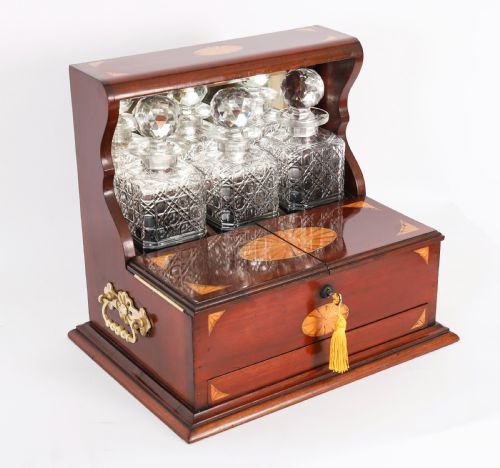
- A locking wooden frame holding decanters visible to the eye but secure from unauthorized pouring without a key. They appear alongside gaming sets and drinks equipment in later Victorian formats.
- Padouk
- A dense tropical hardwood displaying a reddish-brown tone, utilised by cabinetmakers for durable furniture and export pieces destined for British interiors.
- Satinwood inlay
- Contrasting blonde wood veneers embedded into darker timber surfaces to create geometric borders, classical motifs, or decorative patterns.
Antique Wood Cellarette: Frequently Asked Questions
What is an antique wood cellarette?
An antique wood cellarette is a dedicated timber chest or cooler built to store bottles of wine and spirits safely within the dining room.
Historically filled with ice or water, these vessels kept drinks chilled and secure during formal meals before modern refrigeration existed.
How were cellarettes used historically?
Servants placed these heavy wooden chests close to the dining table or sideboard so guests could access bottles without frequent trips to the cellar.
Many designs doubled as log bins, plate warmers, or planters once dining fashions changed in later decades.
Where should I place a cellarette?
These pieces fit naturally into dining rooms, living spaces, or hallways as statement storage units or decorative tables.
Larger sarcophagus forms work well freestanding, while smaller oval coolers on stands suit corners or smaller wall spaces.