
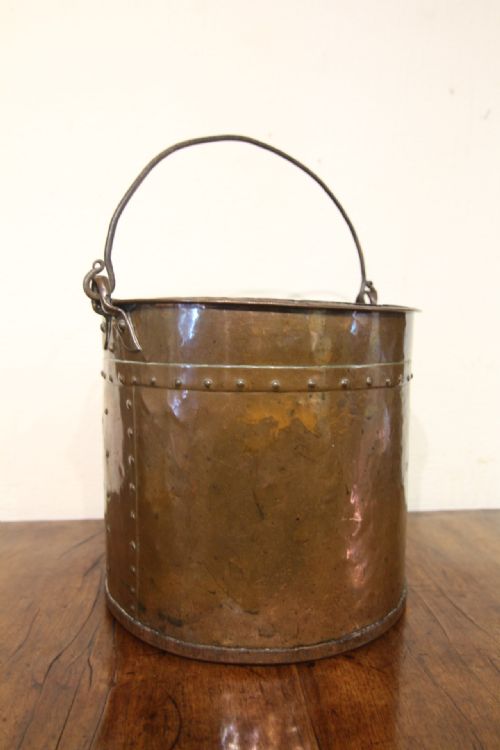


19th Century Log Bucket
A 19th century log bucket brings robust utilitarian character and rich metallic warmth to a hearthside.
19th Century Log Bucket
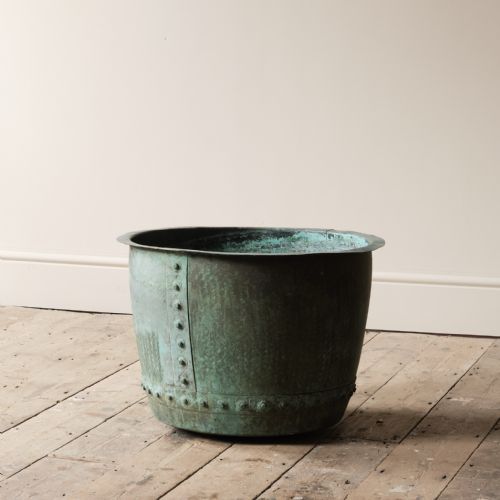
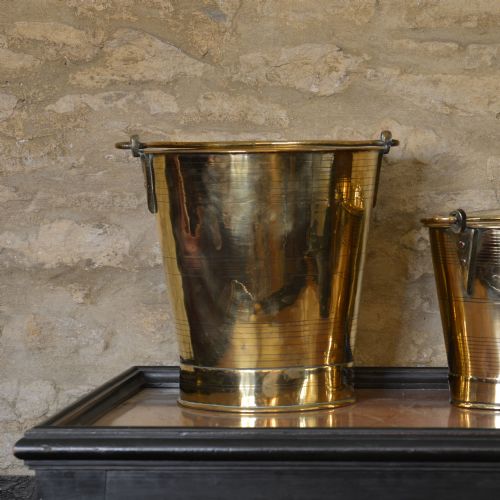
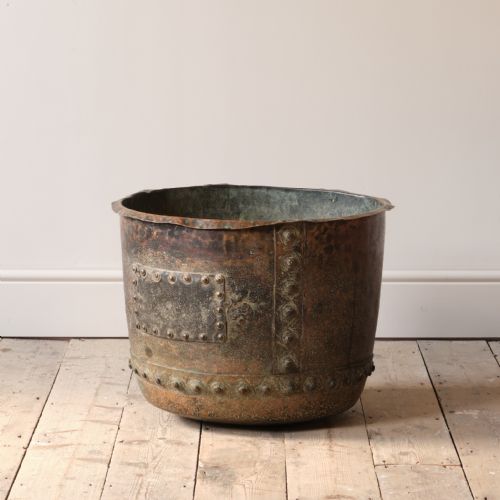
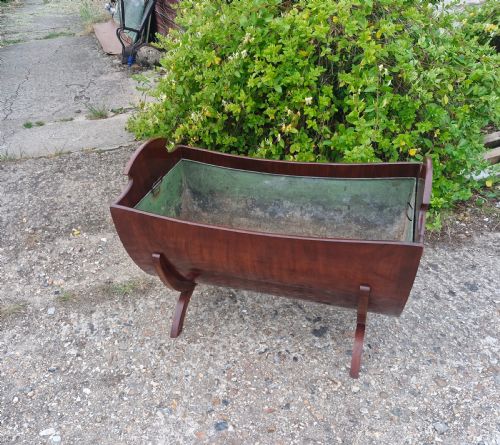
A 19th century log bucket encompasses heavy metal vessels and timber containers originally fashioned for hearthside fuel, agricultural storage or domestic transport. The pieces seen most frequently on this page are hand-riveted copper bins, brass-bound wood buckets and Victorian coal scuttles.
Makers and manufacturers across Britain, France, Scandinavia and the Netherlands shaped these vessels from sheet metal or staved timber to serve practical functions beside the fire. Their forms range from cylindrical copper cauldrons and grain measures to elliptical mahogany buckets and carved wooden mortars.
Collectors encounter these utilitarian objects operating variously as log bins, planters, champagne coolers and storage barrels. The survival of such items reflects robust construction methods designed for demanding daily tasks in country houses, farmhouses and industrial workshops.
Materials and construction
Metals dominate the selection, with heavy sheet copper and polished brass joined by visible hand-hammered rivets and secured with wrought iron swing handles. Artisans worked these sheets into deep vessels, often incorporating brass claw feet or iron bands for structural stability.
Wood construction relies on traditional cooperage techniques, uniting staves of mahogany, oak, pine, walnut or Chinese elm with metal bands or brass spindles. Toleware items introduce painted tin finishes, while folk art barge wear examples display decorative surface work.
Grape hods cross the channel from French vineyards to find new life warming English hearthstones as log bins.
Evaluating quality and craftsmanship
Quality reveals itself in the weight of the metal and the integrity of the joinery, distinguishing heavy-gauge riveted copper bodies from lighter pressed alternatives. Superior examples display careful hand-hammering, robust wrought iron mountings and well-fitted brass handles that remain secure after generations of lifting heavy fuel.
The choice of materials and decorative detailing further separates standard utility ware from finer domestic pieces. Solid mahogany with tight brass banding or original folk art painting indicates a higher grade of production intended for formal reception rooms rather than working sculleries.
The 19th Century Log Bucket Glossary
- Riveted
- Joined with metal pins whose ends are beaten flat to secure overlapping sheets. This method provided exceptional strength for vessels carrying heavy loads of wood or coal.
- Coopered
- Constructed from curved wooden staves bound together with metal hoops. This technique kept wooden buckets watertight and structurally sound.
- Toleware
- Lacquered or enamelled metalware, often decorated with hand-painted folk designs. It provided a durable and colourful finish for domestic containers.
- Scuttle
- A metal bucket designed specifically for holding and pouring coal onto a fire. These often featured hinged handles and angled mouths to direct the fuel.
- Cauldron
- A large rounded metal pot with a swing handle. They were utilised for heavy domestic tasks before finding secondary lives as fireside storage.
19th Century Log Bucket: Frequently Asked Questions
How were these buckets originally used?
These vessels served arduous domestic and agricultural duties, carrying fuel to hearths, transporting water, or holding harvested goods like grapes and grain.
Over time, many transitioned exclusively to fireside storage, holding logs and kindling beside the fireplace.
Are these items suitable for modern firesides?
Most of these robust metal and timber containers remain entirely practical for holding logs and kindling in contemporary homes.
Their durable construction of copper, brass and heavy wood allows them to withstand the weight and friction of regular firewood storage.
How do I distinguish copper from brass pieces?
Copper exhibits a distinct warm reddish-pink hue, whereas brass presents a brighter, more golden-yellow appearance due to its alloy composition of copper and zinc.
Many surviving pieces combine both metals, using copper for the main body and brass for rims, handles or decorative mounts.
Can I use these buckets outdoors?
Many copper log bins and wooden vessels adapt readily to garden settings as planters or storage containers.
Their robust weather-resistant materials, particularly heavy copper and iron-banded timber, endure outdoor environments while developing further character.