


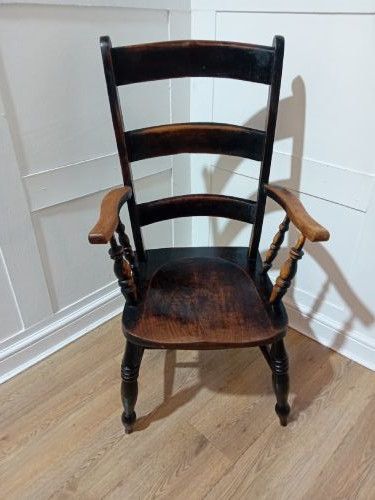
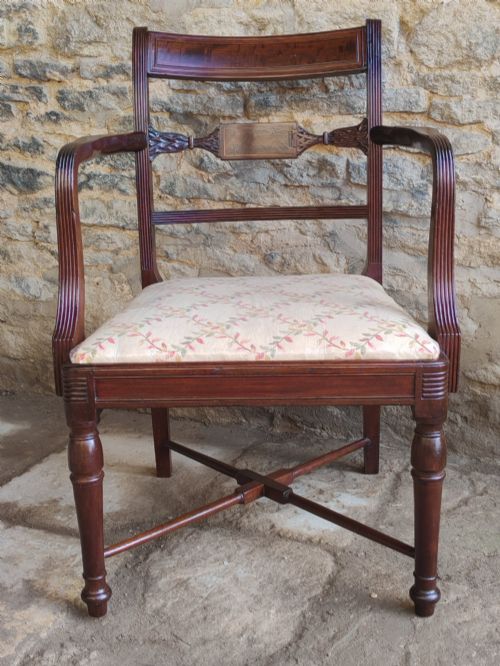
Antique Wood Carver Chair
An antique wood carver chair brings generous proportions and supportive armrests to a dining table or study.
Materials and construction methods
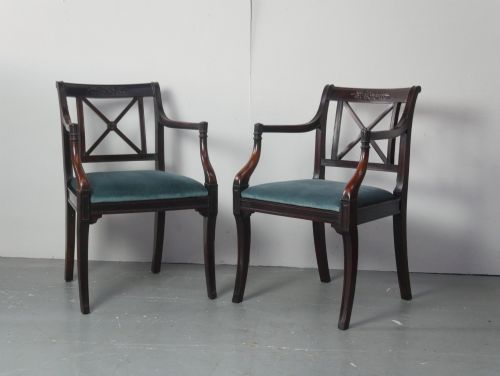
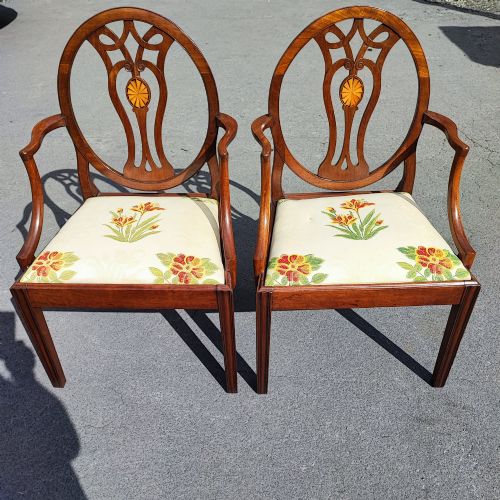
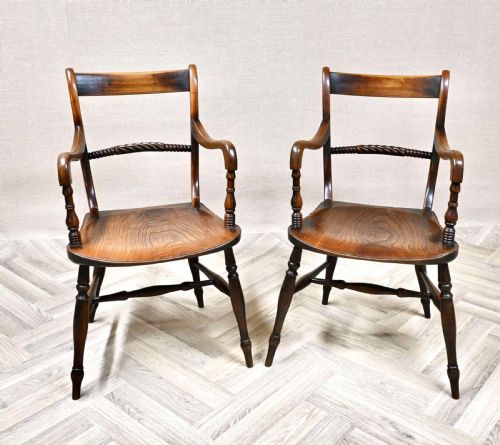
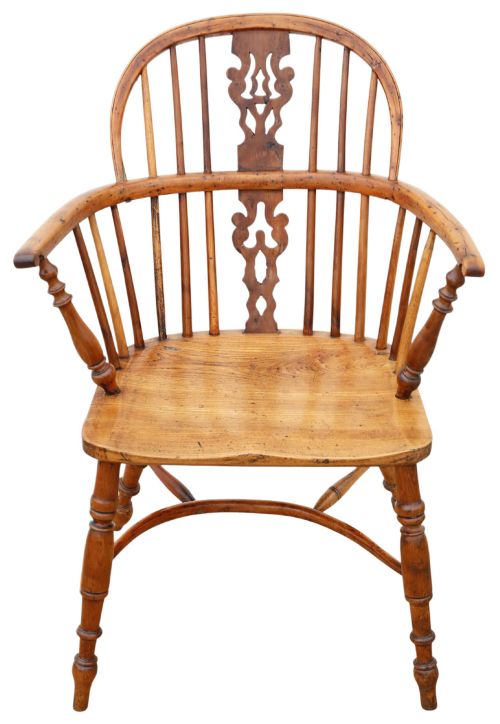
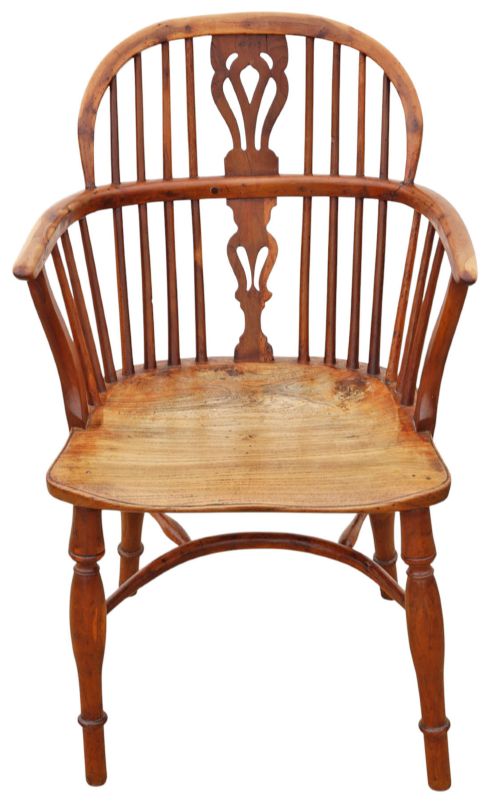
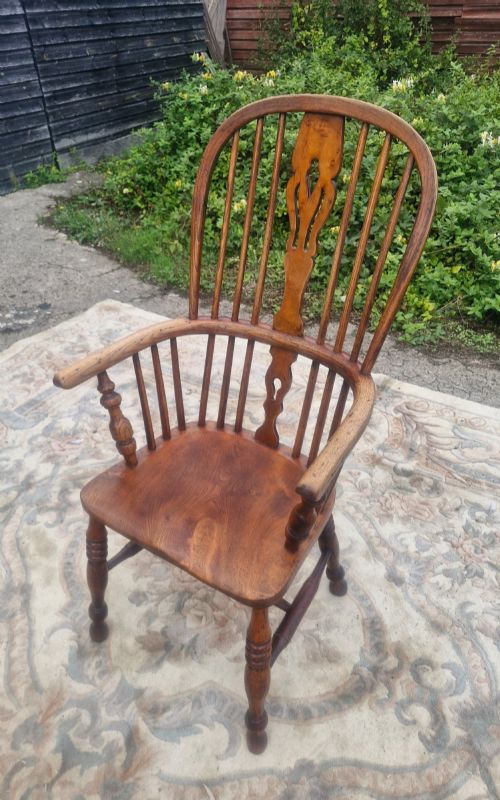
Joiners and cabinet makers relied heavily on dense hardwoods such as mahogany, elm, ash and fruitwood, selecting timber for strength in the legs, stretchers and arm supports. Turning lathes shaped spindles and legs, while hand-carving produced shield backs, ropebacks and pierced splats.
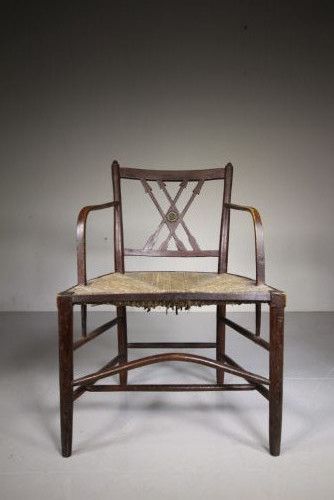
Country examples employed steam-bending for bows and rails, locking parts together with wedges and peg construction. Formal urban pieces utilised mortise and tenon joinery, often enhanced with delicate inlay, brass accents or cane seats.
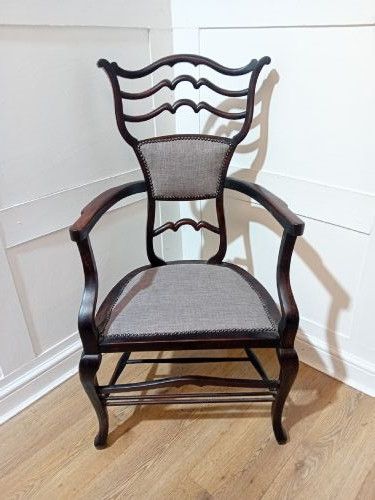
Upholstery fabric, leather and velvet appeared on padded drop-in seats and high backs, secured with iron tacks over webbing or traditional stuffing.
Distinctions in standard and execution
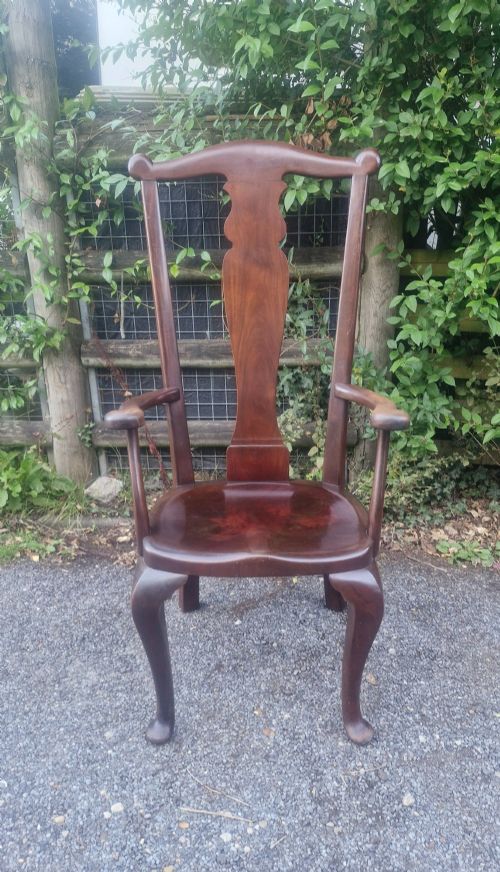
The distinction between standard examples and the finest pieces lies in the crispness of the hand-carving and the selection of figured timber, such as heavily grained mahogany or well-matched yew and elm. Superior chairs display tight, secure joinery where spindles and arms meet without excessive movement or later reinforcement.
Proportion and comfort dictate execution, with better carvers offering balanced arm heights and supportive backrests that reflect careful design rather than hurried production. Original surfaces, whether polished mahogany or early painted finishes, preserve historical integrity better than stripped and heavily sanded timber.
Country chairs sometimes retain traces of early paint under generations of wax, telling silent stories of farmhouse kitchens.
Philip Clissett
The Antique Wood Carver Chair Glossary
- Carver
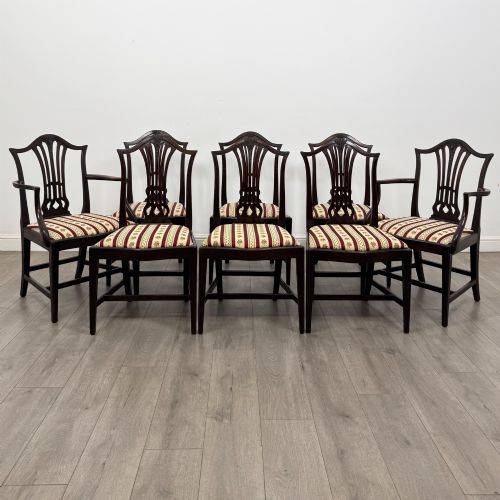
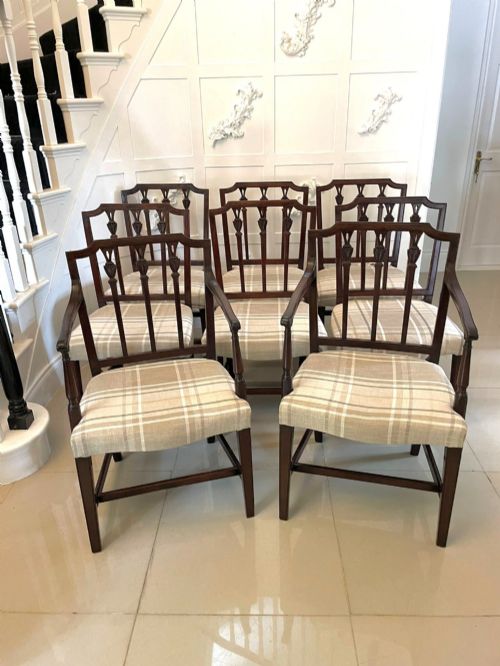
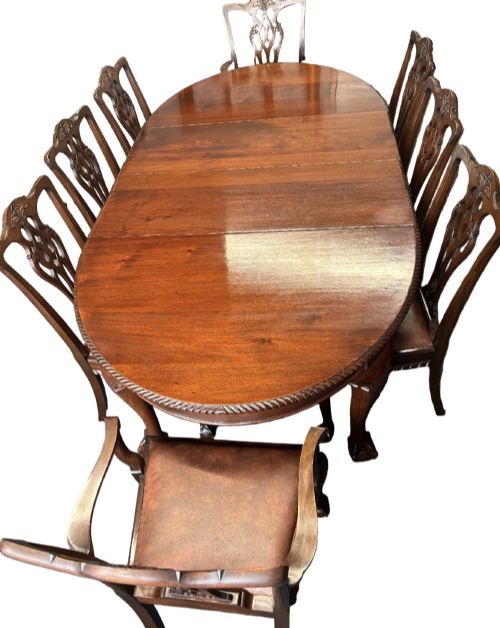
- An armchair designed to match a set of single dining chairs, traditionally positioned at the head of the table. It offers wider proportions and enclosed armrests.
- Windsor
- A traditional wooden chair constructed with a solid sculpted wooden seat into which the legs, back spindles and bow are independently fitted. These often combine elm, ash and yew.
- Splat
- The vertical wooden strip down the centre of a chair back, frequently pierced, carved or shaped into urn and fiddle forms. It provides structural support and decorative character.
- Stretcher
- A horizontal wooden rod connecting the legs of a chair to provide stability and rigidity. In country chairs, these are often arranged in an H-pattern or crinoline bow.
Antique Wood Carver Chair: Frequently Asked Questions
What is an antique wood carver chair?
An antique wood carver chair is an armchair featuring wooden armrests, historically made to match a set of dining chairs or to serve as a desk or reception seat.
These pieces date from the 18th, 19th and early 20th centuries, reflecting styles from Georgian elegance to robust English country vernacular.
How do I use a carver chair today?
A carver chair works well at the head of a dining table, paired with simpler dining chairs of a similar period or timber.
They also function effectively as standalone desk chairs, reading seats in a bedroom or hallway accents.
How do I tell a Georgian carver from a Victorian one?
Georgian carvers typically exhibit restrained classical proportions, elegant mahogany framing and fine hand-carving on splats and legs.
Victorian examples often feature heavier proportions, higher backs, and revivals of earlier styles such as Elizabethan, Gothic or robust Windsor forms.
Are carver chairs comfortable for daily sitting?
Many carver chairs offer supportive armrests and ergonomically curved wooden backrests or padded upholstered seats.
Their comfort depends on the seat depth, back angle and whether the seat is solid wood, cane or sprung upholstery.